Dumbbell Cleaning and Maintenance: Make Your Weights Last 10 Years
Full disclosure: Some links in this article are affiliate links. We may earn a small commission at no extra cost to you if you make a purchase through them. Our recommendations are based on what real users report, not on commission size.
Why Dumbbell Maintenance Makes or Breaks Your Investment
Spend any time around home gyms and you’ll see the same split: a pair of dumbbells that still looks and feels new, next to a set that turned into gritty, rusted junk because nobody cleaned them once in a while. A dumbbell isn’t just a hunk of metal. It’s a mix of coatings, springs, plastic housings, and sometimes dials. Sweat, chalk, dust, and garage humidity hit that combo every session. That grime doesn’t just look bad; it wears down protective coatings and eventually lets rust reach the steel underneath.
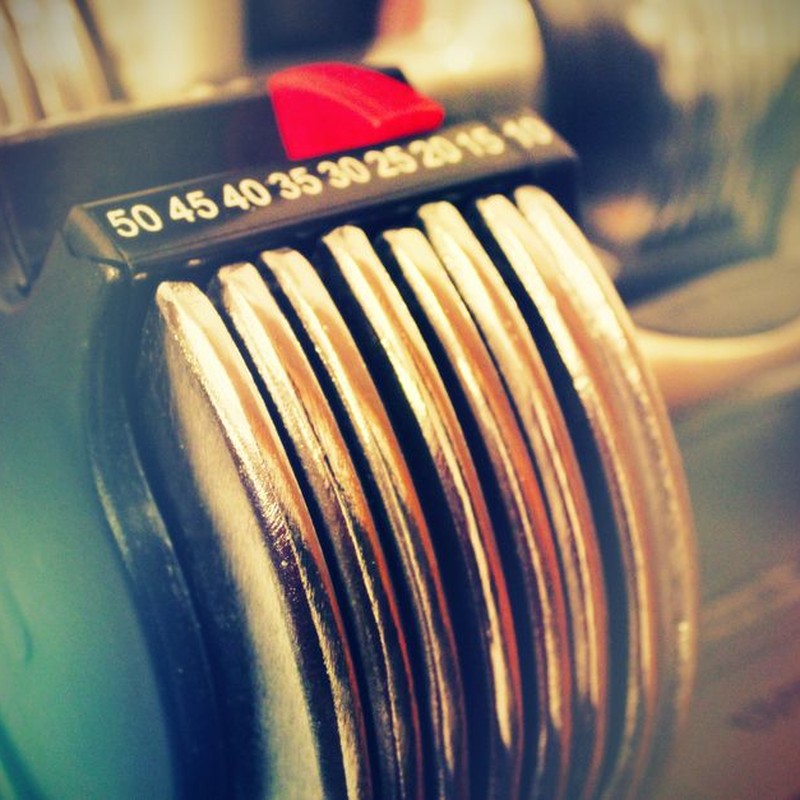
Adjustable sets need extra attention because they have more places for debris to hide. In my experience with the Bowflex SelectTech 552 Adjustable Dumbbells, the dials and closely spaced plates are the first spots to feel gritty if I skip a wipe-down. Chalk builds up in the dial mechanism, and sweat drips between the plates where it dries into a film. That film doesn’t just stain; it accelerates wear on the plastic and metal parts that keep the weight-selection mechanism smooth.
I learned the hard way with a chrome pair I left in my garage for three months. The humidity found a tiny chip in the plating and rust started underneath. By the time I noticed, the pitting had spread along the handle and the chrome began to flake. It wasn’t an expensive set, but the lesson stuck: once coating damage starts, it’s almost impossible to reverse.
Budget-friendly sets suffer the same fate faster if you skip care. The Yes4All Adjustable Dumbbells 80LB costs around $280 and is a reasonable buy for a home gym. But if chalky handprints sit on the handles and the threads never get cleaned, the locking collars will start to bind. That’s how a $280 investment can turn into a sticky, wobbly set within a couple of years.
Premium sets aren’t immune. I used the PowerBlock Elite EXP 5-90 Adjustable Dumbbells for a stretch, and the plastic housings rely on guide rods staying clean. Sweat and dust get into that gap and make the selector pin drag. The NUOBELL Max 80 Adjustable Dumbbells sit in a cradle that grabs floor dust, and that debris can work its way into the weight selector if you don’t brush it out. Even a rubber-coated hex set like the CAP Barbell Coated Hex Dumbbell Set can develop cracks and stale odors if you drop it on concrete and never wipe the rubber down.
You don’t need specialty tools for any of this. A microfiber cloth, a mild cleaner, and a few minutes per week are enough for most home lifters. Wipe down a neoprene set like the Amazon Basics Neoprene Dumbbell Set the same way you’d wipe your hands after a workout. For metal and adjustable cages, dry them completely and check the moving parts now and then.
If you’ve owned a dumbbell set for a year or more, tell me in the comments what cleaning routine worked for you. And if you’re shopping for your next pair, the links above show current prices and real user ratings on Amazon.
The Right Way to Clean Your Dumbbells Without Damaging the Finish
n
Most dumbbells don’t get ruined by heavy lifting; they get ruined by harsh cleaners and rushed wipe-downs. A few years ago I picked up a used pair of adjustables and found the locking pins rusted because the previous owner sprayed all-purpose cleaner right onto the metal and let it soak in. The rubber plates felt sticky too. A simple five-minute routine would have prevented all of it.
n
Start dry. Before any water touches your dumbbells, pull off the loose stuff. Sand, chalk, and dead skin collect in the knurling and in the corners where the handle meets the plates. Use a stiff dry brush or a vacuum crevice tool to get into those grooves. If you skip this and go straight to a wet rag, you’re turning that grit into a paste that rubs against the finish. One dry pass makes the rest of the cleaning safer and faster.
n
For the actual cleaning, fill a bowl with warm water and add a small drop of dish soap. Dip a microfiber cloth, then wring it out hard. You want it damp, not dripping. Wipe the whole dumbbell down, and spend extra time on the handle where sweat builds up. Most smudges, chalk marks, and sticky spots come off in this step. For anything caked on, let the soapy water sit on the spot for a minute before wiping.
n
Skip bleach, ammonia, and citrus degreasers. Bleach is harsh, ammonia smells terrible in a home gym, and citrus degreasers are the sneaky one: they work fine on metal, but the solvent that cuts grease can soften rubber and plastic coatings. So that warning matters most for rubber-covered plates, nylon parts, and the plastic housings on adjustable sets. On bare steel, a citrus cleaner won’t destroy the metal, but it can strip the protective coating and leave a film that attracts dust. Dish soap is all you need.
n
Regular cleaning should never involve steel wool or scouring pads. The only time 0000-grade steel wool gets a pass is for light rust spot treatment, and that’s covered in the rust-removal section of this article. For routine maintenance, microfiber is all you need. The chrome and painted finishes on most dumbbells are thin, and once you scratch through the top layer, moisture gets underneath and causes flaking. Abrasive pads aren’t worth the risk.
n
Neoprene dumbbells, like the Amazon Basics Neoprene Dumbbell Set, need a little extra patience. The tight-weave coating acts like a sponge. After you wipe them down with diluted soapy water, set them on a rack or a towel and let them air-dry completely before you stack them. I made this mistake with my first neoprene pair: put them away damp after a workout, and a couple of weeks later they smelled like a damp hiking boot. Once that smell gets into the coating, it’s tough to get out.
n
Rubber hex sets like the CAP Barbell Coated Hex Dumbbell Set need a slightly different approach. The rubber handles and heads only need the soapy-water wipe-down. The exposed steel ends, though, benefit from a light coat of mineral oil once a month. Rub a few drops over the bare metal with a soft cloth, then buff off the excess. That thin film keeps sweat from sitting directly on the steel. Don’t oil the rubber coating or the handle; they’ll just get slippery. For uncoated cast iron, do the same oil treatment every couple of weeks, since there’s no protective coating.
n
Adjustable dumbbells follow the same basic rules, but they need more caution around moving parts. I use the “barely damp” standard: after wringing out a microfiber cloth, press it against a dry towel or squeeze it one more time so it leaves no visible water on the back of your hand. Then wipe the plates and the cradle on the Bowflex SelectTech 552 Adjustable Dumbbells. Dry the surfaces immediately with a second cloth. Never spray anything directly into the dial or the adjustment mechanism.
n
With plate-based adjustables like the PowerBlock Elite EXP 5-90 Adjustable Dumbbells, the rails and the plastic housing are the vulnerable spots. A dry cloth handles dust on the rails, and a lightly dampened cloth can be used on the handles and plates. Just be careful around the selector pin opening. The NUOBELL Max 80 Adjustable Dumbbells have locking rods and cradle rails that need to stay clean so the plates slide smoothly. A monthly dry-brush pass over those rails prevents grit from building up and making the adjustment feel stiff. For budget-friendly adjustable sets like the Yes4All Adjustable Dumbbells 80LB, pay attention to the threaded collars and any exposed steel. Keep those spots dry, and run a dry brush over the threads now and then so chalk and dust don’t jam them.
n
Try this routine after your next session. Two minutes with a dry brush and a damp microfiber cloth beats sanding rust out of knurling later. And if you’re shopping for a new pair, check the current prices on Amazon from the links here. If you’ve found a cleaning trick that keeps dumbbells looking new, leave it in the comments.
Rust Removal and Spot Repair for Dumbbells That Already Look Rough
Before you grab a wire brush and attack a rusty dumbbell, take ten seconds to figure out what you’re dealing with. Surface rust on a cast iron head is a different problem from a flaking chrome finish, and treating both the same way usually makes things worse.
I rescued a pair of secondhand hex dumbbells that had spent two years in a damp garage. They looked terrible—orange speckles on every head—but they cleaned up in about 45 minutes. Here’s how to size up the damage and pick the right fix.
Evaluate Before You Scrub
Run your hand over the rusted area. Surface rust feels rough but the metal underneath stays solid. If you can press in and feel movement, that’s structural damage. Same if the pitting passes the one-millimeter threshold. Rust on the handle or deep pitting is the main reason to retire a dumbbell. No amount of scrubbing brings back compromised steel.
Coated dumbbells follow the same logic. If the rubber or urethane coating on a set like the CAP Barbell Coated Hex Dumbbell Set has chipped and exposed the steel underneath, check that spot every few weeks. The same goes for the Amazon Basics Neoprene Dumbbell Set, though neoprene tends to peel rather than chip. The coating is what keeps moisture off the metal. Once it’s breached, rust starts exactly there. A small chip on a weight head can be covered with a dab of rubberized tool dip. A chip on the handle, or corrosion that’s eaten into the metal, means it’s time to replace the set.
Bare Cast Iron: The Easiest Rescue
Bare cast iron is the most forgiving material to restore. Orange specks on the surface are almost always superficial. A nylon brush handles light speckling. For heavier rust, 0000 steel wool cuts through fast, but use it with care: if you do use 0000 steel wool for rust, proceed with very light pressure and test a hidden spot first. I used both on the same pair during my garage rescue, and the steel wool saved me a lot of elbow grease.
Skip sandpaper on any dumbbell. It removes too much material and leaves scratches that hold moisture. On bare cast iron, those scratches become rust magnets.
For a deeper clean, mix baking soda with a little water into a thick paste. Scrub it into the rusted areas with steel wool, wipe it clean, then dry the dumbbell completely. I mean completely, including the spot where the head meets the handle. I set mine in the sun for an afternoon to make sure they were dry.
Last step: seal the surface with a thin layer of paste wax. Johnson’s paste wax works, but any furniture paste wax does the job. Rub it on, let it haze, buff it off. That wax barrier keeps oxygen and moisture off the metal—and it’s the step most people skip. On my rescued pair, the wax is why they still look good a year later.
Chrome: Protect the Plating
Chrome is different. The plating is the protection. Once you scratch through it, moisture gets underneath and spreads rust in places you can’t reach. So skip sandpaper on chrome, completely. A scratched chrome dumbbell isn’t just ugly—the scratch gives rust a path under the plating.
For chrome, use a soft cloth and mild metal polish. Light rust specks can be worked with 0000 steel wool using almost no pressure, but test an inconspicuous spot first. If the rust doesn’t lift easily, it’s already under the plating. At that point, repairing the plating isn’t realistic. Replace the dumbbell if it matters for the exercises you do.
The Bowflex SelectTech 552 Adjustable Dumbbells mix plastic and metal parts, and the metal guide rails can pick up surface rust if the base sits in a humid room. Wipe the exposed metal with a dry cloth after workouts and keep the set someplace climate-controlled.
Adjustable Dumbbells: Lubricate the Right Parts
Adjustable dumbbells have moving parts, so they eventually need lubrication. But the mistake I see people make all the time is spraying oil or WD-40 on the plastic dials. That makes things worse. Oil attracts dust and dirt, which makes the mechanism stickier, and it can degrade plastic over time.
If the adjustment mechanism on the PowerBlock Elite EXP 5-90 Adjustable Dumbbells or the NUOBELL Max 80 Adjustable Dumbbells gets sticky, use a dry PTFE lubricant on the metal guides only. PTFE lubes come as a spray or a bottle with a needle applicator. The liquid carrier evaporates and leaves a dry film that doesn’t attract dust. Apply it sparingly to the metal rails, skip the plastic dials, then work the mechanism a few times to spread it.
If the mechanism actually breaks, don’t assume the whole set is dead. PowerBlock and NUOBELL sell replacement parts for their adjustables, so a broken dial or selector isn’t automatically beyond repair. Contact support and see if a part can be swapped. But if rust has gotten into a load-bearing handle or the metal guide itself, that’s a retire situation, not a repair.
The Yes4All Adjustable Dumbbells 80LB use a simpler screw-on collar that doesn’t need lubrication. If the lock gets hard to turn, wipe the threads with a dry cloth. Oil just collects dust and turns into grit.
A Two-Minute Routine That Prevents a Repeat
Keep a small towel with your dumbbells and wipe them down after every session. That one habit stops sweat from sitting on the metal overnight. Once a month, run your hands over every surface, check for coating chips, and tighten anything loose.
If you’re considering a replacement set, check current prices on Amazon for the models mentioned here. And if you’ve brought a rusty pair back to life, share your process in the comments—I’m always curious to hear what worked for other people.
Storage Habits and a Long-Term Maintenance Schedule
Cleaning a dumbbell once in a while won’t get you ten years of use. The routine you build around the rack will. I’ve owned the same set through humid summers, cold garage winters, and daily workouts — and the weights that held up best were the ones I stored properly and inspected on schedule.
Keep Dumbbells Off the Floor
Concrete wicks moisture from the ground. Set a dumbbell directly on a garage slab and the concrete feeds dampness into the metal, especially in basements or any room below grade. Rust follows fast once that starts.
Put down a rubber mat, build a wooden platform, or buy a dedicated rack. The CAP Barbell Coated Hex Dumbbell Set includes a stand, so it’s protected out of the box. Individual plates and interchangeable sets need to stay off the concrete too.
In garages and basements, cover the rack with a breathable cloth between workouts. A cotton sheet works well. Plastic traps condensation, so stick with fabric.
Keep a Towel by the Rack
Sweat is corrosive. It soaks into knurling, seeps under rubber coatings, and rusts bare iron. Wiping handles after each set takes about five seconds per dumbbell and prevents damage that gets much harder to reverse once it digs in.
It also prevents the sour gym smell that develops when sweat and bacteria sit on rubber handles. I noticed it right away with the Amazon Basics Neoprene Dumbbell Set — a quick wipe after each workout kept the neoprene from holding odor.
If you can’t wipe mid-set, do it as soon as the set ends. Never let sweat sit on the metal overnight.
Quarterly Inspection: Check Moving Parts
Adjustable dumbbells have more components that can fail than fixed sets, so they need a checkup every three months. On the Bowflex SelectTech 552, tighten the collar screws and confirm the selector dial snaps back cleanly. If the dial sticks or the pins don’t seat fully, stop using that weight and fix it before your next session.
For plate-loaded models like the Yes4All Adjustable Dumbbells 80LB, check the hex bolts where the handle meets the plates. A loose bolt makes a wobbly dumbbell, and a wobbly dumbbell under load is a safety problem you don’t want to find mid-press.
Seasonal Care for Humid Summers
Garage and basement trainers face the hardest conditions in summer. Run a small dehumidifier and keep relative humidity below 50 percent. That single step protects the dumbbells more than any coating you can buy.
Once per season, apply paste wax to bare iron. Rub it on, let it dry, buff it off. You get a thin barrier that doesn’t affect your grip. Chrome handles and rubber coatings just need an occasional wipe with mild soap and water.
Know When to Replace Instead of Repair
Surface rust can be brushed off. Loose bolts can be retightened. But a broken selector mechanism on an adjustable set — or bent plates that no longer slide smoothly — is beyond a simple repair. That’s why the quarterly inspection matters: it catches worn parts early, while replacement is still a choice instead of an emergency. Replacement should still be the last resort. Before you buy anything new, check whether the manufacturer sells OEM parts. The PowerBlock Elite EXP 5-90 and the NUOBELL Max 80 both sell replacement parts, so a worn collar or a cracked plate might be fixable for a lot less than a full set.
If replacement is the right call, check current prices on Amazon for the PowerBlock Elite EXP 5-90, the NUOBELL Max 80, and the Yes4All Adjustable Dumbbells 80LB. That also gives you a chance to upgrade to a model with stronger materials if your current set hasn’t held up.
A decade of dumbbell ownership comes down to simple habits: keep weights off concrete, wipe them after you sweat, inspect moving parts quarterly, handle small problems before they turn into big ones, and replace worn parts before the whole dumbbell fails. Follow that routine and the ten-year mark stops being a hope and starts being the plan. What maintenance routine works best in your home gym? Drop a comment below with your own tips so other readers can keep their equipment going longer.
Medical & Editorial Review: This article was reviewed by Liam Smith, founder of Apexfito, for accuracy and safety. Content is for educational purposes and is not a substitute for professional medical advice. Consult your physician before starting any exercise or nutrition program.