Racket Sports for Longevity: Why Pickleball and Tennis Beat Another Treadmill Session
Full disclosure: Some links in this article are affiliate links. We may earn a small commission at no extra cost to you if you make a purchase through them. Our recommendations are based on what real users report, not on commission size.

Why Racket Sports Are a Longevity Play, Not Just a Fun Hobby
I picked up pickleball two summers ago because a neighbor needed a fourth player. I stayed for a reason I didn’t see coming: the hour disappeared. No clock-watching, no internal debate about whether 23 minutes on the elliptical counts as enough. Just a ball, a partner, and a score to keep.
That experience isn’t rare, and it’s part of why racket sports keep getting mentioned as a longevity habit rather than a weekend hobby. Before the hype outruns the science, it helps to see what you’re actually doing out there.
A game that stacks three workouts into one
Watch a doubles rally at your local courts and the structure underneath the chaos shows up fast. Three patterns layer together:
- Steady movement between points. You aren’t standing around waiting for the serve. You’re shuffling back into position, tracking your partner, drifting toward the middle. Your heart rate settles into an easy aerobic zone and mostly stays there.
- Short, sharp bursts. Then the ball comes and you’re off: 5 to 20 seconds of sprinting to a drop shot, lunging for a volley, scrambling backward for a lob. Hard effort, then a breath.
- A social layer most solo workouts lack. You talk between points, laugh at a bad bounce, learn the names of the people on the next court. That piece matters more than most people admit, because the habits we keep tend to be the ones with other people attached.
Stack those together and you have an interval session that feels like recess.
What the longevity research actually shows
Here’s where I want to be careful, because headlines skip a step.
Long-running population studies that follow large groups of adults for decades keep finding that people who play racket sports tend to live longer and develop less heart disease than people who don’t.
But those studies are observational. They compare people who already choose to play against people who don’t, and they can’t separate the racket from everything that travels with it. Maybe tennis and pickleball add years on their own. Maybe people healthy enough to keep playing into their 70s were healthier to begin with, and the sport is more a marker of that than the cause.
Nobody has run the randomized trial that would settle this, and realistically nobody will. The honest version of the claim: racket sports are strongly associated with better health outcomes, and the mechanisms behind that association — intervals, steady aerobic work, social ties — are things we already know do you good.
The media moment is recent, the interest is steady
A Women’s Health piece from early October 2026 made the case directly, framing racket sports as a candidate for the ultimate longevity workout and adding three tips for getting started. Search interest backs the durability angle: US Google Trends data shows pickleball and tennis holding about steady over the past 12 months, not spiking and not fading.
Why the treadmill can’t quite copy this
You can program intervals on a treadmill — 30 seconds hard, 60 easy, repeat — and it works. On court, though, the sprint isn’t a number on a screen, and the recovery lasts exactly as long as it takes your partner to serve. The game does the pacing, which is why an hour slips by while a 20-minute machine workout drags.
No randomized trial is coming, and you don’t need one to act. If you want a cardio habit that survives past February, pick the one with a ball, a partner, and a reason to show up.
Pickleball vs. Tennis: Which One Fits Your Body, Budget, and Schedule
Paddle or racket? I’ve played both for years and watched a lot of beginners try each one, and there’s no universally better pick. What decides it is your body, your budget, and what your week actually looks like.
Court Size Sets the Workload
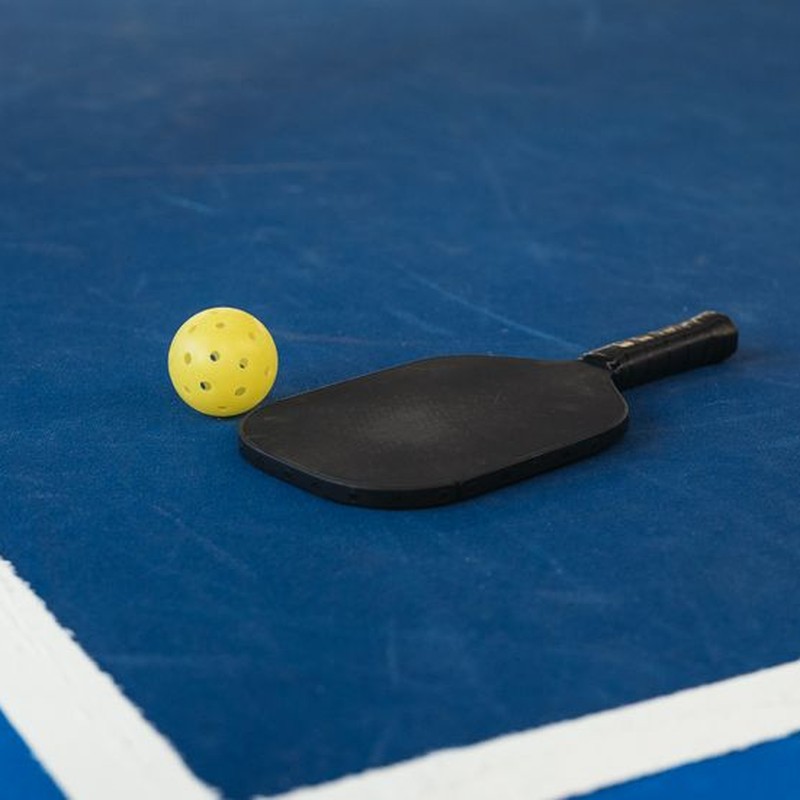
This is the clearest difference between the two, and you feel it within the first five minutes. A pickleball court is roughly a third the size of a tennis court, so there’s less ground to cover and the sprints are shorter. The rhythm is more stop-and-go: three steps in, a dink, three steps back.
Tennis asks for longer runs and more lateral movement. You chase balls into the corners, and a decent opponent will make you cover the full width of the court over and over. If jogging isn’t your thing, pickleball will feel friendlier. If you love the feeling of tracking down a lob, tennis scratches an itch pickleball can’t.
Format changes the picture too. Doubles is the default in pickleball and it keeps the intensity moderate, so you’re moving but rarely gasping. If you want the hardest cardio of the four common setups (doubles and singles in each sport), most coaches would point you to singles tennis. Treat that as a rule of thumb rather than a law. A fast doubles pickleball game against strong players can leave you just as winded.
The Skill Floor: How Fast You’ll Be Rallying
Most people can keep a pickleball rally going within a session or two. The paddle is short, the ball moves slower, and the serve is underhand and easy to repeat. That low entry cost is a big part of why the sport spread so fast.
Tennis has a steeper early curve. The serve and groundstrokes take real repetition before they groove. I’ve watched beginners spend a month just trying to keep a forehand inside the lines. That’s not a reason to skip tennis, but it is a reason to expect a longer on-ramp, and to take a lesson or two early instead of grooving bad habits for a year.
Where the Load Lands: Joints by Movement, Not Reputation
Pickleball gets called the gentle option, and that’s only half true. The ball stays low, so you spend a lot of the hour bending and squatting to scoop it up, and knees and hips take that repeated dip. Tennis adds overhead serving and a lot of trunk rotation, which loads the shoulder and the low back.
So match the sport to your history. Cranky shoulders tend to tolerate pickleball better. Knees that complain about squatting may actually prefer tennis, where you aren’t constantly dropping down to a low ball.
Cost, Access, and the Two-Week Test
Access is closer than most people assume. Municipal courts, community centers, and school gyms across the US and Canada run drop-in sessions for a few dollars, and plenty of parks have free outdoor courts for both sports. Many cities have painted pickleball lines onto existing tennis courts, so you can often play either one at the same park. Rec centers frequently lend paddles and rackets, which means you can test the waters before spending anything.
Here’s the decision rule I hand to friends: two weeks, one drop-in session of each, then commit to whichever one made the hour disappear fastest. That’s the sport you’ll still be playing next year. One friend was sure she’d hate pickleball. She now plays three mornings a week and hasn’t opened her tennis bag since spring. Another went the other way and never looked back.
Ready to buy your own gear? Check current prices on Amazon, and if you’ve already picked a side, tell me about it in the comments.
Your First Four Weeks: Gear, Warm-Up, and the Injuries Beginners Actually Get
Enthusiasm has a cost when you skip the boring parts. Most of the new players I see limping around in week three didn’t get hurt because they were unfit. They borrowed a friend’s paddle, laced up their running shoes, and played four days straight because it was fun.
Here’s what I’ve watched work, and what I’d tell a friend picking up pickleball or tennis for the first time this month.
Grip size before anything else
Start with the handle. A paddle or racquet grip that’s too small makes you squeeze harder to keep it from twisting in your hand, and that tension travels up the forearm and straight into the elbow. From running beginner clinics, I can tell you it’s the most common path to elbow pain in new players. It’s also the easiest one to close off before it starts.
You want a grip that lets your fingers wrap around with a little room to spare. If you’re between sizes, go bigger. You can add an overgrip in about two minutes for a few dollars, but you can’t shrink a handle. That’s also why replacing grip tape every couple of months matters more than it sounds. Frayed, slick tape makes you hold tighter, which recreates the exact problem you just avoided.
If you’re starting from zero, ten minutes of checking current prices on Amazon for paddles, racquets, overgrips, and court shoes will keep you from overpaying at the pro shop counter. A beginner setup doesn’t need to be expensive to be good.
Court shoes, not running shoes
Running shoes are built for forward motion. Lots of cushioning under the heel, very little lateral support, which is the opposite of what pickleball and tennis ask of you. Every dink, split step, and reach for a wide ball is a side-to-side movement, and running shoes roll over in those moments. That roll is how ankles get sprained.
Court shoes have a flatter, wider base and a reinforced upper that holds your foot when you stop. If you buy one piece of gear this month, make it the shoes.
Five minutes of warm-up, then play
Cold shoulders and stiff hips sit behind a lot of first-month aches. I do the same short routine before every session and it takes about five minutes:
- Two minutes of easy movement: a brisk walk, a light jog, or a few laps of side shuffles.
- Shoulder circles, forward and backward, ten each way.
- Leg swings, front to back and side to side, ten per leg.
- Ten bodyweight squats and a few lunges to open the hips.
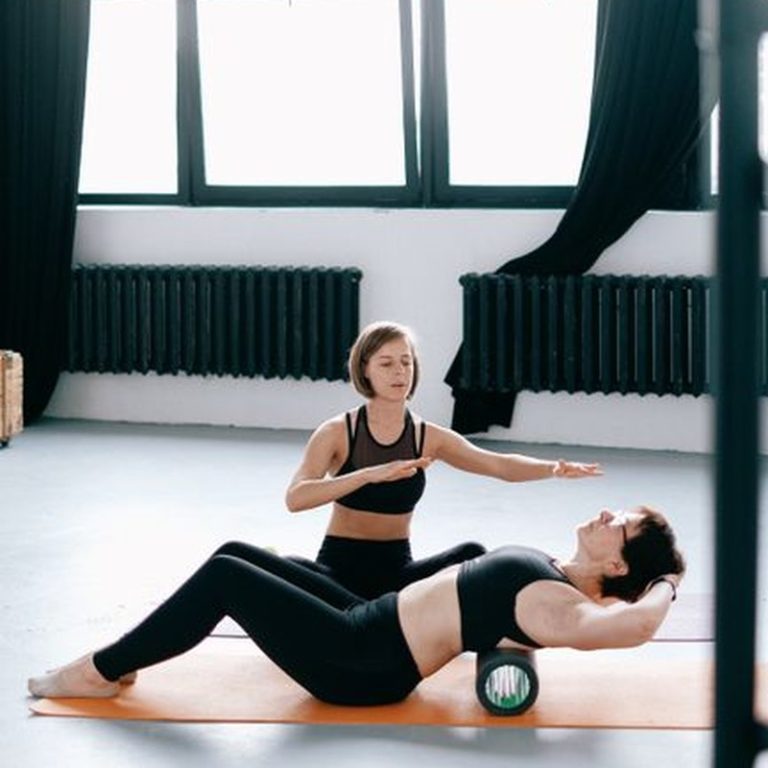
That’s it. No foam roller, no tutorial video.
Pick one shot and practice it
Beginners usually spend their first month scrambling through points they aren’t ready for. Ten focused minutes on a serve or a dink will do more for your game than an hour of chasing balls. Pick one thing per session. Maybe it’s the toss on your serve. Maybe it’s staying low through the dink. Hit it fifty times with a partner or against a wall before you play a single point.
Two short strength sessions a week
Racket sports ask your body to stop, change direction, and rotate. Two 20-minute sessions a week cover most of that:
- Goblet squats, 3 sets of 8.
- Rows, 3 sets of 10, with a band or a dumbbell.
- Calf raises, 3 sets of 15.
- Dead bugs, 3 sets of 8 per side.
Your knees, calves, and shoulders will notice by week three. Twenty minutes is enough here. This isn’t a training block, it’s insurance.
Progress by time on court, not intensity
Three 45-minute sessions a week is plenty for month one. Even if you feel like playing more, resist the urge. Tendons adapt slower than enthusiasm does, and the jump from three days to five is where the Achilles complaints show up. If you’re feeling good after four weeks, change one variable: add a fourth session, or extend to 60 minutes. Not both. Give the change two weeks before you stack another one on top.
The injuries beginners actually get
Three show up over and over. Elbow pain from gripping too hard, usually on a handle that’s too small. Ankle sprains from lateral movement in shoes that weren’t built for it. Achilles and calf tightness from going zero to five days a week. None of them are inevitable, and grip size, court shoes, and a patient first month cover all three.
The players still on court five years from now aren’t the ones who were fittest in week one. They’re the ones who showed up three times a week with gear that actually fit them.
Making It Stick: A Weekly Routine You’ll Actually Keep
The first few sessions are the easy part. A new paddle, a fresh can of balls, a friend who says yes. What separates people still playing in October from people who played four times in April is rarely motivation. It’s structure.
Anchor the session to a time and a person
A vague plan to play more pickleball loses to a work deadline every time. A standing Tuesday doubles game at 6 p.m. with a specific human doesn’t, because canceling now means sending a text. That small social cost does real work for you.
Most getting-started advice for racket sports comes down to the same two moves: pick a format, pick a partner, and repeat it instead of waiting for a perfect open-play window that never quite arrives. Two or three fixed slots a week is plenty. If you can defend only one, defend that one and let everything else flex around it.
A sample beginner week
- Two or three racket sessions of 45 to 60 minutes, ideally on non-consecutive days.
- Two strength sessions of 20 to 30 minutes.
- Easy walks on the days between, 20 to 40 minutes at a conversational pace.
- One genuine rest day with nothing scheduled.
That strength work surprises beginners. Tennis and pickleball load the shoulders, forearms, hips, and calves in ways a lifetime of walking never prepared them for. Squats, rows, push-ups, plus a plank and a set of dead bugs twice a week is enough to change how you feel on court by week six.
Track one number for the first two months
Step counts and calorie estimates are noise here. The one number that tells you whether racket sports are becoming part of your life: how many weeks in a row did I play at least twice?
Six consecutive weeks means the habit is holding. If you keep resetting at one, the problem is your schedule, not your fitness, and you can fix it by moving the anchor session.
Rotate who you play with
Plateaus in racket sports are often more of a variety problem than a talent problem. Your regular partner learns your patterns and you learn theirs, and eventually you both stop testing each other. New opponents expose the gaps you’ve been hiding: the backhand you avoid, the net game that only works against people who never lob. Book one session a month against someone you’ve never played.
Cut volume before you cut the sport
- Elbow pain that lingers past a day or two.
- Shoulder soreness that shows up before you play rather than after.
- A knee that swells following sessions.
Any of those means drop volume (fewer sessions, shorter sessions, fewer hard serves) rather than quitting. Swap a court day for a walk or a swim, keep the standing date with your partner, and give the irritated joint a couple of weeks to settle. Beginners rarely need to stop. They need to play less of the same sport.
Tell me how it goes
Drop a comment with the routine that actually held: the day, the partner, the number. And if your grip tape is shredded or your shoes have lost their tread, check current prices on Amazon before you buy so you’re comparing what’s available right now. (As an Amazon Associate, I earn from qualifying purchases.)