What’s a Healthy Body Fat Percentage? Calculate Yours
Body fat percentage gets thrown around a lot in fitness spaces. People say things like “you need to be under 10 percent” or “anything above 20 percent is unhealthy.” Both of those statements are wrong for a large chunk of the population.
Body fat percentage matters because it tells you something your scale weight cannot. Two people can weigh the same amount and look completely different because their ratio of fat to muscle is different. Knowing your body fat percentage gives you a more honest picture of where you are.
Use our free body fat calculator to estimate yours. It uses the US Navy circumference method, which is the most practical option for home use.
What the numbers actually mean
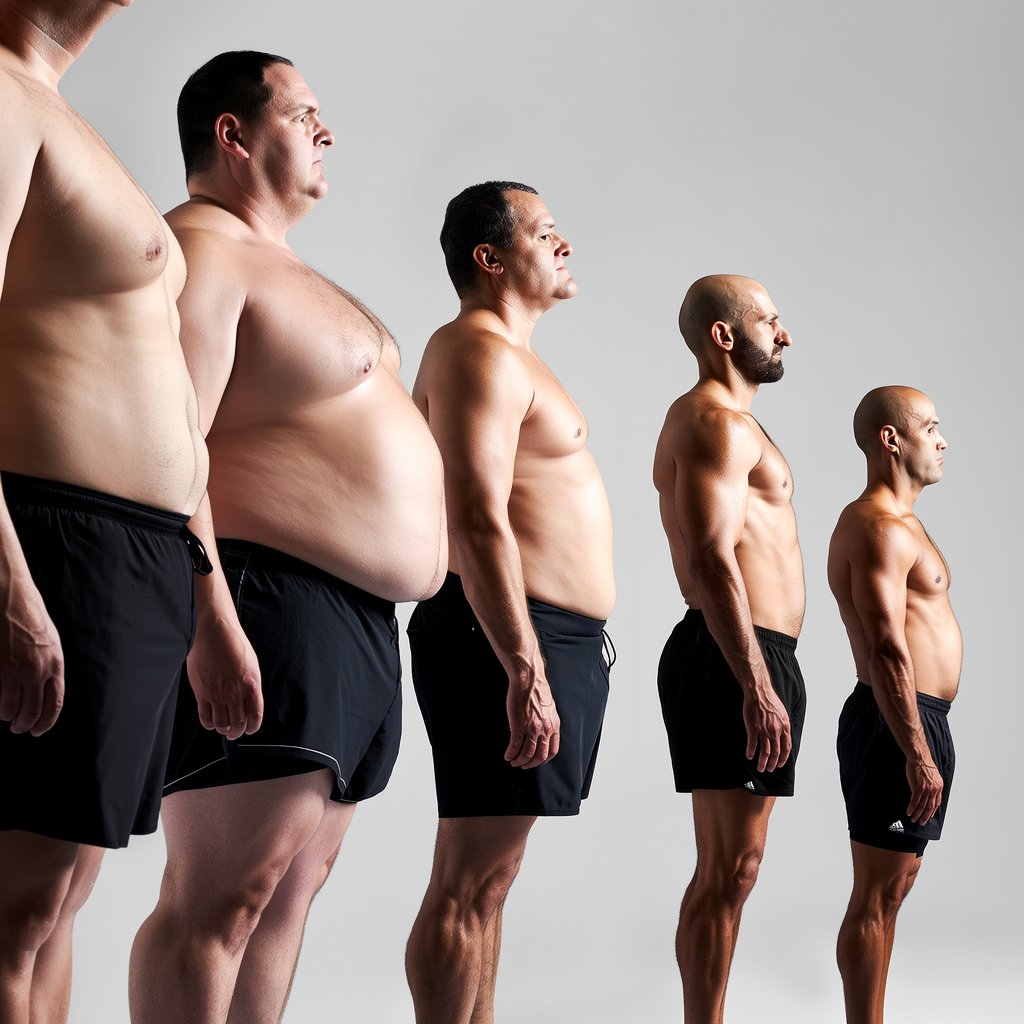
Here is a rough breakdown of body fat ranges. These are general guidelines, not hard cutoffs.
Men
- Essential fat: 2 to 5 percent — the minimum your body needs to function. Going below this is dangerous.
- Athletes: 6 to 13 percent — visible abs, clear muscle definition. Sustainable for short periods.
- Fit: 14 to 17 percent — lean but not shredded. Good health, decent definition.
- Average: 18 to 24 percent — typical range for most men. Acceptable health markers.
- Overweight: 25 percent and above — elevated risk for health issues.
Women
- Essential fat: 10 to 13 percent — minimum for health. Below this can disrupt hormones.
- Athletes: 14 to 20 percent — lean, defined, high performance.
- Fit: 21 to 24 percent — healthy and athletic. Good muscle definition.
- Average: 25 to 31 percent — typical for most women. Normal health markers.
- Overweight: 32 percent and above — increased health risk.
Women naturally carry more essential fat than men. That is not a bug, it is biology. Reproductive function requires additional body fat, so a woman at 15 percent is not the same as a man at 15 percent.
How the calculator works
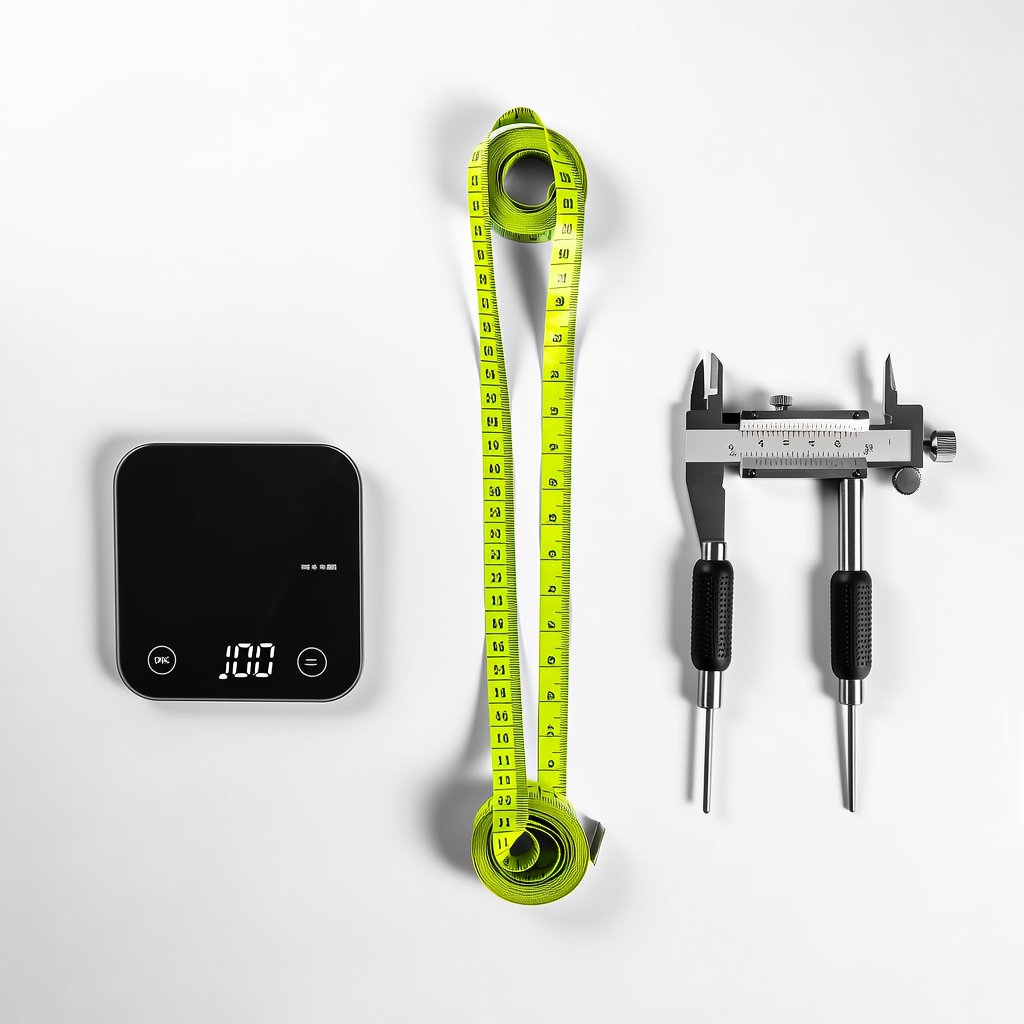
Our calculator uses the US Navy circumference method. You measure your height, neck, waist, and hips (for women), and the formula estimates your body fat based on those measurements.
It is not as accurate as a DEXA scan or hydrostatic weighing. Those methods cost money and require special equipment. But for a free home test, the circumference method is reasonably accurate, within about 3 to 4 percent of your real number.
The key is consistency. Use the same measuring method every time. Measure at the same time of day. Let the trend guide you, not the individual number.
Why the scale lies to you
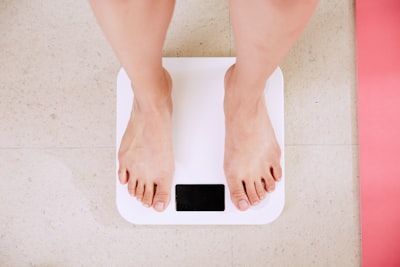
The scale tells you your total weight. It does not tell you whether you lost fat or muscle. If you are dieting and exercising, you might lose 5 pounds of fat but gain 3 pounds of muscle, and the scale only shows a 2-pound loss. That can be discouraging if you do not have the full picture.
Body fat percentage gives you the missing piece. If your percentage is dropping but your weight is stable, you are replacing fat with muscle, which is exactly what you want.
This is especially relevant if you are in a calorie deficit. Without tracking body composition, you cannot tell if the weight you are losing is fat or muscle.
Limitations you should know about

Body fat measurements are useful as a trend, not an absolute truth. Your hydration level, the time of day, and who takes the measurements all affect the result.
A few practical tips:
- Measure first thing in the morning before eating or drinking.
- Use the same tape measure every time.
- Do not compare your number to a pro bodybuilder or Instagram influencer. Their numbers are often measured differently or at a specific point in a competition prep.
Pair your body fat tracking with how your clothes fit and how you feel. If your pants are looser and your energy is good, you are moving in the right direction, regardless of what the calculator says.
FAQs
What is the most accurate way to measure body fat?
DEXA scans and hydrostatic weighing are the most accurate. For home use, the US Navy circumference method is the best free option. Bioelectrical impedance scales are less reliable.
Can I lower my body fat in specific areas?
Spot reduction is not real. You cannot choose where you lose fat. The only way to lower body fat is a consistent calorie deficit over time. Our fat loss guide covers the whole process.
How fast can I safely lower my body fat?
0.5 to 1 percent per month is a healthy rate. Faster than that usually means you are losing muscle or compromising your health.
Does body fat percentage change with age?
It tends to creep up as you age, mostly because muscle mass decreases. Strength training can offset most of this.
Should I use body fat percentage or BMI?
Body fat percentage is more useful for individuals who exercise. BMI works better as a population-level screening tool and can misclassify athletic people as overweight.
Medical & Editorial Review: This article was reviewed by Liam Smith, founder of Apexfito, for accuracy and safety. Content is for educational purposes and is not a substitute for professional medical advice. Consult your physician before starting any exercise or nutrition program.