The Truth About Spot Reduction:
Why Crunches Won’t Make Your Belly Fat Disappear

Imagine doing 960 crunches a week for six weeks. That’s 137 a day. Would your belly fat vanish? A 2013 study in the Journal of Strength and Conditioning Research tested exactly that. The result: no significant reduction in belly fat compared to people who did zero ab work. The crunches strengthened the muscles underneath, but the fat on top stayed put.
This is the myth of spot reduction — the idea that exercising a specific body part will burn fat from that area. Decades of research show it’s false. Here’s why: when you work out, your body releases fatty acids from fat cells all over, not just the ones near the contracting muscle. Those fatty acids enter your bloodstream and get shipped wherever they’re needed for energy. Your body decides where to pull from based on genetics, hormones, and your unique physiology — not which muscle group you’re training.
So why does belly fat seem so stubborn? For most men, fat tends to accumulate first in the abdominal area. For women, it’s often the hips and thighs. This is largely determined by genetics and hormones like cortisol and estrogen. When you lose weight, your body decides where to pull from based on these same factors. You can’t override that by hammering one area with endless crunches.
What actually works? A calorie deficit — eating fewer calories than you burn — combined with full-body strength training and consistent cardio. That’s what forces your body to tap into fat stores everywhere, including your belly. Compound lifts like squats, deadlifts, and presses build muscle and boost your metabolism more effectively than any isolation exercise. And yes, you should still train your abs — strong core muscles improve posture, stability, and performance. But don’t expect them to melt belly fat.
If you’re serious about losing fat, focus on the big picture: eat in a slight deficit, lift heavy, move daily, and be patient. Your body will lose fat in its own order. For most people, the belly is the last place to slim down, but it will happen if you stay consistent.
Have you tried spot reduction or found a strategy that actually worked for your stubborn areas? Drop your experience in the comments. And if you’re looking for tools to help track your progress or find the right equipment, check current prices on Amazon to see what fits your budget.
How Fat Loss Actually Works: The Whole-Body Game

Doing hundreds of crunches will not burn the fat off your belly. I’ve had clients come to me frustrated after weeks of ab circuits, wondering why their waistline hasn’t budged. The answer lies in basic physiology — and once you understand it, you’ll stop wasting time on exercises that can’t deliver what they promise.
Fat loss is a whole-body process. Period. When you’re in a calorie deficit — burning more energy than you consume — your body taps into its fat stores for fuel. But it doesn’t ask your permission about where to pull from. It draws from fat cells all over, not just the ones near the muscles you’re working.
Think of your fat stores like a shared bank account. Doing crunches is like writing a check specifically for your belly — but the bank doesn’t care which account you label; it pulls from the total balance. You can’t earmark fat for withdrawal from one spot.
Why Spot Reduction Is a Myth
Research has debunked spot reduction repeatedly. A 2013 study had participants do 7 sets of 10 reps of leg presses, 3 days a week for 12 weeks. They measured fat in the working leg and the non-working leg. Both lost the same amount of fat. The exercise didn’t target fat loss in the trained leg — it just burned calories overall.
Another study looked at abdominal exercises specifically. Participants did 5,000 crunches a week for 6 weeks. Result: no significant reduction in belly fat compared to a control group. Their abs got stronger, but the fat stayed put.
So why does this myth persist? Because ab work can tighten and strengthen the muscles underneath, which may improve posture and make your midsection look firmer. But that’s not fat loss — it’s muscle tone. If you have a layer of belly fat covering those muscles, no amount of crunches will reveal a six-pack.
Hormones: The Storage Directors
Your hormones play a big role in where fat tends to accumulate. Insulin, cortisol, estrogen, and testosterone all influence fat storage patterns. High cortisol from chronic stress can encourage belly fat storage. Insulin resistance can make it harder to mobilize fat from the midsection.
But here’s the kicker: you can’t control where your body releases fat from. Even if you lower cortisol or improve insulin sensitivity, the fat that leaves first is determined by genetics and your individual fat cell distribution. Some people lose weight from their face first, others from their hips. You don’t get a vote.
What Actually Works
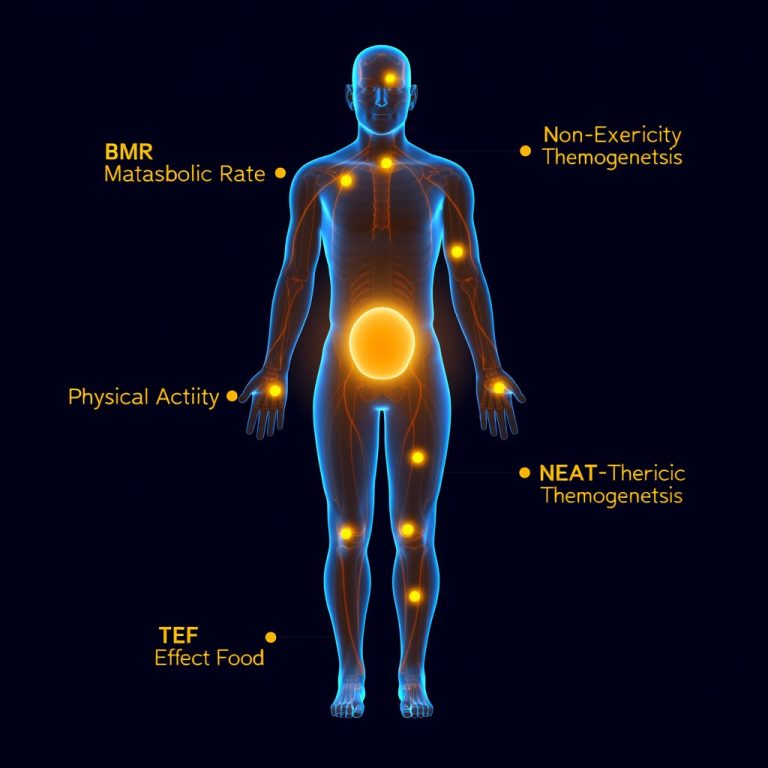
The only way to reduce belly fat is to reduce overall body fat. That means creating a consistent calorie deficit through nutrition and total daily activity. Not just exercise — your non-exercise activity thermogenesis (NEAT) matters more than most people realize. Walking more, standing instead of sitting, taking the stairs — these add up.
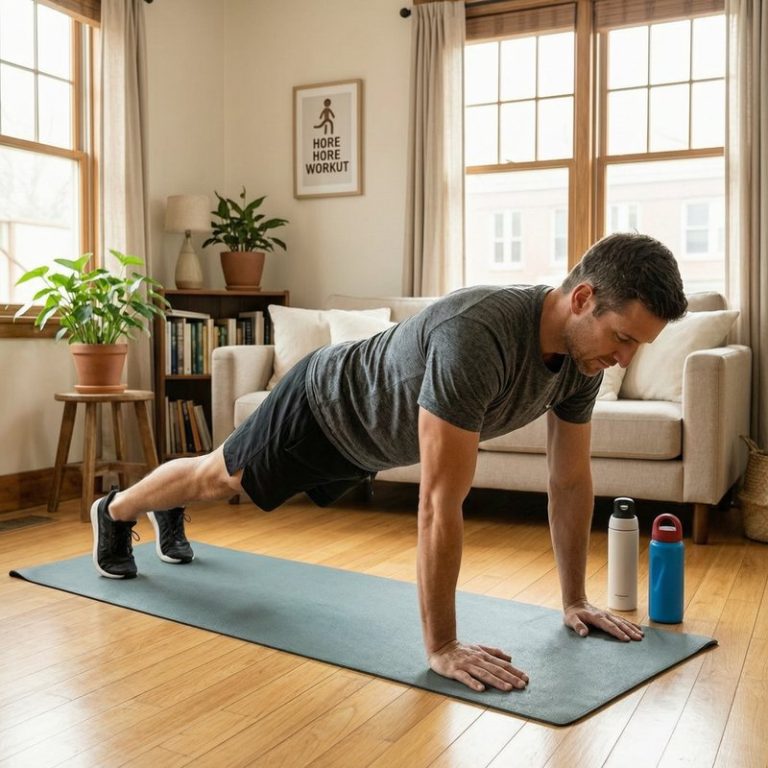
Strength training helps preserve muscle mass while you lose fat, which keeps your metabolism humming. Full-body compound movements like squats, deadlifts, and push-ups burn more calories per minute than isolation exercises like crunches. And they build functional strength that makes daily life easier.
Here’s a practical takeaway: instead of doing 100 crunches, spend that time on a 20-minute walk. Or do 3 sets of squats and push-ups. You’ll burn more calories, stimulate more muscle, and actually move toward fat loss. Track your food for a week to see where you can create a 300-500 calorie deficit without feeling deprived.
Consistency beats intensity. A moderate deficit maintained over months will shrink your fat stores everywhere — including your belly. There’s no shortcut, no special exercise, no magic food. Just the boring, reliable math of energy balance.
If you’re tired of chasing spot reduction gimmicks, check current prices on Amazon for a simple food scale and a step counter. Those tools will do more for your belly fat than any ab gadget ever will. And drop a comment below — have you tried spot reduction before? What happened?
What Does Work for a Leaner Midsection

So if crunches aren’t the answer, what is? After digging through the research and coaching dozens of clients, here’s the real formula for a leaner midsection — and it’s not one magic move.
1. Calorie Deficit + NEAT
Fat loss happens when you burn more calories than you eat. That’s not hype, it’s thermodynamics. But you don’t need to suffer on a treadmill for hours. The secret weapon most people overlook is NEAT — non-exercise activity thermogenesis. That’s just a fancy term for all the moving you do outside the gym: walking to the bus, standing while you work, fidgeting at your desk.
I had a client who added 8,000 steps a day just by parking farther from the grocery store and taking phone calls on foot. Over three months, his waist dropped two inches — no extra gym time. Aim for 8,000–12,000 steps daily. It’s low effort, high return.
2. Heavy Compound Lifts
Building muscle everywhere raises your resting metabolism. Squats, deadlifts, rows, and presses force your body to burn more calories at rest. A 2012 study in the Journal of Applied Physiology found that resistance training increases resting energy expenditure for up to 48 hours post-workout. That’s more than any ab circuit will give you.
I’ve seen guys who never did a single crunch get visible abs just from deadlifting twice a week and staying in a deficit. The muscle you build on your back, legs, and chest creates a leaner look overall — and your midsection gets the benefit.
3. HIIT Over Steady State
High-intensity interval training (HIIT) — short bursts of all-out effort followed by rest — seems to target visceral fat more effectively than steady-state cardio. A 2018 meta-analysis in Sports Medicine showed HIIT reduced visceral fat by about 1.5 cm more than moderate-intensity continuous training, even when total calorie burn was matched.
Try this: after your warm-up, sprint for 30 seconds, then walk for 90 seconds. Repeat 6–8 times. Three sessions a week is plenty. It’s quick, it’s brutal, and it works.
4. Sleep and Stress Management
This is the part most people skip. Poor sleep and chronic stress raise cortisol, a hormone that tells your body to store fat in the belly. A 2015 study in Obesity found that people who slept less than 6 hours a night had significantly more visceral fat than those who slept 7–9 hours.
I used to think I could power through on 5 hours of sleep and still lean out. I was wrong. Once I prioritized 7.5 hours and added a 10-minute wind-down routine (no screens, deep breathing), my waist measurement started dropping again. If you’re stuck, look at your sleep first.
5. Ab Exercises (Yes, Do Them)
Here’s the twist: ab exercises do matter — just not for fat loss. They build the muscle underneath. When your body fat drops, that muscle shows. So keep doing planks, leg raises, and cable crunches. Just don’t expect them to burn belly fat directly.
Think of it like this: you can’t shovel snow off one spot of your driveway while leaving the rest untouched. But if you clear the whole driveway (lose overall fat), the muscle you built underneath will be visible. That’s why I still program ab work for every client — but only after we’ve nailed the big stuff.
Try this: twice a week, after your main lifts, do 3 sets of 15–20 reps of a weighted ab exercise (like a cable crunch or weighted sit-up). It’ll build thickness and definition.
Putting It All Together
Here’s a sample week that actually works:
- Monday: Full-body strength (squats, bench, rows) + 20 min HIIT
- Tuesday: 10,000 steps, 7.5 hours sleep
- Wednesday: Full-body strength (deadlifts, overhead press, pull-ups) + ab work
- Thursday: 10,000 steps, 7.5 hours sleep
- Friday: Full-body strength (lunges, incline press, face pulls) + 20 min HIIT
- Saturday: 10,000 steps, ab work
- Sunday: Rest, stretch, sleep
No spot reduction needed. Just consistent work across diet, movement, and recovery.
If you’re ready to build a leaner midsection, start with one change this week — add 2,000 more steps daily or swap one soda for water. Small shifts add up. Share your experience in the comments — what’s worked for you? And if you want to gear up, check current prices on Amazon for a foam roller or resistance bands to support your routine.
Your Action Plan: Lose Fat and Build Visible Abs
You now know spot reduction is a myth. Visible abs come from lowering overall body fat while building the muscles underneath. Here’s a straightforward, science-backed plan to make that happen.
Step 1: Get Your Calories in Check
You can’t out-train a bad diet. For fat loss, you need a consistent calorie deficit. Start by tracking everything you eat for two weeks using an app like MyFitnessPal. This gives you a clear picture of your maintenance calories — the amount you need to stay the same weight. Then, subtract 300–500 calories per day. That’s your target for steady, sustainable fat loss. Don’t slash more than that; aggressive cuts backfire by tanking your metabolism and making you miserable.
Step 2: Lift Weights Three to Four Times a Week
Resistance training preserves muscle while you lose fat, and more muscle means a higher resting metabolism. Focus on compound lifts that work multiple joints: deadlifts, push-ups, rows, squats, and overhead presses. Do three to four full-body sessions per week. Each workout should include one pushing movement, one pulling movement, and one leg-dominant exercise. Aim for 3 sets of 8–12 reps per exercise, resting 60–90 seconds between sets. If you’re new to lifting, start with two sessions per week and gradually work up to three or four as you build confidence and consistency.
Step 3: Add High-Intensity Intervals
HIIT is efficient for burning calories and improving cardiovascular health. Do two to three sessions per week. A simple protocol: warm up for 5 minutes, then sprint for 20 seconds, rest for 40 seconds, and repeat that cycle 8 times. Cool down for 5 minutes. That’s a 17-minute workout. You can do this on a bike, rower, or even outside. I’ve found that doing HIIT after a strength session works well — you’re already warmed up and it keeps the total workout under an hour.
Step 4: Train Your Abs with Progressive Overload
Your abs are muscles like any other. They need progressive overload to grow. Train them two to three times per week. Instead of endless crunches, choose weighted exercises: cable crunches, hanging leg raises, or weighted planks. Add weight or reps over time. For example, if you can do 3 sets of 12 cable crunches with 50 pounds, bump it to 55 pounds next week. This builds the muscle that will show once the fat is gone.
Step 5: Prioritize Sleep and Stress Management
Poor sleep and high stress raise cortisol, a hormone that encourages fat storage, especially in the belly. Aim for 7–9 hours of quality sleep each night. For stress, find what works for you — a 10-minute walk, meditation, or a hobby that gets you off screens. I personally use a simple breathing exercise before bed: inhale for 4 seconds, hold for 4, exhale for 6. It helps lower my heart rate and improves sleep quality.
Tools to Get Started
To make this plan easier, consider picking up a few basics: a food scale for accurate tracking, a jump rope for HIIT, and resistance bands for home workouts. Check current prices on Amazon for these items. And once you’ve tried this approach for a few weeks, share your experience in the comments below. I want to know what worked for you and what didn’t.
Medical & Editorial Review: This article was reviewed by Liam Smith, founder of Apexfito, for accuracy and safety. Content is for educational purposes and is not a substitute for professional medical advice. Consult your physician before starting any exercise or nutrition program.