Hot vs. Cold for Muscle Recovery: Which One Actually Helps, and When to Use Each
Full disclosure: Some links in this article are affiliate links. We may earn a small commission at no extra cost to you if you make a purchase through them. Our recommendations are based on what real users report, not on commission size.
What a Cold Plunge Actually Does After a Hard Session
I watched a guy at my gym lower himself into a 45-degree tub and stay there for eighteen minutes after a squat session, shivering hard enough that he couldn’t hold his phone steady. He told anyone within earshot it was the only reason he’d be able to walk the next day. Maybe he was right. But what he felt and what was happening inside his quads were two separate processes, and almost nobody separates them.
Cold water does something real and nearly immediate: it narrows the blood vessels near your skin and in the muscle you just worked. That vasoconstriction slows the swelling and fluid movement that peaks somewhere between 24 and 48 hours after a brutal leg day. Less fluid pooling around the tissue means less of that heavy, puffy, my-thighs-are-stuffed-with-wet-sand feeling.
That’s the mechanical part. The bigger part is neurological.
Cold slows how fast your nerves carry signals. When you drop into water that steals your breath, the soreness signals your tissue is sending get quieter and slower, and your brain registers less pain. That drop in perceived pain is where most of the relief lives. Your muscle fibers are not rebuilding any quicker because you spent twelve minutes in 50-degree water. Protein synthesis doesn’t spike from shivering. Nothing about sitting in a cold tub accelerates tissue repair.
Which gives you the honest framing: a plunge is a comfort and function tool, not a repair tool. It can make you feel better and move better for the next day. It does not make you heal faster.
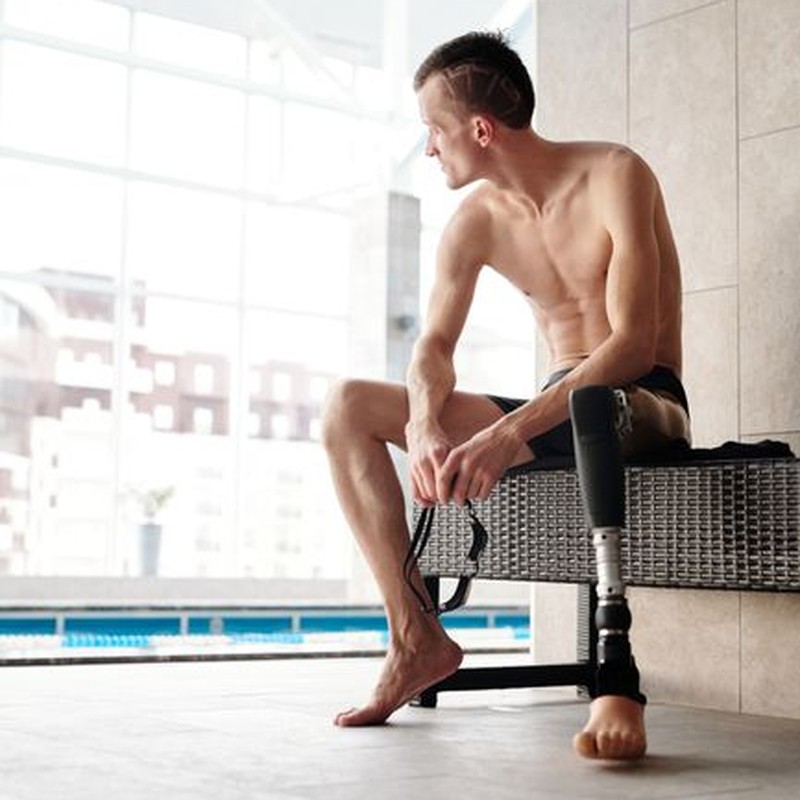

What a practical cold session looks like
A typical plunge runs 10 to 15 minutes in water cold enough to steal your breath, usually somewhere in the 50s Fahrenheit. You don’t need a $5,000 branded tub to get there. Two bags of ice dumped into a standard bathtub puts you in range. A cold shower with 60 to 90 seconds on full cold does a decent job too, and it costs you nothing but a little dignity. If you’re pricing out tubs or a chest freezer conversion, check current Amazon prices before you commit to a serious spend. This is a category where the markup for a logo is steep.
Whatever route you take, have a towel, dry clothes, and a warm room waiting. Standing in a cold garage shivering for ten minutes after you get out undoes the point.
The timing mistake almost everyone makes
This is the one thing I’d change if I could only change one.
Cold immediately after heavy lifting may blunt the muscle-building signal you just trained for. The inflammation and blood flow that follow a hard session aren’t just damage. They’re part of the adaptation process. Douse that with cold right away and you can dampen the very thing you lifted for. If size and strength are your priorities, push the cold exposure to a rest day, or at minimum several hours after you rack the bar.
If you’re in-season, training twice a day, or prepping for a competition where tomorrow’s performance matters more than long-term growth, the tradeoff flips and an immediate plunge makes sense. Context decides. There’s no universal rule, only your calendar.
When to skip it entirely
A recent GQ piece on hot versus cold exposure (published October 5, 2026) framed this as a head-to-head contest, and that framing misses how individual the answer is. Cold isn’t neutral for everyone. Raynaud’s, uncontrolled blood pressure, and any heart condition are reasons to talk to a doctor before you get in. So is plunging alone with no fast way to warm up afterward. Hypothermia doesn’t care how fit you are, and it doesn’t announce itself before it hits.
One more data point worth noticing: search interest in “cold plunge” over the past year has been flat. The recent 30-day average sat at 38.5 against a 12-month average of 57.3. Read that however you like, but it doesn’t look like a runaway trend. It looks like the people who bought in are staying in, and the fence-sitters are still on the fence.
So use cold when you want to feel better and perform sooner. Treat it as a tool for managing symptoms, not a shortcut to rebuilding tissue. And if you’re sore with nothing on the schedule tomorrow, ask yourself whether you actually need the tub, or whether you just need to eat, sleep, and train again.
Where Heat Earns Its Keep, and Where It Doesn’t
Cold gets the highlight reel. Heat quietly does half the work, and for a lot of athletes it’s the option they actually stick with, mostly because sitting in a warm tub feels like a reward instead of a punishment. That compliance advantage matters more than people admit. The best recovery tool is the one you’ll actually use on a Tuesday night in February.
Here’s what heat is doing under the skin. It widens your blood vessels and ramps up local circulation. That extra blood flow doesn’t repair muscle fibers. Nothing does, except time, food, and sleep. What it does do is loosen stiff connective tissue and take the edge off that locked-up, rusty feeling you get the morning after a heavy squat session. If you’ve shuffled to the bathroom at 7 a.m. with hamstrings that felt two inches too short, ten minutes in a hot tub is the difference between walking normally and waddling down the hallway.
The GQ piece from October 2026 that framed this whole hot-versus-cold conversation made a similar point: the two modalities aren’t competing for the same job. Cold is a brake pedal. Heat is a lubricant. You don’t swap them for each other, and you definitely don’t stack them back to back and hope something good happens.
What a Sauna Actually Does for You
A 15 to 20 minute sauna session is a nervous-system downshift as much as it is a muscle treatment. Your heart rate climbs, your blood vessels open up, and then comes the part people undersell: your body drops into a calmer state for the next few hours. Most of the regular sauna users I talk to at my gym say the same thing without prompting. They sleep harder on sauna nights.
That’s the real payoff. Sleep is where the bulk of actual tissue repair happens. No supplement, no plunge, no compression boot beats seven to nine hours of genuine sleep. If heat gets you there, heat is doing more for your recovery than anything you could buy in a tub.
Search interest in sauna has held roughly flat in the US over the past year rather than spiking and fading, which says people aren’t treating this as a fad. It’s been a recovery staple in Finland for centuries for obvious reasons.
My own setup, for what it’s worth: sauna or a hot bath about 90 minutes to two hours before bed, quick shower, then straight into a dark room. I sleep noticeably deeper on those nights than on nights I skip it. That’s one person’s experience and not a study, but the mechanism is easy to follow. Heat exposure followed by cooling off mimics the natural temperature drop your body uses to signal that it’s time to shut down.
When Heat Backfires
This is where people get themselves in trouble. Do not put heat on a fresh injury, a swollen joint, or a muscle that’s hot to the touch within the first day or two. You’ll feed the swelling instead of calming it. A rolled ankle from Tuesday’s pickup game does not want a hot soak on Tuesday night. It wants elevation, ice, and compression until the acute inflammatory phase settles down.
The same logic applies to any joint that’s puffy and warm. A flare-up in your knee, a banged-up elbow, a shoulder that’s visibly swollen. Heat on top of active inflammation is a log on a fire you’re trying to smother.
One more thing that gets ignored: saunas and hot tubs pull fluid and electrolytes out of you through sweat. Drink water with a pinch of salt before and after. Leave the beer for another night. Alcohol right after a sauna is a dehydration double-team, and it wrecks the sleep you were trying to improve in the first place.
The Trap of Using Heat as a Bandage
Heat won’t fix a knot that’s really a strength or mobility problem. If your hamstring has felt tight for three months, a sauna is a warm bandage, not a solution. Same story with that perpetually locked-up upper back, or the hip that clicks every time you stand up from a chair. Those are usually load, weakness, or range-of-motion issues wearing a tightness costume.
Fifteen minutes of heat might buy you temporary relief. The tissue will feel exactly the same tomorrow until you address what’s actually causing it. That means progressive strength work, targeted mobility, or both, depending on what a qualified coach or physical therapist finds. Heat is the assist here, not the fix.
Quick rule set to keep it straight:
- Use heat for: general stiffness, chronic tightness that isn’t painful or hot to the touch, pre-workout joint warm-up, and evening wind-down before sleep.
- Skip heat for: anything swollen, hot, or injured within the last 48 hours, plus any acute flare-up in a joint.
- Pair it with movement: ten minutes of heat followed by five minutes of gentle stretching or a mobility drill beats heat alone every time.
- Hydrate: water with a pinch of salt before and after. No exceptions if you’re sweating hard for 20 minutes straight.
- Cap it: 15 to 20 minutes for sauna sessions is plenty. Longer isn’t better, it’s just more dehydration.
Heat is a tool with a specific job. It softens. It relaxes. It helps you sleep. It does not heal a torn muscle, and it does not replace the boring stuff: protein, sleep, and smart training loads. Treat it like the assist it is and those 20 minutes will pay you back.
If you’re weighing a sauna blanket, a hot tub, or a gym membership that includes either, it’s worth pricing a few options on Amazon before you commit, since the range is wide and the cheap versions usually run cool. If you’ve already got a setup at home, drop a comment and tell everyone what’s worked for you.
Which One You Need Depends on What’s Next on Your Calendar
I’ve taken an ice bath after a heavy squat day because an influencer swore it was non-negotiable. I’ve also sat in a sauna for twenty minutes after a long run and walked out feeling rebuilt. Same sore legs, two different answers. What actually decided it wasn’t which modality is better — it was what I needed in the next 24 hours.
So ask yourself one question before you fill the tub or crank up the sauna: do I need to perform tomorrow, or do I need to adapt over the next month? Performance points to cold. Adaptation points to heat, food, and sleep.
Here’s how that shakes out in real life.
Back-to-back games, a meet tomorrow, or a two-a-day: go cold, and keep it short
When you have to do it again within 24 hours, cold does its job. Cold water narrows blood vessels, which limits swelling and inflammation, and it dulls nerve endings so soreness sits further in the background. That’s a comfort and function play — you’re buying a better tomorrow, not a bigger squat six months from now.
Most people land somewhere in the 5-to-15-minute range at roughly 50-59°F (10-15°C). If you’ve never done it, start at 2-3 minutes and add time as you adjust. A 10-minute cold shower after a Saturday doubleheader leaves me noticeably less stiff on Sunday. It has never once made me stronger over a season, and I’ve stopped expecting it to.
One caution for anyone chasing size: cold water right after lifting may blunt part of the muscle-building signal. If growth is the goal this month, save the plunge for the days that genuinely require it.
Mid-hypertrophy block: heat, walking, food, and sleep beat an ice bath most weeks
If you’re trying to add muscle, your recovery list is boring and it works: enough protein, 7-9 hours of sleep, a walk after meals, easy movement on rest days. A sauna or hot bath can help you feel looser and calmer, but it isn’t driving growth. Dinner and bedtime are.
Cold still has a place here, just a narrow one. Use it before a competition or a back-to-back training day — anything you have to show up for. Otherwise skip it and put those 15 minutes toward eating and sleeping.
Chronic tightness, desk-job stiffness, and lousy sleep: heat, especially at night
If your hips and shoulders feel like rusty hinges by 4 p.m., heat usually wins. A hot bath, a sauna session, or a heating pad on your upper back loosens tense tissue, boosts circulation, and nudges your nervous system toward rest-and-digest mode — which is exactly where you want to be an hour before bed.
I do a 15-minute hot bath on Sunday nights. It’s less protocol than ritual, and it helps me sleep and start the week less creaky. A cold plunge at 9 p.m. would just wake me up.
Hard session followed by a rest day: contrast work is the fun wildcard
When today was brutal and tomorrow is off, you have room to play. Contrast therapy — alternating hot and cold — feels fantastic. Three minutes hot, one minute cold, repeated three or four times, and most people walk away refreshed and less achy.
The catch is that the evidence for contrast beating heat or cold on its own is thin. It reliably changes how you feel; it doesn’t clearly speed up repair. Treat it as a preference, not a protocol.
What the GQ piece got right
GQ ran a piece in October 2026 framing this as a straight hot-versus-cold question. The honest answer is that neither one is magic. What they mainly change is how you feel and how well you can train tomorrow. That’s not nothing — feeling better makes it easier to train hard and train often — but ice baths won’t melt fat and saunas won’t add ten pounds of muscle.
Search interest backs up that lukewarm reception. Google Trends data over the past year shows “cold plunge” and “sauna” both sitting flat in the US. People are curious, not converted. That matches what I see in gyms: loud hype, modest benefits, very specific situations.
A quick decision framework
Here’s the cheat sheet I hand to clients:
- Game or meet tomorrow? Cold plunge or cold shower, 5-15 minutes, kept short.
- Mid-hypertrophy block, no competition coming? Skip the ice bath. Prioritize protein, sleep, and maybe a sauna to relax.
- Chronic stiffness or poor sleep? Heat in the evening — hot bath, sauna, or heating pad.
- Hard workout today, rest day tomorrow? Contrast work if you enjoy it. Otherwise pick whichever one you’ll actually stick with.
- Not sure? Look at the next 24 hours. Performing tomorrow? Go cold. Recovering and winding down? Go hot.
Don’t overcomplicate this. I’ve watched people spend hundreds on a plunge tub and then short themselves on protein and sleep for weeks. If you’re going to buy gear, check current prices on Amazon and read the reviews carefully — but the best recovery tool is the one you’ll actually use consistently. If you’ve got a hot-cold routine that works, drop it in the comments. I’m more curious about what people do on a Tuesday night than what happens in a lab.
Building a Weekly Recovery Routine That Doesn’t Cost a Fortune
Most recovery routines fall apart in the same spot. People start with gear. They buy the tub, the chiller, the sauna blanket, and skip everything that actually rebuilds tissue. I’ve watched guys drop four hundred dollars on a cold plunge setup while sleeping five hours a night. That isn’t recovery. That’s a hobby with a hose.
So start here, in this order:
- Sleep seven to nine hours. Your biggest recovery tool, and it’s free.
- Protein at every meal. A palm-sized portion at breakfast, lunch, and dinner. Your body can’t rebuild what it doesn’t have bricks for.
- Enough total calories to grow. Eating in a steep deficit while training hard means fighting yourself.
- A ten to fifteen minute walk after dinner. Easy blood flow, better sleep, zero cost.
- One full rest day a week. Not an easy day that’s secretly a workout. A day off.
Cold and heat sit in the last five percent. Seasoning, not the meal. If you’re underslept and underfed, no ice bath on earth saves your Tuesday session. Run the boring stuff for three weeks before you spend a dollar on temperature.
Timing matters more than temperature
GQ ran a piece in early October 2026 on hot versus cold exposure that framed the split clearly: cold does an acute, temporary job on inflammation and soreness, while heat works on blood flow and how pliable your tissue feels. Those aren’t competing claims. They’re different tools for different moments.
Here’s where people trip. If muscle growth is the goal, don’t climb into an ice bath the second you rack the bar after a hard hypertrophy session. Cold right away can blunt some of the signaling you just trained for. Wait a few hours, or push it to the next morning. You still get the soreness relief when it’s useful, and you skip a trade-off you didn’t need to pay.
A workable week:
- Monday: light or skill work. Hot shower at night if the weekend left you stiff.
- Tuesday: hardest session of the week. Ice bath three to six hours later, or Wednesday morning before breakfast.
- Wednesday: easy cardio or mobility. Sauna or a hot bath if you have access.
- Thursday: moderate training. Nothing extra needed.
- Friday: second hard session, kept shorter. Sixty to ninety seconds of full cold at the end of your shower if you’re beat up.
- Saturday: longer or more fun session. Hot bath with Epsom salt that night.
- Sunday: full rest. Walk, eat, sleep, repeat.
The hardest session gets the cold, and it gets it later. Same dose, better placement, fewer trade-offs. That’s the entire trick, and it costs nothing.
Cheap versions of both
Apartment-friendly options exist on each side. A cold shower finishing with sixty to ninety seconds on full cold does a reasonable impression of a plunge for a beginner. A hot bath with a couple cups of Epsom salt covers the heat side. A gym sauna works if yours has one.
Want the real thing? An inflatable tub plus two bags of ice from the gas station runs about ten dollars. I ran that setup for a month, cold showers on hard days and hot baths on easy ones. The hot bath was the one I kept. Cost me maybe thirty bucks total to find out.
If you buy gear, check current prices on Amazon before you commit. Google Trends shows interest in both cold plunge and sauna sitting roughly flat over the past year, so there’s no rush and no shortage. A five-dollar bag of ice in your own bathtub does roughly what a several-thousand-dollar chiller does on day one. Upgrade once you know you’ll use it four times a week for two months straight. Not before.
Now the part that actually changes outcomes. Which one did you stick with for a full month, cold or hot? Drop a comment and tell us. Consistency is the only variable that reliably moves the needle, and hearing what real people kept doing after the novelty wore off beats another round of arguing about temperature. Check current prices on Amazon, start with what you already own, and pick the one you’ll still do in February.