Bone Density Isn’t Just an Older-Adult Problem: When to Start Caring
Full disclosure: Some links in this article are affiliate links. We may earn a small commission at no extra cost to you if you make a purchase through them. Our recommendations are based on what real users report, not on commission size.
The Bone Loss Timeline Most Women Get Wrong
Most women I talk to have a clear mental timeline for bone health: it’s a post-menopause problem, filed next to hot flashes and night sweats. Before that, they figure they’re fine.
That assumption is wrong, and it quietly costs women decades of prevention they never get back.
Bone is living tissue. Cells called osteoclasts break it down, and cells called osteoblasts rebuild it. Through your 20s and early 30s, the rebuild usually outpaces the breakdown, which is why those years are your peak bone-building window. After that, the balance tips. You can slow the decline. You can’t fully undo it.
Real Simple reported in October 2026 that experts say women should start paying attention to bone density much earlier than older adulthood. That matches what I see coaching women in their 30s and 40s. The ones who lift consistently, eat enough protein, and track their cycles tend to hit their 50s in better shape. The ones who wait for a DEXA scan to flag osteopenia are already several steps behind.
Estrogen gets most of the credit for protecting bone, and it earns it. But it isn’t the only variable. Nutrition, loading exercise, and menstrual health all shape bone mass long before menopause. If you’re under-eating, over-training, or missing periods for months, your bones can suffer even with normal estrogen levels. I’ve worked with clients in their late 20s who picked up stress fractures and assumed bone loss was a ‘mom problem.’
Google Trends data shows search interest in ‘bone density’ stayed flat and low in the US over the past year. Searches creep up around menopause, which is exactly when the leverage is lowest. Plenty of people simply aren’t thinking about it yet.
So what does early attention actually look like? Nothing exotic:
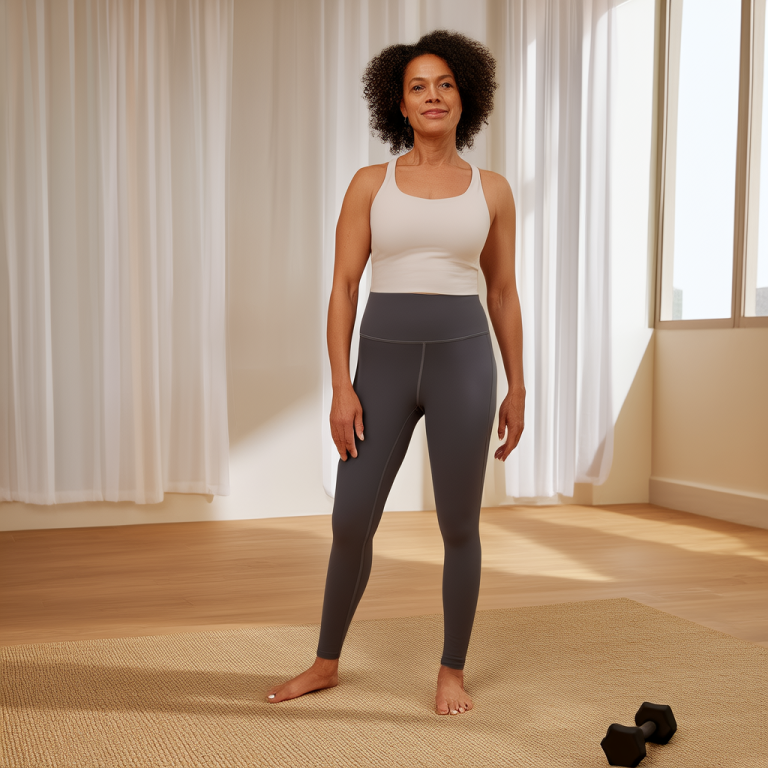
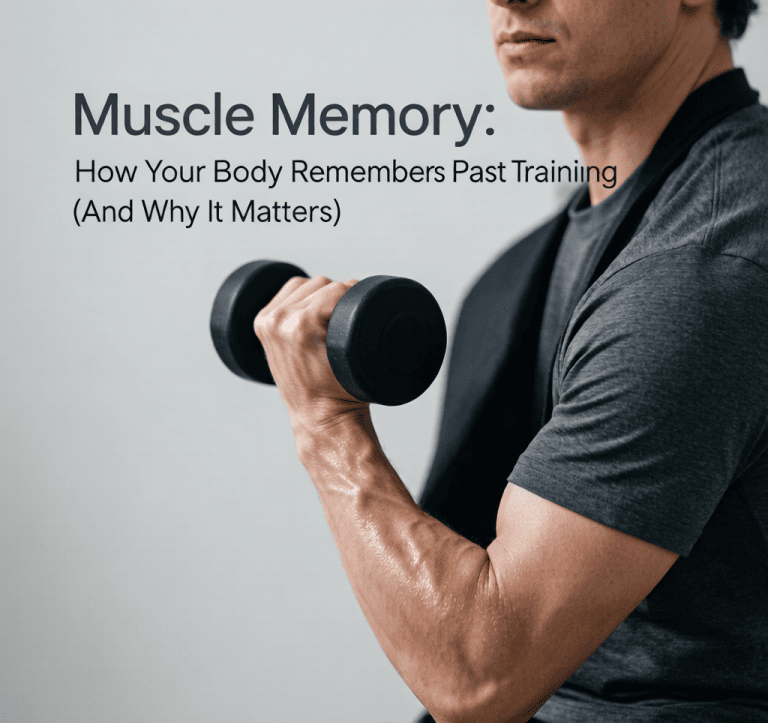
- Lift something heavy-ish. Dumbbells, kettlebells, or bodyweight work all send your bones a signal to hold onto density. Two or three sessions a week is a reasonable starting point.
- Eat enough, not just ‘clean.’ Under-fueling is a common thread in active women with low bone mass. Protein and calcium matter, but so does total calorie intake.
- Watch your cycle. A period that disappears for more than a few months — and you’re not pregnant or in menopause — is a red flag worth a doctor’s visit.
- Ask about a DEXA scan if you have risk factors. Family history, long-term steroid use, or previous stress fractures can justify scanning earlier than the standard timeline.
I started paying attention in my mid-30s after a friend broke her wrist in a yoga class. She was 38, fit, and had no idea her bone density was low. That scenario isn’t rare. It’s just rarely discussed.
Waiting until a fracture or a scan forces the issue means you’re playing catch-up with a tissue that rebuilds slowly. The decades before menopause are when prevention has the most leverage, and if you’re in your 20s, 30s, or 40s, you’re standing in that window right now.
If you want to start loading your bones at home, a pair of dumbbells is the simplest way in — you can check current prices on Amazon to find a set that fits your space and budget. And if you’ve started caring about bone health earlier than you expected to, share your experience in the comments. It helps other women see the timeline clearly.
Why Your 20s, 30s, and 40s Are Bone-Building Years
Plenty of people in their 20s and 30s file bone density under things to worry about after menopause. A Real Simple piece published in October 2026 made the opposite case, with experts saying the attention should start decades earlier. They’re right, and the reason is straightforward: bone loss doesn’t begin at 50. It begins quietly somewhere in your 30s.
Bone is living tissue. It gets broken down and rebuilt constantly. During your younger years, the building outruns the breakdown, and most people reach peak bone mass in their late 20s to early 30s. After that, the balance slowly tips the other way. Menopause accelerates the shift because estrogen falls, but how much bone you had going in decides how much you can afford to lose.
Picture it as a bank account. You make deposits now. Later, you make withdrawals. Genetics set some of the rules, but you control most of the deposits.
Load your bones with strength and impact
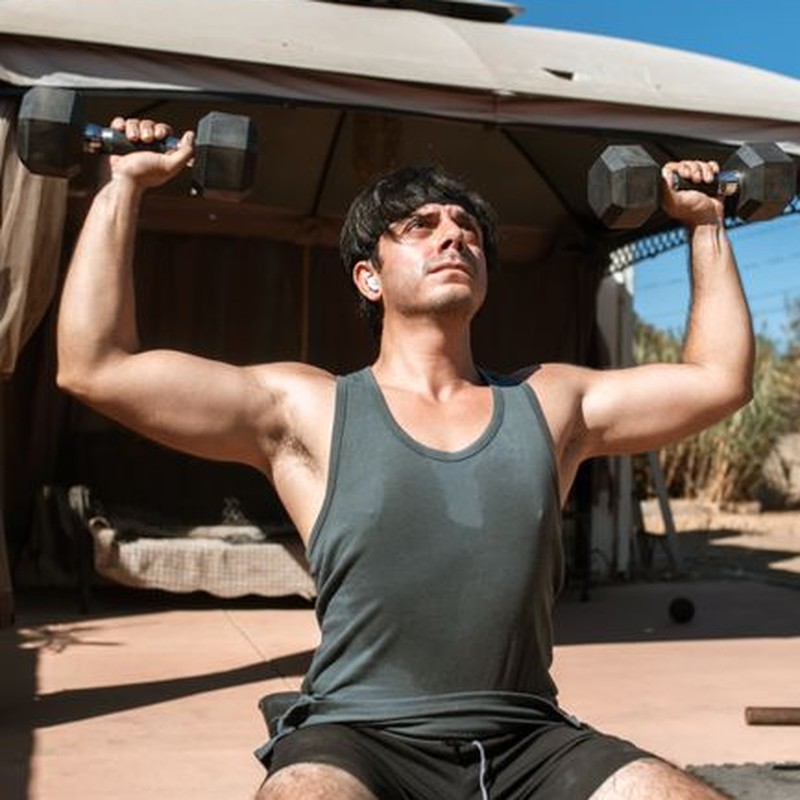
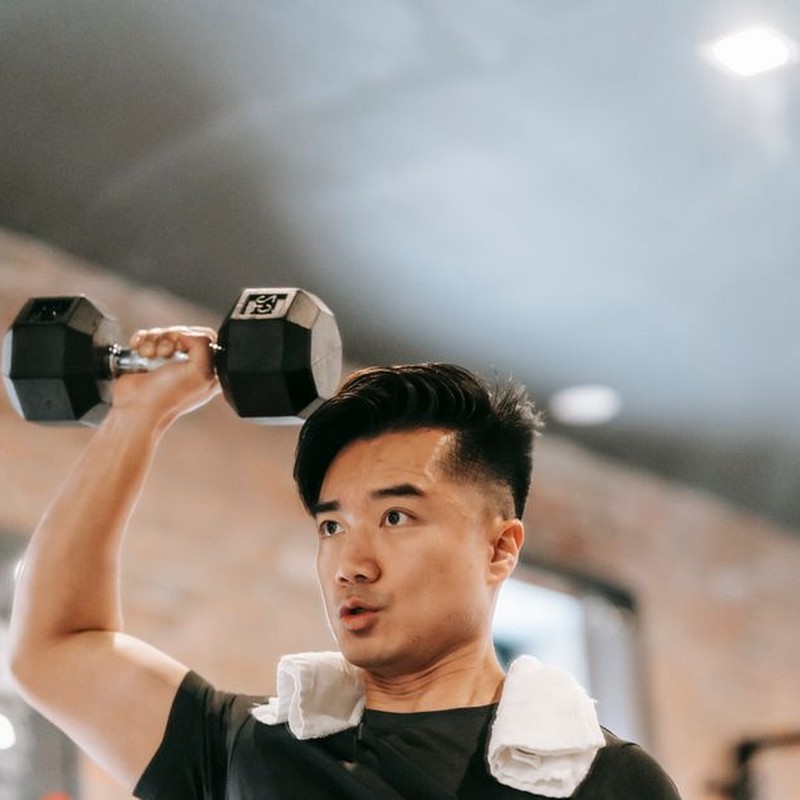
Bone responds to mechanical load. Ask your skeleton to support weight and resist force, and it responds by holding onto density or building more. Resistance training is the most reliable way to send that signal. Dumbbells, kettlebells, bands, or your own bodyweight all work. What matters is progressive overload, which just means gradually increasing the weight, reps, or difficulty over time.
Two or three full-body strength sessions a week will do a lot. Build them around compound movements: squats, lunges, push-ups, rows, overhead presses, and hip hinges like deadlifts or glute bridges. I started with a pair of 10-pound dumbbells and a lot of push-ups, and it was enough to make a difference.
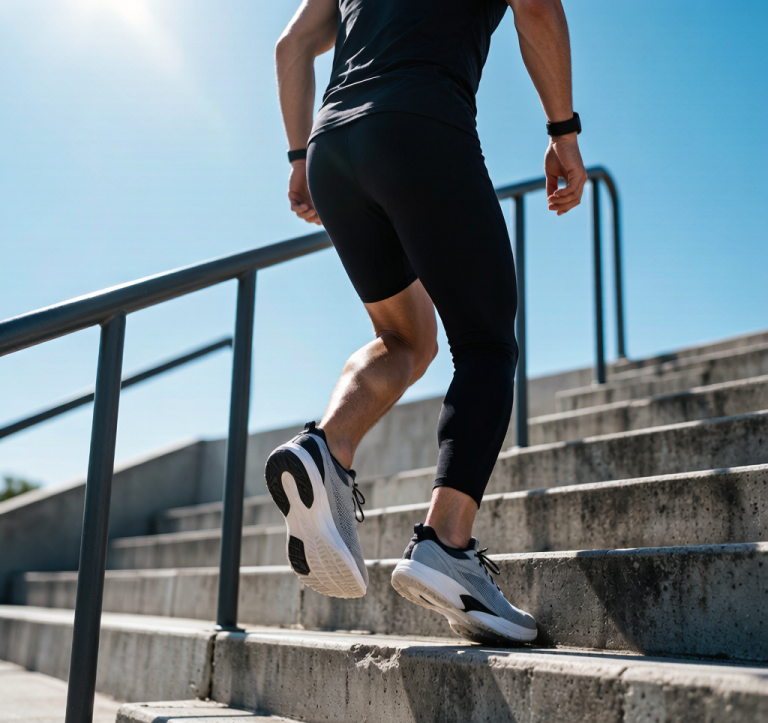
Impact activities signal bone too. Jumping jacks, hopping, stair climbing, or a brisk walk in a weighted vest all count. If you’re new to impact, start small. A few minutes of jumping a couple of times a week is enough. If you have joint problems or you’re pregnant, check with your doctor first.
A simple week looks like this:
- Two strength sessions: 30 to 40 minutes, full body, 6 to 10 exercises, 2 to 3 sets of 8 to 12 reps.
- One impact session: 10 to 15 minutes of jumping, hopping, or stair sprints. Or tack 5 minutes of impact onto the end of a strength workout.
- Daily movement: walking, taking stairs, standing up often. Bone responds to frequent, low-level load as well.
Progression is where most people stall. If you can hit 12 reps with clean form, go heavier or add a set. If you can’t manage 8, lighten up. The goal is to challenge bone and muscle without wrecking your joints.
Feed your bones the building blocks
Bone is collagen (protein) plus minerals, mostly calcium and phosphate. Protein gets all the attention for muscle, but it matters just as much here. Aim for a palm-sized portion of protein at each meal: eggs, Greek yogurt, chicken, fish, tofu, beans, or lean meat.
Calcium is the main mineral in bone. General guidance puts adults around 1,000 mg a day, with women past 50 needing a bit more. Dairy, fortified plant milks, kale and collards, canned sardines or salmon with bones, and calcium-set tofu are all solid sources. Vitamin D helps you absorb calcium, and a lot of people run low, especially in northern climates or through winter. Fatty fish, egg yolks, and fortified foods help. Your doctor can test your level and tell you whether a supplement makes sense.
Chronic dieting is hard on bone. Eat too little for too long and you’re not just losing fat, you’re undermining the remodeling process. Skimping on protein, calcium, and vitamin D makes it worse. If you’re cutting weight, do it slowly and keep those three high.
Missing periods is a red flag
If you’re of reproductive age and your periods have stopped or turned irregular, don’t brush it off. That can signal low estrogen, the hormone your bones lean on heavily. When estrogen drops, bone loss speeds up. It happens with excessive exercise, low body weight, poor nutrition, and conditions like PCOS or thyroid problems. This isn’t something to self-diagnose or patch with a supplement. See a clinician who can evaluate you properly.
Smoking and heavy drinking work against you
Smoking shows up consistently in the research alongside lower bone density and higher fracture risk. It’s not only a lung issue. Quitting is one of the highest-return things you can do for your skeleton. Heavy alcohol use is a problem too. Moderate drinking, up to one drink a day for women and two for men, appears fine for most people, but beyond that it starts interfering with the cells that build bone. Cutting back is a bone-friendly move.
Supplements fill gaps, not habits
You’ll find no shortage of bone supplements on Amazon and in drugstores. Calcium and vitamin D are the common ones, and they can help if your diet falls short. But they don’t replace food and they don’t replace lifting. Taking a pill while eating poorly and never training your muscles won’t move the needle much. If you’re unsure about your intake, a doctor or dietitian can help you sort out what you actually need.
Your 20s, 30s, and 40s are the years you get to make deposits. Genetics are set, but loading, nutrition, and daily habits are not. Add one strength session this week. Get a little more protein and calcium. If your cycle has gone sideways, get it checked.
If you’re shopping for dumbbells or a calcium supplement, check current prices on Amazon. And tell me in the comments what’s worked for you to keep your bones strong.
Myth-Busting: What Actually Protects Bone Density
Bone is quiet. You can’t feel it thinning the way you feel a tight hamstring or a cranky shoulder, which is why so many myths about bone health survive unchallenged. An October 2026 Real Simple piece argued that bone density deserves attention decades before menopause, and the experts quoted were pushing back on the same assumptions I hear from women in their twenties and thirties at the gym most weeks.
Here are the big ones, and what the evidence actually supports.
Myth 1: Cardio protects your bones
Some cardio does. Not all of it. Bone adapts to mechanical load — the impact of your foot hitting the ground, the tug of a muscle pulling on the bone it attaches to. Cycling and swimming are great for your heart and lungs, but your skeleton is either strapped to a machine or floating. The load is low, so the signal to remodel is weak.
Walking, running, hiking, stair climbing, dancing, and jumping rope all produce ground reaction forces that bone responds to. So does lifting. If most of your weekly cardio happens on a bike or in a pool, you’re not wasting your time — you’re just not checking the bone box.
For beginners I keep it simple: two or three sessions a week on your feet with some impact, plus two resistance sessions.
Myth 2: Take calcium and you’re done
Calcium is raw material, not a switch. You need vitamin D to absorb it well, protein to build the collagen framework that minerals get laid onto, and mechanical loading to tell bone where to reinforce.
That last part is what most supplement marketing skips. Adding 1,200 mg of calcium to a sedentary week doesn’t buy much. Food-first sources are easy enough: plain yogurt, milk, fortified plant milks, canned sardines with the bones, tofu set with calcium sulfate, cooked kale and collards, some cheeses.
If your diet falls short — dairy-free, low appetite, limited variety — a supplement can fill a gap. Talk to your doctor or a dietitian rather than guessing, especially if you’ve had kidney stones or take thyroid medication.
Myth 3: Light weights and high reps are safer for bones
Cranking out 30 reps with 3-pound dumbbells builds muscular endurance, and that’s real. It just isn’t the strongest bone stimulus. Bone tends to respond to loads that are meaningfully challenging relative to what your body is used to, applied progressively over time.
“Heavy” is relative. If you’re new to lifting, a pair of 10- or 15-pound dumbbells can be plenty for a goblet squat in a set that leaves you two or three reps shy of failure. Six months later that same weight won’t challenge you, and your bones will have adapted to it — which is your cue to add load, add reps, or pick a harder variation.
Movements that pay off:
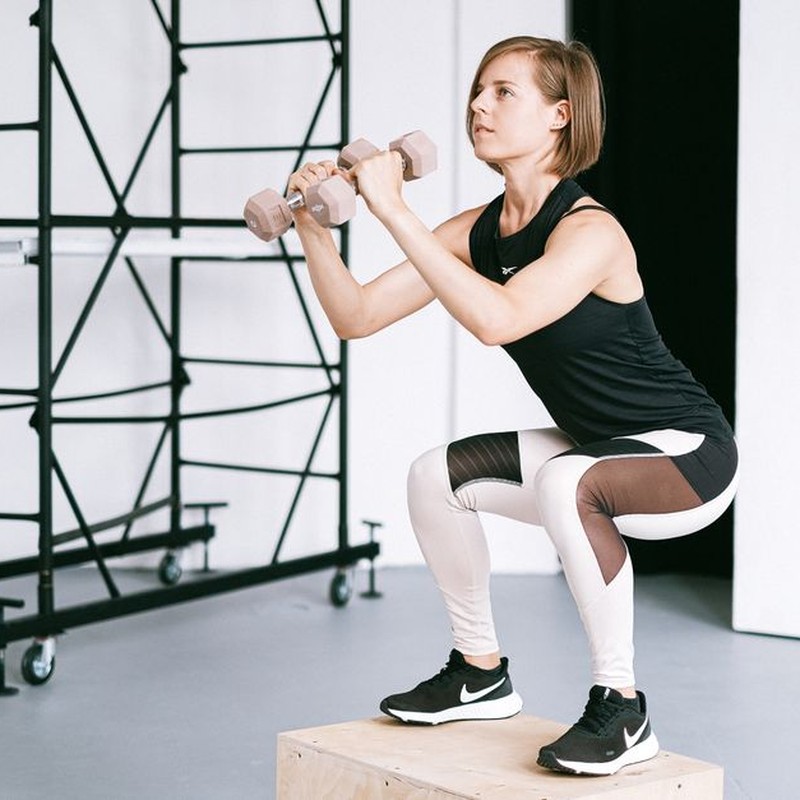
- Goblet squats and split squats
- Romanian deadlifts with dumbbells
- Step-ups onto a sturdy bench or box
- Rows and overhead presses
- Farmer carries with moderate-to-heavy dumbbells, 30 to 45 seconds
If your joints are happy and you’re cleared for it, small hops or pogo jumps at the end of a session add an impact stimulus. A few sets of 10 to 20 is enough. Skip them if your knees, hips, or pelvic floor object.
Myth 4: Every young woman needs a bone scan
DEXA scans aren’t routine screening for women in their twenties and thirties who have no risk factors, and ordering one “just to check” isn’t standard practice. You can still ask about your personal risk, though.
Worth raising with your doctor: a parent who fractured a hip, long-term steroid use like prednisone, missed periods for several months, a history of an eating disorder, low body weight, celiac disease or inflammatory bowel disease, early menopause, certain medications, or a fracture from what seemed like a minor fall. Any of those can justify a conversation, and sometimes a scan.
Myth 5: There’s one food or workout that fixes this
Bone remodeling runs on a slow clock. The cycle where old bone is cleared and new bone is laid down takes months, so one perfect week doesn’t move the needle and one lazy month doesn’t ruin you.
What compounds is the unglamorous stuff: lifting twice a week for years, eating enough protein, sorting out vitamin D, sleeping, not smoking, keeping alcohol moderate. I’ve watched people spend real money on collagen powders and bone broth while skipping the squat rack entirely.
The beginner version looks like this. Two full-body resistance sessions a week with dumbbells. Two or three bouts of weight-bearing cardio. Protein spread across your meals instead of piled onto dinner. A vitamin D level checked at your next physical. Before you buy a first set of adjustable dumbbells or a sturdy step, check current prices on Amazon — the gear matters far less than showing up consistently for the next several years. If you’ve already changed up your routine, share what worked for you in the comments.
Practical Steps to Start Caring for Your Bones Now
Bone is living tissue, and living tissue responds to demand. That one idea drives everything below. You don’t need a perfect program or a shelf of supplements, just a few habits repeated often enough that your skeleton keeps getting the message to rebuild.
A Real Simple piece from early October 2026 made the point plainly. The experts quoted there want people paying attention to bone density in their 20s, 30s, and 40s, not at 65 after a wrist fracture. That matches what I hear from readers. Almost nobody worries about their bones until a doctor hands them a scan result.
Lift something heavy enough to matter, two or three times a week
Walking is good for you. On its own, though, it’s a weak bone-building stimulus, because your skeleton adapted to carrying your bodyweight years ago.
Dumbbells, machines, kettlebells, or bands anchored to something solid all work. What matters:
- Frequency: two to three sessions per week, with at least one rest day between them.
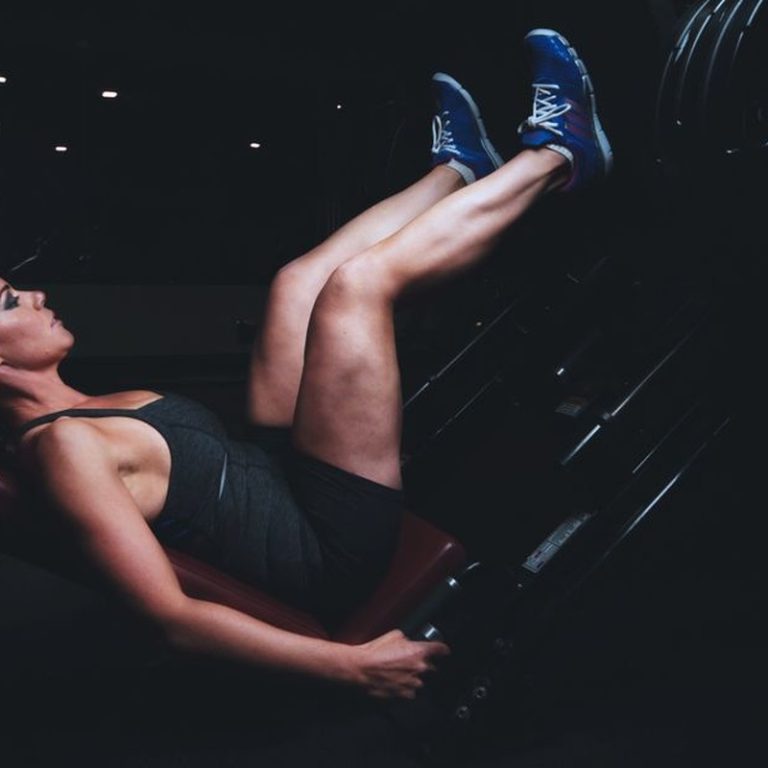
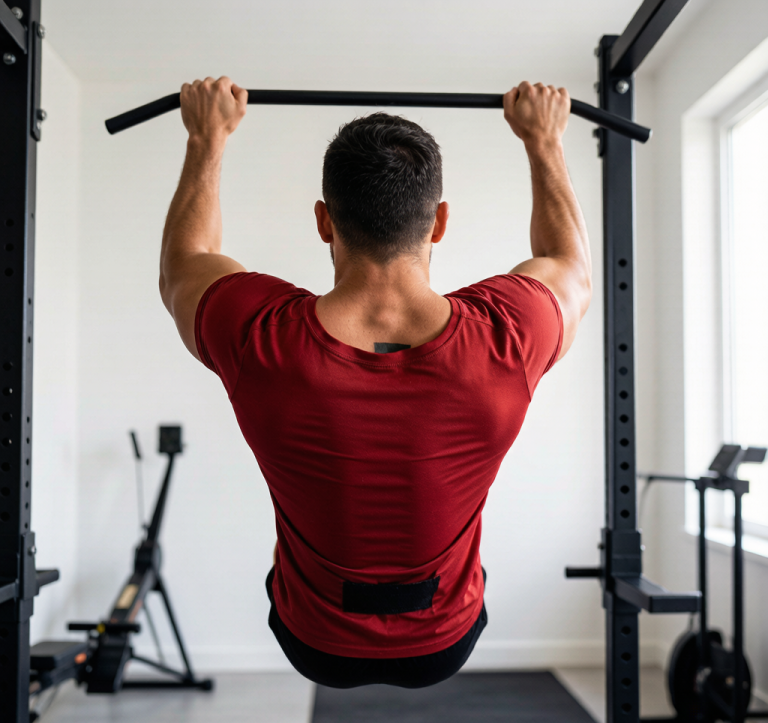
- Exercises: cover the big patterns. Squat or leg press, a hip hinge like a Romanian deadlift or hip thrust, a push, a pull, and a carry or row. Hips, spine, and wrists are the sites that matter most for later fracture risk.
- Load: pick a weight you could lift about 10 to 12 times before your form starts slipping. Do 2 to 3 sets.
- Progression: every couple of weeks, add a little weight or an extra rep or two. That slow upward creep keeps bone adapting. Without it, you’re maintaining, not building.
I keep a pair of adjustable dumbbells next to the couch and knock out a 25-minute session while dinner cooks. Not glamorous, but the low friction means I actually do it during busy weeks, and busy weeks are where most programs die.
Add impact if your joints can take it
Ground reaction force is a different signal than muscle pull, and bone responds to both. Brisk walking counts a little. Stair climbing, hiking, and low-level jumping count more.
New to impact? Start with 10 to 20 hops in place or a few trips up a flight of stairs, two or three times a week. Wear supportive shoes, land softly, and skip it entirely if you have joint pain, a history of stress fractures, or a doctor telling you otherwise. Bone adapts slower than muscle, so dose impact like seasoning, not like a main course. I’ve watched more than one person jump into daily plyometrics, feel fine for two weeks, and then end up with shin splints.
If jumping is off the table, single-leg balance work and controlled step-downs won’t load bone the same way, but they cut fall risk, which is the other half of the fracture equation.
Feed the raw material
Roughly a third of bone by weight is protein, which surprises people who think of it as pure calcium. Aim for a palm-sized portion at each meal: Greek yogurt, eggs, chicken, tofu, lentils, whatever fits how you eat.
For calcium, three servings a day is a reasonable target. A cup of milk or fortified plant milk, a yogurt, a handful of almonds, or a serving of kale or collards all count. Tofu made with calcium sulfate is a genuinely good source, and canned sardines with the bones in are about as dense as it gets.
Vitamin D is the piece most people can’t fix with food alone, and levels swing with latitude, skin tone, and season. Ask your doctor to check yours rather than guessing at a dose. In most of Canada and the northern US, winter levels drop for nearly everyone.
Ask about a DEXA scan earlier than you’d think
Standard screening usually starts around age 65 for women and 70 for men. There are reasons to ask sooner, and a decent primary care doctor will take them seriously. Worth raising at your next visit:
- Early menopause, or a long stretch of missed periods
- Long-term use of corticosteroids such as prednisone
- A parent who broke a hip
- An eating disorder history, or years at a very low body weight
- Certain thyroid, celiac, or inflammatory conditions
- More than one fracture from a minor fall
A DEXA scan takes a few minutes, uses very little radiation, and is often covered when there’s a documented reason. If you aren’t sure whether you qualify, that question alone is worth the appointment.
Your first week
Here’s how I’d set it up for someone starting from zero.
- Two lifting sessions, say Tuesday and Saturday. Squat, hinge, push, pull, carry. Two sets each for the first week.
- Two short impact sessions. Ten minutes of stairs or 20 hops after a warm-up, if your joints are agreeable.
- Protein at breakfast. This is the meal most people under-do. A yogurt bowl or eggs instead of a bagel gets you there.
- One doctor question. “Given my history, should I be thinking about a bone density scan?”
That’s the whole list. No app subscription, no blood panels ordered off the internet.
On gear, I’d hold off buying anything until you’ve put in a few weeks with bodyweight and whatever’s already in your closet. If it sticks, adjustable dumbbells save a ton of floor space and let you progress in small increments, which matters more for bone than big jumps. A weighted vest is another route people take for walking and stair work. You can check current prices on Amazon before committing, and if you already own one of these, I’d like to hear how it’s held up.
Bone density isn’t a switch that flips at 60. It’s a running balance between what you ask of your skeleton and what you give it, played out over decades. Start asking a little more this week, and tell me in the comments what you’re trying first.