Smith Machine vs Squat Rack: Which Belongs in Your Home Gym? (2026 Buyer’s Guide)
What a Smith Machine Actually Does for a Home Lifter
A Smith machine is a barbell trapped on two vertical guide rails. The bar slides along a fixed track and passes a row of hooks built into the frame. Finish a set, rotate your wrist, and the bar drops into the nearest rung. Miss a rep and the same twist parks it on the fixed safety stops set a few inches above the floor or your chest. Nothing gets dumped.
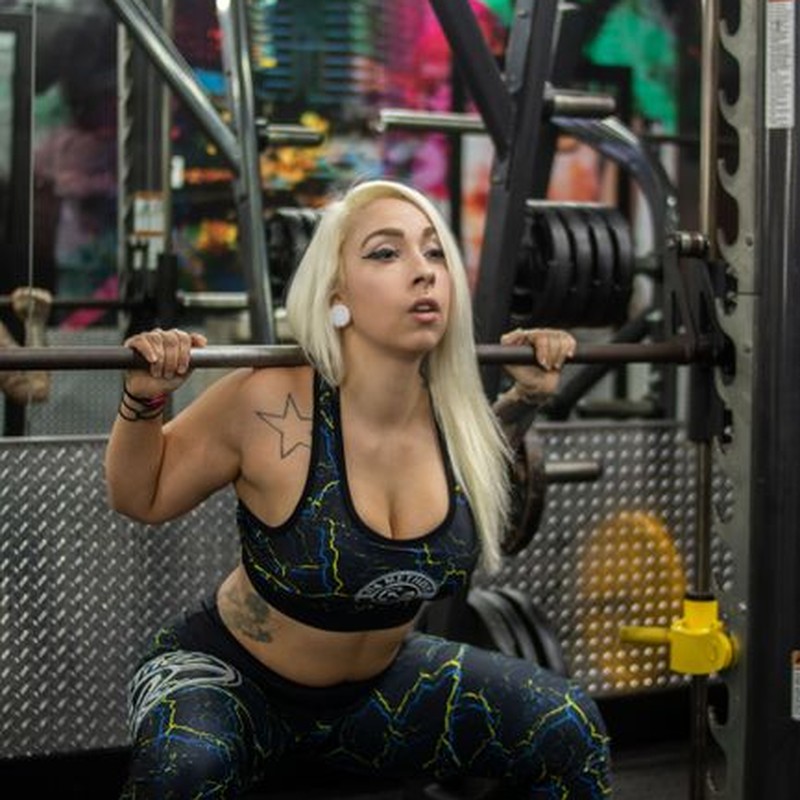
That one feature explains why so many first-time buyers end up here instead of at a rack. I have run 6 a.m. basement sessions alone, and the difference between pushing one more rep and racking it early comes down to whether the bar has somewhere to go if I lose it. With rails, it does.
What the rails take away is stabilization. On a free barbell, your shoulders, trunk, and hips work constantly to keep the bar stacked over your midfoot. The machine does that part for you. Load that feels near-maximal on a free bar usually moves more easily on the rails, and the gap widens as the weight climbs. Bench 185 on a free bar and 185 on rails is not the same stimulus.
Where this setup earns its footprint:
- Training alone, especially in a tight space. If your basement ceiling rules out standing overhead work anyway, a Smith machine still lets you squat, press, and row hard with no spotter and no safety arms to fiddle with.
- A shoulder that complains. Fair warning first: some shoulders hate a fixed groove more than a free one, so test before you buy. When a joint does tolerate it, a repeatable path is easier to work around than an improvised one.
- You want to lift now, not after a technique project. Squatting on rails will not teach you to squat a barbell. It does let you train legs this month while you decide whether barbell technique is a project you want.
Most home Smith machines are not only a bar and rails. They bundle a lat tower, a low pulley, and often a leg developer, turning one footprint into a multi-station setup. The Marcy Home Gym Machine SM-4008 (~$500, 4.3/5 stars) is the entry point in that category, and the Marcy Smith Cage Machine SM-4903 (~$700, 4.4/5 stars) steps up to a fuller cage with more cable options. The Powertec Workbench Compact Home Gym (~$499) is a compact alternative if pulley work matters more to you than the guided bar. Check the listed bar and pulley configuration on each before ordering.
The tradeoff is the same fixed path that makes it beginner-friendly. Taller lifters tend to feel pinched at the bottom of a squat or bench press, because rail spacing and stop positions do not care about your femur length or arm span. Bar diameter, hook spacing, and safety-stop increments vary a lot between models, which is why I would read specs before ordering. Garage Gym Reviews’ tested roundup of the best Smith machines, published in mid-September 2026, is a useful place to compare those details. They matter far more day to day than the max load rating on the box.
What a Squat Rack Unlocks That a Smith Machine Can’t
A squat rack is a frame with J-hooks and a hole pattern. That’s the whole thing. The frame doesn’t lift anything and it doesn’t limit you either, because the versatile part is the barbell resting on those hooks. One seven-foot steel bar runs your squat, bench press, overhead press, barbell row, rack pulls, and eventually cleans and snatches if you head that direction. Add a bench and you’ve got a gym off one piece of equipment.
That’s what surprised me most when I moved from a machine-based setup to a rack. I kept finding lifts I could already do with gear I owned. Landmine attachment for single-arm presses. Bands looped over the J-hooks for accommodating resistance. Safety straps instead of pins when I wanted a softer catch on a heavy bench. A pull-up bar across the top. Plate storage posts on the uprights so the floor stays walkable. The frame keeps earning its footprint.
Worth saying early, though: the rack is not the whole bill. A rack without a barbell and plates is furniture. Budget for the bar and a few hundred pounds of iron in the same purchase, or you’ll spend a month staring at the frame while you save up for the part that actually trains you.
The skill you’re actually buying
Load a free barbell and you own the bar path. Nothing guides it but your bracing, your grip, and your control. That’s intimidating for the first few weeks. It’s also the skill that travels. The barbell in a hotel fitness room, the one in your buddy’s garage, the one at the commercial gym you drop into on a work trip, all behave the same way once you’ve learned to move under an unguided bar.
A Smith machine removes that variable on purpose. The bar runs a fixed path, which is genuinely useful for some lifts and genuinely limiting for others. If your goal is to get strong under a bar you control, the rack is what teaches that.
Safety, but a different kind
Set your safety pins at the height where you fail a rep and a power rack becomes one of the safest ways to train heavy alone. You miss a squat, you dump the bar onto the pins, you step out from under it. That’s not a knock on Smith machines. A Smith machine has its own safety story, with fixed stops and no balance demand, and for someone training solo with a cranky shoulder or a history of back issues, that trade can be the right call. It’s just a different kind of safety, and it helps to know which one you’re buying.
The stuff beginners forget to check before ordering
- Ceiling height. Stand under your ceiling and reach up like you’re pressing a bar overhead. Many full-height racks top out near seven feet. A low basement ceiling means a short rack plus a seated press, or a machine instead.
- Does it need to be bolted down? Some racks anchor into concrete, some use stabilizer feet or a flat-foot design. If you rent, that changes your shortlist more than any brand comparison will.
- Floor protection. Rubber mats over concrete or hardwood. Price them in with the rack, not after the rack arrives.
- Loading runway. Leave about two feet of clearance on each side of the uprights to slide plates on and off. I’ve seen racks wedged into a corner with no room to load one side, and you only notice that after the box is on your floor.
When you start comparing frames, the squat rack roundup Garage Gym Reviews published in September 2026 sorts options in a way that lets you shop footprint and price first instead of decoding a spec sheet. That’s the right lens for a home gym, since your square footage and your ceiling decide more than any brand name does.
If space is tight or you’re not ready to commit to free weights, a hybrid like the Marcy Smith Cage Machine SM-4903 packs a Smith bar and a cage into one footprint, which is a real compromise rather than a marketing one.
Space, Budget, and Body: How to Choose Without Regret
Short answer first, for anyone skimming: if your ceiling clears a pull-up bar and you have the wall to slide plates on and off, a squat rack with a free bar gives you the most room to grow. If your space is tight, your ceiling is low, or you train alone and press near failure without a spotter, a Smith machine or an all-in-one station is the smarter buy. Budget $500 to $700 for the frame, then set aside real money for plates, because the iron is what usually blows the budget. Everything below is just the math behind those three sentences.
Measure twice. Then measure the ceiling. I watched a friend buy a Smith cage on a holiday sale, wrestle it into his basement, and find the pull-up bar topped out two inches into a floor joist. It went back on a pallet, and the restocking fee ate the discount he had waited months for.
Three numbers decide most of these purchases, and none of them are the logo on the frame.
- Ceiling height. Compare the listed machine height against the lowest point in the room, then subtract a few inches for a pull-up bar or an overhead press. Basements with ductwork and garages with openers are the usual offenders.
- Bar clearance. A standard Olympic bar runs 86 inches, and you want roughly a foot of exposed sleeve on each side to slide a 45 lb plate on and off without scraping drywall or a water heater. Plan on close to nine feet of wall if the bar lives inside a rack. A Smith machine sidesteps some of that because the bar is captured, but the frame itself still eats a fixed footprint.
- Elbow room. A Smith machine wants a rectangle. A squat rack wants a rectangle plus swing space, because you step back, re-rack, and bail in directions the frame does not control.
People underestimate that last one. A spare bedroom wall is enough for a rack. Squeeze it between a parked car and a furnace and the fixed path of a Smith machine starts looking less like a compromise and more like the only sane answer.
Budget in tiers
| Setup | Typical price | Best for | The catch |
|---|---|---|---|
| All-in-one home gym (Marcy SM-4008) | About $499.99 | Beginners who want a sampler of stations in one footprint | Less headroom for serious free-weight progression |
| Smith cage with built-in rack (Marcy SM-4903) | About $699.99 | Solo lifters who want guided pressing plus free squats | Fixed rectangle footprint and a real ceiling requirement |
| Compact plate-loaded workbench (Powertec) | About $499.00 | Small rooms, cables, and general fitness | Fewer stations, and plates are sold separately |
| Squat stand or rack plus bar and plates | Wide range, and plates often cost more than the frame | Lifters chasing strength numbers under a free bar | Needs nine-ish feet of wall and swing space |
Two notes on that table. Entry-level multi-station machines start near the $500 mark, Smith cages with a built-in rack land closer to $700, and a bare squat stand plus a barbell and plates can land in that same range or above it depending on how much iron you buy. And the plates are usually the shock, not the frame. A full set of plates can run more than the rack holding them, so price the weights first and see what is left for steel.
The Marcy Home Gym Machine SM-4008 runs about $499.99 and holds 4.3 out of 5 stars from buyers. It is an all-in-one station aimed at beginners who want a taste of everything without giving a whole wall to a rack. One footprint, a lot of boxes ticked.
The Marcy Smith Cage Machine SM-4903 is the hybrid play at roughly $699.99 and 4.4 out of 5 stars. You get the guided Smith bar plus a cage with J-hooks, so you can squat free one day and rack a solo press the next. For a lifter who trains alone most of the time, that flexibility is the whole argument.
If floor space is the binding constraint, the Powertec Workbench Compact Home Gym comes in near $499.00 with a 4.4 out of 5 rating. It is a plate-loaded compact workbench, so it does more with less square footage than a full cage, and the smaller base print means you are not rebuilding your garage around it.
Noise, neighbors, and the apartment problem
If you live above someone or share a wall, weigh vibration and drop height above frame branding. Rubber flooring and bumper plates solve more neighbor problems than any machine upgrade, and they cost a fraction of what you would spend moving up a tier on the cage itself. A Smith machine helps here too, since you cannot miss a rep and dump the bar the way you can under a free barbell.
Match the machine to the goal
Be honest about what you will actually do in week twelve, not week one.
- You want a sampler of everything and have no barbell experience: a multi-station machine.
- You train solo and want to push near failure on presses: a Smith cage with J-hooks.
- The room is small and general fitness is the goal: a compact plate-loaded workbench.
- You are already comfortable under a barbell and chasing strength numbers: a squat stand or power rack, free bar, full plate set.
Let your room and your goal break the tie. Measure the ceiling, price the plates, and pick the setup you will still want to walk into on a Tuesday in February. Check current prices on Amazon before you commit, and drop a comment with the setup you landed on and how the measurement math worked out in your space.
The Hybrid Route and a Buying Checklist
Affiliate disclosure: the product links below are Amazon affiliate links. If you buy through one, I earn a small commission at no extra cost to you, and this site participates in the Amazon Associates program.
There is a third option that splits the difference, and for a lot of garages it is the right one. A combo unit puts a guided Smith bar and a free-weight cage in the same footprint. You get the fixed path for solo bench and shoulder work, plus J-hooks for a barbell squat or press when you want to load your own stability. That is a real compromise rather than a marketing category. You spend a bit more and give up a bit of floor so you never have to pick between the two patterns.
Garage Gym Reviews published tested roundups for Smith machines and squat racks in September 2026, and the same pattern shows up in both lists. The units worth owning have safety hardware you can actually adjust, and weight ratings the manufacturer states plainly. Hybrids live or die on those two details.
If space is the hard constraint, step down to a squat stand or a half rack instead. They cost less than a full cage, eat far less floor, and they fit a garage where a car still has to park at night. What you give up is mostly convenience: fewer integrated pull-up options, less plate storage, and usually a lighter frame.
Run This Before You Check Out
- Stated weight capacity. Check whether the number applies to the bar, the J-hooks, the safety arms, or the whole frame. Those are different figures, and the smallest one is your real ceiling.
- Warranty length and exclusions. Frame warranties often run for years while cables and pads get 90 days. Ask before you buy, not after something snaps.
- Olympic versus standard sleeves. Two-inch Olympic sleeves versus one-inch standard decides your entire plate budget. Switching later costs more than choosing right the first time.
- Bar diameter and knurling. A thin, slick bar is miserable under a heavy squat. If the included bar looks like a broom handle in the listing photos, plan to replace it.
- Safety pin adjustment spacing. One-inch increments beat two-inch increments by a wide margin when you are setting up for a solo bench press.
- Cable weight ratio on the lat tower. A 2:1 ratio means 100 pounds of plates gives you about 50 pounds of resistance. Fine for rows and pulldowns, less fine for anything heavy.
- Anchoring. Some units must be bolted to the floor or wall. If you rent, that one line in the manual can kill the purchase.
Do the plate math before you fall in love with a frame. A $500 rack with no plates is a $900 setup the moment you add a bar and 300 pounds of iron. Used bumper plates in good condition are one of the few home gym purchases where secondhand genuinely makes sense, because a scuffed bumper still does its job and steel plates barely age at all.
Then buy for the lifter you will be in three years, not the one standing in the aisle today. If a heavy back squat is the goal, put the money into the rack and the bar first and add cable work later. If the goal is general strength and you train alone, the guided bar on a hybrid buys you the confidence to push without a spotter, and that is worth paying for.
On the hybrid side, the Marcy Smith Cage Machine SM-4903 lands around $700 and gives you the guided bar and the cage in one frame. If barbell work is not on your list at all and you want cables, a leg developer, and a pulley station together, the Marcy Home Gym Machine SM-4008 and the Powertec Workbench Compact Home Gym both sit near $500. Neither one replaces a rack for heavy back squats, so pick them only if that is not the goal.
My pick for a beginner training alone: buy the combo cage and stop reading reviews. It covers the guided bar you need for confident solo benching and the J-hooks you need later when you want a free barbell, which means you buy once instead of twice.
Drop a comment with what you bought and how it fit. A rack that clears your garage door by two inches is a detail no spec sheet ever mentions, and the next reader trying to choose between a Smith machine and a squat rack would rather hear it from you than from me.