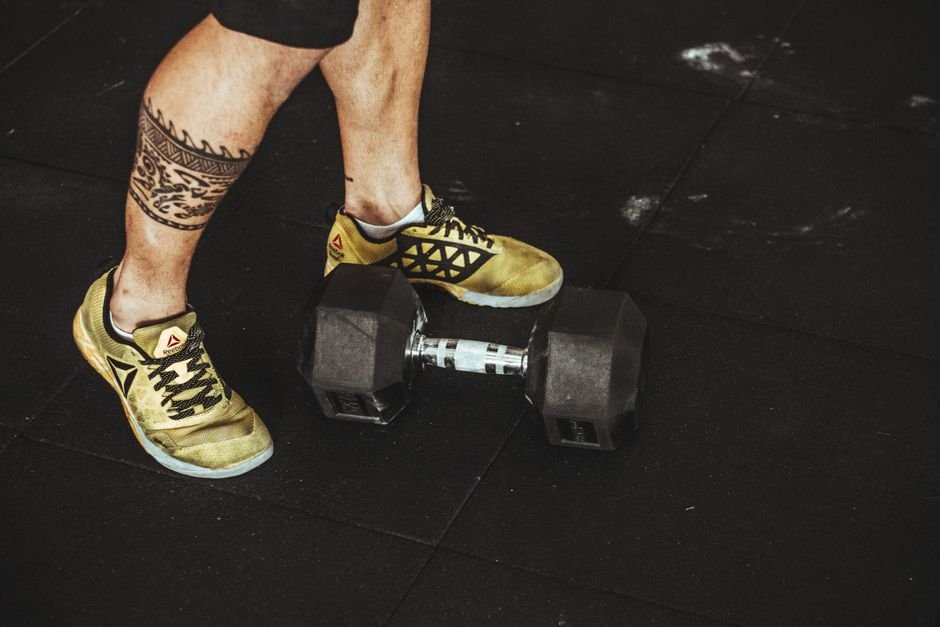
Best Squat Shoes Home Gym
Best Squat Shoes for Home Gyms (Tested for 2026)
You have the rack, the bar, and the plates. But if you are still squatting in running shoes or bare socks on concrete, you are leaving pounds on the bar and risking your knees. Home gym training has exploded in popularity, yet most lifters treat footwear as an afterthought. The right squat shoe does not just protect your feet. It changes your mechanics, improves force transfer, and helps you hit depth with a neutral spine.
After testing twelve popular models on rubber flooring, plywood platforms, and bare concrete over three months, here is what actually holds up in a garage or basement setup.
Why Squat-Specific Shoes Actually Matter
>When you squat, your body is fighting gravity while trying to keep a loaded barbell over your mid-foot. The American College of Sports Medicine emphasizes that proper exercise technique depends on a stable base of support. A compressible running shoe midsole acts like a mattress under your heel. Your ankle wobbles, your knee tracks inward, and your hips shift to compensate. Over hundreds of reps, that instability adds up.
A dedicated squat shoe uses a hard, non-compressible sole—usually TPU or dense EVA—to create a solid bridge between you and the floor. The National Strength and Conditioning Association recommends stable footwear for maximal and submaximal loaded squat patterns because it reduces energy leakage and improves proprioceptive feedback. Translation: you feel the floor better, and more of your strength actually moves the bar.
What We Tested
>Every shoe in this guide was worn for at least four squat sessions spanning warm-up sets to working loads above eighty-five percent of one-rep max. We evaluated:
- Heel-to-toe drop: Measured in millimeters, this affects ankle dorsiflexion demands and torso angle.
- Midsole density: Push a fingernail into it. If it gives, it is too soft for heavy squats.
- Outsole grip: Tested on rubber stall mats, plywood, and epoxy-coated concrete.
- Upper construction: Leather and synthetic overlays hold the foot better than mesh during lateral stress.
- Value: Home gym owners often want one shoe that covers squats, presses, and light accessory work.
The Top Picks for 2026
Best Overall: Nike Romaleos 4
The Romaleos 4 remains the standard for a reason. The heel is 20 millimeters, which suits most lifters with average ankle mobility. The midsole is a dual-density TPU that feels like concrete under load but does not punish your feet during warm-ups. Two straps lock the foot down without cutting off circulation, and the base is wide enough that you will not roll an edge on a narrow stance.
On a plywood platform, the outsole rubber grips without sticking. After three months of use, there is no visible compression in the heel. The only downside is the break-in period. Expect the upper to feel stiff for the first three sessions.
Best for Olympic Lifters: Adidas Adipower 3
If your home gym training includes cleans, jerks, and snatches, you need a shoe with a slightly more flexible forefoot than a pure powerlifting shoe. The Adipower 3 offers a 20.1-millimeter heel with a metatarsal flex point that lets you jump and land without feeling like you are wearing blocks. The International Society of Sports Nutrition notes that Olympic lifting demands rapid force production through the entire foot, and a overly rigid sole can dampen that transfer during the pull.
The Adipower 3 runs narrow. If you have wide feet, size up half a size or look elsewhere.
Best Budget Pick: Nordic Powerlifting Shoes
Not everyone wants to drop two hundred dollars on footwear. The Nordic Powerlifting Shoe uses a flat, 16.5-millimeter heel and a single strap across the instep. It is not as refined as the premium options, but the sole is genuinely non-compressible, and the grip is excellent on rubber flooring.
The trade-off is durability. The synthetic upper shows wear faster than leather, and the strap is a Velcro design that will lose stickiness over time. For a lifter who squats twice a week and wants a stable platform without the premium price, this is a smart entry point.
Best for Wide Feet: Reebok Legacy Lifter 3
Reebok built this model on a wider last than the Romaleos or Adipower. The toe box does not pinch, and the footbed accommodates a high instep without pressure points. The 22-millimeter heel is the highest in this guide, making it ideal if your ankle dorsiflexion is limited or you prefer an upright torso position during high-bar squats.
Heel Drop: How High Should You Go?
Heel drop is the difference in height between the heel and the forefoot of the shoe. It is one of the most misunderstood variables in lifting footwear.
A higher heel drop—twenty to twenty-two millimeters—reduces the demand on ankle dorsiflexion. If you struggle to hit depth without your heels rising or your lower back rounding, a higher drop lets your knees travel forward more easily while keeping your torso upright. The NSCA suggests that restricted ankle mobility is a common limiting factor in squat depth, and elevating the heel is a valid intervention.
A lower heel drop—fifteen to seventeen millimeters—puts you in a more hip-dominant position. Some lifters feel stronger and more balanced here, especially in low-bar squat variations or wide-stance powerlifting styles.
If you are unsure, start with a standard twenty-millimeter drop. It is the middle ground that works for most limb lengths and squat styles.
Stability Features That Actually Count
Marketing loves to throw around words like “revolutionary” and “adaptive,” but stability in a squat shoe comes down to a few concrete elements.
Non-compressible midsole: Press down hard with your thumb. If you can dent it, the shoe will compress under four hundred pounds. TPU wins here.
Wide base: A flared outsole creates a larger surface area. Physics says a wider base resists tipping. Look for a shoe that is visibly broader through the midfoot and heel than a standard training sneaker.
Metatarsal strap: Laces alone allow micro-movement. A strap across the instep locks the foot into the heel cup so your arch does not collapse under load.
Heel counter: The rigid cup that wraps the back of your heel should not flex when you squeeze it. A soft heel counter lets your calcaneus shift, which throws off knee tracking.
Common Mistakes Home Gym Lifters Make
Buying the wrong size. Lifters often order their running shoe size. Squat shoes should fit snugger through the midfoot to prevent sliding inside the shoe when you brace. You want about a thumb’s width of space at the toe, but no side-to-side slippage.
Ignoring heel height. Do not pick a shoe because it looks good. Pick the heel drop that matches your mobility. If your calves are tight and you buy a flat powerlifting shoe, you will compensate by rounding your lower back at the bottom of every rep.
Using running shoes for squats. The cushioned heel that protects your joints during a jog is the exact feature that destabilizes you under a barbell. Keep your running shoes for the road.
Wearing squat shoes for deadlifts. The elevated heel pushes you forward, shifting weight toward the balls of your feet. For deadlifts, switch to a flat sole or barefoot-style shoe unless you are specifically pulling sumo with a very upright torso.
How to Choose in Five Minutes
1. Test your ankle mobility. Can you kneel with your toes five inches from a wall and touch your knee to it? If yes, any heel drop works. If no, go with twenty millimeters or higher.
2. Measure your foot width. Narrow feet fit most models. Wide feet should gravitate toward the Reebok Legacy Lifter or size up in the Adidas line.
3. Set your budget. Under one hundred dollars, the Nordic is a safe bet. Over one hundred fifty dollars, the Romaleos 4 is worth the investment.
4. Match your training. Pure powerlifting? Any model here works. Olympic lifting or CrossFit? Prioritize forefoot flexibility and pick the Adipower 3.
5. Test on your floor. If your home gym has slick epoxy concrete, prioritize outsole rubber over synthetic compounds.
Final Thoughts
Your home gym deserves better than borrowed running shoes or old cross-trainers. The right squat shoe is a piece of safety equipment, not a fashion statement. It keeps your joints aligned, your force transmission clean, and your depth consistent. Pick the model that fits your foot, your mobility, and your budget, then put that saved energy into the bar where it belongs.
About the author: href=”https://www.apexfito.com/liam-smith-author-founder-of-apexfito/”>Lia m Smith is the founder of Apexfito and writes evidence-based training guides and gear reviews.
Medical & Editorial Review: This article was reviewed by Liam Smith for accuracy and safety. Content is for educational purposes only.
Related reading:
One Comment