Do You Need to Count Calories to Lose Weight? 5 Simple Alternatives That Actually Work
Full disclosure: Some links in this article are affiliate links. We may earn a small commission at no extra cost to you if you make a purchase through them. Our recommendations are based on what real users report, not on commission size.
Why Calorie Counting Isn’t the Only Path to Weight Loss
If you’ve ever downloaded a calorie app, tracked meals for a week, and then quietly deleted the app because you couldn’t face another entry, you already know the problem isn’t you. Counting calories is a grind. It’s tedious and mentally draining, especially when you’re weighing chicken at dinner and estimating sauces at a restaurant. That failure to stick with it isn’t a mark against your discipline—it’s just how the system feels for a lot of people.
I’ve been there myself, and I’ve seen friends start the same routine: logging everything, staying on track for two or three weeks, and then fading. The mental math gets old. One skipped day turns into five, and then you’re left feeling like you failed. The hard part is that you didn’t. You were using a method that wasn’t designed for how you actually live.
Now for the honest part: weight loss still requires a calorie deficit. Your body needs to burn more energy than you take in. That’s non-negotiable. But the way you create the deficit is more flexible than the apps want you to believe. Logging every bite is one route. Building a meal from mostly vegetables, putting protein first, using a smaller plate, and slowing down enough to notice when you’re full are all simpler routes.
I’ve done the meticulous tracking thing and I’ve done the no-scales, no-apps thing. Both can work. The question is which one you’ll still be doing six weeks from now. For most people, it’s the version that doesn’t turn every meal into a math problem.
Want a quick win today? Use a smaller dinner plate for your next few meals. People consistently eat less when food is served on smaller plates, without feeling like they’re giving anything up. That’s one of the easiest, most research-backed tricks I know, and it requires zero spreadsheets.
So yes, you need a calorie deficit, but you don’t need calorie counting. Here are five sustainable alternatives that create that same deficit without a log book: plate size and portion awareness, protein-first meals, slower eating, better hunger checks, and smarter meal structure. None of them involve a food scale glued to your hand.
The Simple Science of Energy Balance: What Actually Matters
Your body runs on calories. Every breath, step, and muscle contraction uses energy from the food you eat, and you burn a certain number of calories each day just from living. When you consume fewer calories than your body burns, you create a calorie deficit—and that deficit is what drives fat loss. This is not a gimmick or a strict diet; it’s the simple energy balance equation that every weight-loss method, from portion control to time-restricted eating, is built on.
You do not need to know exactly how many calories your body burns each day. In fact, trying to calculate it often leads to frustration and weird measurements. What matters is creating a small, consistent deficit most days of the week. Research suggests that a modest shortage of 300 to 500 calories per day is enough to lose about half to one pound per week for many people. That slower pace makes it easier to stick with the plan and preserves muscle mass.
Your two strongest allies in this process are protein and fiber. Protein is the most filling macronutrient, and it requires more energy to digest than carbs or fat (a response called the thermic effect of food). Studies suggest that eating higher-protein meals helps you feel full and reduces the urge to snack later. Fiber works differently: it slows digestion and adds bulk, so you feel physically full without packing in a lot of calories. It also helps keep your blood sugar steadier after a meal, which prevents the crash that often leads to cravings. (Learn more about fiber and weight control.)
Here is an easy template that puts protein and fiber to work without measuring or logging:
- Fill half of your plate with vegetables and/or fruit.
- Use one palm-sized portion of protein (chicken, fish, eggs, Greek yogurt, tofu, or beans).
- Add one fist-sized serving of fiber-rich carbs like quinoa, brown rice, sweet potato, or oats.
- Include a thumb-sized amount of fats like avocado, olive oil, or nuts.
This is the plate method. It works because it takes portion control off your mind and puts it on the table.
Consistency matters more than perfection. One higher-calorie weekend won’t undo weeks of good habits—and one “perfect” day won’t fix months of overeating either. The goal is to have a small deficit on most days, not to obsess over a single meal. If you usually eat oversized portions, simply reducing portion sizes while keeping the plate template above can be enough to shift your effort.
Activity also matters. You don’t need a gym to create a deficit. Walking after dinner, taking the stairs, and even gardening all burn extra calories. The combination of cutting portion sizes and adding a little movement tends to make the deficit the easiest.
If you want to make this even easier, check current prices on Amazon for a basic food scale or a simple portion plate. You don’t need either one to lose weight, but they can help you get a feel for serving sizes before you go by eye. And when you try one of these alternatives, leave a comment below to tell us how it went. I read every reply.
5 Practical Alternatives to Counting Calories
Counting calories can work—it forces you to notice how much you’re eating. But for me, it turned every meal into a spreadsheet. I tracked for two years, lost weight, and then felt totally untethered when I stopped. These five methods are different. They help you create a calorie deficit using visual cues and simple habits, without opening an app or weighing every bite.
They’re also flexible. Use one, or combine two if they fit your life. Start with the one that sounds easiest, try it for a week, and adjust from there.
1. The Plate Method
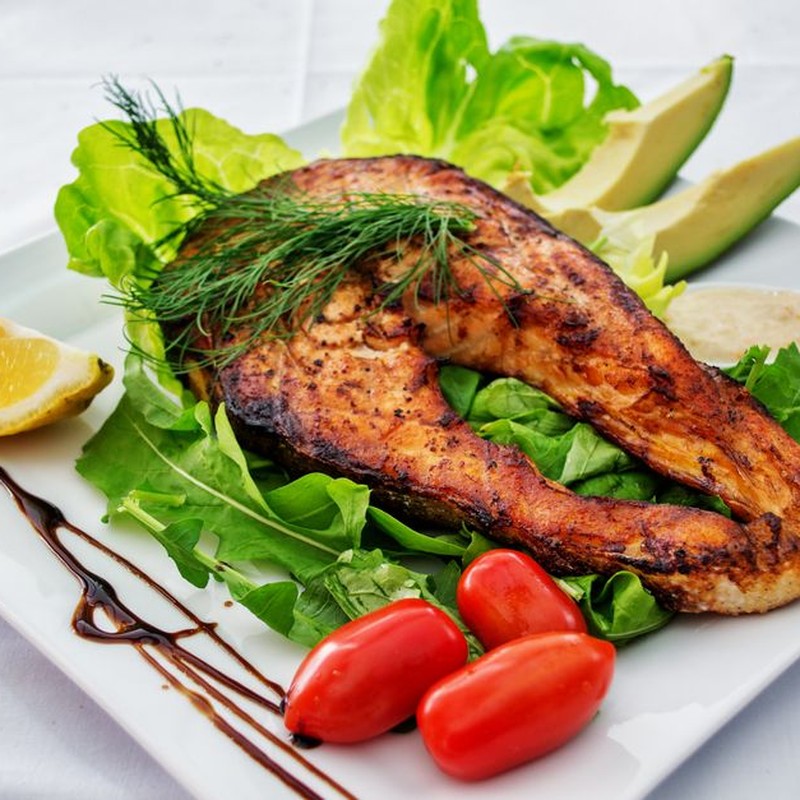
The plate method turns a normal dinner plate into a portion guide. No counting, no measuring. Just proportions: half vegetables, one quarter lean protein, one quarter whole grains or starchy sides.
Use a nine-inch plate. If yours are bigger, the portions get bigger, and starchy sides like potatoes, corn, or pasta pile up fast. Keeping the plate at nine inches keeps the meal in a reasonable range.
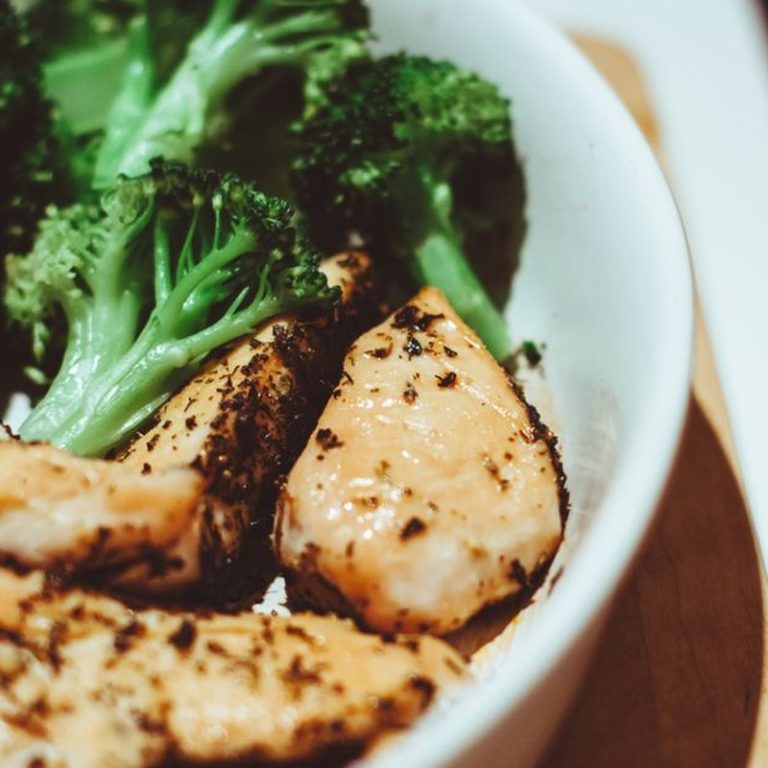
Here’s how I use it at home. When I cook pasta with broccoli, I pile the broccoli in first so it takes up half the plate. Then I add a chicken breast or a piece of fish. The pasta goes on the side, not in the middle. It sounds like a small shift, but it flips the order of everything I used to eat.
At restaurants, ask for extra vegetables instead of fries, or ask the server for a to-go box before the meal arrives and pack half of it before you start. That request takes two seconds and removes the need for willpower at the end of the meal.
2. The Hand-Portion Guide
The hand guide is a separate system for when you’re not at home or don’t have a plate. Your hand is proportional to your body, so it travels with you. The basic setup for each meal is simple:
- Protein: one palm-sized portion of meat, fish, chicken, tofu, or eggs. That’s about 4 to 6 ounces for most adults, and a bit more if your hands are large or you’re very active.
- Vegetables: one fist-sized portion of leafy greens, broccoli, peppers, or any other non-starchy vegetable. Double it if you’re still hungry.
- Carbs: one cupped hand of cooked rice, oats, pasta, fruit, or starchy vegetables like sweet potatoes. Cupped loosely, not packed.
- Fats: one thumb-sized portion of oil, butter, nut butter, avocado, or cheese.
Hand sizes vary. If you’re bigger or more active, your portions will be larger. If you’re smaller, or you’re not hungry at a meal, use a smaller portion. This guide isn’t a precise prescription—it’s a starting point. Adjust based on hunger, body size, and how your clothes fit.
I used this while traveling without a food scale. I’d order a rice bowl and build it by hand: a palm of chicken, a fist of vegetables, a cupped handful of rice, and a small thumb of sauce. It felt like a normal meal, and I didn’t have to search for nutrition info.
The difference between the plate method and the hand guide: the plate method changes proportions on a fixed plate. The hand guide lets you build a portion anywhere.
3. Eat Protein First at Every Meal
The order of bites matters. Some research suggests eating protein first can keep blood sugar steadier after a meal, and it helps you feel full before the carb-heavy parts of the meal disappear.
It doesn’t mean you have to finish a whole chicken breast. Just take your first bites from the protein on your plate. If you’re eating a burrito bowl, pick out the chicken or beef with your fork before you scoop up rice and beans. If you’re eating soup, spoon out the meat or tofu first.
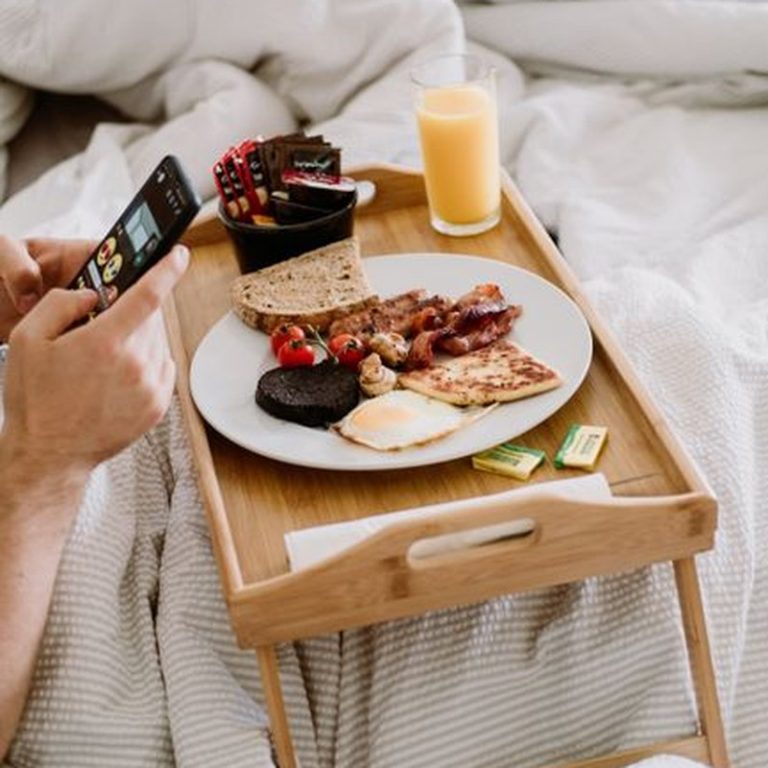
I do this at breakfast. My first bite is scrambled eggs or plain Greek yogurt, and the toast or fruit comes after. A few minutes later I’m less hungry, and I naturally eat less of the carb-heavy stuff.
This also works for snacks. Eat a handful of almonds, a boiled egg, or a piece of string cheese before crackers or chips. You’ll slow down the whole box before you know it.
4. Slow Down and Chew Thoroughly
Your brain lags behind your stomach. If you eat a full meal in seven minutes, the fullness signal hasn’t arrived yet. For most people, it takes around twenty minutes for the brain to register what’s going on.
The fix isn’t a special eating schedule. It’s picking one meal a day—usually the one you rush—and stretching it out. Set a timer on your phone if you need to. After a few days, you’ll feel the rhythm.
I used to eat lunch over the sink, standing up, and I’d be stuffed but still dissatisfied. When I forced myself to sit down and take smaller bites, I started stopping with food left on my plate. Not every time. But enough to make a difference.
Chewing thoroughly helps, too. It breaks food into smaller pieces and gives your brain more time to catch up. Try these cues at one meal: put your fork down between bites, take a sip of water after a few bites, and chew each bite until it goes down easily. You don’t have to be perfect. Just do it for the meal you usually inhale.
5. Cut Liquid Calories
Liquid calories slip under the radar because they don’t fill you up. A large sweetened coffee can carry 300 calories. Juice has around 150 per bottle. A sports drink after a light workout can add 200. That’s a snack you never feel.
The simplest approach is to swap one drink a day. Soda at lunch becomes sparkling water. A morning mocha becomes black coffee or plain tea four days a week. Keep the fun drink on weekends if you want.
I used to have a 500-calorie blended coffee habit. I didn’t quit cold turkey. I cut down to one a week, and the rest of the week I drank water or regular coffee. After a month, the big coffee wasn’t even appealing.
Other sneaky liquid calories: cream and sugar in coffee, sweetened iced tea, alcohol, and fruit juice. You don’t have to cut all of them. Choose the drink you have most often and make the swap there.
Pick One and Try It for a Week
All five methods work because they reduce calories without tracking. But you don’t need to adopt all five at once.
If you cook at home, start with the plate method. If you eat out a lot, the hand guide travels well. If you tend to eat carbs first, protein-first is the simplest. If you rush meals, slow down. If you drink sugary drinks, cutting liquid calories is often the fastest win.
After a week, notice what changed. Did you feel less stuffed? Did you lose a pound or two? Did you stop wanting the food you cut out? Keep what works and drop what doesn’t.
If you want to use a portion-control plate or a simple food scale, check current prices on Amazon before you order. And once you’ve tried one of these for a few days, leave a comment and tell me which one you picked. I’d love to know what helped.
How to Troubleshoot Plateaus and Stay Consistent
You’ve been eating without counting calories, and for a while the weight came off. Then one morning the scale doesn’t move. You repeat the same meals, get in the same walks, nothing happens for another week. This is usually the point where people quit. But the plan is not broken. It’s just at the edge of a normal plateau, and that edge needs a small tweak, not a full overhaul.
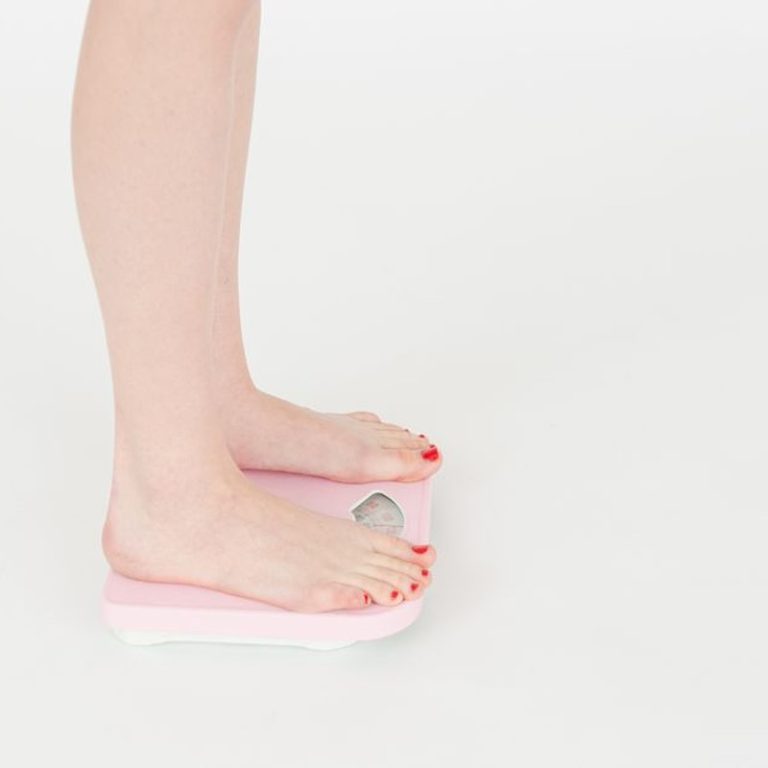
Body weight can swing two to four pounds in a single day. Water retention, salty meals, stress, a later dinner, and changes in sleep can all hide real fat loss. So don’t judge your progress by one bad weigh-in. Use the weekly trend. If the average over two to three weeks stays flat, then make one change.
The simplest adjustment is to shrink your portions slightly. You don’t need to measure everything again. Just take a little less of your main carb at dinner, or leave your last two bites on the plate. As a starting point, try reducing one meal portion by about 20 percent. That’s a rough gauge, not a hard rule — adjust up or down based on your hunger and energy levels. The other option is to add an extra daily walk of 20 to 30 minutes. I like walking after dinner because it stops the after-dinner snack urge and gives digestion a head start.
Try only one of these changes at first. If you shrink portions and add a walk on the same day, you’ll probably end up hungry and grumpy.
Hunger is your most honest feedback. If you are hungry all day and the weight has stopped dropping, that’s a sign you’re cutting too much. It doesn’t mean you lack willpower. It means the deficit is too big for your body to handle right now. Ease up. Aim for a moderate deficit, roughly 300 to 500 calories below maintenance, and make at least one meal mostly protein and vegetables. When the constant hunger goes away, sticking with the plan becomes far easier.
- If the scale stalls for two to three weeks, shrink one meal portion by about 20 percent. Treat that as a starting point, then fine-tune based on how you feel.
- Or add a 20 to 30 minute walk every day. Consistency matters more than speed.
- If you’re hungry all the time, add back 100 to 200 calories, focusing on protein and fiber.
One high-calorie meal doesn’t undo your work. In my own experience, one big holiday dinner can push the scale up two pounds, and two days later it’s gone. What actually hurts progress is telling yourself that one bad meal wrecked the whole week. Don’t do that. Have the next meal like normal. This habit of “get back on track now” is what separates people who lose weight without counting from people who give up.
Give any method at least four weeks before judging it. The first week is often water loss. In the second week, the body can hold extra water as it adjusts. After that, results vary from person to person. Some people see steady drops in weeks three and four; others see the scale stay flat and then move. If you switch plans every two weeks because you didn’t see a quick drop, you’re starting the clock over just before your body was ready to show progress.
If you want a little extra support, a portion-control plate or a simple digital food scale can help. I use my food scale mostly for peanut butter, oats, and pasta, since those are easy to overpour. Portion plates are useful when you’d rather look at your plate than weigh it. You can check current prices on Amazon if either sounds helpful. And if plateau strategies have worked for you — or if you’re stuck right now — tell us in the comments. How you handle a plateau might be exactly what another reader needs to hear.
Medical & Editorial Review: This article was reviewed by Liam Smith, founder of Apexfito, for accuracy and safety. Content is for educational purposes and is not a substitute for professional medical advice. Consult your physician before starting any exercise or nutrition program.