The 2026 Whey Protein Shortage: Why Prices Are Up and What to Buy Instead
Full disclosure: Some links in this article are affiliate links. We may earn a small commission at no extra cost to you if you make a purchase through them. Our recommendations are based on what real users report, not on commission size.
What’s Actually Happening With Whey Prices in 2026
If you’ve stood in the supplement aisle staring at a gap where your usual 5-pound tub used to sit, you’re not imagining it. On Oct. 8, 2026, ABC News ran a segment on whey protein powder prices, potential shortages and alternatives. Mainstream coverage like that tends to show up after shoppers have already noticed something’s off, not before.
The reporting describes rising prices and spotty supply, not a nationwide run on protein powder. That distinction matters, because those two situations call for very different responses from your wallet.
If you’ve seen photos of bare shelves circulating online, treat them as one data point rather than the whole picture. Store-level outages happen for plenty of reasons, including normal restocking gaps and regional distribution quirks.
Search interest backs up what shoppers feel
Over the past 12 months in the US, Google Trends shows ‘whey protein’ running around 19.8 recently against a yearly average of 16.6. ‘Protein powder’ is a bigger search overall, at roughly 50.6 recently versus 42.6 on average.
That’s demand, plain and simple. More people typing the same query and walking down the same aisle at the same time. When interest climbs and supply doesn’t keep pace, shelves thin out and prices creep up.
Why a dairy byproduct sets the price of your tub
Whey isn’t made on purpose. It’s a byproduct of cheese and dairy processing, the liquid left behind when milk becomes cheese or casein. So the cost of a tub depends on things that have nothing to do with the gym: how much dairy ingredient buyers are pulling, how much processing capacity is running, and how much it costs to move that material from plant to store.
When any of those links tighten, whey protein prices follow. Then there’s the processing itself. A basic concentrate goes through fewer steps than an isolate, and amino-spiked blends add another layer on top. More steps, more cost, which is why a plain concentrate and an isolate can sit at very different prices even when the tubs hold similar amounts of powder.
I saw this on my own kitchen counter. A tub I paid about $55 for in early 2025 was tagged noticeably higher on my last visit, and the 5-pound size wasn’t on the shelf at all. Just the 2-pound. Same brand, same flavor, smaller bag.
What you’re actually seeing on the shelf
Availability swings by brand, region and retailer. One store can have full shelves while another 40 minutes away has three lonely tubs of a flavor nobody wants. This isn’t a clean national event where every retailer ran dry on the same Tuesday.
A lot of what shoppers are describing is smaller package sizes at higher prices. The 5-pound tub quietly becomes a 4-pound, or the price per pound just climbs. Either way, your cost per gram of protein goes up, even when the sticker shock feels smaller.
Two reactions that cost you money
Panic buying. Grabbing four tubs at once empties the shelf for the next person and locks you into today’s price for months, whether or not prices settle back down. Whey is shelf-stable powder, but it isn’t improving with age either.
Buying whatever is left without reading the label. This one quietly hurts the most. A tub can say protein in giant letters and still deliver far less protein per scoop than you assume.
Next time you’re in the aisle, flip the container over and check two numbers: grams of protein per scoop, and the scoop size. Some brands use a 40-gram scoop that delivers 24 grams of protein. Others use a 30-gram scoop with 20 grams. Same shelf, very different value per dollar. Do that math before you buy, not after.
Practical moves for this week
- Track cost per gram, not cost per tub. Divide the price by the total grams of protein in the container. That single number lets you compare brands and sizes fairly.
- Skip the bulk panic order. Two tubs instead of five keeps you flexible if prices ease and stops you from overpaying for a year of powder.
- Check prices before you drive. Online listings move fast, and in-store tags can lag behind them. Two minutes on Amazon before committing to a bulk buy is worth it.
- Don’t cut your protein intake over this. If whey gets pricey, you have options worth a real look rather than an impulse grab at whatever’s left. Yeast protein in particular has been gaining ground as brands hunt for cheaper inputs than whey.
None of this is a reason to change how you eat tomorrow. It’s a reason to slow down for thirty seconds in the aisle and buy like someone who knows what they’re paying for. If your local shelves look worse than what I’ve described, say so in the comments. On-the-ground reports from different regions are more useful than any national headline. Before your next order, pull up Amazon and compare what you’d pay per gram today versus what you paid six months ago.
How Much Protein You Actually Need (and Why the Package Matters)
Before you pay a premium for a tub, or drive to a third store because the shelf is bare, it helps to know whether you need the powder at all. That sounds like a throwaway question. It isn’t. Plenty of people buying protein are already eating enough of it.
Harvard T.H. Chan School of Public Health published a piece on October 8, 2026 making that point directly: most Americans get enough protein, and the “package” it arrives in, whole food versus isolated powder, matters as much as the gram count on the label. Useful framing when you’re staring at a $70 tub and deciding whether to hit buy.
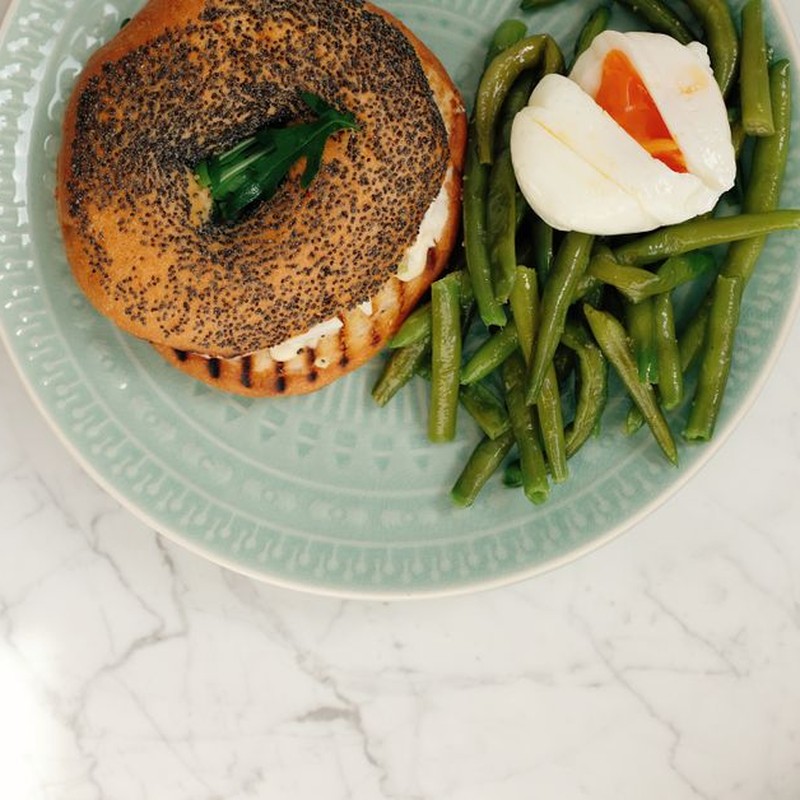
Your target range, in plain numbers
For adults training for muscle and recovery, sports nutrition guidance generally lands between 1.6 and 2.2 grams of protein per kilogram of body weight per day. Weigh 150 pounds? That’s roughly 110 to 150 grams daily, food and powder combined, not stacked on top of each other.
Notice how wide that range is. There’s no magic number hiding in the middle of it. A 150-pound lifter who eats 118 grams on Tuesday and 140 on Saturday is fine either way. Consistency across the week matters far more than the decimal point on any single day.
Myth one: you have 30 minutes after training
The anabolic window is the most expensive myth in the supplement aisle, because it’s the one that sells the most shakes. Missing a post-workout shake doesn’t waste your session. Total protein across the day, backed by enough total calories, does the heavy lifting. If your last meal was two hours before you lifted and your next one is an hour after, you’re covered.
Myth two: plant protein can’t build muscle
Soy is a complete protein, and pea-rice blends with a reasonable leucine content support training just fine. I’ve watched clients run full strength blocks on pea blends and hit the same numbers they hit on whey. The catch is usually taste, mixability, and texture, not results. If you can drink it, it works.
Myth three: more scoops, more muscle
Past roughly 1.6 grams per kilogram, extra protein mostly gets burned for energy or stored. Doubling your powder intake doesn’t double your gains. It mostly doubles your grocery bill, which is a strange move during a supply crunch.
What powder is actually for
Protein powder is a convenience product. It solves an appetite and scheduling problem. That’s it.
So run the test on your own week. Can you hit your target with yogurt, eggs, milk, cottage cheese, chicken, tuna, tofu, and beans? If yes, the price spike doesn’t have to change your diet at all. If you’re short 40 grams on a busy Tuesday and you’d rather blend something than cook something, that’s a good reason to keep a tub on the shelf. Buy it for that reason, not because a label convinced you it was mandatory.
I tracked my own week last spring and landed around 165 grams a day with a scoop and a half of powder, no effort involved. Cutting the powder entirely, adding a container of cottage cheese and a bigger dinner, got me to the same place. Four extra minutes of prep, lower cost. Your week will look different, but the exercise is worth doing once before you restock.
Work out your number, subtract what your normal meals already deliver, and see what’s left. Small gap? Buy the small tub or skip it. Real gap? Keep reading, because there are ways to close it without paying peak whey prices.
Protein Alternatives Worth Buying Right Now
Whey costs more than it did a year ago, and some shelves look thin. ABC News reported on the price hikes and potential shortages on Oct. 8, 2026. You are not out of options, though. The move is to stop hunting for a perfect one-for-one replacement and start comparing three things: cost per gram, protein quality, and whether you will actually finish the tub.
Here is the ranked menu I would hand a friend, running from best value to situational picks.
1. Food-first swaps (best cost per gram, hands down)
The Harvard T.H. Chan School of Public Health made a related point in October 2026: most Americans already eat enough protein, and which ‘package’ you get it in matters. Plain Greek yogurt, cottage cheese, fluid milk, eggs, canned tuna and salmon, chicken thighs, lentils, tofu and edamame almost always beat every powder on cost per gram. They also carry things a powder does not, like calcium, fiber and fats.
You do not have to give up shakes. Blend Greek yogurt into one for thickness. Stir cottage cheese into scrambled eggs. Keep canned tuna and chicken thighs for lunch, lentils and tofu for dinner. If your goal is muscle and recovery, getting 20 to 30 grams of protein per meal off that list is cheap and uncomplicated.
2. Yeast protein (the new one on the shelf)
TradingView reported on Oct. 3, 2026 that yeast protein is gaining ground as brands look for alternatives to costly whey. It is a complete protein made through fermentation, it is dairy-free, and it usually lands cheaper per gram than isolate. The sample I tried was mild in flavor and a little grainy, more like fine cornmeal than chalk. Fine with a banana blended in, odd in plain water. Start with a single-serve packet or small tub before you commit to a big bag.
3. Casein and milk protein blends
These often sit below whey isolate on price. They mix thicker, which suits a bedtime shake or a pudding-style snack, and they still contain all the essential amino acids, so recovery-wise they do the job. The catch is mouthfeel. Some brands go chalky, and the heavy texture is not for everyone. Like thick shakes? Easy swap. Prefer something light? Skip it.
4. Plant blends: pea, soy, and pea-rice combos
Read two numbers on the label instead of the front of the tub: protein grams per scoop and scoop size. A 30-gram scoop delivering 20 grams of protein is a worse deal than a 24-gram scoop delivering 21, and that gap shows up every time you reorder. Pea tends earthy, soy runs more neutral, and pea-rice blends round out the amino acid profile better than pea alone. Blending with oat milk or frozen fruit hides the grassy notes.
5. Milk powder (for lactose tolerators)
If dairy sits fine with you, plain milk powder and instant skim milk powder stretch shakes and oatmeal for very little money. The flavor is noticeably dairy-forward, almost like the milk at the bottom of a cereal bowl, so it plays well in chocolate or coffee shakes and less well in fruit ones. It is not an isolate, but a few spoonfuls thicken a shake and add protein for pennies.
The tradeoffs you will actually feel
Alternative proteins are not one-for-one swaps. Mixing behavior, aftertaste and sweetness swing a lot between brands, and plant options tend to clump more than whey, so you may need a blender or a shaker with a metal ball. Do not expect that thin, light texture either. Most alternatives pour thicker or grainier.
Buy the smallest size you can find, or split a tub with someone. A big bag of something you dislike is the most expensive purchase you can make.
My own rule is to rotate: whole foods for most meals, one powder I genuinely like for convenience, and no stockpiling a flavor I have not tasted. Check current prices on Amazon before you buy, since sales swing a lot, and if you have landed on a swap that works, drop it in the comments.
How to Shop Smart Without Panicking
Prices are moving week to week, so the number you saw on the shelf last month is not a reliable guide, and neither is brand loyalty. These are the moves that protect your wallet without turning your pantry into a bunker.
Compare cost per gram of protein, not cost per tub
A $50 tub is not cheaper than a $65 tub. It is only cheaper if it delivers more protein per dollar, and that comes down to two numbers in small type: servings per container and grams of protein per serving.
Tub price divided by (servings per container x grams of protein per serving) = cost per gram
Run it on two real containers. Tub A costs $50 and holds 30 servings at 24 grams each, so 720 grams of protein total. That is about 7 cents per gram. Tub B costs $65 and holds 65 servings at 25 grams each, so 1,625 grams total, or about 4 cents per gram. The one that looks like the bargain costs nearly twice as much per gram of protein.
Do that math once in the store and packaging stops working on you. I ran it on the four containers sitting in my own kitchen and the gap between the cheapest-looking one and the bulk bag was wider than I expected.
It matters more in 2026 because scoop sizes have shifted. A brand that used to print a 30-gram scoop on the front may now sell a 24-gram scoop in the same-sized tub. Same shelf footprint, less protein inside.
Read the Nutrition Facts panel, not the front label
The word protein on the front is marketing. The panel on the back is math. A scoop can hold 15 grams of protein or 30, and the front of the tub will not tell you which one you are holding.
Some blends also stretch the protein with maltodextrin, creamer, or a heavy dose of collagen, then count the whole scoop as protein. Flip the container and check three things: protein per serving, servings per container, and the first three ingredients. Ten seconds, and the label stops arguing with you.
Use the warehouse clubs and store brands
Bulk bags from Costco and Sam’s Club, plus supermarket private labels, often land within a few grams of the national brands for meaningfully less money. This is where the per-gram math usually swings your way.
One caveat: buy a single bag first and test it in a shaker with plain water, not buried in a smoothie where the flavor disappears. Mixability and aftertaste are where store brands separate from each other. Some are fine. Some clump into a paste at the bottom. If the first bag drinks well, commit to the bigger one.
Don’t hoard
Powder has a real shelf life. Flavors fade, texture changes, and the tub you stacked six deep in March is not the same product by December. Stocking up also locks you into a formula you might not tolerate, and if prices ease later you are drinking yesterday’s price out of your own closet.
Two containers covers almost every scenario: one you are drinking now, one backup. That is the whole plan.
Rotate instead of replacing
Yeast protein has been gaining ground as brands look for ways around costly whey, a shift reported in early October 2026. Plant blends have quietly improved too. You do not have to pick a side and stay there.
Keep one familiar whey blend for the days you want the taste you already know, and one yeast or plant option as the budget backup. When a price hike or a stockout hits one of them, your daily intake keeps rolling instead of stalling while you research a replacement.
It also helps to keep the stakes in perspective. Harvard T.H. Chan School of Public Health pointed out in October 2026 that most Americans already eat enough protein, and that the package it arrives in matters as much as the number. Eggs, dairy, beans, chicken, tuna, cottage cheese. Powder is convenience, not a requirement, which makes a shortage an annoyance rather than an emergency.
Before your next order, do this
Check current prices on Amazon and a couple of local retailers side by side before you buy anything. The gap between sellers is often wide enough to matter, and ABC News covered the price and availability picture in October 2026. That reporting is a useful starting point, though the stores within driving distance of you may be running very different promotions.
Then come back and tell us what you are seeing. Are your local shelves full or picked over? What did you pay, and for how many grams of protein? Did your usual brand restock at a sane price, or did you switch and stay switched? If you tried an alternative you would buy again, name it. The next reader is probably holding the same empty scoop right now.