Eating on GLP-1 Medications: Protein, Muscle, and the Truth About “Ozempic Face”
Full disclosure: Some links in this article are affiliate links. We may earn a small commission at no extra cost to you if you make a purchase through them. Our recommendations are based on what real users report, not on commission size.
Why GLP-1s Change Your Plate Before They Change Your Body
The first change on a GLP-1 usually isn’t visible. You sit down to a meal you’ve eaten a hundred times, and you’re done after six bites. Not stuffed. Not satisfied either. Just finished, with most of the food still sitting there and no interest in the rest.
That’s the drug doing exactly what it’s supposed to do. Semaglutide and tirzepatide mimic a hormone your gut already releases after you eat. They slow how fast the stomach empties and turn up the signals telling your brain you’ve had enough. Portions shrink. Meals get skipped, sometimes without you consciously deciding to skip them. And the scale starts moving in a way it probably hasn’t in years.
That’s a win. If your doctor prescribed this and it’s working, you don’t need a lecture from me about it.
The complication is what comes along for the ride.
Protein is the first thing to disappear
When you can only eat a small volume of food, every bite has to carry more weight. Protein is filling, it needs chewing, planning, and a trip to the store, and it’s the nutrient most likely to get dropped when appetite shuts off, because nothing in your body screams at you when you miss it. Muscle loss on a GLP-1 is quiet. Nobody feels a quad getting smaller on a Tuesday afternoon.
Fiber slides next. Vegetables are bulky, and bulky is the last thing you want when you already feel full after half a bowl. Micronutrients trail along behind, mostly unnoticed. A vitamin gap doesn’t announce itself either.
Here’s the part that catches people off guard: undereating happens automatically on these drugs. Undereating well doesn’t. Those are two different problems, and only one of them protects lean mass while the fat comes off.
The calorie math hasn’t changed
Weight loss still comes down to a calorie deficit. GLP-1 medications make that deficit almost effortless to reach, which is the entire point of them. What they don’t do is build a nutrition plan on your behalf. They cut appetite. They don’t decide what the calories you do eat are made of.
The Scranton Times-Tribune made this point in September 2026: as GLP-1 use grows, users should still pay attention to diet and exercise. It sounds too basic to bother repeating. It actually matters more on the medication than off it, because the hunger signal that used to nudge you toward food has gone quiet. You can’t eat on instinct anymore. Eating has to become a decision.
Side effects respond to technique, not willpower
Nausea, food aversions, and that heavy early-fullness sensation are common, especially in the first weeks and again after each dose increase. Gritting your teeth through them is the wrong tool, and it usually makes the problem worse. What helps is mechanical:
- Eat slower than feels natural, and stop at the first hint of fullness instead of waiting for the second.
- Run smaller meals more often. Four or five modest plates beat two ambitious ones.
- Choose moist, warm textures over dry, dense ones. Dry chicken breast is a rough sell on a queasy stomach.
- Keep large drinks away from meals. A big glass of water right before eating takes up space you don’t have.
- Track which foods reliably come back up for you. Fried and very fatty dishes top most people’s lists, not because they’re morally bad but because they’re predictably unpleasant.
One pattern I keep seeing, in clients and in comment sections: people pushing through nausea with bigger portions because they think they need to hit a calorie target. That backfires nearly every time. Shrinking the meal and adding a second one two hours later works far better, even though it feels less disciplined.
Two goals, and neither one is a perfect diet
What the rest of this piece is after is narrow and achievable. Protect muscle. Keep your energy high enough to train, work, and live. That’s it. Not a flawless macro split, not a spotless food log, not a plate that would impress a dietitian on Instagram.
There’s a reason to take this seriously without turning it into a guilt project. A surgical review reported by Men’s Fitness in September 2026 argued that part of what people casually call “Ozempic face” isn’t fat loss alone but what you’re not eating, meaning the nutritional shortfalls that ride along with rapid weight loss. That’s a useful frame, and not a frightening one. It just means the food side of the equation deserves the same attention as the prescription side.
Nobody sticks with guidance that makes them feel judged. So if you ate a protein bar for lunch instead of a chicken breast, that still counts. If you managed one decent meal today, that’s a data point, not a failure.
If you’re shopping for a protein powder, a shaker, or a kitchen scale to make any of this easier, check current prices on Amazon before you commit. And if you’ve found a texture, a timing trick, or a meal that stays down when nothing else does, drop it in the comments. That kind of practical detail helps more people than any study summary I could write.
Protein Targets That Actually Fit a Small Appetite
Appetite suppression makes undereating automatic. It does not make muscle loss automatic, but it stacks the deck that way when protein quietly slips. Search interest in the phrase ozempic diet has ticked up over the past month, and most of the questions behind that spike come down to the same thing: how do I get enough protein when food is the last thing I want?
Fair question, and it has a more concrete answer than most people expect.
General sports nutrition guidance for adults trying to hold onto lean mass while eating in a deficit sits around 0.7 to 1 gram of protein per pound of body weight per day. At 170 pounds, that is roughly 120 to 170 grams. That sounds absurd on a day when half a chicken breast fills you up, which is exactly why the number matters more than any meal plan.
Clinicians individualize it. Kidney history, age, total calories, and other conditions all push the target up or down. Treat 0.7 to 1 gram per pound as the opening line of a conversation with your prescriber or a dietitian, not as a prescription you pulled off a forum thread.
Then spread it out. Three or four eating occasions, roughly 25 to 40 grams each. Muscle responds to repeated signals through the day, not to one heroic dinner.
A structure that works for a lot of people:
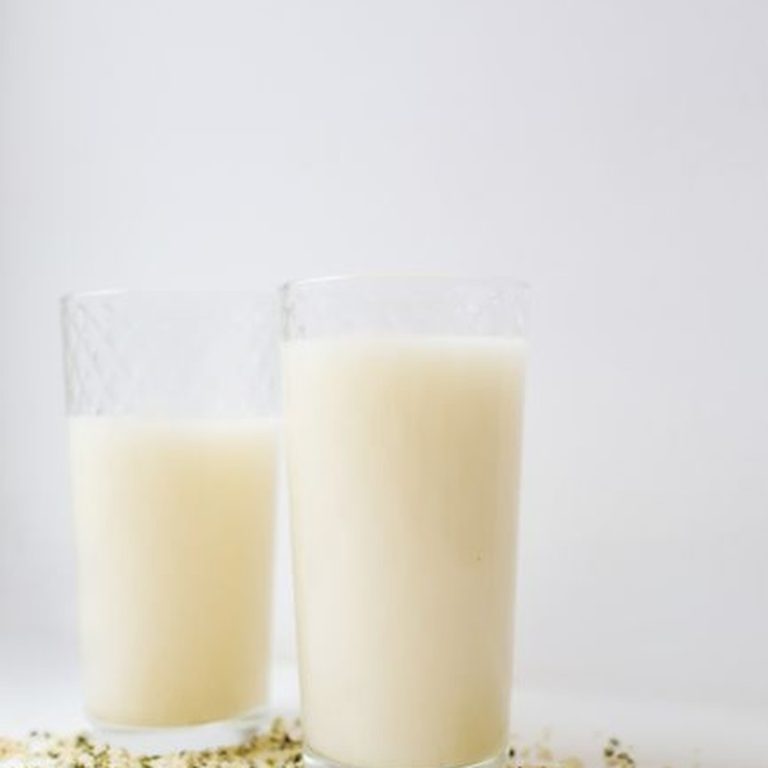
- Morning: a shake blended with milk or soy milk, 25 to 35 grams without any chewing
- Midday: Greek yogurt with a handful of granola
- Afternoon: cottage cheese, or a tuna pouch with crackers
- Evening: whatever the household is eating, protein portion first
That last point is the one people skip. Eat protein first, while the plate still looks good to you. Once you have worked through the vegetables and the rice, appetite is often gone, and you are left with a plate of starch and a shortfall you cannot fix at 9 p.m.
Texture drives everything when you are mildly nauseated. What tends to go down easily: Greek yogurt, cottage cheese, scrambled eggs, deli turkey, tuna pouches, firm tofu, shelled edamame, and ready-to-drink shakes. Chicken breast, unfortunately, is often the first food to become unbearable.
Liquid protein counts. A shake made with milk or soy milk is a full protein serving, not a compromise, on days when solid food is a hard no. Keep single-serve bottles in the fridge door, because having to assemble a shake is one more decision between you and eating. Amazon prices on these bounce around constantly, so it pays to check before you stock up, and it helps everyone else if you drop your own go-to in the comments.
One caveat worth saying out loud: these targets assume you are eating enough total calories to support training. If your intake has dropped to the point where you feel dizzy on the stairs, that is a conversation for your prescriber, not a protein powder problem.
The other half of the equation is training. Protein is the raw material; resistance training is the signal that tells your body to keep muscle while fat comes off. Two or three sessions a week is enough to send that signal. Squats, rows, push-ups, a pair of dumbbells, whatever you will actually repeat on a tired Tuesday. Protein without that signal does noticeably less work.
And do not cut protein to cut calories further. That is the fastest route to losing lean mass along with the fat, and it is part of what sits behind the changes people have started calling Ozempic face. A surgical review published in September 2026 and covered by Men’s Fitness argued that a meaningful chunk of that hollow, sunken look is not fat loss alone. It is what people stop eating. The Scranton Times-Tribune made a related point that same month: as GLP-1 use grows, diet and exercise still matter. Nothing about the medication changes that.
Ozempic Face: What’s Fat Loss and What’s Undereating
You’ve seen the phrase in a headline or a before-and-after photo. Hollow cheeks. Sunken temples. A jawline that looks less supported than it used to. The change is real, and it can be unsettling. The name, though, is doing misleading work. The medication isn’t melting your face. Appetite suppression changes how much you eat, and that changes how your face looks.
Here’s what happens under the skin. Your face holds several distinct fat pads (buccal, malar, temporal) that give cheeks and temples their roundness and structure. Lose fat quickly and those pads shrink. You also drop fluid, especially when you’re eating less salt and fewer carbs, which can flatten the face temporarily. Skin that doesn’t snap back as fast, because of age, sun damage, or smoking history, makes the change more visible. Fat loss, fluid loss, and the condition of the skin over both. That’s the mix.
The September 18, 2026 Men’s Fitness piece on a new surgical review added a distinction worth keeping. Part of what people call Ozempic face isn’t fat loss at all. It’s what they aren’t eating. Low protein, low overall intake, dehydration, and nutrient gaps can leave skin and underlying tissue looking depleted.
Be precise about what a surgical review is, though. It summarizes and interprets existing literature. It’s a strong lens for asking better questions, not proof that one missing nutrient causes or reverses facial change. Still, it lines up with what I see with clients on GLP-1s. The ones who undereat by accident look worse faster than the ones who hit protein and fluids every day.
Other variables matter just as much. Age changes skin elasticity. Genetics decide where you lose fat first. Smoking and sun exposure break down collagen and elastin. And speed matters a lot. Lose 20 pounds in two months and your face will show it more than if those 20 pounds come off over five or six months. That’s tissue biology, not a moral failing.
The myth is that the drug targets your face. It doesn’t. The drug suppresses appetite. If that suppression has you skipping meals, pushing food around your plate, or drinking nothing but coffee until dinner, you’ve built a steep deficit without meaning to. Aggressive deficits and skipped meals make the face look gaunt faster, and they cost muscle too. The Scranton Times-Tribune reported on September 20, 2026 that as GLP-1 use grows, users should still pay attention to diet and exercise. That’s the point. The medication is a tool, not a replacement for eating well.
So what do you do about it? You don’t panic, and you don’t change your medication on your own. You tighten the inputs you can control.
- Protein first, every time you eat. Aim for 25 to 40 grams per meal, depending on your body size and your prescriber’s or dietitian’s guidance. Greek yogurt with a scoop of whey, eggs and cottage cheese, chicken and rice, tofu and edamame. If you can’t finish a full plate, drink your protein. A shake with milk or soy milk goes down easier than chewing when appetite is low.
- Drink more than you think you need. GLP-1s can blunt thirst along with hunger. Keep a bottle within arm’s reach. Aim for pale yellow urine. If you’re sweating hard or training, talk to your doctor about electrolytes, especially if you take blood pressure or kidney medications.
- Don’t skip meals just because you’re not hungry. Set two or three anchor meals and keep them small but protein-dense. A missed meal is a missed chance to feed your skin, muscle, and hair.
- Eat color for micronutrients. Fruits, vegetables, and whole grains cover vitamin C, zinc, and other nutrients involved in collagen production. You don’t need a perfect diet. You need enough.
- Lift weights two or three times a week. Resistance training tells your body to hold onto muscle while fat comes off. It also supports posture, which changes how your face and neck read. No fancy gym required. Bodyweight squats, push-ups, band rows, and carries work.
- Slow the loss if you can. About 0.5 to 1 percent of body weight per week tends to be more muscle-sparing than a crash. Your prescriber owns the dose. You own whether you’re eating enough to support it.
If your face changes and it bothers you, bring it to your prescriber. Not the internet, not a comment thread. Ask whether your dose or titration schedule can be reviewed, and ask for a referral to a registered dietitian who works with GLP-1 patients. That’s a normal request. A dietitian can look at your actual intake and help you close the gaps without guessing.
One more thing: don’t let anyone shame you for noticing. Weight loss changes your face. That’s not vanity. It’s a visible change in a visible part of your body. The goal isn’t to stay the same. It’s to lose fat while keeping muscle, hydration, and the nutrients your skin needs. If you’re shopping for protein powder, a food scale, or a shaker bottle to make this easier, check current prices on Amazon. And if you’ve dealt with facial changes on a GLP-1, share what worked in the comments. Someone else is probably searching for the same answer.
A Simple GLP-1 Eating Day You Can Actually Keep
This is the template I would hand someone in week one. It is not clever, and that is why it usually survives a busy Tuesday.
Build the day around three small protein-first meals plus one or two snacks, and eat on a schedule instead of on hunger. Hunger cues are unreliable on these medications. You can coast through most of the day feeling nothing, then look up at 5 p.m. and realize your only protein was the milk in your coffee. Set phone alarms and treat them like a prescription refill, not a suggestion.
What a day can look like
- On waking: 20 to 30 g of protein before anything else. Greek yogurt with a scoop of powder stirred in, a shake, or cottage cheese. Small volume, high return.
- Mid-morning or midday: 4 to 6 oz of chicken, fish, tofu, or eggs. Protein first, then the starch and vegetables if there is room.
- Afternoon snack: A yogurt cup, a cheese stick with a few crackers, or half a shake. This is the slot most people skip, and it is usually the one that closes the protein gap.
- Evening: A smaller version of dinner, again protein first.
- Before bed: If you are still short on the day, cottage cheese or casein.
Drink before you eat and sip through the day rather than gulping a full glass with meals. Fluids taken with food tend to push the protein off your plate.
Plan your hardest window
Many people on weekly injectables eat the least in the 24 to 72 hours after a dose. If that is you, stop expecting those days to look normal. Keep shakes, yogurt cups, and pre-portioned protein within arm’s reach, and drop the bar to liquid and easy until appetite comes back. I keep a shaker already loaded with powder on the counter, because the friction of finding it is enough to stop me on a low-appetite day.
Hydration and what to track
Pale-yellow urine is a rough hydration check and nothing more. Electrolytes help if your intake is very low or you are sweating a lot, especially in summer or during hard training.
Track protein for the first few weeks, not calories. A cheap food scale and a notes app beat guessing, and the pattern shows up fast. Within ten days you will know which meals carry you and which ones quietly cost you 40 g.
Cover the gaps
Add fiber from fruit, vegetables, and whole grains when you can handle the volume, plus a basic multivitamin if your clinician agrees.
Here is where the “Ozempic face” conversation gets more interesting than the internet version. A September 2026 surgical review covered in Men’s Fitness argued that part of what gets labeled that way is not fat loss at all. It is what people stop eating. Protein, iron, zinc, and the vitamins that support skin and hair all get squeezed when intake collapses, and the face shows it early. The Scranton Times-Tribune made a related point that same month: as GLP-1 use grows, diet and exercise still matter. The drug changes the appetite, not the requirement.
When to call a clinician
Some things are not a nutrition tweak. Persistent vomiting, dizziness when you stand up, noticeable hair shedding, no appetite for days on end, or a clear drop in strength at the gym all deserve a phone call. None of that is a personal failing, and none of it is something to white-knuckle through.
If you want a starting kit, check current prices on Amazon for a protein powder you will genuinely drink, a shaker bottle, and an inexpensive food scale. Those three items cover most of the gap this whole approach is built around.
Then come back and tell us in the comments what is actually working for you. Which meal is hardest to get down? What did you keep in the fridge during your low-appetite days? Someone reading this tonight is in week one and could use your answer.