Fibermaxxing: How the Gut Health Trend Works and How to Start
Full disclosure: Some links in this article are affiliate links. We may earn a small commission at no extra cost to you if you make a purchase through them. Our recommendations are based on what real users report, not on commission size.

What ‘Fibermaxxing’ Actually Means
Fibermaxxing sounds like something you’d see on a gym whiteboard next to ‘progressive overload’ and ‘creatine timing.’ But the term is simpler than it looks. It’s a push to eat more fiber – mostly from whole and minimally processed foods – without turning your meals into a science experiment. No proprietary powder, no strict rules, no cutting out entire food groups.
The word picked up steam in October 2026 when a Hy-Vee dietitian wrote a column for Southernminn.com called ‘Fibermaxxing: The nutrition trend worth adding to your plate.’ Around the same time, TODAY.com published a piece on high-fiber fall foods recommended by a GI doctor, and The Independent ran a story on the easiest diet changes to improve gut health. Three different outlets, same week, same basic message: most of us could stand to eat more fiber.
It’s not about eating bran by the bowlful or buying expensive powders and supplements. It’s not a cleanse. It’s not a 30-day challenge. It’s a straightforward idea: find small, sustainable ways to add fiber to meals you already eat.
That might look like:
- Throwing a handful of spinach into your morning eggs
- Adding half a cup of black beans to a lunch salad
- Swapping white rice for brown rice or quinoa a few times a week
- Snacking on an apple with peanut butter instead of a granola bar
- Stirring frozen berries into yogurt
None of that requires a special product or a subscription. And that’s exactly why fibermaxxing has legs. Unlike many trendy diets, there’s no proprietary supplement to sell you, no extreme restriction to follow, no guru telling you that fruit is bad. It’s just a focus on a nutrient most people need more of.
The interest is real – even if the numbers are modest
Google Trends data for the past year shows searches for ‘fiber’ rising from a 65.5 average to 74.1. Searches for ‘gut health’ ticked up from 4.2 to 4.4. That second number is low in absolute terms – gut health isn’t suddenly as popular as, say, ‘protein’ – but the direction matters. People are paying attention.
Why dietitians and GI doctors are on board
Most adults in the US and Canada don’t get enough fiber. That’s not a guess – it’s a well-documented gap. So when a trend encourages people to close that gap, health professionals tend to support it. A GI doctor quoted in the TODAY.com piece pointed to high-fiber fall foods like squash, apples, and Brussels sprouts. The Independent’s piece focused on simple diet changes, not drastic overhauls.
One caution: if you’re coming from a very low-fiber diet, don’t jump from 10 grams to 40 grams in a day. That’s a recipe for bloating, gas, and a sudden reluctance to keep going. Increase gradually over a few weeks, drink plenty of water, and give your gut bacteria time to adjust.
Fibermaxxing isn’t a magic bullet. It’s just a name for something dietitians have recommended forever. But if a trendy word gets more people to eat an extra serving of vegetables or beans, that’s a win. No proprietary product required.
How Fiber Supports Fitness and Gut Health
Fiber does not get the hype that protein and creatine do, and that is fair. It will not add 20 pounds to your squat or shave a minute off your 5K. What it does is keep the systems your training depends on running properly. Digestion, blood sugar, appetite, energy between meals, and how often you actually make it to the gym. Fiber touches all of it.
That may be why fibermaxxing has stuck around instead of fizzling out like most nutrition trends. A Hy-Vee dietitian writing in October 2026 called it a nutrition trend worth adding to your plate, which is a measured endorsement from someone whose job involves talking people out of bad ideas for a living.

Your gut bacteria eat before you do
A large share of the fiber you eat never gets absorbed by you. It gets fermented by the bacteria living in your colon instead. Those bacteria produce short-chain fatty acids that feed the cells lining your gut, and a well-fed microbiome tends to mean more regular digestion and less of that heavy, sluggish feeling after meals.
The mood and immune angle gets oversold online, so treat it carefully. Gut bacteria do interact with the immune system and with signaling along the gut-brain axis, but the research is still early in a lot of places. What is not speculative is the chain of consequences. Messy digestion leads to worse sleep, worse mood, and skipped workouts. That sequence happens whether or not every mechanism is fully mapped out yet.
The practical takeaway is that variety beats chasing one perfect fiber source. Rotating beans, oats, berries, whole grains, and vegetables feeds different bacterial strains than eating a cup of the same thing every morning. Different fibers get fermented by different microbes, so a wider rotation supports a more diverse population.
Soluble fiber, blood sugar, and steadier training
Soluble fiber, the kind in oats, barley, beans, apples, and psyllium, forms a gel-like substance in your gut that slows how quickly food moves through your system. Sugar enters the bloodstream more gradually instead of in one rush.
I started mixing a spoonful of psyllium into my morning oats last fall, mostly out of curiosity. The difference in how I felt an hour later was noticeable. No mid-morning crash, no urge to nap at my desk. Your mileage will vary, but the mechanism here is not mysterious.
There is a second mechanism worth knowing about. Soluble fiber binds bile acids in the gut, and your body replaces those bile acids by pulling cholesterol out of circulation, which is one of the better-supported reasons soluble fiber shows up in heart-health guidance. It is a slow, cumulative effect, not something you feel in a week. The one caveat is mineral absorption. Very high fiber intakes can interfere with iron and zinc uptake, but that is mainly a concern at extreme intakes, not at the moderate amounts most people are working toward.
For anyone training in the morning or early afternoon, a steadier glucose curve means fewer sessions where you are running on fumes by the second half. This is not a pre-workout. It is the difference between arriving at the gym with fuel and arriving with a blood sugar hangover.
Feeling full without doing calorie math
Fiber takes up space, slows stomach emptying, and triggers satiety signals. A bowl of oatmeal with berries holds you far longer than a granola bar with the same calories, and that is mostly a fiber and volume story.
If you are trying to lean out or shift your body composition, this is the quiet advantage. You eat a normal-sized plate, feel satisfied, and stop thinking about food for a few hours. No tracking app required, and no white-knuckling it through the afternoon.
One caution. Fiber-rich meals feel better when they include protein and some fat. A plate of raw vegetables on its own will leave you hungry in 45 minutes. Add chicken, Greek yogurt, eggs, or tofu and the meal actually holds. Fiber and protein together do more for appetite control than either one does alone.
Insoluble fiber and the protein ramp
Insoluble fiber, the kind in wheat bran, leafy greens, and the skins of fruits and vegetables, adds bulk to stool and helps it move. This matters more than most people admit.
Two common triggers for constipation in active people are ramping up protein without adjusting fiber, and travel. Both slow things down, and both make training feel terrible. You are not hitting a PR when you are bloated and uncomfortable.
So if you are increasing protein for muscle gain, increase fiber alongside it. Treat them as a package deal rather than two separate projects. Fluid matters here too, since fiber without enough water can make constipation worse instead of better.
Seasonal produce does most of the work
TODAY.com ran a piece in October 2026 about high-fiber fall foods recommended by a GI doctor, and The Independent covered easy gut-health diet changes around the same time. Both landed on the same theme. The foods in this category are boring in the best way, fall produce like apples, squash, and legumes rather than anything exotic or expensive.
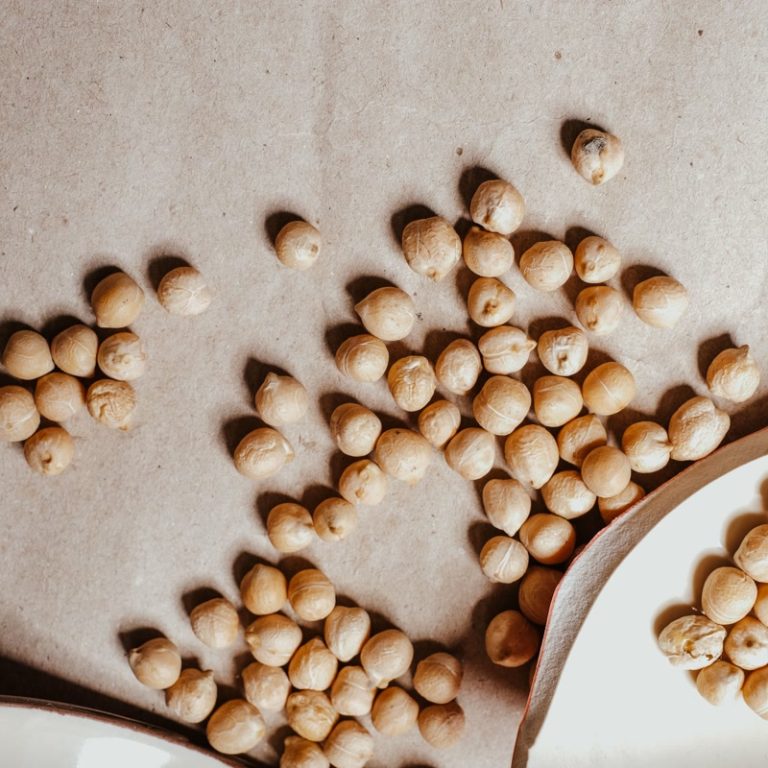
That is the point. You do not need a $14 bag of fiber powder to hit a reasonable intake. A pear with the skin on, a bowl of butternut squash soup, or half a can of chickpeas thrown into a salad gets you moving in the right direction without a spreadsheet.
Fiber is not a magic performance enhancer. It is a foundational nutrient that supports the systems your training leans on, including digestion, energy, appetite control, and consistency. You do not need to max anything out. You just need enough, most days.
Practical Ways to Add Fiber Without the Bloat
Fibermaxxing is easy to read about and surprisingly easy to get wrong in the first two weeks. After the October 2026 wave of coverage – including the Hy-Vee dietitian piece that framed it as a trend worth adding to your plate – I started pushing my daily fiber up. I went too fast on day three and spent an evening on the couch regretting a very large bowl of black beans. What follows is the version that actually worked.
Build the ramp, don’t sprint it
Going from 10 grams a day to 40 grams overnight is a recipe for gas, bloating, and cramping. Your gut bacteria need time to adjust to new fiber sources, and that adjustment is measured in days to weeks, not hours.
Here’s the sequence I’d hand a beginner:
- Week 1: one new fiber source, once a day. A tablespoon of chia in oatmeal. Half a cup of cooked lentils. A cup of berries.
- Week 2: keep that one and add roughly 5 more grams per day – about one extra serving of fruit, vegetables, or whole grains.
- Weeks 3 to 4: add a second source at a different meal, so your gut isn’t handling a big load all at once.
That pace lands you at a realistic 25 to 30 grams a day over a month or two instead of 40 by Friday. Stick with each addition for a few days before changing anything else.
Water is not optional
Fiber needs fluid to move through your system smoothly. Add bulk without liquid and you can end up more constipated and more bloated than you were before you started. I drink an extra glass with every high-fiber meal – one before, one after – and that single habit did more for my comfort than any food swap.
Quick self-check: pale yellow urine. Dark yellow means you’re behind. Not glamorous, but it’s free and it’s accurate.
Whole foods first
Berries, beans, lentils, oats, chia seeds, whole grains, vegetables. The Independent’s October 2026 piece on easy diet changes for gut health makes the case for simple swaps over drastic overhauls, and that tracks with what actually sticks. Swap white rice for brown. Add a handful of spinach to a sandwich you already eat. Stir half a can of chickpeas into a soup you already make.
TODAY.com ran a GI doctor’s list of six high-fiber fall foods in October 2026, and the through-line was seasonal produce – squash, apples, pears, root vegetables. Buying what’s in season is cheaper and usually tastes better, which matters more for adherence than any nutrition label.
One new food at a time
If you tolerate a food well, keep it in rotation. If you don’t, cut the portion and try again in a week or two. I handle about a quarter cup of black beans comfortably; a full cup still gets me if I eat it fast. Most people who blame fiber for bloating are really blaming one specific food they added alongside four others.
Do not add three new high-fiber foods on the same day. You’ll feel miserable and learn nothing about which one caused it.
Supplements are a backup
If you genuinely can’t hit your target from food, a supplement can bridge the gap. Look for one with a short ingredient list and not much added sugar. Plain psyllium husk is the example I keep coming back to – no flavor, no sweeteners, mixed with water and drunk before it thickens into gel. Start with a partial dose, because a full scoop on day one is how people end up with cramps and quit.
Food first, always. A supplement fills a gap; it doesn’t fix a diet built mostly on refined carbs and protein shakes.
Pair fiber with protein and fat
Fiber alone won’t keep you full for long. Protein and fat slow digestion further and supply the amino acids you need for muscle repair after training. My post-workout default is Greek yogurt with berries, chia, and a scoop of protein powder. On cold days it’s lentil soup with grilled chicken on the side.
Around training this matters more, not less. Fiber supports digestion and steadier blood sugar, but protein and fat are what rebuild muscle. Don’t sacrifice one for the other.
Add one thing, drink the water, and give it a full two weeks before you judge it. Most people bail on day four because they tried to fit a month of change into a weekend.
Common Mistakes and a Realistic Starting Plan
If you have spent any time in fitness circles lately, you have probably heard someone insist you can never eat too much fiber. I believed that for a while. Then I doubled my intake over about three days and spent the next afternoon bloated, gassy, and generally miserable in my own kitchen. Your gut needs time to catch up. Going from a modest intake to something extreme overnight is a reliable way to feel awful, and pushing certain high-fiber foods hard can also interfere with how you absorb minerals like iron, zinc, and calcium. Consistency beats chasing a number every single time.
Another myth worth retiring: fiber only matters for digestion. A Hy-Vee dietitian writing for Southernminn.com in October 2026 made the case that fibermaxxing earns its spot on your plate for reasons well beyond regularity. Fiber supports heart health, plays a role in blood sugar management by slowing how quickly glucose hits your bloodstream, and helps with weight management by keeping you full between meals. A GI doctor told TODAY.com that high-fiber fall foods are great for gut health, but the benefits clearly reach past your stomach.
You also do not need a pricey powder. The Independent ran a piece in October 2026 on the easiest diet changes for gut health, and none of the suggestions came in a tub with a scoop. Canned beans, rolled oats, frozen vegetables. Cheap, effective, sitting right there in the grocery store. I keep a bag of frozen edamame in my freezer for nights when I want something fast. Two minutes in the microwave and I have a fiber-packed side dish.
So what does a realistic start actually look like? For week one, do not overhaul anything. Just add three things:
- One serving of vegetables to lunch. A handful of baby carrots, a side salad, or leftover roasted broccoli.
- One piece of fruit to breakfast. A banana, an apple, or a cup of berries.
- A half-cup of beans to dinner. Black beans in a burrito, chickpeas in a curry, or lentils stirred into soup.
That is the whole plan. No counting grams, no app, no spreadsheet. I started this last month and by day three my afternoon energy felt steadier, digestion was smoother, and I was not ravenous at 3 p.m. Those signals tell you more than a food log alone. Track how you feel instead of just what you ate. Energy, digestion, hunger cues. A quick note on your phone is plenty if you want something to look back on.
One thing to keep in mind: if you have a GI condition such as IBS or Crohn’s, talk to your doctor before making big changes to your diet. Your situation is specific to you, and a plan that works for a random person on the internet may not work for your gut.
Disclosure: this article contains an affiliate link. If you buy through it, we may earn a small commission at no extra cost to you. If convenience matters more than cooking from scratch, you can check current prices on Amazon for whole grains, legumes, or a gentle fiber supplement. Beans and oats will still get you most of the way there.
What fiber swap worked for you? Share your experience in the comments so the rest of us can steal it.
This article is educational and is not personalized medical or nutrition advice. Speak with a qualified professional about your individual needs.
Fibermaxxing is a tool, not a rulebook. Changes to your diet should fit your life, not the other way around. Start small, stay consistent, and let your body tell you whether it is working.