Conventional Vs Sumo Deadlift
Conventional vs Sumo Deadlift: Which One Fits You?
You walk up to the barbell, set your stance, and pull. But are you leaving pounds on the floor—or worse, irritating your lower back—because you picked the wrong style? The conventional and sumo deadlifts both build serious strength, yet they demand different things from your body. Choosing the right one comes down to your anatomy, your training history, and what you are actually trying to improve.
Let me break down how each style works so you can stop guessing and start pulling with confidence.
How Each Deadlift Changes Your Body Mechanics
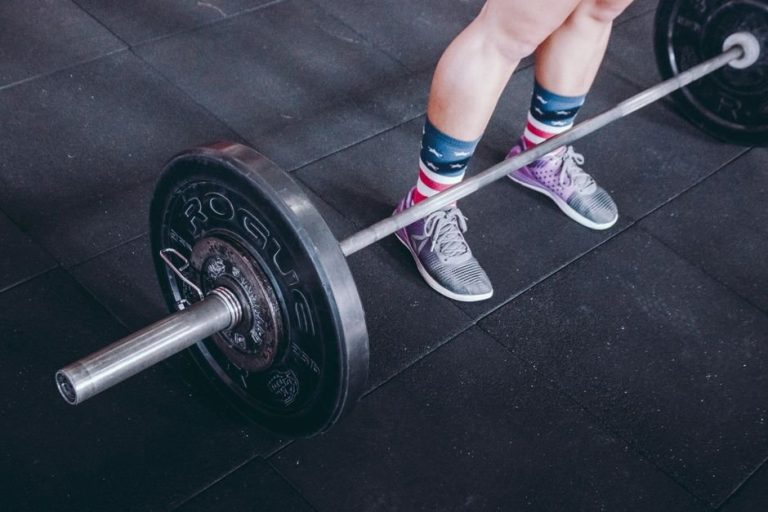
>In a conventional deadlift, your feet sit about shoulder-width apart or slightly wider, with your hands gripping the bar just outside your legs. From this position, your torso leans forward significantly to reach the bar. That forward angle means your erector spinae, lats, and entire posterior chain work overtime to keep your spine neutral while you pull. Your hips start higher, your hamstrings preload with tension, and your low back acts as a major lever in the movement.
The sumo deadlift flips the script. You take a wide stance with your toes pointing sharply outward—sometimes almost parallel to the plates—and grip the bar between your legs. Because your feet are out wide, your arms hang straight down, which drops your hips closer to the bar and keeps your torso far more upright. That upright posture shifts stress away from your lumbar spine and places it squarely on your quads, adductors, and glutes.
From a biomechanics standpoint, both lifts produce comparable peak force outputs. Research endorsed by the NSCA shows that total body muscle activation remains similar between the two styles; the difference lies in where that tension goes. Conventional pulls tend to favor hamstring and low-back recruitment, while sumo pulls increase quadriceps and adductor involvement due to the greater knee flexion and hip external rotation required.
Hip vs Back Involvement: What You Actually Feel
>If your goal is to build a resilient back, the conventional deadlift gives you more direct spinal erector loading. Every rep forces those muscles to maintain extension under heavy load, which is why powerlifters with strong backs often prefer this style. You will feel your hamstrings stretch at the bottom and your glutes fire hard at lockout, but the low-back fatigue is unmistakable.
The sumo deadlift, by contrast, feels more like a squat-deadlift hybrid. Your quads drive off the floor, your adductors squeeze hard to keep your knees tracking over your toes, and your glutes handle the final hip extension. Because your torso stays upright, the shear force on your lumbar spine decreases. For lifters who struggle with back pain or who have a history of disc issues, this can be a game-changer. The trade-off? Sumo demands more hip mobility and adductor strength than many people realize.
Your individual levers matter here. If you have long arms and a short torso, conventional pulling usually feels natural because your arms erase much of the forward lean. If you have a long torso and shorter arms, sumo often puts you in a stronger starting position because you do not have to fold forward as much to reach the bar.
When to Pull Conventional
Stick with conventional if your posterior chain is a priority. This style builds rugged hamstrings, glutes, and back strength that carries over to athletics, manual labor, and everyday life. The hip hinge pattern you practice here transfers directly to kettlebell swings, Romanian deadlifts, and picking heavy objects off the ground without rounding your spine.
Conventional is also the better teacher for beginners who need to learn what a proper hip hinge feels like. The movement is more intuitive—bend at the hips, grip the bar, stand up—and it exposes bad posture immediately. If your back rounds, you feel it right away. That feedback loop builds better movement habits that protect you outside the gym.
If you compete in strongman or CrossFit, conventional has more carryover to events like atlas stone loading, tire flips, and odd-object carries. Real-world strength rarely happens in a perfect wide stance with a straight barbell.
When to Go Sumo
Switch to sumo if conventional deadlifts beat up your lower back no matter how much you brace. The upright torso reduces spinal compression and lets you push through leg strength rather than back strength. Many lifters who stall at mid-shin on conventional find they can break the floor easier in sumo because the range of motion shrinks and the quad drive helps initiate the pull.
Sumo also shines if you want to target your adductors and quads more directly. Those muscles often get neglected in standard posterior-chain programs, and strengthening them can improve your squat depth and hip stability.
Powerlifters should consider this: a meta-analysis of competition data shows that many elite lifters choose sumo because the reduced bar path distance translates to moving more weight with the same effort. If your only goal is to lift the most possible pounds in competition, sumo is worth a serious trial period.
Common Mistakes on Both Styles
Conventional errors:
- Starting with your hips too low. You are not squatting the weight up. If your hips shoot up first and your back rounds to finish the pull, your starting position was wrong. Raise your hips until you feel tension in your hamstrings before you pull.
- Hyperextending at the top. Lockout means standing straight, not leaning back like you are trying to spot a plane. Squeeze your glutes and stop there.
- Bending the bar around your shins. The bar should travel in a straight line, almost grazing your body. If it drifts forward, your center of mass shifts and your back pays the price.
Sumo errors:
- Not spreading the floor apart. Your knees should track directly over your toes throughout the pull. If they cave inward, you are losing force and stressing your joints. Think about pushing your feet out against the sides of your shoes.
- Gripping too narrow. Your arms should hang vertically. A narrow grip forces you to hunch forward, which defeats the whole purpose of the wide stance.
- Rushing the setup. Sumo takes longer to set up correctly. Your stance width, toe angle, and grip placement all matter more than in conventional. Take your time.
Switching Styles: How to Transition Without Getting Hurt
If you have pulled conventional for years and want to try sumo, treat it like a new lift, not a variation. Start at fifty to sixty percent of your conventional max and build volume over four to six weeks. Your adductors and hips will need time to adapt to the new demands.
The same rule applies in reverse. Conventional pulling exposes your hamstrings to a deeper stretch under load, so jumping straight into heavy singles after months of sumo work is a recipe for a pull. Use Romanian deadlifts and good mornings to rebuild that posterior-chain resilience first.
You do not have to marry one style. Many strong lifters train both, rotating them across mesocycles or using one as a primary lift and the other as an accessory. The ACSM recommends training movement variety to reduce overuse injuries and address muscular imbalances—so your program can absolutely include both.
The Bottom Line
Neither deadlift style is universally superior. Conventional builds raw posterior-chain strength and teaches you to hinge under load. Sumo spares your back, loads your quads and adductors, and can move more weight for some lifters. Your best choice depends on your body structure, your injury history, and your goals.
Try both. Film your sets. See which one lets you stay tight, keep a neutral spine, and pull without pain. That is the deadlift that fits you.
About the author: href=”https://www.apexfito.com/liam-smith-author-founder-of-apexfito/”>Lia m Smith is the founder of Apexfito and writes evidence-based training guides and gear reviews.
Medical & Editorial Review: This article was reviewed by Liam Smith for accuracy and safety. Content is for educational purposes only.
Related reading: