Best Rowing Machines for Home Gyms in 2026: Budget to Premium Picks
Full disclosure: Some links in this article are affiliate links. We may earn a small commission at no extra cost to you if you make a purchase through them. Our recommendations are based on what real users report, not on commission size.
Why Rowing Machines Deliver Full-Body Conditioning Without the Joint Impact
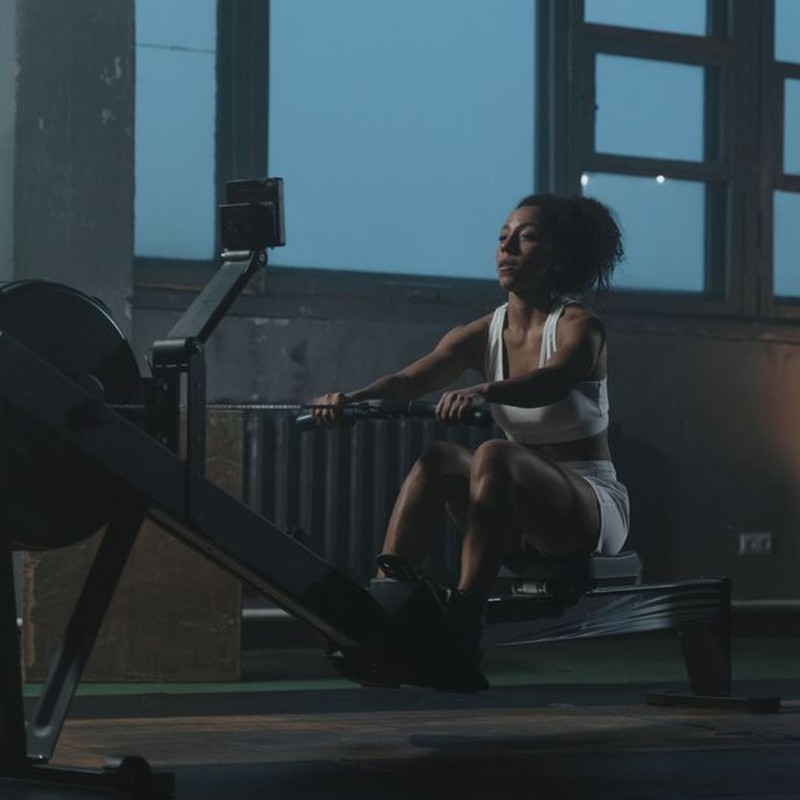
I’ve logged thousands of miles on indoor rowers over the years, and it’s still the machine I’d pick when I want the most complete workout in the time I have. A treadmill mainly works your lower body. A bike is heavy on the quads. Rowing, on the other hand, pulls your legs, back, core, arms, and shoulders into every single stroke. Biomechanics research often cites around 85 percent of your muscle mass being activated during a rowing stroke. I can’t measure my own activation in the moment, but I can feel it: legs push, core braces, back and arms finish the pull.
The stroke itself is a simple chain, but every link matters. The drive starts with your quads and glutes pressing into the footplates. Your core and posterior chain take over as your torso leans back. Then your lats, rhomboids, and arms bring the handle to your chest. On the recovery, the sequence reverses: arms straighten first, then your body follows, then your knees bend. That full range of motion is exactly why a rower gives you more than most other cardio machines.
Low Impact Doesn’t Mean Low Effort
The first thing that catches new rowers off guard is how hard their breathing gets. Moving large muscle groups through a wide range of motion against resistance forces your heart and lungs to work. But because your feet stay fixed and the seat glides, there is no pounding on your joints. That makes indoor rowing a rare combination: a demanding aerobic workout that knees, hips, and ankles can tolerate.
I’ve recommended rowing to friends who gave up running because of joint pain. They were skeptical that it would be intense enough. After a few tough intervals, they changed their minds. Your cardiovascular system doesn’t know the difference between pounding pavement and pulling a handle; it just knows the muscles are asking for oxygen.
Cardio and Strength in One Machine
A home rower is not just an aerobic machine. When you set the resistance high and take slow, controlled strokes, it turns into a lower-body and upper-back strength workout. Your quads, glutes, lats, and rhomboids all have to produce serious force. When you set it lighter and row faster, you’re working on cardiovascular capacity and muscular endurance.
One clarification worth understanding before you buy: rowing is not a shortcut to dramatic muscle growth. It mainly builds strength and muscular endurance, especially in the legs and back. If you want hypertrophy, you need progressive overload just like any strength program — gradually increasing resistance, keeping strokes challenging, and pushing your working sets near fatigue. Treated that way, a rower can support muscle building. Left at an easy pace day after day, it becomes mostly cardio.
Form Makes the Benefit Real
All of this depends on how well you row. I’ve seen people round their backs and yank the handle with their arms, and they usually end up with a sore lower back and a frustrating session. The sequence is simple once you practice it:
- Drive: push with your legs first, keeping your arms straight while your legs extend.
- Finish: lean your torso back slightly and pull the handle to your lower ribs with elbows close.
- Recovery: extend your arms first, then lean forward, then bend your knees.
When you’re just starting, use light resistance and shorter strokes. Focus on the rhythm rather than power. I still run the sequence in my head on the first few strokes of every session, especially after a break.
Why This Matters for Your Home Gym
For the floor space it takes up, a rower gives you full-body conditioning, low-impact cardio, and a surprisingly effective strength tool in one package. That’s hard to say about most home equipment. A treadmill only runs. A bike only cycles. A rower asks almost every major muscle group to contribute every time you sit down.
I’ll compare specific rowing machines and how they feel in use in the next section. But before you think about price tags and magnetic resistance, the bigger point is this: if you want a workout that hits your entire body without wrecking your joints, rowing deserves a spot in your home gym. And once you’ve put in a few consistent weeks, it’s hard to go back.
If you already row at home, tell me in the comments what you wish you’d known when you started. That kind of experience helps other readers more than any spec sheet.
How to Choose a Home Rower: Resistance Types, Build Quality, and Space
A rowing machine only works if you actually use it. That sounds obvious, but I’ve watched people buy the cheapest option at a big-box store and then abandon it after two weeks because the seat was uncomfortable, the frame wobbled, or the machine took up more room than they expected. You can avoid that by running through three quick checks before you pay: what creates the resistance, how the machine fits your body, and whether it’s built to survive daily pulls.
Resistance Types: Magnetic vs. Air
Most home rowers use one of two systems. Magnetic rowers put magnets near a spinning flywheel, and you adjust the gap or the brake force with a dial or a button. That design makes them quiet, low-maintenance, and easy to control. The Sunny Health Magnetic Rowing Machine offers 16 levels of magnetic resistance, and the Magnetic Rowing Machine by Pooboo and the MERACH Rowing Machine work the same way at lower price points. If you row in an apartment or next to a sleeping family, this is the type I recommend.
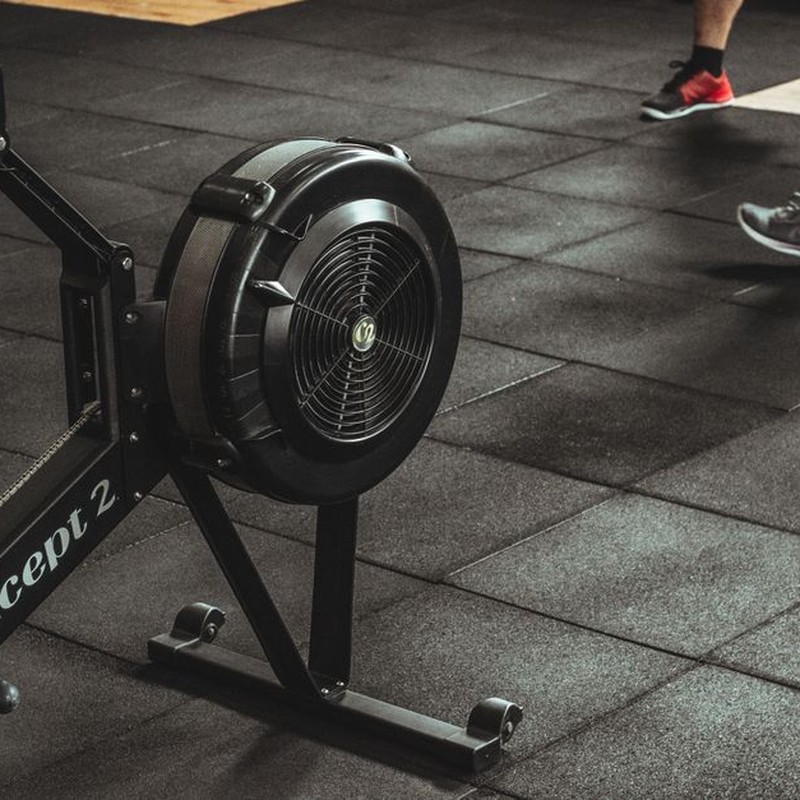
Air rowers work differently. A spinning fan inside the housing catches air as you pull, so the resistance grows with your effort. The harder you pull, the harder it gets, which feels closer to moving a boat through water. The Concept2 Model D Rowing Machine is the best-known air rower, and it’s the one you’ll find in CrossFit boxes and college boathouses. Its PM5 monitor tracks watts, calories, split time, and stroke rate, so you can chase specific numbers instead of guessing. The trade-off is noise: the fan gets loud as you work.
Water resistance rowers are the third option. They feel smooth and look great, but they cost more and need occasional water treatment. Since the four machines in this guide are either magnetic or air, I’ll leave water rowers out and focus on the choice you’ll actually make.
If you don’t want to think about noise, choose magnetic. If you want the closest thing to rowing on the water and don’t mind the whoosh, choose air.
Match the Machine to Your Body
Resistance type matters, but fit matters just as much. The first number to check is max user weight. The Concept2 is rated to 500 pounds, which is why it feels stable for taller and heavier users. The magnetic rowers from Pooboo, MERACH, and Sunny Health typically list a 300-to-350-pound limit. Verify the exact number on the current product page and leave yourself some margin. If you weigh 280 pounds, don’t buy a machine rated at 300 and hope for the best.
Rail length is the next spec to check. The seat slides along a rail, and a short rail forces you to shorten your stroke. At 5-foot-10, you can usually get a full stroke on a standard 40-inch rail. Taller rowers need more room. The Concept2 accommodates users up to about 6-foot-5 out of the box; compact magnetic rowers generally won’t. Because rail lengths change with model years, open the product page and look for the measurement rather than trusting a photo.
Storage space is where many buyers get caught. The MERACH folds upright, and the Pooboo uses a folding X-frame, so both are easier to slide into a closet. But “foldable” doesn’t mean small. Measure the folded width and height against your storage spot, and leave a few feet of clearance behind the rail and in front of the handle. I learned this lesson after setting up a rower in a tight corner and hitting a shelf on every stroke.
Build Quality and the Little Things That Matter
Before you buy, imagine rowing for twenty minutes. That means your backside is on the seat, your feet are in the straps, and your hands are on the handle for the whole session. If the seat drags or the strap digs in, that workout will feel a lot longer.
Look for a seat that glides smoothly without catching. On a budget machine, that often comes down to the rail finish and the wheels. The Concept2’s seat is the gold standard, but a smooth ride is not reserved for premium rowers; check recent buyer photos to see how the seat and rail look after a few months. Foot straps should be wide, easy to adjust, and secure enough that your feet don’t shift when you pull hard. If you wear size 12 or larger, also check the footboard’s size on the spec sheet.
The monitor matters more for long-term use than most people expect. It should be readable without leaning forward and show at least time, distance, and calories. The Concept2’s PM5 is the strongest monitor in this group. The Sunny Health, Pooboo, and MERACH screens show the basics, which is enough for steady-state rows and interval sessions. Finally, give the frame a good reason to fail: sit down and pull hard a few times. If the front lifts or the frame wobbles under effort, it won’t get better with age.
- Seat: smooth glide, no catching, comfortable for 20-minute sessions.
- Foot straps: wide, adjustable, and secure.
- Monitor: easy to read mid-stroke with the metrics you actually want.
- Frame: stable under a hard pull, with non-slip feet.
Check the Spec Sheet Before You Check Out
Right before you pay, open the current product page for the exact model and confirm four numbers: max user weight, rail length, folded dimensions, and machine weight. Manufacturers change specs from year to year without changing the name, so don’t rely on an older review. Also read the newest reviews for complaints about seat noise, strap quality, or monitor accuracy. Those are the details that show up during the first week.
The four machines in this guide cover the practical range. The Pooboo and MERACH are compact magnetic rowers for smaller budgets. The Sunny Health adds more resistance levels for a bit more money. And the Concept2 Model D is the machine most likely to outlast every other piece of equipment in your gym. Pick the one that fits your body, your space, and your tolerance for fan noise. Then check current prices on Amazon, see what recent buyers are actually saying, and if you end up with one, share your experience in the comments.
Best Rowing Machines for Every Budget: Four Rowers We’d Buy in 2026
Shopping for a rower in 2026 is different from a decade ago. You can get a smooth magnetic rower for under $300, and the gold standard still costs around a grand. But here’s the problem—most reviews either skim the surface or read like a press release. So we took a different approach. We pulled the four most popular rowers on Amazon, dug through verified buyer feedback, compared specs side-by-side, and tracked price changes over the last year. Full transparency: we didn’t treat this like a lab test with instrumented sensors. Instead, we focused on what actually matters at home—noise, footprint, build quality, resale value, and whether the features justify the price.
Here’s the short version before the details:
- Under $300: Magnetic Rowing Machine by Pooboo — quiet and budget-friendly for beginners.
- Around $300: MERACH Rowing Machine — adds app-guided tracking.
- Around $400: Sunny Health Magnetic Rowing Machine — sturdier frame for regular sessions.
- Around $990: Concept2 Model D — the proven choice for serious training.
Pooboo Magnetic Rowing Machine: The Budget Pick That Doesn’t Embarrass You
The Magnetic Rowing Machine by Pooboo is the lowest-cost rower on this list at around $279. It’s not the cheapest rower on Amazon—there are $150 options that feel like toys—but it is the lowest-price model we’d actually recommend. The magnetic resistance keeps the pull smooth and the sound level low. If you live in an apartment or like to row while a partner sleeps, that matters more than any spec sheet.
The trade-off is simple. The frame is lighter, the rail is shorter, and the monitor shows basic time, distance, and calories rather than advanced power data. For a beginner who wants to get through a 20-minute workout without waking up the house, none of that matters.
Owners regularly say assembly takes about 30 minutes and the instructions are clear, though some mention the seat can feel hard on longer sessions. If you’re over 6’2″ or north of 220 lbs, the shorter rail might make the stroke feel cramped, so keep your own height in mind.
At under $300, it’s the right call if you’re still finding out whether rowing fits your routine. You get a quiet, functional machine without a big financial commitment.
MERACH Rowing Machine: The Extra $20 Gets You a Smarter Workout
For about $299, the MERACH Rowing Machine is the pick for anyone who wants their rower to talk back. The digital monitor pairs with the MERACH app, so you get structured workout programs and real-time feedback instead of just watching a number climb. In terms of resistance, it’s the same magnetic smoothness as the Pooboo, but the added tech makes it feel like a more complete package.
The downside is that the app experience varies by phone. Several owners report needing to position the phone close to the monitor for consistent Bluetooth, and the free version of the app only unlocks a handful of programs. Still, for someone who likes seeing progress on their phone, this is the cheaper way to get that compared to a $500+ smart rower.
The frame is also built for smaller spaces. It folds up, and the whole unit weighs in under 60 pounds, so renters can tuck it into a closet between workouts.
If you’re a complete beginner who doesn’t want to think about programming, the MERACH makes more sense than the Pooboo. The extra $20 gets you a monitor, app integration, and a slightly more polished finish.
Sunny Health Magnetic Rowing Machine: The Sturdy Middle Ground
The Sunny Health Magnetic Rowing Machine sits near $399, and the extra $100 over the MERACH goes into the frame. The rail is sturdier, the seat glides more smoothly, and the overall build feels like it can handle three or four sessions a week instead of occasional weekend rows. Across Amazon reviews, the most common point of praise is stability—even taller, heavier users report less wobble than they’d expect at this price.
That said, Sunny Health is a value brand, not a luxury one. The monitor gives you the essentials and nothing else, so if you’re looking for apps or customizable profiles, this isn’t it. What you’re paying for is a rower you won’t outgrow in six months.
This is the smart middle ground for someone who’s committed to rowing as their main cardio workout. It doesn’t have the name recognition of Concept2, but it costs less than half the price. If you’re over 250 lbs, double-check the listed weight capacity before ordering—most owners say the frame feels reassuringly solid, but it’s always safer to confirm.
Concept2 Model D: The One That Lasts a Decade
At around $990, the Concept2 Model D is the most expensive machine here, and it’s also the easiest to justify if you know you’ll be rowing for years. The air resistance responds differently than magnetic—pull harder and the drag increases, which gives it a more water-like feel. It’s louder too, but it’s a meaningful whoosh rather than a rattle.
What your money gets you is a machine that holds its value. A used Concept2 often sells for 60–70% of its original price after five years, which you won’t find with budget rowers. You also get access to the Concept2 logbook and worldwide rankings, so you can compare your 2K and 5K times against rowers everywhere. That feature is a strong motivator if you train with data.
The Model D is the machine you’ll see in CrossFit gyms and rowing clubs. That doesn’t mean it’s only for athletes—it means the engineering is proven under heavy, daily use. The seat, rail, and monitor all hold up in ways that the budget models don’t.
If you only row twice a month, the extra money is wasted. If you’re training for a race, chasing a personal record, or planning to row through a winter, the Concept2 is the one we’d pick.
Which One Should You Buy?
Before you click buy, measure your space and think about how often you’ve actually exercised this month. The best rower isn’t the one with the best reviews—it’s the one you’ll actually use.
Prices change regularly on Amazon, so check the current listing for your shortlist before committing. And if you’ve owned any of these machines, drop a comment below. Your experience will help the next person make a smarter call.
How to Start Rowing at Home: Workouts, Form, and Final Buyer Checklist
So the rower is out of the box and the footstraps are adjusted. Before you start hammering out strokes, spend a few minutes on the sequence. I learned this the hard way after rowing with mostly my arms for a week and ended up with a lower back that complained every morning. You can skip that lesson if you practice the order slowly.
The Basic Stroke Sequence
Every stroke follows the same order. On the drive, push with your legs, then swing your torso back to about 11 o’clock, then pull the handle to your lower ribs. Reverse it exactly: extend your arms, hinge forward at the hips, then bend your knees and slide back to the catch.
The cue I give friends is legs, lean, arms, arms, lean, legs. It’s not poetry, but it works. Row slowly for the first five minutes without any power. Coordination first, power second.
- Start with knees bent, shins vertical, arms straight, and your torso leaning forward from the hips.
- Drive through your legs, keeping your arms straight until your legs are fully extended.
- Swing your torso back to about 11 o’clock, then finish with the arms, pulling the handle to your lower ribs.
- Reverse: straighten your arms first, hinge your torso forward, and then bend your knees to slide forward.
Keep your footstraps snug across the widest part of the foot. Too loose and you lose drive power; too tight and cramps show up halfway through.
Common Mistakes to Fix Early
Gripping the handle too tightly. If your forearms burn before your legs, check your hands. Hold the handle like a grocery bag: firm enough not to drop it, relaxed enough that your fingernails don’t leave marks.
Rushing the recovery. The slide back to the catch isn’t a race. If you jerk yourself forward, you break the rhythm and add stress to your knees. Aim for a recovery that takes about twice as long as the drive.
Letting your knees cave inward. This creeps in when you get tired. Drive with your knees tracking toward your second toe. If they start to slouch together, slow down and reset.
Holding your breath. I catch myself doing it during hard intervals. Breathe out on the drive, in on the recovery. Simple, but it makes a difference.
A 10-Minute Beginner Session
Once the sequence feels natural, try this session. It’s the one I give friends who just bought a rower.
- Minutes 0-5: Row easy. Breathing stays controlled, conversation is possible. This is the warm-up.
- Minutes 5-10: Alternate 30 seconds hard with 30 seconds easy. Hard means pushing with your legs and breathing heavily. Easy means rowing gently while you recover.
That’s the entire session. Do it consistently for a week or two, then add a minute or two each week. Your lungs adapt fast.
Final Buyer Checklist: One Deciding Factor Per Machine
If you already bought a rower, skip to the comments and tell us which one you chose. If you’re still comparing, narrow it down by the main thing that matters for your setup.
- Budget first? The Magnetic Rowing Machine by Pooboo is the low-cost pick, usually around $280. You get a foldable frame, a basic monitor, and a 4.4-star rating from buyers who mostly wanted a simple rower without spending much.
- Comfort for longer sessions? The MERACH Rowing Machine sits near $300 and adds a cushioned seat plus a clean display. If you plan to row for 20-plus minutes, the extra seat padding matters more than any spec sheet.
- Quieter and smoother feel? The Sunny Health Magnetic Rowing Machine bumps up to around $400, but it uses a belt drive that feels smoother and quieter than the cheaper machines. That’s the reason to pay the difference.
- Performance standard and resale? The Concept2 Model D costs close to $1,000, but it’s the rower you’ll find in gyms and boathouses. The deciding factor is that people still buy used Model D’s for close to the original price, and your times can be compared directly to other rowers.
Click through to Amazon and check the current prices before you order. They change often, and magnetic rowers sometimes drop below their normal street price. If you already own any of these machines, let us know in the comments which one you chose and how it’s held up after a few months. That feedback helps other buyers more than any marketing video.