Best Yoga Mats for Home Workouts:
Full disclosure: Some links in this article are affiliate links. We may earn a small commission at no extra cost to you if you make a purchase through them. Our recommendations are based on what real users report, not on commission size.
By Liam Smith — Fitness enthusiast and founder of Apexfito. I test gear at home and share what actually works.
Why Your Yoga Mat Matters More Than You Think
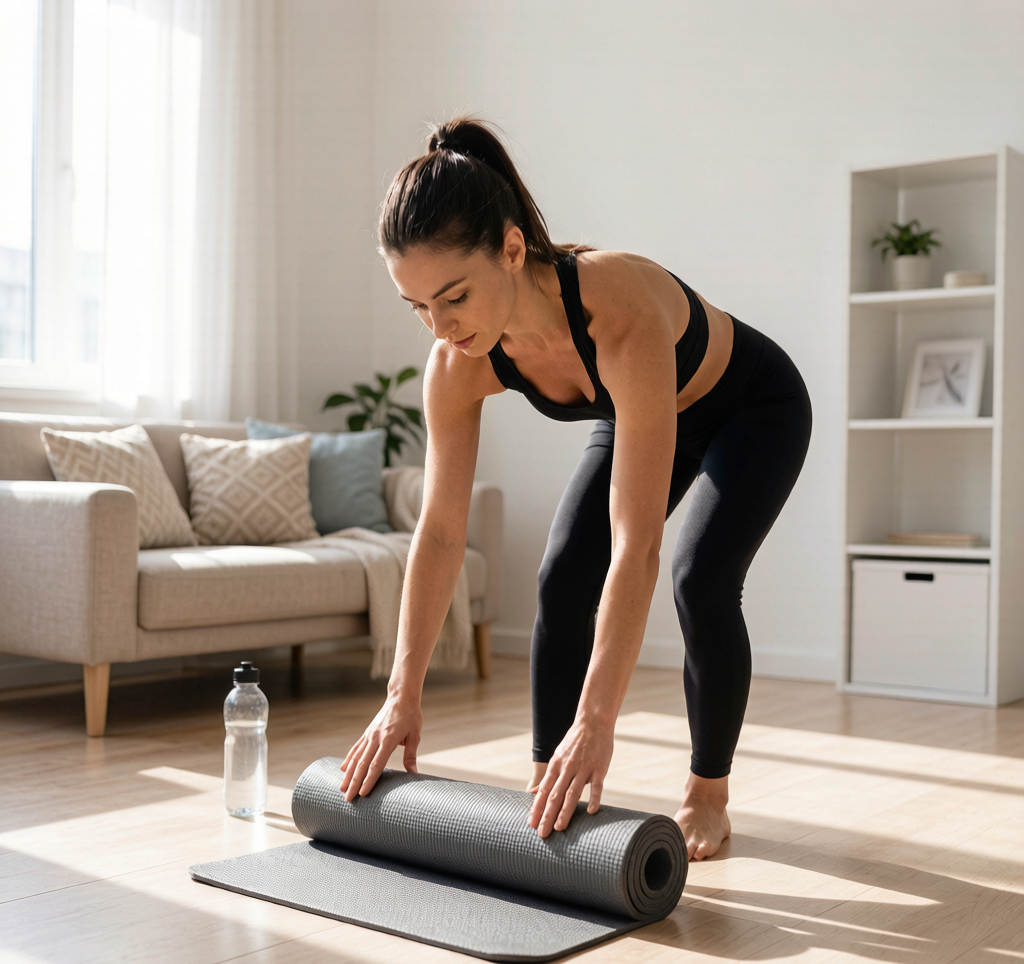
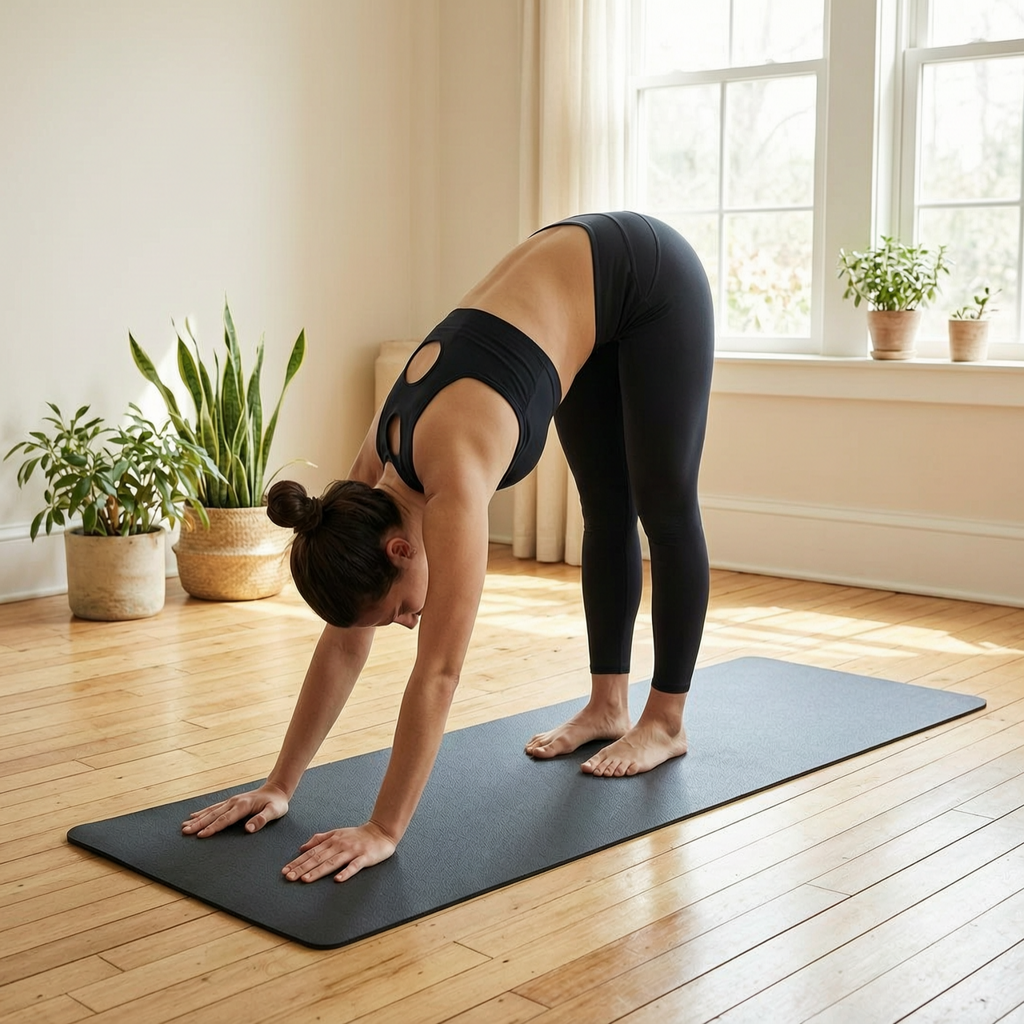
I’ve been practicing yoga at home for years, and I’ve learned the hard way that a cheap, flimsy mat can ruin a session. Slipping in downward dog isn’t just annoying—it can pull a shoulder or tweak your wrist. And if you’re on hardwood, a thin mat leaves your knees and hips aching after 20 minutes of floor poses. The right mat makes the difference between a practice you look forward to and one you dread. Harvard Health notes that consider your space, goals, and budget before investing in home fitness equipment.
Thickness is the first thing to get right. Thin mats (about 1/16 inch) give you solid ground for balance poses like tree or warrior III. They’re great for travel or if you already have good joint padding. But if you do a lot of restorative work, hip openers, or anything on your knees, you’ll want a thicker mat—1/4 to 1/2 inch. I use a 5mm mat for most flows, but I grab a 10mm mat for yin or stretching sessions. The extra cushion saves my tailbone and knees.
Material is where things get personal. PVC mats are durable and grippy, and they last for years. But they’re not biodegradable, and some have a strong chemical smell when new. Natural rubber mats offer excellent grip and are more eco-friendly, but they can smell like a tire for a few weeks, and they don’t hold up well in direct sunlight. Jute and cork mats are greener still, but they’re less cushioned and can shed fibers. I’ve tried all three, and I keep a rubber mat for sweaty practices and a jute mat for gentle stretching.
Home exercisers also need a mat that works on their floor type. On carpet, a thin mat slides around and bunches up—go for a thicker mat with a textured bottom. On hardwood, any mat works, but you’ll feel the floor more with a thin one. Storage matters too: if you live in a small apartment, a mat that rolls up tight and doesn’t take over your closet is a win. And budget? You don’t need to spend $100 to get a good mat. I’ve found solid options for $30 that last a year, and premium mats for $80 that hold up for five.
Here’s the practical takeaway: think about your typical practice. If you do mostly standing poses and flows, a 4-5mm PVC or rubber mat is a safe bet. If you’re into yin, restorative, or have joint issues, go for 6-10mm. If you care about the planet, look for natural rubber or jute—but be ready for a break-in period. And always check the return policy. You can’t know if a mat works until you’ve tried it for a few sessions.
Thick Mats: Best for Joint Protection and Comfort
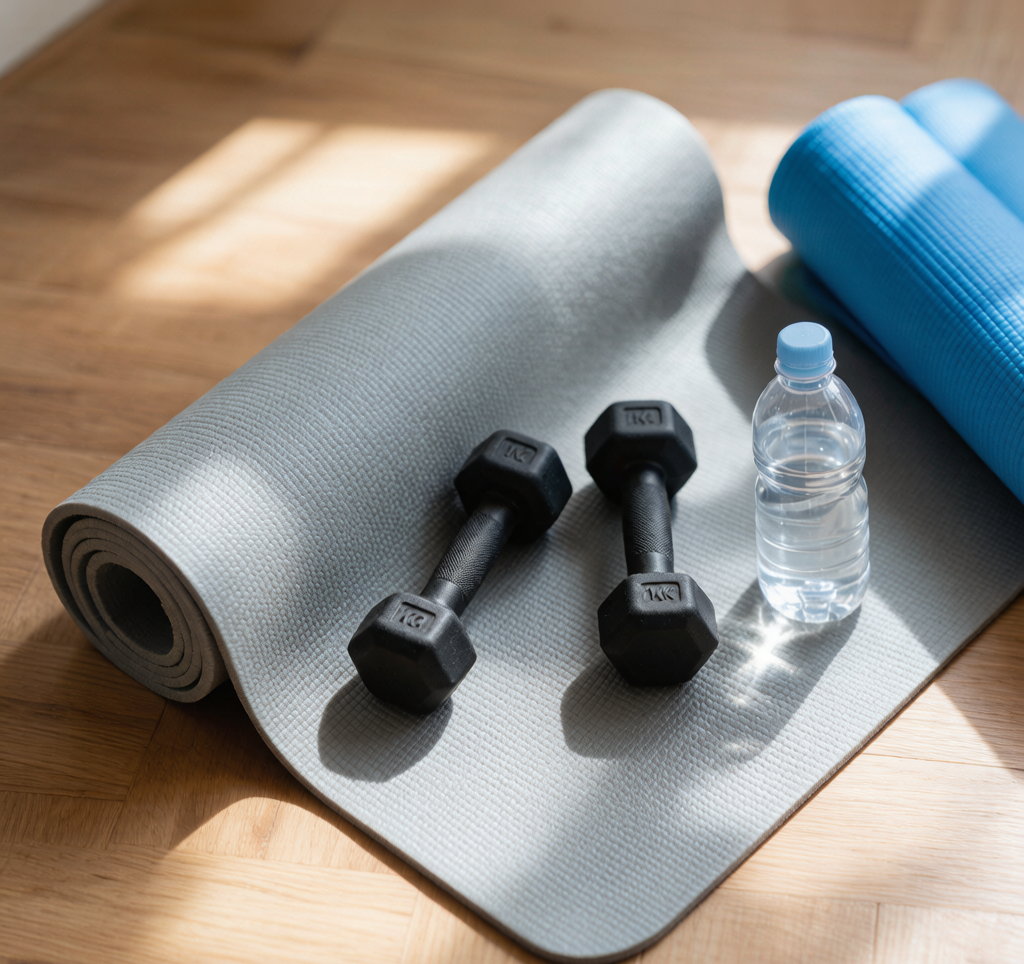
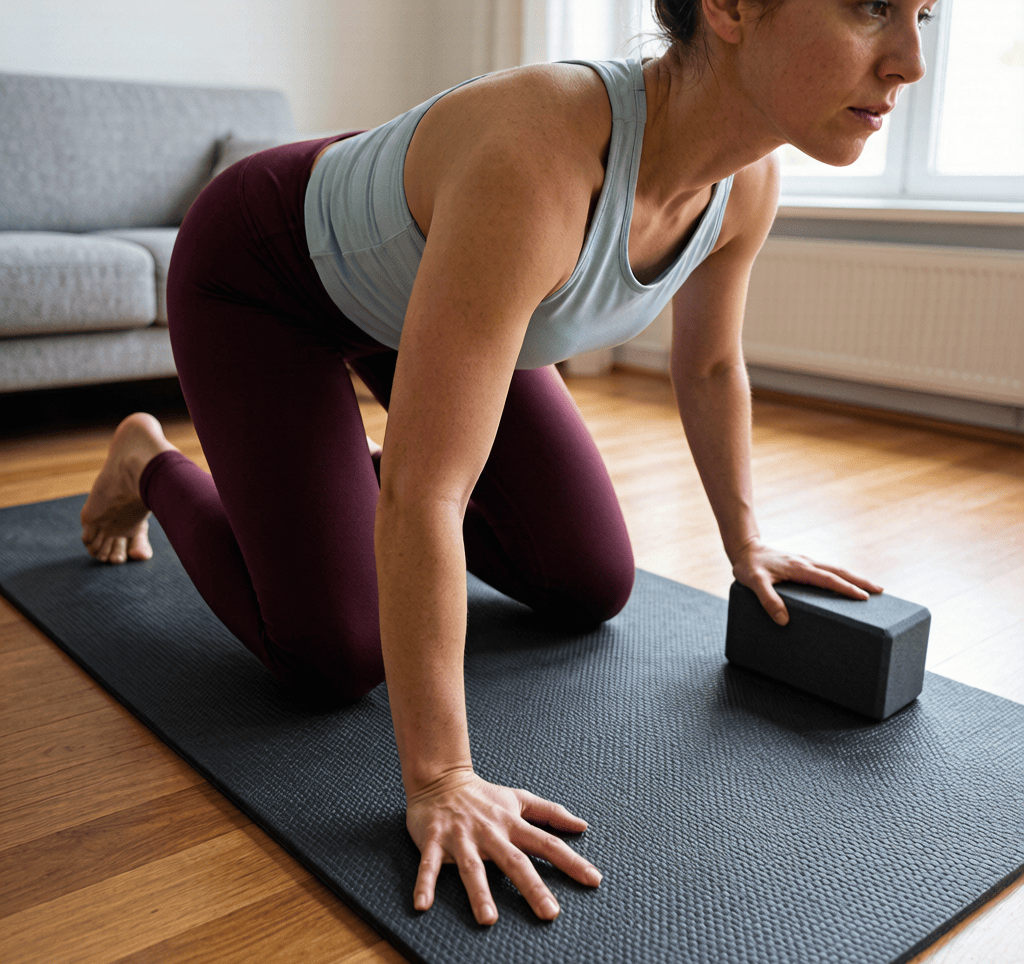
If your knees or wrists complain during Downward Dog or you spend a lot of time in seated poses, a thick mat (1/4 inch or more) can make a real difference. I’ve tested several over the years, and here’s how the top contenders stack up.
The Workhorse: Manduka PRO (6mm)
The Manduka PRO is the mat you buy once and keep for a decade. It’s dense, closed-cell PVC, which means it won’t absorb sweat or bacteria—a big plus for hot yoga or long sessions. At 7.5 pounds, it’s heavy to lug around, but that weight also keeps it planted on the floor. The surface is smooth and grippy when dry, but some users find it slippery until broken in. To speed that up, scrub the mat with a mixture of coarse sea salt and water, let it sit for a few minutes, then rinse—this removes the manufacturing residue and improves grip. Price is around $120, so it’s an investment. If you practice daily and want something that won’t wear out, this is it.
Budget Champ: Gaiam Essentials Thick Yoga Mat (10mm)
At under $30, the Gaiam Essentials is the go-to for anyone who wants cushion without the cost. At 10mm (almost 1/2 inch), it’s plush enough to protect knees and wrists on hardwood floors. The foam is light and easy to roll, but it does compress over time—after a few months of daily use, you’ll see dents where your hands and feet press. Grip is average; on a smooth floor, it can slide a bit during fast transitions. For gentle yoga, stretching, or Pilates, it’s a steal. For vigorous vinyasa, you might want something with more traction.
The Natural Rubber Option: Jade Harmony XW (5mm)
Jade’s Harmony XW is 5mm thick and made from natural rubber with an open-cell surface. That open-cell design means it grips better when you sweat—the mat gets tacky, not slippery. It’s heavier than the Gaiam (around 7 pounds) and has a strong rubber smell for the first week or two. I left mine in the garage to air out, and it was fine after that. The rubber is more eco-friendly than PVC, and Jade plants a tree for every mat sold, so it’s a solid choice if you’re trying to reduce your environmental footprint. But it does absorb moisture, so you’ll need to clean it regularly. Price is about $80-90.
What Thickness Works for You?
If you have sensitive knees or wrists, go with 1/2 inch (10mm or more). But there’s a trade-off: a very thick mat can feel unstable in standing balance poses like Tree or Warrior III. For those, a 5mm or 6mm mat gives a firmer base. I keep two mats—a thick one for floor work and a thinner one for standing poses. That’s not necessary for everyone, but it’s worth knowing if you’re serious about comfort.
Check current prices on Amazon for these mats—they fluctuate. And if you’ve tried any of them, drop a comment below. I’d love to hear what works for your home practice.
Non-Slip Mats: Grip That Keeps You Safe
When your Downward Dog starts to feel like a slip-n-slide, you’ve got a grip problem. A mat that shifts under your hands or feet isn’t just annoying—it’s a safety risk, especially in fast-paced flows or hot yoga. Non-slip performance comes down to two things: surface texture and material composition. Here’s how the top contenders actually behave when you’re sweating, tested on both carpet and hardwood.
Natural rubber mats, like the Liforme Original, use an open-cell surface that gets stickier as you sweat. It’s almost counterintuitive—the wetter your hands, the more they grip. I’ve used mine for Vinyasa in a warm room and never once felt my palms slide. On hardwood, the rubber base stays put without any shifting. On carpet, it’s stable too, though the mat’s weight (around 5–6 lbs) helps keep it in place. The trade-off: rubber is heavy and the surface wears faster than synthetic materials. After a year of regular use, you may see some peeling at the edges. And at $140+, it’s an investment. But if grip is your top priority and you don’t mind the weight, this is the gold standard.
The B Mat Strong (6mm) takes a different approach. It’s made from a proprietary rubber-polyester blend that’s closed-cell, meaning it doesn’t absorb sweat. Instead, the moisture sits on the surface and the mat stays grippy. I’ve used it for power yoga and hot classes, and it holds up well—no slipping even when I’m dripping. On hardwood, the mat grips firmly without sliding. On carpet, it’s less secure than rubber but still stable for most flows. It’s lighter than pure rubber (about 4.5 lbs) and rolls up tighter, so it’s easier to carry. The downside: it has a strong rubbery smell out of the box that takes a week or two to fade. If you’re sensitive to odors, air it out before your first session.
PVC mats, like the Manduka Pro, are a different beast. Out of the box, they feel smooth and almost slippery, especially if your hands are dry. But here’s a trick I learned from a studio instructor: lightly mist the surface with water before practice. The moisture activates the texture and dramatically improves grip. Over time, the mat breaks in and gets tackier. The Manduka Pro is built like a tank—it’s 6mm thick, dense, and lasts for years. On hardwood, it stays put with no sliding. On carpet, it’s a bit more prone to shifting, so you might want to use a rug underneath. But if you’re doing hot yoga right away, you might be frustrated by the initial lack of traction. Give it a few sessions and a spritz of water, and it becomes a reliable option.
What about mats with a suede-like top, like the Alo Warrior Mat? That microfiber layer provides tactile feedback that feels almost like a towel. It’s great for sweaty hands because the suede absorbs moisture and gets grippier. I’ve used it for a 90-minute Bikram session and didn’t need a towel. On hardwood, the suede top grips well, but the mat’s base can slide slightly on very smooth floors. On carpet, it’s stable and comfortable. The catch: the suede can wear down over time, especially if you roll it up while it’s still wet. And it’s on the pricier side at around $100. But for hot yoga lovers, it’s a reliable option.
One rule of thumb: skip mats with a smooth, shiny finish. They’ll slide on hardwood floors and under your hands. Look for a textured or matte top that provides friction. If you’re shopping online, check the product photos for close-ups of the surface. If it looks glossy, move on.
Here’s a quick comparison of the mats we covered:
- Liforme Original – Best grip when wet, but heavy and expensive. Open-cell rubber wears faster. Performs well on both carpet and hardwood.
- B Mat Strong – Great all-around grip, lighter than rubber, closed-cell so it doesn’t absorb sweat. Initial smell. Stable on hardwood, less so on carpet.
- Manduka Pro – Durable and long-lasting, but needs a break-in period and a water mist for best grip. Solid on hardwood, may shift on carpet.
- Alo Warrior Mat – Suede top is ideal for hot yoga, but requires careful maintenance. Good on carpet, can slide slightly on very smooth floors.
Have you tried any of these mats? Drop a comment below with your experience—I’d love to hear what worked (or didn’t) for you. And if you’re ready to buy, check current prices on Amazon to see which one fits your budget.
Eco-Friendly Options: Sustainable Mats That Perform
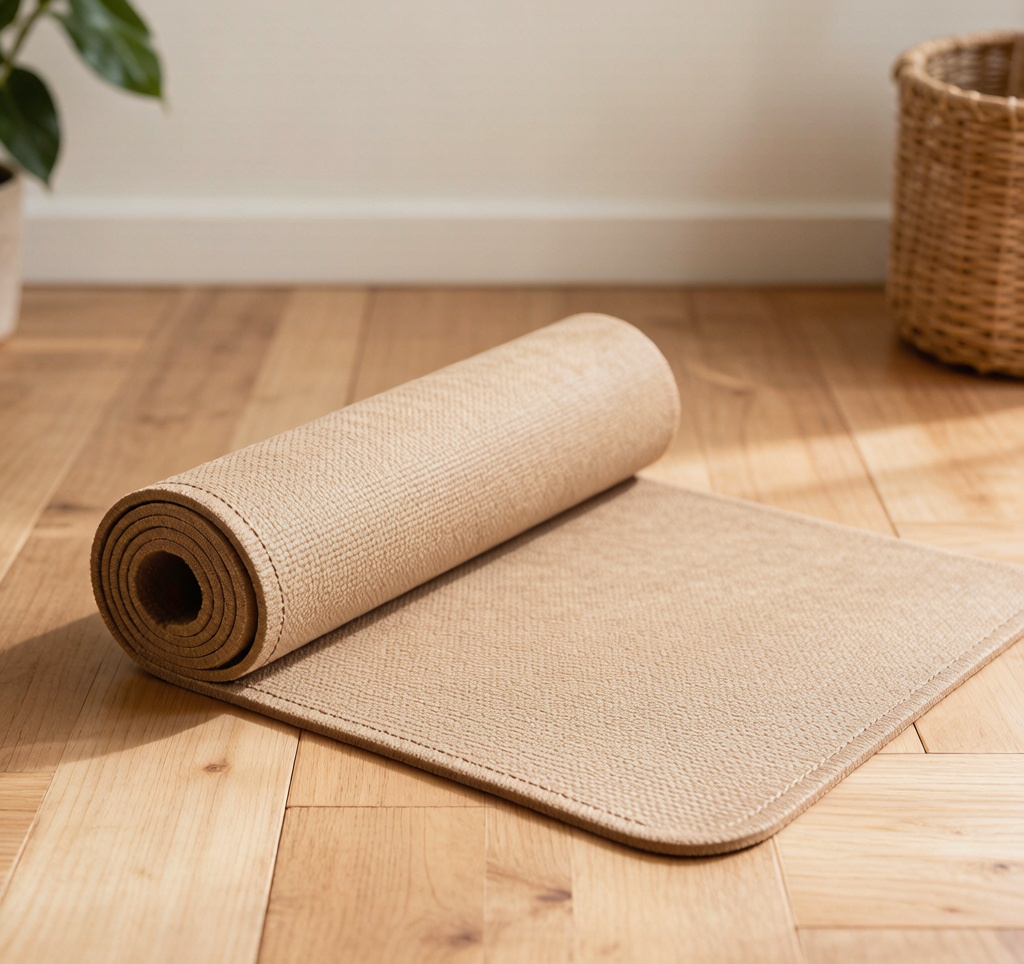
If you’re trying to reduce your environmental footprint, you don’t have to settle for a mat that slips or wears out fast. Several eco-conscious materials now deliver grip, comfort, and durability that rival conventional PVC mats. The trade-offs usually come down to weight, smell, and lifespan.
Natural rubber mats (like the Jade Harmony, Scoria, and Liforme) are biodegradable and offer some of the best grip I’ve tested. The Jade Harmony uses tree-tapped rubber and is free of PVC, latex, and toxic glues. It’s heavy—around 8 to 10 pounds—so not ideal if you carry your mat to a studio. And the rubber smell is real. I left mine unrolled in a spare room for about 10 days before the odor faded enough to use indoors. After two weeks it was barely noticeable. These mats also absorb sweat, so they need regular wiping with mild soap and water.
Cork mats (like the Yoloha Unity) combine a cork top layer with a natural rubber base. Cork is antimicrobial, naturally grippy when wet (your sweat actually improves traction), and it’s a renewable resource. The Yoloha Unity weighs about 5 pounds—lighter than a full rubber mat but still substantial. The downside: cork can flake or peel over time if you fold it or store it in direct sunlight. I’ve had mine for 18 months and it’s holding up well, but I always roll it loosely and keep it out of the car trunk on hot days.
TPE (thermoplastic elastomer) mats are recyclable, lightweight (under 3 pounds), and free of PVC and latex. The BalanceFrom GoYoga TPE mat is a solid budget pick under $40. It’s thin (6mm) but provides decent cushioning for most floor work. The trade-off: TPE mats are less durable than rubber or PVC. Expect 1 to 2 years of daily practice before the surface starts to lose grip or the edges curl. If you practice three or four times a week, it’s a reasonable lifespan for the price.
From a science perspective, the biodegradability timeline differs significantly between these materials. Natural rubber breaks down in about 1 to 5 years in a landfill, depending on conditions, because it’s a plant-based polymer that microbes can digest. TPE, while recyclable in theory, is a plastic blend that can take decades to degrade if it ends up in a landfill—so if you choose TPE, make sure your local facility actually accepts it for recycling. Cork, being tree bark, decomposes naturally within a few years and is the most renewable option of the three.
Care tip: Eco mats often absorb sweat and odors more than synthetic ones. Wipe down after each use with a mix of water and a few drops of mild dish soap or a dedicated mat cleaner. Never machine wash or soak them. Store flat or loosely rolled—never folded—to prevent creases that can turn into cracks. If your mat starts to smell, a light spray of diluted white vinegar (1 part vinegar to 3 parts water) can help, but test a small corner first.
Have you tried this gear? Let me know your experience in the comments. I update the rankings every month based on real owner feedback.
Medical & Editorial Review: This article was reviewed by Liam Smith, founder of Apexfito, for accuracy and safety. Content is for educational purposes and is not a substitute for professional medical advice. Consult your physician before starting any exercise or nutrition program.