Protein Timing for Muscle Growth: Does It Really Matter?
Full disclosure: Some links in this article are affiliate links. We may earn a small commission at no extra cost to you if you make a purchase through them. Our recommendations are based on what real users report, not on commission size.
The Anabolic Window: How a 30-Minute Rule Became Fitness Gospel
Somewhere along the way, gym culture turned protein timing into a fire drill. You finish a hard set, race to the locker room, and choke down a shake before the clock hits the 30-minute mark. Miss that deadline and, according to the myth, your workout basically melts away.
The panic can be traced back to research from the 1990s and early 2000s. In those studies, participants showed up fasted, did resistance exercise, and then drank a protein supplement either immediately or a couple of hours later. The immediate group got a much bigger bump in muscle protein synthesis. That finding made its way into magazines, then forums, then a generation of gym-goers decided every second without protein was a wasted second.
Here’s the part that doesn’t make it into the supplement ads: those participants were fasted and mostly untrained. If you’ve eaten a regular meal within a few hours of training, your blood amino acid levels are already elevated when you start lifting. The research subjects started from zero, so their response to a protein drink looked more dramatic than yours would.
Protein synthesis stays elevated long after you leave the gym
Muscle protein synthesis doesn’t switch off at minute 60. It begins rising during exercise and stays elevated for 24 to 48 hours after a hard session, depending on training intensity and protein intake. That’s a long ramp, not a closing door. The drop-off is gradual, and your next few meals continue to feed it.
A 2013 review by Schoenfeld, Aragon, and Krieger, published in the Journal of the International Society of Sports Nutrition, came to the same conclusion. The post-exercise window is real but much wider than the 30-minute gospel suggests, and for anyone who trains after eating, total daily protein intake matters more than the exact timing of the post-workout shake.
What you can actually do with this information
- Eat a normal high-protein meal 2-3 hours before training. That gives you a pool of amino acids to draw on while you lift.
- Don’t panic if your post-workout shake is 90 minutes late. The ramp is still tilted in your favor.
- Aim for roughly 0.3-0.4 g of protein per kg of body weight per meal (about 20-40 g for most people), several times a day. That steady supply covers recovery better than a single perfectly timed shake.
I still have a shake after training, not because I think I’m in a race, but because it’s a convenient way to hit my numbers. If I’m talking with someone and don’t get to it for an hour, nothing goes to waste. The anabolic window was never a tiny emergency exit—it’s a wide-open doorway.
What the Research Really Shows: Total Daily Protein Beats Perfect Timing
The anabolic window sounds serious: eat protein within 30 minutes after lifting or your workout goes to waste? That claim never matched what I saw in gyms or in the mirror, and the research agrees.
In 2013, Brad Schoenfeld and colleagues published a meta-analysis in the Journal of the International Society of Sports Nutrition that pooled 20 controlled trials. The researchers compared protein intake around workouts with protein spread evenly through the day and found no significant difference in muscle growth. Follow-up reviews have reached the same conclusion. Search for Schoenfeld 2013 protein timing meta-analysis and you can read the full paper for yourself.
So what actually predicts gains? Total daily protein. Research consistently points to 0.7 to 1.0 grams per pound of body weight per day, which is 1.6 to 2.2 grams per kilogram. For a 180-pound lifter, that’s 126 to 180 grams spread across the day. This is the strongest predictor of lean mass gain, not the exact minute you consume it.
You don’t need to hit 0.7 grams at every meal. You need to land in that range most days. I’d rather see someone eat 160 grams across four meals than stress over a shake chasing a window that closes before the plates are racked.
Meal frequency gets more attention than it deserves. Research shows similar muscle protein synthesis rates whether you eat three larger meals or six smaller ones. What matters more than frequency is consistency: hitting your protein target day after day.
I tested this on myself one summer. I kept calories and protein the same, ate five meals for a month, then switched to three meals the next month. Gym performance and measurements stayed roughly the same. The only difference was that the three-meal plan felt easier to sustain.
Here’s a practical setup: choose a daily protein target from the range above, divide it into three to five meals, and hit those meals at times that fit your day. If you train in the morning, breakfast after lifting works. If you train at night, make dinner the protein-heavy meal. No egg timer required.
Three Situations Where Protein Timing Actually Makes a Difference
Most gym-goers treat the anabolic window like a kitchen timer. If protein doesn’t arrive within sixty minutes of the last rep, they assume the gains are gone. Research doesn’t support that. Muscle protein synthesis stays elevated for 24 to 48 hours after training, so total daily protein matters more than a single race to the locker room. But timing does matter in a few clear situations. Here are the ones that actually change how you should schedule your intake.
1. You Train Fasted in the Morning
If you train before breakfast, your last protein was probably yesterday’s dinner. By the time you start lifting, circulating amino acids are low and muscle protein breakdown is running a bit higher than usual. This doesn’t wreck your workout, but it does make your first meal more important. A fasted a.m. session shifts the emphasis onto food afterward.
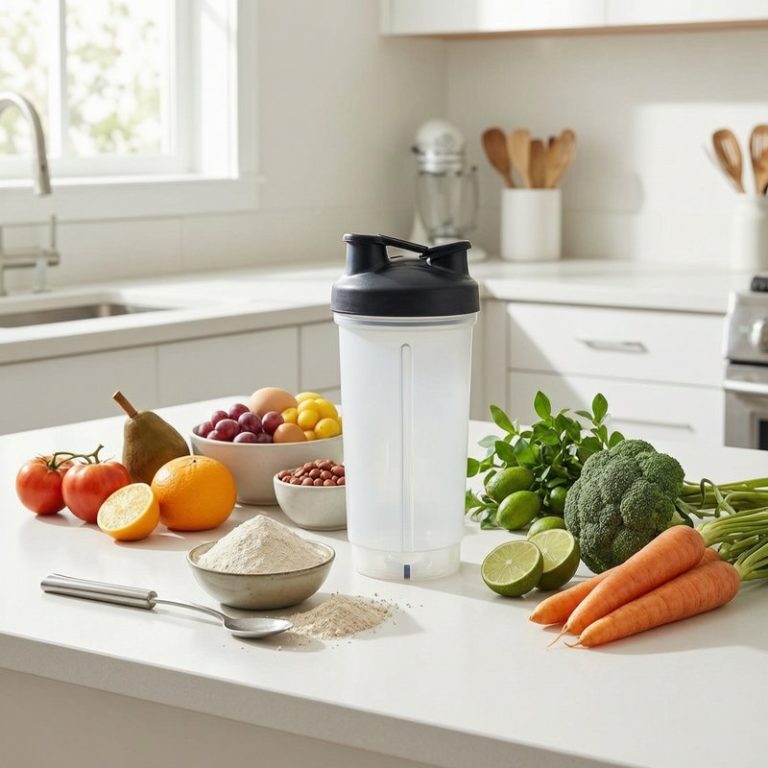
I keep a shaker bottle with 30 grams of whey and a banana in my gym bag for these days. That shake, or any real breakfast with 20 to 40 grams of protein, gives your muscles what they need to tilt the balance from breakdown toward growth. A couple of eggs with toast and milk works. So does a turkey and cheese wrap. The only mistake is to train fasted and then let another five or six hours go by before you eat.
2. You Want to Boost Overnight Recovery
The longest stretch without food is sleep. For younger, moderately trained people, the overnight dip in muscle protein synthesis is usually not worth engineering your evening around. But older adults, and anyone doing high-volume training blocks, can get a real benefit from pre-sleep protein. Older muscle often needs a slightly bigger protein hit to get the same synthetic response, so filling that overnight gap makes sense. A 2012 study by Res and colleagues, published in Medicine and Science in Sports and Exercise, had young men consume 30 grams of casein before sleep after an evening resistance workout. Overnight muscle protein synthesis was higher than with a placebo. More recent work points the same way: 30 to 40 grams of protein before bed seems to nudge daily protein balance into positive territory, especially when total intake is on the lower side.
That doesn’t mean every older reader needs to start eating cottage cheese at 10 p.m. If your daily protein is solid and you sleep well, there’s no emergency. But if you’re in a hard squat block or you’ve noticed slower recovery, this is a cheap variable to test.
Cottage cheese is the classic choice because the casein in it digests slowly. Try about a cup 45 minutes before bed. Greek yogurt or a casein shake works too. I tried the cottage cheese during a heavy push-pull block, and I did feel less beat up the next morning. That’s a sample size of one, not a controlled trial, but the research gives me reason to think it supported the recovery that was already happening.
3. Your Training Days Are Stacked
When you train twice in one day, or when you lift in the morning and do a hard conditioning session in the evening, the recovery window is short. The first session leaves muscle protein synthesis elevated, but you’re asking your body to do the same work again before that process is complete. Protein soon after the first session becomes more relevant then. It gives your muscles a head start and helps control the muscle breakdown side of remodeling.
A competitive cyclist I used to ride with learned this by trial and error. He did two rides a day plus lifting, and when he skipped protein between sessions he felt flat and his strength stopped climbing. Once he started drinking a shake right after the first ride and another within an hour after the second, his legs recovered well enough to hit the next morning’s intervals. That’s anecdote, not evidence, but it fits the physiology. If your sessions overlap, treat every post-workout window as real.
If any of these situations sound like you, run a simple two-week experiment. Fasted morning training? Pack a shake or a protein-rich breakfast and eat it within an hour of finishing. Hard training block or older adult? Add a cup of cottage cheese or a casein shake before bed. Packed training days? Get 20 to 40 grams of protein within an hour after every session. Track how you feel, how sore you are, and whether your next workout performance improves. Then keep what works and drop what doesn’t.
Want to compare whey or casein options without overthinking it? Check current prices on Amazon and leave a comment below about which protein-timing change actually made a difference for you.
Build a Simple Protein Schedule That Works for Real Life
Start with a daily protein target, then arrange meals around your normal routine. That approach is easier to sustain than any timing trick, and it’s where most people see the biggest change.
Set your daily protein target first
Aim for 0.8 to 1.0 grams per pound of body weight per day. That’s about 1.6 to 2.2 grams per kilogram. For a 180-pound (82 kg) lifter, that means 144 to 180 grams total.
Once you have the total, split it across 3 to 5 meals or snacks, each with 25 to 50 grams of protein. You want each feeding to be substantial enough to support muscle repair, but you don’t need to eat 100 grams in one sitting and then go most of the day without another real protein source.
Build the day around three solid meals
Breakfast, lunch, and dinner are your anchors. If those are solid, a snack or shake will bring up the rest.
Breakfast: two eggs with a side of Greek yogurt, cottage cheese on toast, or a quick shake blended with frozen berries and milk when mornings are tight. Lunch: leftover chicken, a turkey wrap, or canned tuna on a salad. Dinner: steak, salmon, tofu, pork chops, or any protein source that gets you to 30 grams or more.
Then fill the gaps with snacks. Greek yogurt, cottage cheese, hard-boiled eggs, beef jerky, or a protein shake all work. I keep a jar of roasted edamame in my car for days when meetings run long. It’s not fancy, but it keeps the daily total on track without needing a full kitchen stop.
Set a realistic post-workout window
If you’ve eaten earlier in the day, your body has amino acids available before you walk into the gym, and your muscles stay receptive to protein for several hours after training. A meal within 2 to 3 hours post-workout will cover you in almost every case.
If you prefer a shake right after training, that still works. Just know it’s not a do-or-die habit. The only time I’d prioritize a quicker post-workout shake is if you train completely fasted and haven’t eaten for four or more hours before the session. In that spot, get 25 to 40 grams of protein within an hour after you finish.
Track for a week, then adjust the weak points
Instead of rearranging your whole day, spend seven days logging your food in an app like MyFitnessPal or Cronometer. Include the busy days, not just the clean ones. You’ll likely spot where protein drops off.
One client realized she ate almost no protein before 6 p.m. Breakfast was toast, lunch was soup, and only dinner had chicken. Her calories weren’t crazy, but her protein was way under target. We didn’t overhaul her schedule. We added two boiled eggs at breakfast and a carton of Greek yogurt as a mid-afternoon snack. That moved her from around 90 grams to nearly 160 grams, and she felt noticeably better recovered.
So track first, then add 20 to 30 grams to the meal that needs it most. That’s a lot more useful than watching the clock after your last set.
A sample day at around 170 grams
Here’s what this looks like for a 180-pound (82 kg) person, spread over four feedings:
- Breakfast: 3 scrambled eggs with 1 cup of egg whites, spinach, and shredded cheese — about 40g protein
- Lunch: chicken breast sandwich on whole-grain bread plus 1 cup Greek yogurt — about 45g
- Afternoon or post-workout snack: protein shake with 2 scoops in milk — about 45g
- Dinner: 6 oz salmon with rice and broccoli — about 40g
That’s about 170 grams, spread across the day, no countdown required. It works for early-morning lifters, lunchtime gym breaks, and training after the kids go to bed.
If you want to make this schedule easier, check current prices on Amazon for a shaker bottle, a protein powder you like, or a simple food scale. Then after a week of tracking, leave a comment about the biggest protein gap you found. I’d love to hear whether the tracking week changed how you plan meals.