Active Recovery: What It Is, Why It Works, and How to Do It Right
Full disclosure: Some links in this article are affiliate links. We may earn a small commission at no extra cost to you if you make a purchase through them. Our recommendations are based on what real users report, not on commission size.
What Active Recovery Really Means (and What It Doesn’t)
I used to think rest days were only for people who didn’t understand training. Then I spent months turning every rest day into a mini workout and ended up more worn down than if I had just stayed on the couch. Active recovery fixed that, but only after I learned that moving is not the same as training.
Active recovery is planned low-intensity movement scheduled between harder workouts. It is not an unplanned walk to the fridge. It is a short, deliberate session with one goal: help your body feel better and get ready for the next tough session.
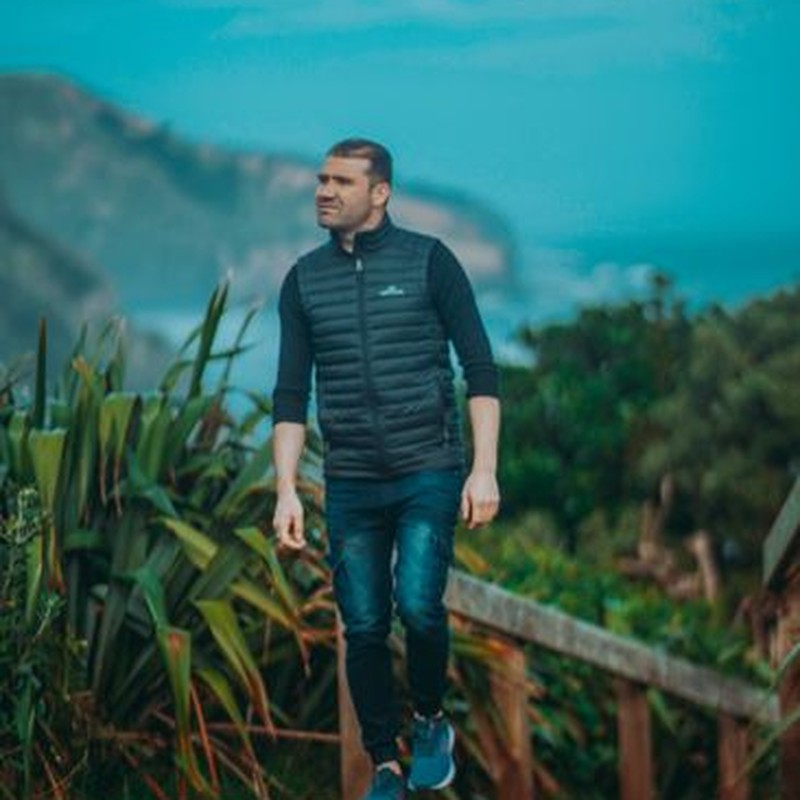
Think easy walking, light cycling, swimming, mobility drills, or restorative yoga. Nothing that makes you breathe hard. If you have to stop talking mid-sentence to get your breath back, you have crossed into training.
The dividing line between active recovery and junk mileage is effort. A 20-minute easy walk that loosens your hips is recovery. A 45-minute tempo run that leaves you drenched is just training on a day that should be for recovery. If you can’t talk comfortably, you’re training, not recovering. I took the tempo approach for months, and it left me sore, irritable, and slower on my main workout days. When I switched to a gentler routine, I actually felt ready when intensity was on the schedule.
Maybe you worry that doing too little wastes your time. It won’t. Research on delayed-onset muscle soreness — the stiffness that peaks a day or two after hard work — suggests light movement can reduce how sore you feel, even if it doesn’t speed up muscle repair. The main benefit is that active recovery keeps the system moving without adding extra fatigue.
So what should an active recovery day look like? Pick one low-effort activity and set a 20- to 30-minute timer. Walk at a conversational pace. Do a slow mobility flow. Swim easy laps. The goal is to finish feeling looser, not tired.
- Active recovery is planned, not accidental.
- Keep the effort easy enough to talk comfortably.
- It is not a hard workout in disguise.
The easiest self-check is the talk test. Pick a song and try to sing it while you move. If you can’t carry the tune without gasping, slow down. If you can almost fall asleep while doing it, that’s fine. On a true recovery day, boring is usually the right feeling.
If you tend to skip rest days or push every session to the max, try this: plan your recovery day the day after your next hard workout. Schedule it like you schedule training. Write down the activity and the time. No guilt, no intensity, no “I’ll just do one more set.”
A trigger helped me make this stick. After my last big session of the week, I set out my walking shoes and picked a short mobility routine. Since it was already there, I didn’t have to think about it. That made all the difference.
Want something simple to add? Check current prices on Amazon for a foam roller or massage ball before you buy. You don’t need equipment for active recovery, but a small tool can make the routine more comfortable. And if you’ve tried a recovery day that worked, share your experience in the comments. Tell us what you did, how long it lasted, and how your next workout felt.
The Science of Faster Recovery: Blood Flow, Lactate, and Soreness
If you check your training app on rest days and feel a little itch to lift, this section is for you. You’re not lazy, but you might be underestimating what light movement can do for your next gym session.
Active recovery isn’t just a walk around the block. It’s a deliberate strategy that uses low-intensity movement to speed up your body’s repair process. Here’s how it works.
Blood Flow: The Delivery System
After a hard workout, your muscles have micro-tears and waste products to clear out. Your bloodstream is the cleanup crew. It carries oxygen and nutrients to damaged tissue and helps remove metabolic waste. Light movement nudges that system into action by increasing circulation without adding more stress.
At full rest, the flow slows down. A 20-minute easy walk speeds it up just enough to deliver fresh fuel to the muscles that need it. That’s one reason active recovery between intense sessions leaves you feeling less stiff.
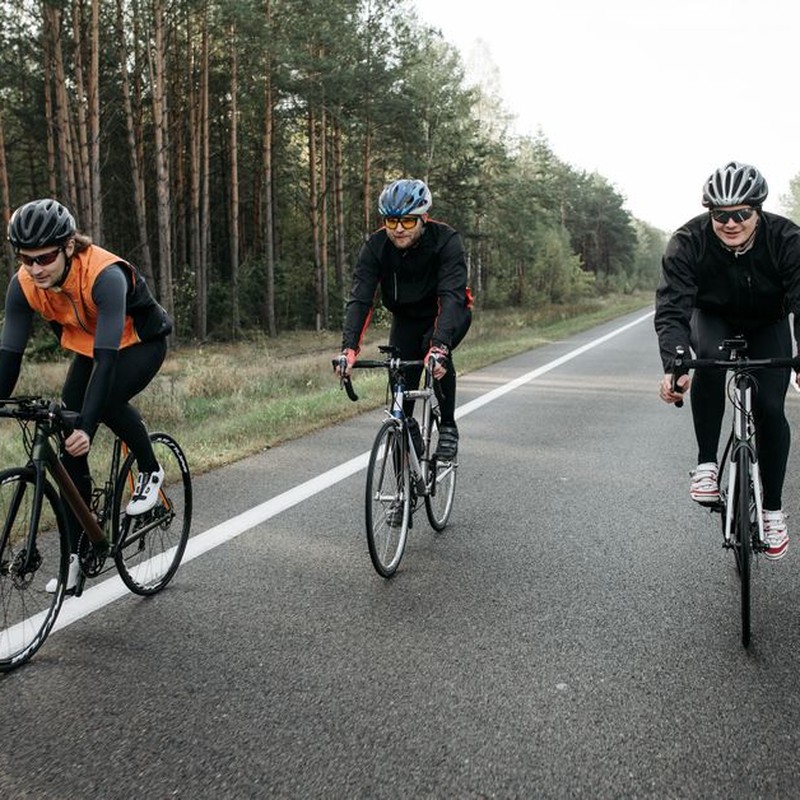
Practical tip: keep the intensity at a 2 or 3 out of 10. You should be able to hold a conversation without breathing hard. A brisk walk, an easy bike ride, a gentle swim, or a mobility circuit all count.
Lactate: The Evidence Is Mixed, but the Outcome Isn’t
The old story was that lactic acid caused soreness and light exercise flushed it out. The biology turned out to be more complicated. Lactate is actually a fuel source, and it clears within about an hour of exercise, no recovery method required. Some studies don’t show a meaningful difference in lactate removal between active recovery and full rest.
But here’s the part that matters for your day-to-day: the research on how people feel points in the same direction. In study after study, people who do light exercise during recovery report less delayed onset muscle soreness (DOMS) and a faster sense of recovery than those who sit still. One review found that gentle exercise outperforms stretching for reducing DOMS. Some placebo effect might be at play, but if it makes you feel better and doesn’t interfere with performance, that’s a win.
Don’t chase lactate clearance. Chase the feeling. If you’re stiff after squats, a 15-minute bike ride won’t magically heal your quads, but it will make walking downstairs less painful.
Psychological Perks: The Brain Follows the Body
There’s a mental side to recovery that often gets ignored. When you’re sore and fatigued, your brain registers those signals as a warning. An easy session can break that pattern. It gives you a sense of doing something proactive, lowers perceived fatigue, and makes you feel ready for the next workout.
I’ve had days when my legs felt like lead, but after 30 minutes of slow cycling with a podcast, my mood shifted. The soreness didn’t vanish, but my confidence in the next session came back. That isn’t mystical. It’s a shift from I’m broken to I’m recovering.
How To Structure an Active Recovery Day
If you want to apply this tomorrow, here’s a simple template:
- Pick an activity you actually enjoy. Walking, hiking, swimming, yoga, or easy cycling.
- Keep the duration between 20 and 45 minutes. More isn’t better.
- Stay in zone 1 or zone 2. If you don’t use a monitor, keep your breathing easy enough to hum a tune.
- Stop before you feel fatigued. This is not a workout.
One caution: active recovery shouldn’t look like a low-effort version of your training. Avoid doing submaximal squats with a loaded bar when your form is compromised. That’s extra stress without the benefit of a true easy day.
If you’re worried that skipping the gym on a recovery day means losing progress, remember this: muscle adaptation happens while you rest. Showing up at 100 percent for your next intense session beats dragging yourself through a half-hearted workout today. Give your body the go-signal to repair, and your quads will thank you on the next leg day.
If you’re in the market for recovery tools like a foam roller or massage gun, check current prices on Amazon before you buy. Trying a couple of options can help you figure out what works for your routine — and I’m genuinely curious what you’ve found helpful. Drop a comment below.
How to Build an Active Recovery Day That Works for You
Building a recovery day doesn’t require special gear, a training plan, or endless willpower. It requires a few clear boundaries. Without them, you either do nothing and wake up stiff, or you overdo it and show up to your next session with heavy legs. After coaching clients and testing this myself, I’ve settled on a simple structure that keeps recovery effective and easy to repeat.
Start with the intensity and duration that recovery research supports. Aim for 20 to 45 minutes at 30 to 50 percent of your max heart rate. For most people, that means a brisk walk or an easy spin where you can still hold a conversation. No heavy breathing. No interval surges. Just steady, easy movement.
If you have a heart-rate monitor, use the 30 to 50 percent range as your guardrail. If you don’t, the conversation test works just as well: you should be able to say a full sentence without gasping between words, but you shouldn’t be able to deliver a long monologue without pausing.
I remember one recovery day where I decided to ‘just jog’ my usual route. By the end, my heart rate was at 78 percent of max, my legs felt loaded, and the next morning I woke up more tired than before. That taught me to treat recovery as a separate skill, not as a faster version of training.
Pick the opposite of your training
The best active recovery activity works the body in a different pattern than your main sport. If you run hard, skip the recovery jog and try cycling, swimming, stretching, or a long walk instead. Runners already spend all week on their feet with repetitive impact. A 30-minute walk on a recovery day can work, but cycling or swimming shifts the load away from tired bones and tendons.
For lifters, the opposite rule applies. If you’ve spent the week squatting and hinging, do something that unloads your spine and hips. A long walk, 20 minutes on a bike, or a slow few hundred meters in the pool can feel much better than a bodyweight lunges circuit. The goal is to get blood flowing to the tissues that need it without adding extra stress to your central nervous system.
Here are a few recovery-day activity ideas grouped by how you usually train:
- Running or endurance training: cycling, swimming, a long flat walk, or a gentle yoga flow.
- Lifting or power-based sports: walking, incline treadmill, cycling, or mobility work.
- Team sports with lots of sprinting and cutting: swimming, elliptical, or a 30-minute neighborhood walk.
- Sedentary work or general stress: any of the above, but at a slower pace. The idea is to get out of a chair and move your hips and spine.
You don’t need to pick the ‘best’ activity. Pick the one you’ll actually do and that doesn’t feel like a workout. If you’re a lifter, a recovery walk might feel too casual, but that’s often exactly what you need.
Structure your recovery session
Here’s a template that works well. Start with five minutes of easy movement to warm up. Then spend 20 to 35 minutes on the activity you chose above. Finish with five minutes of stretching or self-massage. That’s still under 45 minutes, so it’s not a huge time investment.
On my own non-lifting days, I do 25 minutes on a spin bike at a pace I can maintain while breathing through my nose, followed by five minutes of unloaded squats and hip openers. It works because it gets my legs moving without the pounding that running involves.
- Minutes 0–5: Very easy movement to warm up, like a slow stroll or gentle cycling.
- Minutes 5–25: Increase to a conversational pace. You’re still moving, but you could chat with a friend without stopping.
- Minutes 25–30: Slow down and do some relaxed stretching for the muscles that feel tight.
- Minutes 30–35: Use a foam roller or massage gun on the muscles that took the most training load this week.
The exact split can change depending on how you feel. Some days you might only have 20 minutes. That’s fine. A short active recovery session still beats a full rest day for blood flow and soreness, and it’s far better than skipping recovery altogether.
Add self-massage if you want to speed things up
Self-massage with a foam roller or massage gun isn’t a magic wand, but it can reduce muscle soreness and make tight muscles feel better the next day. Spending five to ten minutes on your calves, quads, or lower back is a practical add-on to your routine. You can check current prices on Amazon for a foam roller or massage gun if you want to try it for yourself.
I actually use a foam roller after most recovery sessions, not during. Rolling first thing in the morning while my coffee brews, or after a walk when muscles are warm, works better for me than forcing it into a busy schedule.
If you tend to skip rest days, the biggest challenge is feeling like you’re not doing enough. That’s normal. But recovery is the part of training where your body rebuilds and adapts. If you’re constantly pushing, you’re constantly tearing down without giving your body a chance to grow stronger.
Try this: schedule one active recovery day per week for the next three weeks. Put the activity and time limit in your calendar. Stick to that limit. If you catch yourself trying to push the pace or extend the duration, ask whether you’re afraid of losing fitness. You won’t. One easy day will not make you slower or weaker.
After the session, notice how you feel the next day. Most people I know say their legs feel lighter, their lower back isn’t as cranky, and they’re less tempted to skip the next workout.
Have you tried using a foam roller or massage gun on your recovery days? Share your experience in the comments — I’d love to know what helped you and what didn’t.
Common Recovery Day Mistakes and Knowing When to Rest
You’re finally taking a recovery day. Great. But what you do on that day matters just as much as whether you take it. Many trainees — I used to be one — turn recovery days into extra training sessions. Instead of resting, they grind. Let’s fix that.
Mistake #1: Treating a Recovery Day Like a Light Workout Day
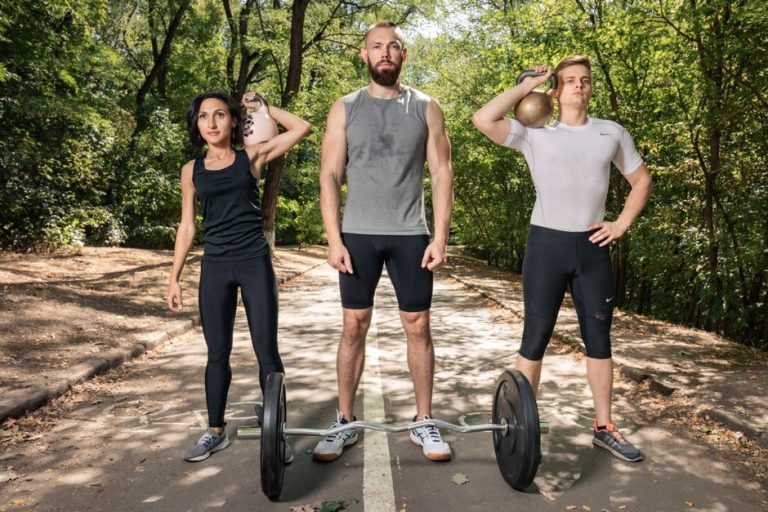
The point of active recovery is to increase blood flow, flush out metabolic waste, and move your joints without adding stress. It’s not a circuit class with burpees and kettlebell swings. When you spike your heart rate and push muscles close to failure, you add more fatigue. That digs the hole deeper.
I know the feeling. You sit still for ten minutes and think, “I should do something productive.” So you do push-ups, some lunges, or a few sprints. That’s training, not recovering. You’re stealing energy from tomorrow’s session.
Keep it easy. A 20–30 minute walk, a gentle bike ride, or a long stretch session. You should be able to hold a conversation at a 3 or 4 out of 10 effort. If you’re breathing hard, you’re working too hard.
Mistake #2: Confusing Soreness with a Training Signal
Delayed onset muscle soreness (DOMS) peaks 24 to 72 hours after a workout. Mild soreness often improves with light movement. That’s blood flow doing its job. But there’s a big difference between “my quads are tight” and “I can’t sit down without yelping.”
If gentle movement makes the soreness feel better, active recovery is fine. If it makes it worse, or if the soreness interferes with daily tasks like walking downstairs, take a full rest day. No walks, no foam rolling workouts, no stretching circuits. Just let your body rebuild. Pushing through severe soreness isn’t mental toughness. It’s counterproductive.
Mistake #3: Ignoring the Signs You’re Actually Overtrained
Everyone has a rough week. But constant fatigue, poor sleep, falling strength, irritability, and loss of appetite are not normal. That’s the red zone. Active recovery won’t fix an overtrained nervous system. It just adds another load you don’t need.
I’ve been there. I fought through months of heavy training while sleeping badly and getting weaker. My resting heart rate was higher than normal. I thought I was lazy. Actually, I was overreaching and on the edge of overtraining syndrome. A full week off made everything click back into place.
If you recognize these signs, take at least 7 to 10 days with zero purposeful exercise. Sleep more, eat more protein, and manage stress. Full rest isn’t a weakness. It’s an investment.
- You’re constantly tired even after a full night’s sleep.
- Your resting heart rate stays elevated for days.
- Your lifts drop for no obvious reason.
- You feel unusually moody, depressed, or unmotivated.
- You’re getting sick often or your joints ache without a clear cause.
A Simple Recovery Day Template
If you’re not overtrained and just need an easy day, use this.
- 10–15 minutes of easy movement. Walk, swim, or bike at a conversational pace.
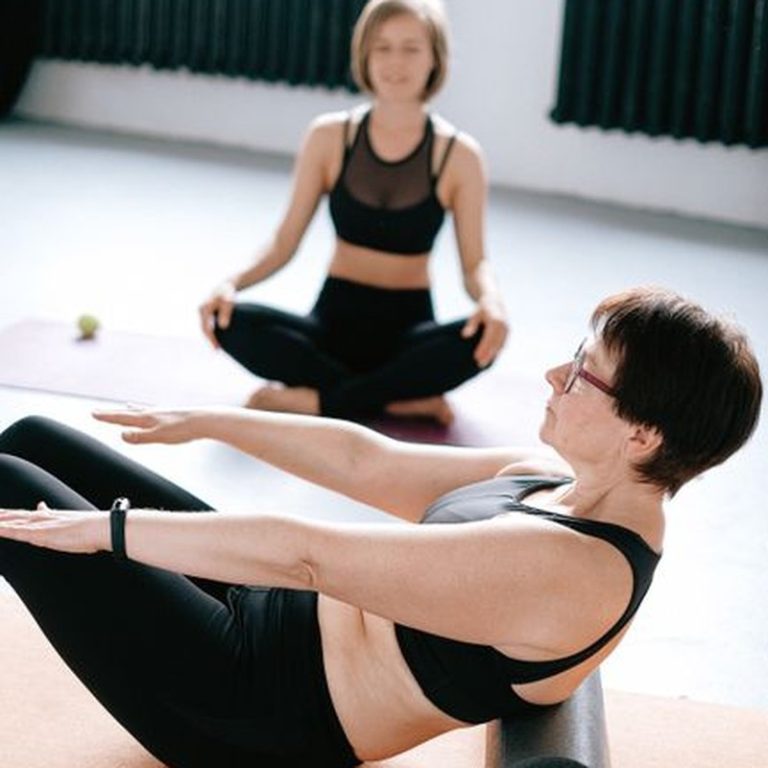
- 5 minutes of mobility work. Move your hips, shoulders, and upper back through a comfortable range. No bouncing.
- 5–10 minutes of self-massage if needed. Use a foam roller or massage ball on tight spots, but avoid sharp pain.
That’s it. No heart-rate zones, no intervals, no “feel the burn.” Enough movement to help recovery, but not enough to create more stress.
Try This for Two Weeks
Pick one day each week and do exactly the template above. After two weeks, compare how you feel on your next hard training day. Better sleep? Less soreness? More pop in your lifts? Keep it. If you don’t notice a difference, it’s not the right tool for you.
Come back and share how it went in the comments. And if you want gear like a foam roller or massage ball, check current prices on Amazon. A cheap roller works fine, but you don’t need any gear to get the job done. A pair of sneakers and a patch of floor are enough.
Recovery is when your body actually gets stronger. Don’t sabotage it by doing too much. And when your body is screaming for total rest, listen. Skipping one workout won’t ruin your progress. Ignoring the warning signs will eventually force a much longer break.