Should You Work Out Before or After Breakfast? A Practical Guide to Fasted Training
Full disclosure: Some links in this article are affiliate links. We may earn a small commission at no extra cost to you if you make a purchase through them. Our recommendations are based on what real users report, not on commission size.
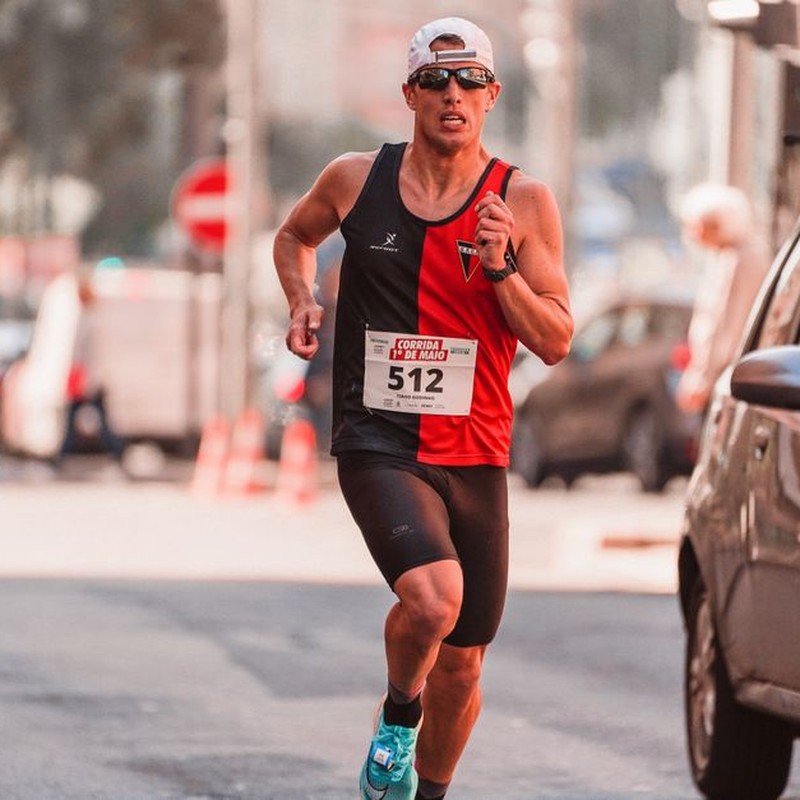
Fasted Training 101: What Actually Happens When You Skip Breakfast
It’s 5:40 a.m. Your shoes are on, the fridge is open, and you’re weighing whether breakfast happens now or after the workout. Small decision, right? Spend ten minutes in a fitness forum and you’d swear the answer determines everything about your results.
Here’s the physiology underneath the noise. By the time you wake up, you’ve gone roughly 8 to 12 hours without food. That overnight fast leaves your liver glycogen low, and liver glycogen is the quick-access sugar your body taps the moment you start moving. With less of it on hand, your muscles pull a larger share of their fuel from stored fat. Fat oxidation during a fasted morning session runs measurably higher than during the same session done after a meal.
That part is real. It’s also where most people take a wrong turn.
Burning more fat during a 45-minute run is not the same thing as losing more fat across a week. Two different measurements. One is a fuel rate, sampled while you’re moving. The other is the cumulative result of everything you ate and burned over seven days. Plenty of people conflate the two, and interest in the question keeps climbing: Google Trends shows US searches for both “morning workout” and “intermittent fasting” up over the past year.
A September 2026 Yahoo Health piece on exercising before or after breakfast made the distinction cleanly, framing the choice as a trade-off between comfort and performance rather than a contest with an obvious winner. Nothing in the research hands either side a decisive victory.
What moves the needle is total calories and protein. If you finish a fasted workout and then eat 400 calories more at breakfast than you normally would, the extra fat you burned on the treadmill gets wiped out before lunch. Protein earns its own mention for a separate reason: it protects muscle while you’re in a deficit, whether or not you ate first. Going fasted changes which fuel you burn during the session. It doesn’t touch the energy balance sitting underneath it.
Fuel mix also stops being a free choice as intensity climbs. Walking and easy jogging run comfortably on fat. Heavy lifting, sprints, and hard intervals don’t. Those efforts depend on glycogen, and when stores are low you feel it as fewer quality reps, slower splits, and a set that dies two reps early. If your program is built around a barbell, training on empty usually costs you more than it gives you.
Where personal factors take over
Some people shouldn’t train fasted, and the reasons have nothing to do with fat loss. If you manage a blood sugar condition, take medication that affects glucose, or have a history of getting lightheaded, eat something first and talk to your doctor about timing and dose. Nausea on an empty stomach is another honest signal worth listening to.
I ran fasted 6 a.m. sessions for two winters and loved the light, unbloated feeling. My partner tried the same thing, got dizzy at mile one, and now eats half a banana before every workout. Both approaches work. Bodies differ, and no study is going to override what yours tells you at 6 a.m.
For anyone training for general fitness rather than a race or a meet, the gap between fasted and fed is small enough to ignore. Consistency and total daily intake matter far more than the order of breakfast and burpees. Eating first won’t sabotage your fat loss, and skipping breakfast won’t guarantee it. Pick the version you can repeat five mornings a week without dreading it. That’s the one that moves the needle.
Match Your Breakfast Timing to Your Workout, Not the Other Way Around
Ask ten people whether you should eat before a morning workout and you’ll get ten confident answers, each built on whatever that person happens to do. The argument gets loud because everyone is describing a different session. A 20-minute walk and a 75-minute barbell workout are not the same event, and they don’t call for the same pre-workout decision.
Skip the universal rule and answer three questions instead: How long is the session? How hard is it? What time does it start? Those three answers sort out nearly every case.

When training on an empty stomach works fine
Easy walks, light jogs, mobility work, and rides under 30 minutes rarely need food in front of them. Intensity is low, duration is short, and you have enough stored carbohydrate to cover it.
Most people also just feel better this way. No sloshing, no heavy stomach, no sitting around waiting for digestion to finish.
I’ve done 25-minute easy runs at 5:40 a.m. for years without eating first, and the difference between fed and fasted on those runs is basically zero. The one change I made is drinking a full glass of water before I head out. Dehydration, not hunger, is what made those early runs feel rough.
If you’re doing yoga, walking the dog at a brisk pace, or spinning for 20 minutes before work, eat after. That’s the whole decision.
When you should eat first
Heavy lifting, HIIT, and any session running past 60 minutes belong in a different category. For those, eat 60 to 90 minutes before you train, aiming for roughly 30 to 60 grams of carbs and 15 to 25 grams of protein. Oatmeal with a scoop of protein powder, a bagel with eggs, or Greek yogurt with granola and fruit all land in that range.
Hard training leans on muscle glycogen and pulls your blood sugar around. Go in empty and the back half of the session tends to fall apart. Your last few sets get sloppy, rest periods stretch out, and you leave feeling like you left something on the table.
The 60-to-90-minute window matters more than the exact food. Eat 10 minutes before a heavy squat day and you’ll spend the first three sets burping. Eat two hours before and you may be hungry again by the time you rack the bar.
Short on time? Drink your breakfast
Liquid calories empty from the stomach faster than solid food. That’s why a shake beats a plate when you’re squeezing a workout into a tight morning. A banana blended with a scoop of whey takes about a minute to make and roughly 20 minutes to clear. A small sports drink with a few bites of a granola bar does the same job if a blender at 5 a.m. is a nonstarter.
This is also the answer for people who genuinely can’t stomach food early. You don’t need a full meal. You need enough carbohydrate to get through the session.
The volume cost of lifting fasted
This part gets misrepresented constantly. Lifting on an empty stomach will not eat your muscle, as long as your total daily protein is adequate. Muscle loss isn’t a morning problem. It’s a weekly problem.
What fasted lifting does cost you is volume. Rep totals drop for most people, especially on compound lifts and anything in the 8-to-12 rep range. That’s a training problem, not a nutrition catastrophe, but it’s real.
Testing it takes one week. Write down your rep totals and the weight you used for your main lifts on a fasted day. Repeat the same session fed seven days later. If your squat sets drop from 8 reps to 6 at the same weight, you have your answer. No study average can settle that for you.
5 a.m. is a different problem than 8 a.m.
The Yahoo Health piece that ran in September 2026 framed the before-or-after-breakfast question as a matter of individual response, and that lines up with what I see in practice. Someone training at 8 a.m. has time to eat a real breakfast and digest it. Someone at the gym by 5 a.m. does not, and forcing a full meal down at 4:15 usually ends badly.
If you’re in the early group, keep the pre-workout snack small and push the bigger meal to after. Half a banana, a few dates, or a small shake is enough. Then eat properly once you’re home and showered. Your body doesn’t care whether the calories came before or after, as long as they come.
There’s a reason this topic keeps getting searched. Google Trends shows morning workout searches climbing over the past year, and intermittent fasting searches are up too. Plenty of people are stacking those two habits and then wondering why their 6 a.m. HIIT class feels brutal. If you’re fasting for other reasons and training hard in the morning, it’s worth asking whether the combination is actually serving you.
Quick reference
- Easy walk, light jog, mobility, ride under 30 minutes: train fasted, eat after.
- Moderate cardio 30 to 60 minutes: optional small snack of 15 to 20 grams of carbs if you feel flat without it.
- Heavy lifting or HIIT: eat 60 to 90 minutes before, 30 to 60 grams of carbs plus 15 to 25 grams of protein.
- Anything past 60 minutes: same as above, and bring something to sip during the session.
- No time to digest: liquid carbs, roughly 20 minutes before you start.
Change one thing at a time
Give any change about two weeks before you judge it. Switch your pre-workout approach, keep everything else the same, and see how you feel and perform on day 10. That’s a more useful data point than any group average, because it’s your body, your sleep, and your schedule.
If you want to test the shake route, a basic whey protein and a shaker bottle are cheap enough to try without much commitment. Check current prices on Amazon before you buy a tub of something you might not finish. And if you’ve already landed on an approach that works at 5 a.m., drop it in the comments. The early crowd needs all the real-world input it can get.
Building a Pre-Workout Plate (or Shaker) That Won’t Weigh You Down
Search interest in “morning workout” and “intermittent fasting” both climbed over the past year in the US, according to Google Trends data, which means a lot of people are standing in their kitchens at 5:30 a.m. trying to decide whether to eat. Fed versus fasted gets the headlines. The question that actually changes your morning is narrower: what goes in your mouth, and when?
Short version: in the 90 minutes before training, keep fat and fiber low, protein moderate, and carbs fast-digesting. Everything else is details.
Why fat and fiber fight you right before training
Both slow gastric emptying, meaning food sits in your stomach longer. That’s a good thing at dinner. At 6 a.m., twenty minutes before you start running, it’s the water-balloon-behind-the-ribs feeling.
Oatmeal is the classic example. It’s a good breakfast, but a big bowl of steel-cut oats with chia seeds and a heavy scoop of almond butter thirty minutes before a run is asking for trouble. Save that version for after. Same logic applies to cheese, sausage, fried anything, and most protein bars that read like a candy label with added fiber.
Three timing tiers
I keep these in a note on my phone. When I sleep through my alarm, I drop to tier three instead of skipping food entirely.
- 90 minutes out: Oatmeal with a sliced banana and a few spoonfuls of Greek yogurt. Around 50 to 60 grams of carbs and 15 to 20 grams of protein, with the fat kept modest.
- 45 minutes out: A slice of toast with honey and a hard-boiled egg. Small, quick, and easy on the stomach.
- 15 minutes out: A smoothie or a plain banana. Something that empties fast and doesn’t require chewing through a bowl of grains.
New to eating before morning training? Start at the 90-minute tier and work backward over a few weeks. Your gut adapts, but on its own schedule, not yours.
Hydration: the part almost everyone skips
You wake up mildly dehydrated after seven or eight hours without fluids. Drink 12 to 20 ounces of water in the hour before you train. For most 30-to-45-minute sessions, that’s the whole job.
Electrolytes earn their place if you sweat heavily, if you’re going longer than an hour, or if you live somewhere hot and humid. A pinch of salt in your water bottle works about as well as anything fancier for recreational training. Don’t overthink the brand.
Caffeine, with a caveat
Caffeine taken 30 to 45 minutes before training can lower how hard the effort feels for some people, which is one of the more consistent findings in sports nutrition. It doesn’t work for everyone, and dose matters. A normal cup of coffee is a reasonable starting point.
Skip it if you’re already jittery, or if it wrecks your sleep. Trading an hour of sleep for a slightly easier-feeling workout is a bad deal, because recovery is where the adaptation actually happens.
Don’t stop at the finish line
Post-workout deserves the same planning as pre-workout. Aim for 20 to 40 grams of protein within a couple of hours of finishing. If you trained fasted, that first meal is doing double duty, so make it a real one: eggs and toast, Greek yogurt with fruit and granola, whatever you’ll actually eat. If you ate beforehand, a normal breakfast covers it.
One habit that’s saved me more rushed mornings than any meal plan: a shelf-stable backup that lives in the gym bag. A banana, an applesauce pouch, and a shaker with a scoop of protein powder. A basic shaker bottle costs a few dollars, so it’s worth checking current prices on Amazon if you don’t already own one. Willpower at 5:40 a.m. is unreliable. A banana in your bag isn’t.
If you’ve landed on a pre-workout combo that sits well at an ungodly hour, put it in the comments. Rushed mornings are easier to survive when someone else has already done the trial and error.
Myths, Rebounds, and a Two-Week Test You Can Run on Yourself
Fasted training will not eat your muscles for breakfast. That myth refuses to die, but your body does not flip a switch into muscle-burning mode just because you skipped a meal before a run. What actually strips muscle is a steady calorie deficit plus too little protein over weeks and months. If your daily totals support your training, when you eat around that training matters far less than most people assume. I have watched lifters panic about fasted cardio while eating 1,200 calories a day and wondering why their squat felt heavy. The empty stomach was not the problem. The empty plate was.
Skipping breakfast does not automatically shrink your waistline either. This is where the hunger rebound shows up. You finish a hard morning session on nothing, feel virtuous, and by 2 p.m. you have eaten back everything you thought you saved, plus a few hundred calories. It happens quietly: a handful of nuts, a bigger lunch, an afternoon latte you never count. Nutrition research keeps pointing at total intake as the main driver of fat loss, not meal frequency or the clock on the wall. If skipping breakfast helps you eat less across the day, keep doing it. If it leaves you ravenous by 10 a.m., it is not a strategy. It is a setup.
Exercise timing is often a schedule decision wearing a nutrition costume. If 6 a.m. is the only slot you will actually keep, that beats a theoretically superior afternoon session you skip half the time. I have coached people who swore they would train after work and then missed three sessions a week. The ones who showed up at 5:30 before their kids woke up? They almost never missed. Consistency follows convenience.
And the question is not going away. Google Trends data for the US shows searches for ‘morning workout’ climbing, with a recent 30-day average of 12.7 against a 12-month average of 10.6. Searches for ‘intermittent fasting’ are rising too, 20.5 recently versus 17.8 over the year. That steady interest is why a Yahoo Health article from September 18, 2026, titled ‘Is It Better to Exercise Before or After Breakfast?’, keeps getting passed around. People want one clean answer. The research does not hand one over, because the answer depends on the person asking.
So run the test on yourself. Two weeks, no cost, no lab equipment.
- Week one: train fasted.
- Week two: eat a small pre-workout snack 30 to 60 minutes before your session, like a banana with a tablespoon of peanut butter, a slice of toast, or half a protein shake.
Keep the workouts identical: same type, duration, and intensity. Keep sleep roughly the same too, because one bad night will skew everything. After each session, log four things on a 1-to-5 scale: energy before and during, soreness the next day, hunger an hour after, and whether you finished what you planned.
I ran this last spring with a banana and peanut butter before my morning runs. Fasted felt fine for easy mileage and miserable for intervals. With the snack, my interval splits held steady and I was not digging through the pantry by 10 a.m. The pattern was obvious once I wrote it down.
After two weeks, compare. Which week had more sessions where you felt strong? Which week did you finish everything you planned? Which one left you less sore and less hungry? That is your answer. Not a study abstract, not someone’s opinion on social media, but your own pattern.
Pick the version you can repeat five days a week, and stop grading yourself on fat oxidation numbers you will never measure at home. You do not have a metabolic cart in the garage. You have a schedule, an appetite, and a body that talks back. Use those.
If you are stocking up on protein powder, oats, or a shaker bottle for your morning routine, check current prices on Amazon. Then tell us how it went. Did you feel better with a snack, or did you prefer training on empty? Drop your fasted-versus-fed experience in the comments so the next reader can compare notes.