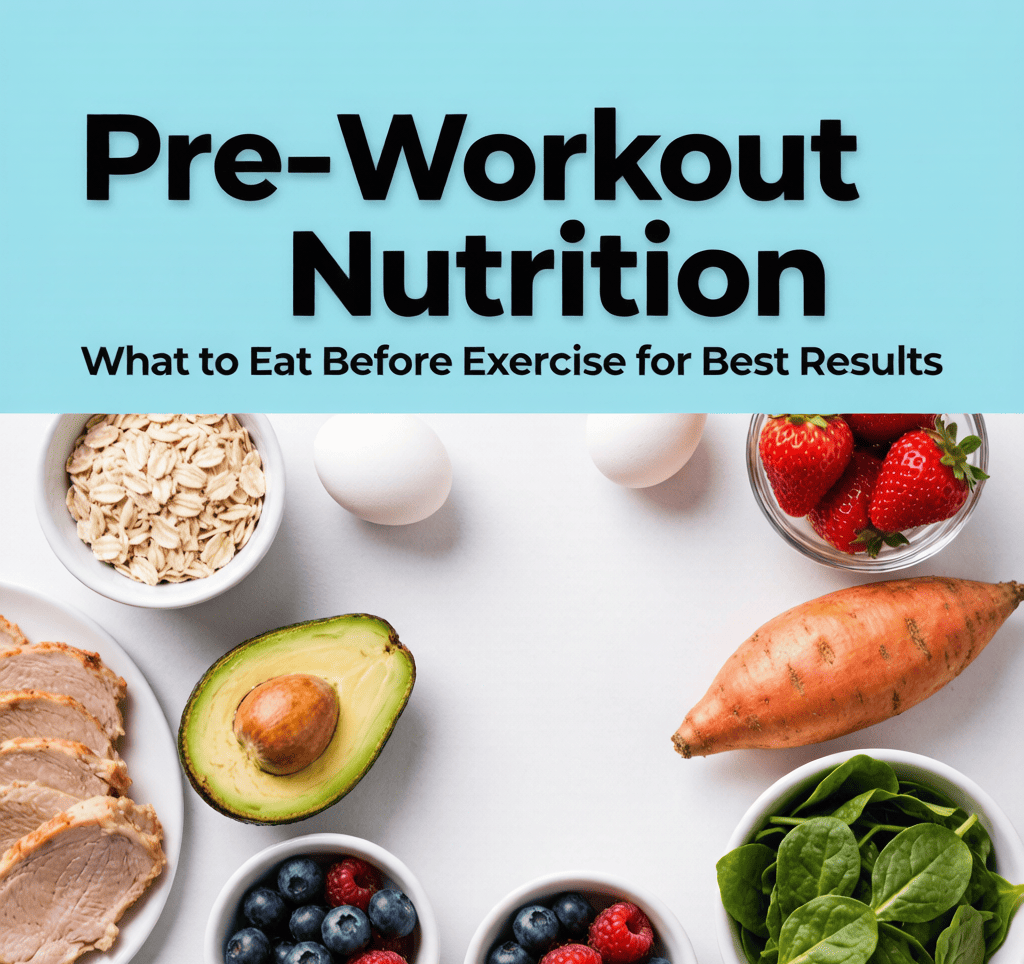
Pre-Workout Nutrition:
By Liam Smith — Fitness enthusiast and founder of Apexfito. I test gear at home and share what actually works.
Why Pre-Workout Nutrition Matters More Than You Think
You’ve probably heard the advice to train fasted to burn more fat. It sounds logical—if your stomach is empty, your body has no choice but to dip into fat stores for energy. But the science tells a different story, especially if your goal is performance, muscle retention, or getting the most out of every rep. Harvard Health notes that timing your meals and snacks around exercise can improve performance and recovery.
When you eat before a workout, you’re giving your body a direct source of glucose. That glucose goes straight into your bloodstream and muscles, providing immediate energy. More importantly, it spares your muscle glycogen—the stored carbs your muscles rely on for high-intensity work. Without that pre-workout fuel, your body starts tapping into glycogen much sooner, and once glycogen runs low, fatigue sets in fast. You end up cutting your sets short, lifting lighter, or skipping that last interval.
There’s another layer most people miss: muscle protein breakdown. During any training session, your body breaks down muscle protein for energy. A small pre-workout meal—especially one with protein—can significantly reduce that breakdown. A 2017 study in the Journal of the International Society of Sports Nutrition found that consuming 20–30 grams of protein before exercise lowered markers of muscle damage and helped maintain a positive nitrogen balance. That means you’re not just preserving muscle; you’re setting the stage for growth.
Does that mean training fasted is always bad? No. If you’re doing a 30-minute walk, light yoga, or a low-intensity steady-state cardio session, your body can handle it. But for strength training, HIIT, or any session where you’re pushing near your limit, fuel matters. I’ve tested both approaches myself: fasted morning lifts left me dragging through squats, while a small pre-workout snack had me hitting rep PRs. The difference in my performance was dramatic.
Individual tolerance also plays a huge role. Some people can eat a full meal two hours before training and feel great. Others need a lighter snack 30–45 minutes out. The key is experimenting to find what works for you—not blindly following the fasted-training trend.
Bottom line: pre-workout nutrition isn’t about stuffing yourself. It’s about giving your body the tools it needs to perform, recover, and grow.
If you want to check current prices on Amazon for quality pre-workout snacks or supplements, click the link below. And if you’ve tried both fasted and fed training, share your experience in the comments—I’d love to hear what works for you.
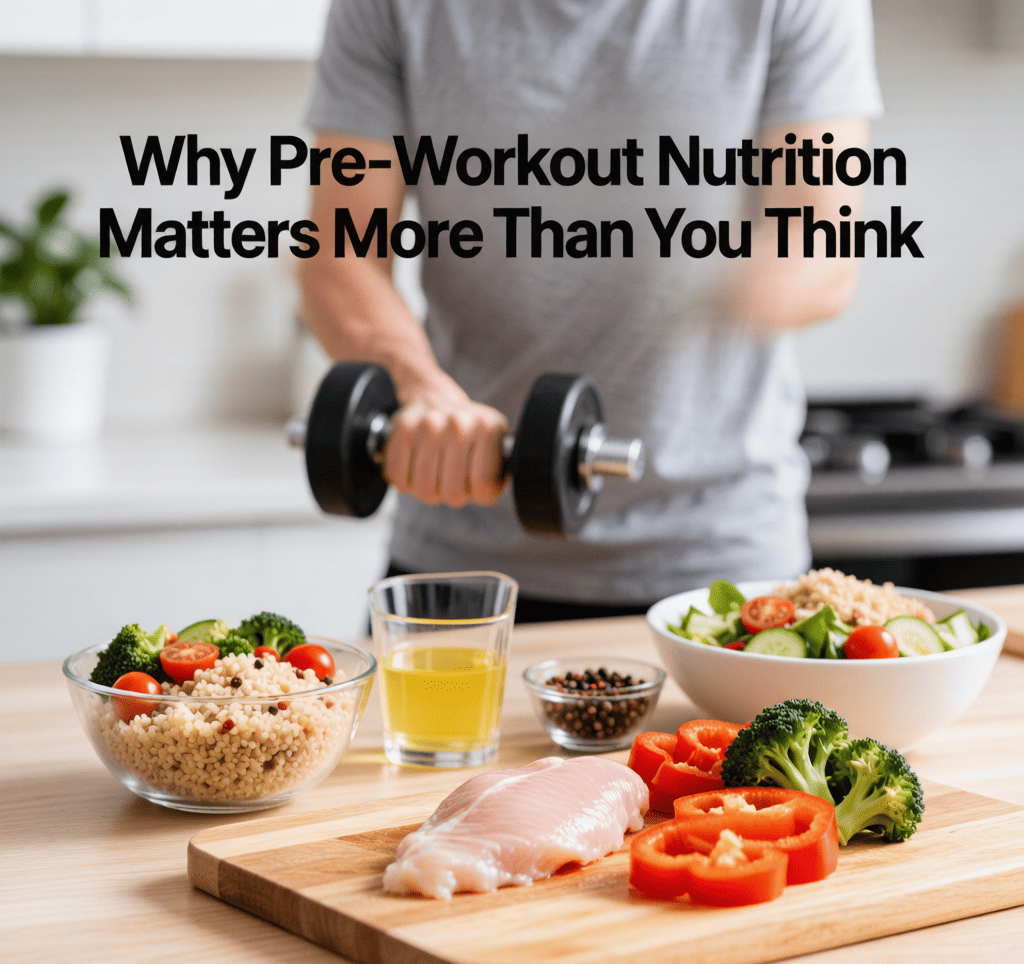
The Ideal Pre-Workout Meal: Carbs, Protein, and Timing
Getting your pre-workout meal right doesn’t require a nutrition degree. It comes down to three things: carbs for energy, protein for muscle support, and timing that works with your schedule. I’ve tested this with clients ranging from early-morning runners to evening lifters, and the same basic template works across the board.
Macronutrient Ratios That Work
For most people, 30–60 grams of carbohydrates paired with 15–25 grams of protein, taken 1–3 hours before training, works well. The exact numbers depend on your body size and how close you eat to your workout. A bigger meal needs more digestion time — aim for the 3-hour end. A smaller snack can be eaten 30–60 minutes out.
I’ve found that 40g carbs and 20g protein is a sweet spot for most gym-goers doing moderate-to-high intensity work. That’s roughly a banana with a scoop of whey, or a cup of oatmeal with half a cup of Greek yogurt.
Quick Reference: Meal Size and Timing
| Meal Size | Calories | Timing Before Workout |
|---|---|---|
| Large meal | 400–600 | 3 hours |
| Medium meal | 200–400 | 2 hours |
| Small snack | 100–200 | 30–60 minutes |
Use this table as a quick guide. If you’re eating a larger meal, give yourself the full three hours. A smaller snack can be closer to training without issues.
Best Carb Sources for Energy
Carbs are your body’s preferred fuel for anything above a light jog. Stick to easily digestible sources that won’t sit heavy in your stomach. My go-to list includes:
- Oatmeal — instant or rolled, both work fine
- Bananas — one medium banana provides about 30g carbs
- White rice — plain, not fried or loaded with butter
- Sweet potatoes — baked or mashed, without heavy toppings
- Rice cakes — light and quick to digest
I’ve had clients swear by a plain bagel with a thin spread of jam 90 minutes before lifting. It’s simple, effective, and doesn’t cause GI issues.
Protein Options That Support Performance
Pre-workout protein boosts amino acid levels in your blood, which can reduce muscle breakdown during training. Whey protein is the fastest-digesting option — I use it myself when I’m short on time. For whole foods, skinless chicken breast, Greek yogurt, or egg whites work well without slowing you down.
One combo I recommend often: 6 ounces of Greek yogurt (about 15g protein) with a sliced banana and a drizzle of honey. That’s roughly 40g carbs and 18g protein. It takes two minutes to prepare and sits well in most stomachs.
What to Keep Low: Fats and Fiber
Fats and fiber slow gastric emptying, meaning food stays in your stomach longer. That’s great for satiety but terrible when you’re about to squat or sprint. Keep total fat under 10 grams and fiber under 5 grams in your pre-workout meal. Skip the avocado toast, nut butters, and high-fiber cereals before training.
I learned this the hard way after a heavy breakfast of eggs, bacon, and whole-grain toast left me cramping halfway through a deadlift session. Now I save those meals for after training.
Timing Windows That Fit Real Life
Here’s how to adjust timing based on meal size:
- Large meal (400–600 calories): Eat 3 hours before training
- Medium meal (200–400 calories): Eat 2 hours before
- Small snack (100–200 calories): Eat 30–60 minutes before
If you train first thing in the morning and can’t stomach a full meal, try a liquid option: a protein shake blended with a banana or a glass of chocolate milk. I’ve used this approach for years on early training days and it works without the bloated feeling.
Experiment with these ratios and timing windows during your next few sessions. Pay attention to how your energy feels and whether any stomach issues pop up. Adjust from there. Once you find your groove, pre-workout eating becomes automatic.
Check current prices on Amazon for whey protein, oatmeal, and other staples to stock your kitchen. And drop a comment below with your go-to pre-workout meal — I’m always looking for new ideas.
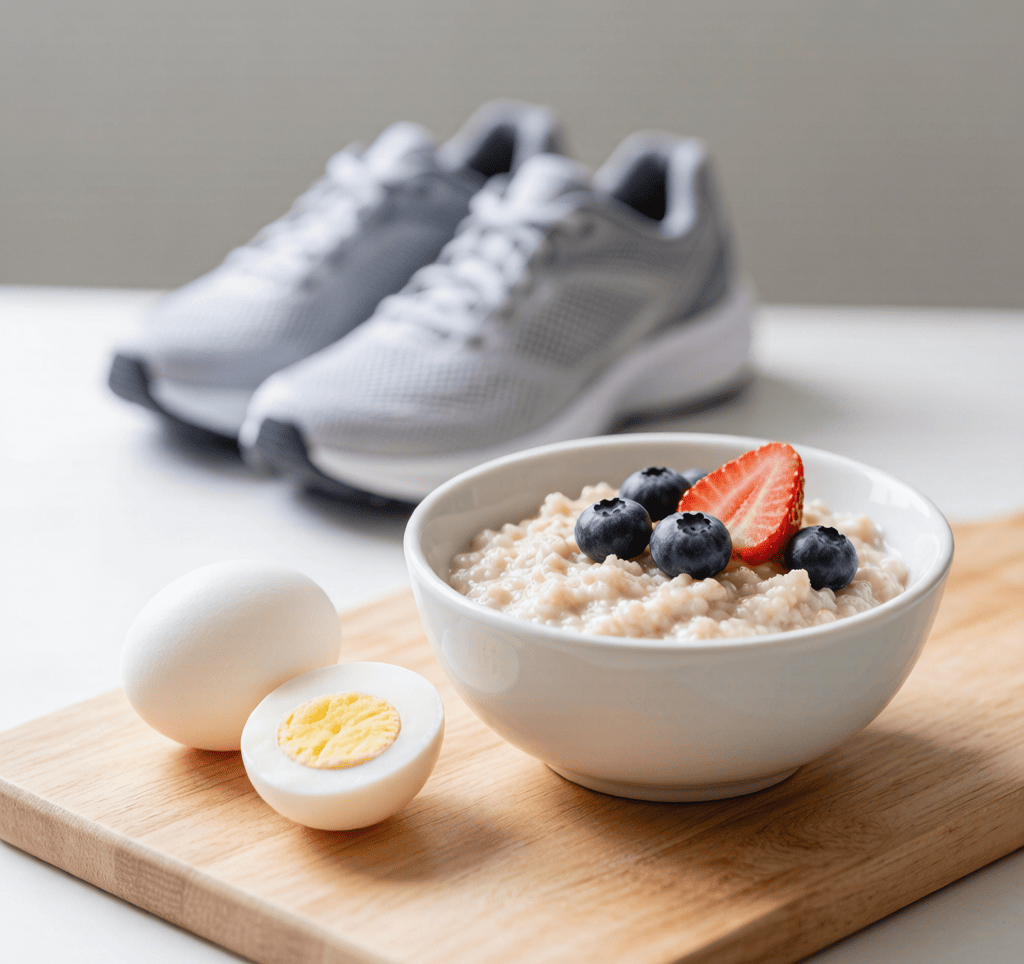
Pre-Workout Meal Ideas for Every Schedule
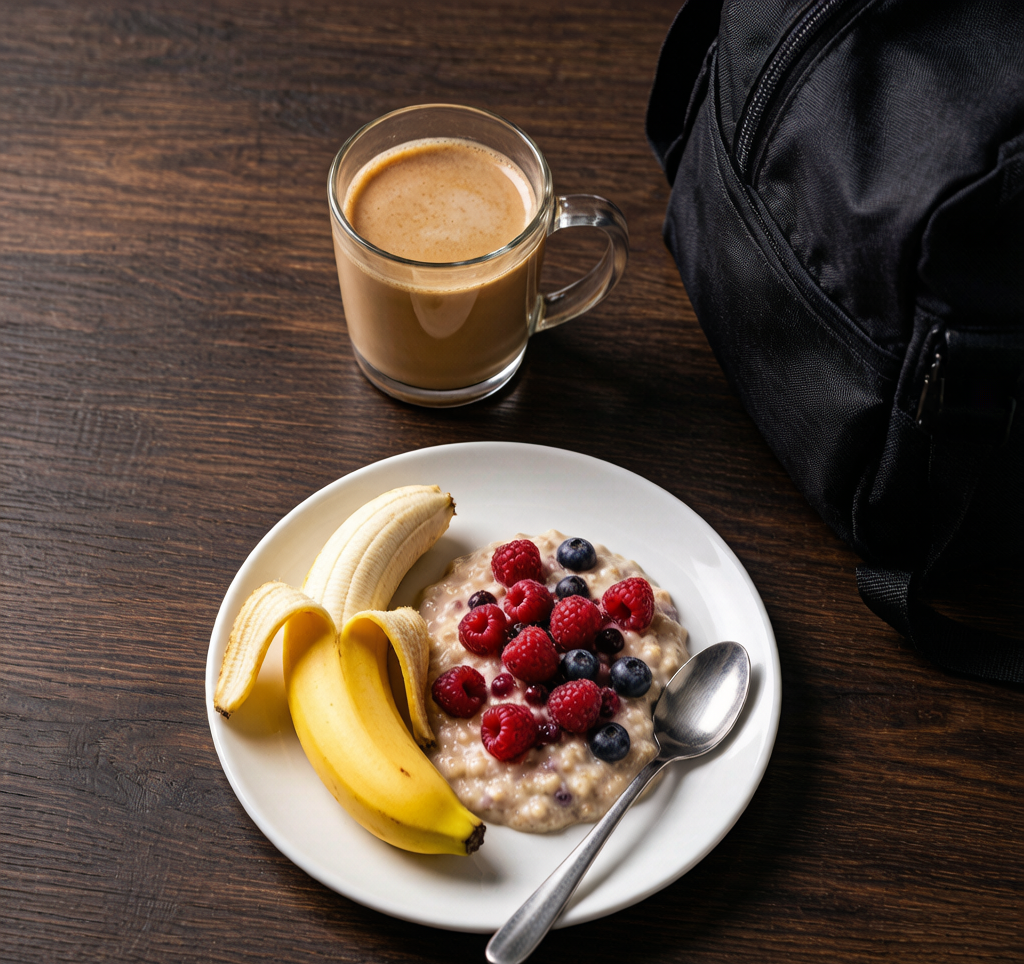
Knowing what to eat is half the battle — actually eating it at the right time is the other half. Below are meal ideas tailored to different training windows, preferences, and dietary styles. I’ve tested most of these myself, and they work without leaving you feeling heavy or sluggish.
- Morning (45–60 min out): Banana with peanut butter, or oatmeal with berries and protein powder.
- Afternoon/Evening (2–3 hrs out): Turkey sandwich on whole wheat, or chicken and rice bowl.
- Quick (30–60 min out): Fruit smoothie with whey protein, or sports drink with pretzels.
Morning Workouts (45–60 Minutes Before)
If you train first thing, your body needs something light that digests fast. A banana with a tablespoon of peanut butter gives you quick carbs and a bit of fat for sustained energy. Another go-to: a small bowl of oatmeal (half a cup dry) with berries and a scoop of protein powder. This combo provides around 30g carbs and 20g protein — enough to fuel a solid session without GI distress.
I’ve found that eating 45 minutes before works best for most people. Less than 30 minutes and you risk cramping; more than 90 and you might feel hungry halfway through.
Afternoon or Evening Sessions (2–3 Hours Before)
When you have more time, a balanced meal with protein, carbs, and a little fat is ideal. A turkey sandwich on whole wheat with lettuce and tomato, plus a side of Greek yogurt with fruit, hits the mark. Or try a chicken and rice bowl — about 4–6 oz of chicken, a cup of cooked rice, and some steamed veggies. This meal sits well and releases energy slowly over your workout.
One thing I’ve noticed: if I eat a heavy meal closer than 2 hours before lifting, I feel lethargic. Stick to the 2–3 hour window for these options.
Quick Digestion Meals (30–60 Minutes Out)
Sometimes you’re short on time. A smoothie with one banana, a scoop of whey protein, and a cup of almond milk blends up in two minutes and is easy on the stomach. Another option: a sports drink (like Gatorade) with a handful of pretzels. The simple sugars hit fast, and the salt helps with hydration.
I’ve used the smoothie approach before early morning runs and it never let me down. Just don’t add too much fiber — skip the spinach if you’re sensitive.
Plant-Based Options
No meat? No problem. A tofu scramble with whole-grain toast provides about 20g protein and 40g carbs. A lentil and rice bowl — half cup lentils, half cup rice, with some sautéed peppers — works well 2–3 hours before. For a quick option, blend a fruit smoothie with pea protein isolate. I’ve had clients switch to pea protein isolate and report no bloating, which is common with some dairy-based powders. It mixes smoothly in smoothies and delivers a solid 20–25g of protein per scoop.
Try these out and see what clicks for your schedule. Pre-workout nutrition isn’t one-size-fits-all, but these templates give you a solid starting point. Check current prices on Amazon for protein powders, nut butters, and other staples, and drop a comment sharing which meal works best for you.
Common Pre-Workout Nutrition Mistakes and How to Fix Them
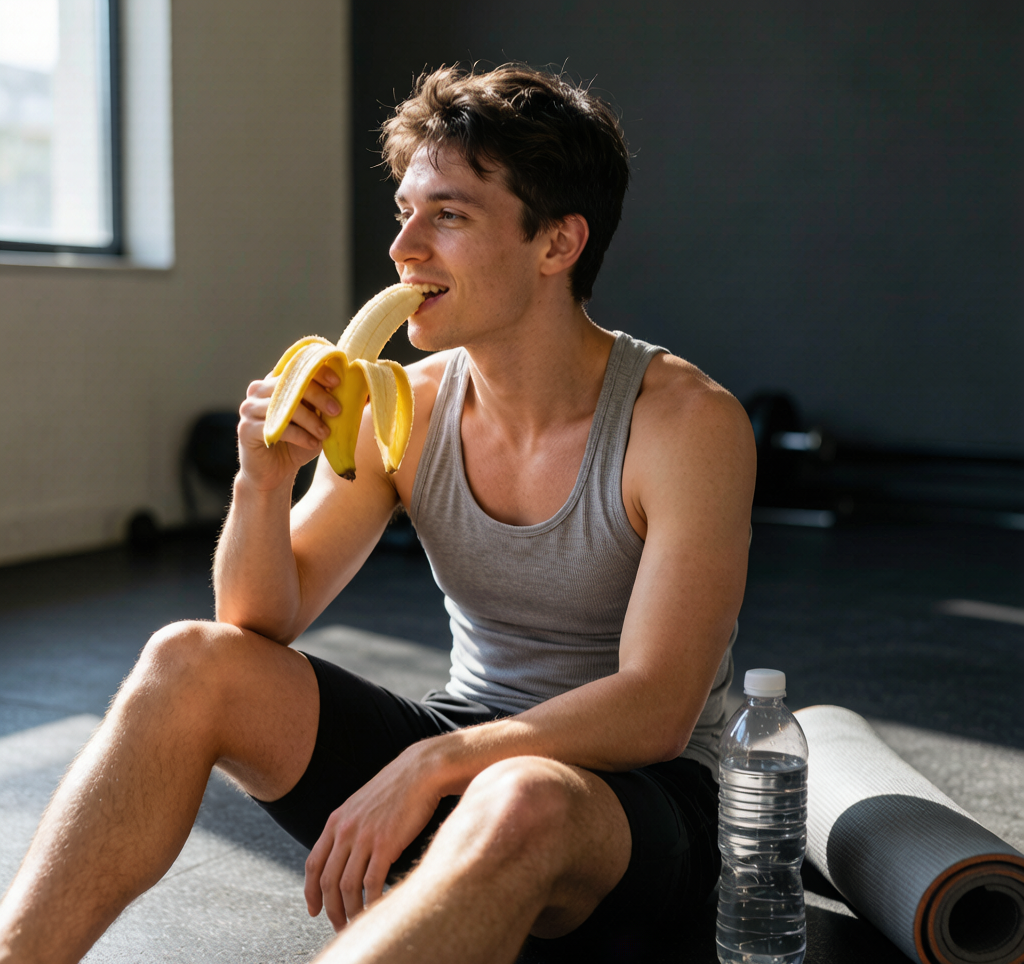
Even with the best intentions, it’s easy to sabotage your workout before it starts. I’ve seen people at the gym who look ready to crush it, only to hit a wall halfway through. The problem isn’t effort—it’s what they ate (or didn’t eat). Here are the most common pre-workout nutrition mistakes and how to fix them.
Mistake #1: Too Much Fat or Fiber Too Close to Training
Avocado toast and broccoli bowls are healthy, but not right before you lift. Fat and fiber slow down digestion, which means food sits in your stomach longer. That can lead to bloating, cramps, or that heavy, sluggish feeling that kills your performance.
The fix: Save high-fat and high-fiber foods for post-workout meals. Before exercise, stick to simple carbs like a banana, white rice, or a slice of white bread with jam. I’ve found that eating a banana with about 1 tablespoon of peanut butter (roughly 100 calories) works well—enough fat to keep you satisfied but not enough to cause trouble.
Mistake #2: Skipping Food and Relying Only on Caffeine
Some people think black coffee or a pre-workout supplement is enough. Caffeine can boost focus and energy, but without actual fuel, you risk an energy crash mid-session. This is especially true for workouts lasting longer than 45 minutes or involving heavy compound lifts.
The fix: Pair your caffeine with a small carb source. Try a cup of coffee with a handful of pretzels or a sports drink. I’ve done fasted morning workouts and regretted it—my sets felt weaker, and I was dragging by the end. A simple carb snack 30 minutes before made a noticeable difference.
Mistake #3: Over-Reliance on Supplements Without Real Food
Pre-workout powders are convenient, but they’re not a substitute for whole foods. Many people chug a scoop and think they’re set, missing out on the hydration and micronutrients that real food provides. Plus, some supplements can cause jitters or stomach upset if taken on an empty stomach.
The fix: Use supplements as a complement, not a replacement. Have a small meal or snack 1–2 hours before training, then use your pre-workout 20–30 minutes before. For example, eat a small bowl of oatmeal with berries, then take your supplement closer to workout time. This approach gives you steady energy without the crash.
Mistake #4: Not Experimenting with Timing and Portions
Everyone’s digestive system is different. What works for your gym buddy might leave you feeling bloated or hungry. The biggest mistake is sticking to one routine without testing alternatives.
The fix: Treat your pre-workout nutrition like an experiment. Try different foods, amounts, and timing during low-stakes workouts—like a light cardio session or a day when you’re just testing form. Keep a simple log: what you ate, when, and how you felt. Over a few weeks, you’ll find your personal sweet spot. I used to eat a full meal two hours before, but now I prefer a small snack 45 minutes out. It took trial and error to figure that out.
Quick Reference: Mistake vs. Fix
| Mistake | Fix |
|---|---|
| Too much fat/fiber close to training | Save high-fat/fiber foods for post-workout; eat simple carbs like banana or white rice |
| Skipping food, relying only on caffeine | Pair caffeine with a small carb source (e.g., coffee + pretzels) |
| Over-relying on supplements without real food | Use supplements as a complement; eat a small meal 1–2 hours before |
| Not experimenting with timing and portions | Test different foods and timing during low-stakes workouts; keep a log |
Start by fixing one mistake at a time. Swap that heavy meal for a lighter option, or add a carb source to your coffee routine. Small changes can make a big difference in how you feel and perform.
How do you fuel your workouts? I’m curious what meal timing strategies have worked best for you. Share your experience in the comments!
Medical & Editorial Review: This article was reviewed by Liam Smith, founder of Apexfito, for accuracy and safety. Content is for educational purposes and is not a substitute for professional medical advice. Consult your physician before starting any exercise or nutrition program.

2 Comments