Zone 2 Cardio: How to Find Your Zone and Why It Matters
Full disclosure: Some links in this article are affiliate links. We may earn a small commission at no extra cost to you if you make a purchase through them. Our recommendations are based on what real users report, not on commission size.

What Zone 2 Cardio Means and Why Beginners Get Confused
Zone 2 cardio gets described about six different ways depending on who is talking. Your watch says one thing. The treadmill’s fat burn chart says another. A YouTube coach tells you to stay under 135 beats per minute, and a friend swears real zone 2 is a slow jog you can breathe through your nose the whole time. No wonder beginners feel like they are failing a test nobody handed them the answer key for.
The short version: zone 2 is an easy aerobic intensity. The confusion comes from the numbers, not the feeling.
The five-zone model in plain language
Most wearables, including Garmin, Polar, Apple Watch, and Fitbit, split intensity into five zones based on a percentage of your estimated max heart rate. The exact boundaries shift a little from device to device, but the shape stays the same:
- Zone 1: a stroll. You could do it for hours and barely notice.
- Zone 2: easy but purposeful. This is the endurance-building zone.
- Zone 3: comfortably hard. Breathing is loud, conversation is choppy.
- Zones 4 and 5: redline work you can only hold for a few minutes at a time.
Zone 2 usually lands between 60 and 70 percent of max heart rate. On a 1-to-10 effort scale it sits at a 4 to 6. Your breathing is deep enough that you notice it, but you can still speak in full sentences without stopping for air. You could carry on a phone call. You would not want to sing.
Max heart rate estimates are where things get mushy. The classic 220-minus-your-age formula can be off by 10 to 12 beats per minute for any given person, and it tends to overestimate for younger people and underestimate for older ones. The Tanaka formula (208 minus 0.7 times your age) is a bit more accurate on average, but it is still an average. Two healthy 40-year-olds could have true maxes of 168 and 195, and neither number would be unusual.

What zone 2 actually trains
This part explains why coaches push it so hard. Easy aerobic work drives adaptations that hard intervals mostly do not: more mitochondria per muscle fiber, denser capillary networks feeding those fibers, higher activity of the enzymes that oxidize fat, and better lactate clearance.
Mitochondria are the small structures inside your muscle cells that turn fuel and oxygen into usable energy. More of them means you produce more power at the same effort level, and you burn a larger share of fat instead of leaning so heavily on stored carbohydrate.
None of that happens in one session. It builds over weeks of unglamorous work, which is exactly why it feels like nothing is happening while it is.
You will also see a boost in stroke volume, meaning your heart pumps more blood per beat. Resting heart rate often drops a few points after a couple of months. That is a real, measurable sign the engine got bigger.
If you are gasping, you missed it
The most common beginner mistake is drifting into zone 3 while believing it is zone 2. Zone 3 feels productive. You are sweating, breathing hard, covering ground, but you cannot hold a conversation past a sentence or two. That intensity is too hard for an easy endurance day and too easy to count as a quality interval session. It is the middle ground that hands you fatigue without the specific benefits of either end.
If you are gasping, you are in zone 3 or higher. Slow down. Walk if you have to. There is no penalty for that.
Why your watch and your body disagree
Heart rate lags behind effort. It takes two to three minutes to climb at the start of a run, and it keeps drifting upward even when your pace stays steady. That drift, called cardiac drift, can add 5 to 10 beats over 45 minutes as you dehydrate, heat up, and lose plasma volume. A number that looked perfect at minute 10 can look alarming at minute 40 when nothing about your effort changed.
Wrist-based optical sensors also struggle with cold hands, tattoos, loose straps, and rapid arm movement. A basic chest strap is more accurate, and I switched to one after watching my watch spike to 190 while I was jogging at a conversational pace. If you go that route, check current prices on Amazon, since entry-level models usually run between about $25 and $60.
Use the talk test to override the math
Treat your calculated zone as a starting guess, not gospel. Begin at what feels easy, then check two things after ten minutes: can you speak a full paragraph without gasping, and does the effort feel like a 4 to 6 out of 10? If yes, you are in the right place no matter what the screen says. If your heart rate reads 20 beats higher than expected but the talk test passes, trust the talk test. If it reads perfectly and you are huffing, trust your lungs.
Adjust downward if you are new, coming back from a layoff, or dealing with heat and hills. A hilly route can push a borderline zone 2 effort straight into zone 3 without you changing pace at all. Hitting an exact number matters less than staying in the easy, sustainable range long enough for the aerobic machinery to adapt.
If a chest strap or a different zone setup changed how your easy days feel, share it in the comments. Beginner readers get more out of those stories than out of any formula.
How to Find Your Zone 2 Without a Lab Test
A lactate threshold test in a sports lab is the most accurate way to pin down your zones. It also costs a couple hundred dollars, needs a treadmill and a technician, and hands you a number that shifts as your fitness changes. For a beginner building an endurance base, that is overkill. Four field methods will get you close enough to start this week, and you can stack them for a cross-check.
Warm up for 10 minutes before you judge anything. Every formula below will undershoot your zone during minute two and overshoot it by minute twenty-five. Your body needs time to settle into a steady effort before the numbers mean much.
Method 1: The 220-minus-your-age math
This is the estimate most fitness watches ship with. Subtract your age from 220 for a rough max heart rate, then multiply by 0.6 and 0.7 to get your zone 2 range in beats per minute.
- A 30-year-old: max of 190, zone 2 lands around 114 to 133 bpm.
- A 45-year-old: max of 175, zone 2 lands around 105 to 122 bpm.
- A 60-year-old: max of 160, zone 2 lands around 96 to 112 bpm.
The catch is that this formula carries a standard deviation of roughly 10 to 12 bpm. Plenty of people have a true max heart rate a full zone away from what the equation predicts. Treat it as a starting line, not a verdict.
Method 2: Heart rate reserve, the more personal version
The Karvonen formula factors in your resting heart rate, which makes it noticeably more individual. Subtract your resting rate from your estimated max to get your heart rate reserve. Zone 2 is about 60 to 70 percent of that reserve, and then you add the resting rate back in.
Take a 40-year-old with a resting heart rate of 58. Estimated max is 180, so the reserve is 122. Sixty percent of 122 is 73, seventy percent is 85. Add the resting 58 back and zone 2 comes out to roughly 131 to 143 bpm.
Compare that with the age-only math for the same person: 108 to 126 bpm. A 20-beat gap between two methods that both claim to be right. This is why I stopped trusting the number my watch auto-generated and did the math myself. For a clean resting heart rate, measure it before you get out of bed on three separate mornings and average the readings.
Method 3: The talk test
Say a full paragraph out loud while you move. Complete sentences with a little effort means you are in zone 2. Down to two or three words per breath means you went too hard. If you could sing, you are below the zone and can pick up the pace.
The talk test is the one method that survives a bad sleep night, a hot afternoon, three cups of coffee, or a stressful workday. Formulas assume a fresh body. Your breathing tells the truth about the body you actually have today.
Method 4: Rate of perceived exertion, 4 to 6 out of 10
Score your effort on a 10-point scale. Zone 2 sits at 4 to 6: steady, controlled, repeatable. Breathing is deeper than at rest but not gasping. You could not read a book comfortably, and you would not call it race pace. A 2 feels almost like sitting. An 8 has you counting down the minutes.
Use RPE as the tiebreaker when your heart rate and the talk test disagree. Most beginners I have trained overshoot, because the watch says one number while their legs and lungs say another. The legs and lungs usually win.
A quick drift check to confirm you started right
Hold the same pace, power, or incline for 30 to 45 minutes and watch what your heart rate does. Some rise is normal, caused by heat, dehydration, and the gradual shift in blood volume that happens during any long effort. But if your heart rate climbs 8 to 10 bpm while your pace or power output falls, you did not start in zone 2. You started above it and drifted further up. Slow down by 5 to 10 bpm, or drop the pace a notch, rather than pushing through the numbers.
Wrist watch or chest strap?
A chest strap reads the electrical signal of your heart and updates almost instantly, which matters for intervals, hill repeats, and any session where effort changes every minute. A wrist-based optical sensor lags by 20 to 60 seconds and can miss short efforts entirely. Cold hands, a loose band, and tattoos over the sensor all make it worse.
For a steady zone 2 session, though, a wrist monitor is fine once you learn its habits. Mine reads about 6 to 8 bpm low for the first 10 minutes of every run, then catches up. Knowing that, I stopped panicking at the start of easy days.
Practical setup: pick two methods, cross-check them for a week, then train to a range instead of a single number. A 10-beat window gives you room to breathe, which is the point of zone 2 in the first place. If you want a chest strap of your own, it is worth checking current prices on Amazon before you buy, since they swing a lot. Have you tried any of these methods? Tell me what worked in the comments.
Why Zone 2 Training Matters for Endurance and Health
Zone 2 gets a lot of hype, and most of it holds up. The benefits are just more specific than ‘it burns fat’ or ‘it’s easy.’ When you train at that conversational pace, you’re telling your body to build a bigger, more efficient aerobic engine.
Most of that building happens inside your muscle cells. Zone 2 work raises mitochondrial density in your slow-twitch fibers, the mitochondria being the power plants that turn fat and oxygen into usable energy. More of them means you produce more energy without leaning on sugar or piling up fatigue. Zone 2 also grows the capillary network feeding those fibers, which improves oxygen delivery and clears waste faster. Give it a few weeks and your muscles get better at using fat and oxygen, so a faster pace feels easier to hold.
Your heart changes too. At an easy pace, the left ventricle has time to fill completely and pump more blood per beat. That’s stroke volume. Higher stroke volume means fewer beats at rest. Plenty of beginners see their resting heart rate drop 5 to 10 beats per minute after two months of consistent zone 2 work. Carrying groceries and climbing stairs stop feeling like a sprint.
Fat oxidation does rise at lower intensities, and a bigger share of the calories you burn come from fat. Total burn, though, is lower than a hard interval session. For fat loss, energy balance still drives the bus. Zone 2 is one tool, not a switch you flip. I’ve watched people lean out on easy cardio because they could do more of it without wrecking recovery. I’ve also watched people stall out because they rewarded every easy session with a giant muffin. The math doesn’t change.
Hard intervals damage muscle and tax the nervous system. That’s fine in small doses. Too many hard days bring burnout, poor sleep, and nagging injuries. Zone 2 adds endurance volume at a fraction of that cost, so you can run three or four easy sessions a week and still feel fresh when a hard day shows up.
A polarized mix, roughly 80 percent easy and 20 percent hard, usually beats living in the middle. The middle is the worst of both worlds: too hard to recover from, too easy to drive top-end fitness. Beginners land there on group rides and treadmill runs without realizing it. Zone 2 gives you a clear lane. Go easy enough to talk in full sentences.
No fancy gear required:
- Incline walk – 3.5 to 4 mph at 8 to 12 percent grade
- Easy bike – flat-road pace, light resistance, nose breathing
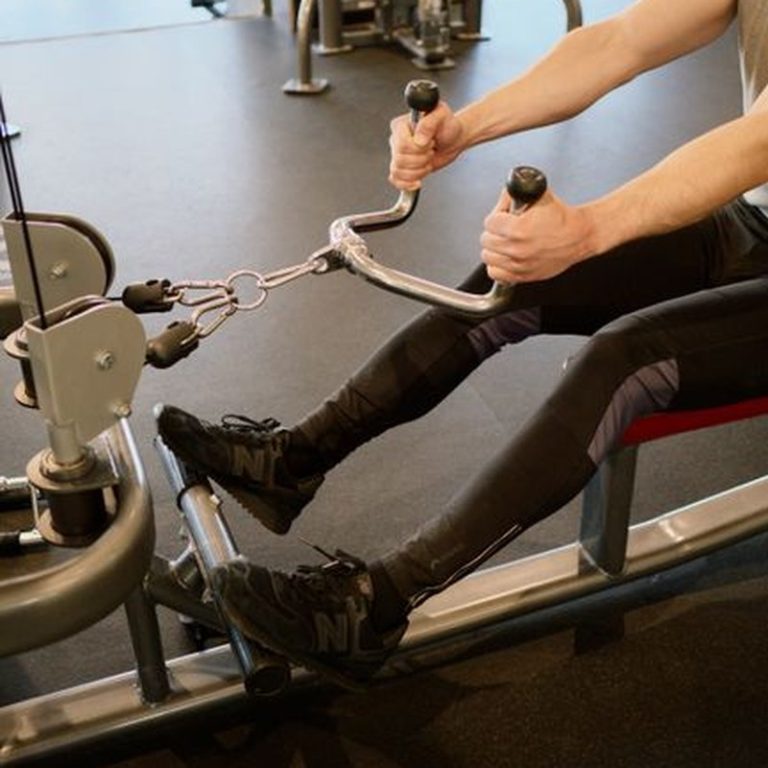
- Rowing machine – steady strokes at a conversational effort
- Snowshoeing – a winter option that quietly builds a big aerobic base
If you have a heart rate monitor, use it to stay honest. If not, the talk test does most of the work: full sentences mean zone 2, gasping means you’ve left it.
If you want to track your zones properly, a basic chest strap or armband monitor is the cheapest upgrade. Prices swing a lot, so compare a few models on Amazon before you buy. And if you’ve been putting in zone 2 time, tell me in the comments what shifted for you, whether that’s resting heart rate, pace, or just how you feel on a daily walk.
A Beginner Zone 2 Routine You Can Actually Follow
Now the physiology turns into something you can put on a calendar. No coach, no lab, no fancy watch required. Three sessions a week, one simple way to check your effort, and enough patience to keep the pace boring.
The first four weeks: three sessions, 20 to 30 minutes
Start with three zone 2 sessions per week, each holding 20 to 30 minutes in zone. That number does not include the warm-up. So a 10-minute warm-up, 25 minutes in zone, and a cool-down puts you on the bike for closer to 45 minutes total.
Space them out. Monday, Wednesday, Saturday works. Tuesday, Thursday, Sunday works. Two days back to back is fine when life demands it. Three in a row tends to leave beginners flat by Thursday afternoon.
Each week, add five minutes to one session. Just one. Week one: 20/20/20. Week two: 25/20/20. Week three: 30/20/20. Week four: 30/25/20. Keep stacking until your long session reaches 45 to 60 minutes, which usually takes eight to twelve weeks. I have watched people rush this and land with shin splints or zero interest by week five. Slower works.
What one session looks like
- Warm-up (5 to 10 minutes): Easy movement that lifts your heart rate gradually. Walk, pedal, or row at a pace where you could still sing along to the radio. Keep hills and resistance low.
- Main set (20 to 60 minutes, depending on your week): Settle into your range and hold it. Drifting above? Slow down. Sagging below? Add resistance or incline instead of spinning your legs into a blur.
- Cool-down (5 to 10 minutes): Ease off until your heart rate drops close to resting. Walking it off beats stopping cold and sitting straight down.
Do all three pieces every time. The warm-up and cool-down are not filler. They are what keep the habit intact when your schedule gets crowded.
Indoor options when the outdoors fights back
Outdoor zone 2 falls apart fast somewhere with rolling hills, coastal wind, or a January that bites your face. Holding a steady heart rate up a 6 percent grade is frustrating at best, and cold air can push your heart rate up before your legs are even warm. Move inside on those days. Nothing about the training effect requires pavement.
- Stationary bike: The easiest to control. Low resistance, cadence steady around 80 to 90 rpm. Your heart rate barely reacts when you nudge resistance, which is exactly what you want.
- Treadmill incline walk: Try 3 to 6 percent incline at 3.0 to 3.8 mph. Most beginners settle into zone 2 within five minutes and hold it without gripping the rails.
- Rowing machine: Harder to keep steady because effort spikes with every drive. Watch the screen and back off the pace until the number stops bouncing.
- Elliptical or stair climber: Both work. Pick whichever one you will actually return to on a Tuesday night.
I ran my first full zone 2 block on a used stationary bike in a basement with one bare bulb. It was dull. It also built the aerobic base that made outdoor riding feel easy the next spring.
Track four things, nothing more
Log duration, average heart rate, RPE on a 1 to 10 scale, and how you felt the next morning. A notes app works. So does a two-dollar spiral notebook, which is what I used through my first year of structured training.
That last column matters more than beginners expect. If your resting heart rate creeps up, your legs feel heavy on easy days, or you are sleeping badly, you probably pushed too hard somewhere. Zone 2 should leave you feeling better after the session, not wrecked.
When three straight weeks read 7 out of 10 on RPE, you have drifted into zone 3 and your easy days stopped being easy.
Gear: when wrist readings stop being enough
Optical wrist sensors handle steady indoor work reasonably well. They struggle with outdoor cycling in cold air, lifting, or anything with lots of wrist movement. I have had a wrist watch read 20 bpm high on a chilly morning ride more than once.
A chest strap fixes most of that. Names worth searching: Polar H10, Garmin HRM-Dual, Wahoo TICKR. They pair with phones, watches, and most gym equipment, and they cost less than a single session with a personal trainer. Prices swing 20 to 40 dollars depending on the season and color, so check current prices on Amazon before you commit to one.
Do not let gear delay your first session, though. The talk test and RPE will put you in the right neighborhood for free. Buy the strap when inconsistent readings start annoying you, not before.
Three mistakes that stall beginners
- Going too fast. If you cannot speak a full sentence, you are above zone 2. Slow down, even when it feels embarrassingly easy.
- Adding volume too quickly. Five minutes per week to one session. Not five minutes to all three.
- Treating zone 2 as a warm-up for hard days. It is the main course for endurance, not a throwaway.
Your next step
Pick your activity, pick three days, and do 20 minutes in zone 2 tomorrow. Log it. Add five minutes next week. Repeat for two months and you will notice it on stairs, on hills, and in how quickly you recover between efforts.
If a chest strap or a dedicated heart rate monitor would make this simpler, check current prices on Amazon before your next session so you are not guessing at your numbers. Then come back to the comments and tell me how it is going: the activity you chose, the bpm range that actually held you in zone 2, and the weekly schedule you settled into. Real examples from other beginners help the next person more than any chart does.