16:8 Intermittent Fasting: What It Helps With (and What It Doesn’t)
Full disclosure: Some links in this article are affiliate links. We may earn a small commission at no extra cost to you if you make a purchase through them. Our recommendations are based on what real users report, not on commission size.
What 16:8 Fasting Actually Means (and What the 2026 Headlines Say)
16:8 is a time-restricted eating pattern. You fast for 16 hours, then eat all your meals and snacks inside an eight-hour window. A typical setup runs 11 a.m. to 7 p.m., or noon to 8 p.m. During the fast, you drink water, black coffee, and unsweetened tea. That is it. No cream, no sugar, no just-a-bite of your kid’s toast.
The number gets attention because it sounds extreme. In practice, much of the fast happens while you sleep. Finish dinner at 7 p.m. and eat breakfast at 11 a.m., and you have covered 16 hours without much suffering. The first week or two can feel strange — a little foggy mid-morning, a grumbling stomach around 9 a.m. — but most people adapt within a couple of weeks.
Here is the part that often gets lost: 16:8 is a timing pattern, not a diet. It says nothing about what you eat. You could hit your window and crush 3,000 calories of pizza and ice cream, and you would not get the results you are after. The window changes when and how often you eat. That can make a calorie deficit easier to hold because you cut out late-night grazing and one meal’s worth of calories.
In September 2026, Medical News Today reported that 16:8 was the best of the fasting patterns studied for weight loss, but it did not improve blood pressure control. That distinction matters. If your main goal is fat loss, the eating window is a tool worth testing. If you are hoping it will fix high blood pressure on its own, the reporting does not support it. Blood pressure responds to sodium, potassium, alcohol, cardio, stress, and sleep — not just meal timing.
Search interest tells a similar story. Google Trends data for the U.S. shows searches for intermittent fasting over the past 30 days running above the 12-month average (20.5 vs. 17.8 on the Trends index). More people are trying this without a clear plan. That is usually where it falls apart: someone skips breakfast, gets ravenous at 2 p.m., eats everything in sight, and decides fasting does not work.
So how do you start without wrecking your energy or muscle? Pick a window you can actually keep. If you train at 6 a.m., an 11-to-7 window means you lift fasted and then wait hours to eat. Many people in that situation push the window earlier, like 9 a.m. to 5 p.m., or move training to the late afternoon. There is no bonus for the 11-to-7 version. The best window is the one that lets you eat enough protein, hit your sessions, and still sleep well.
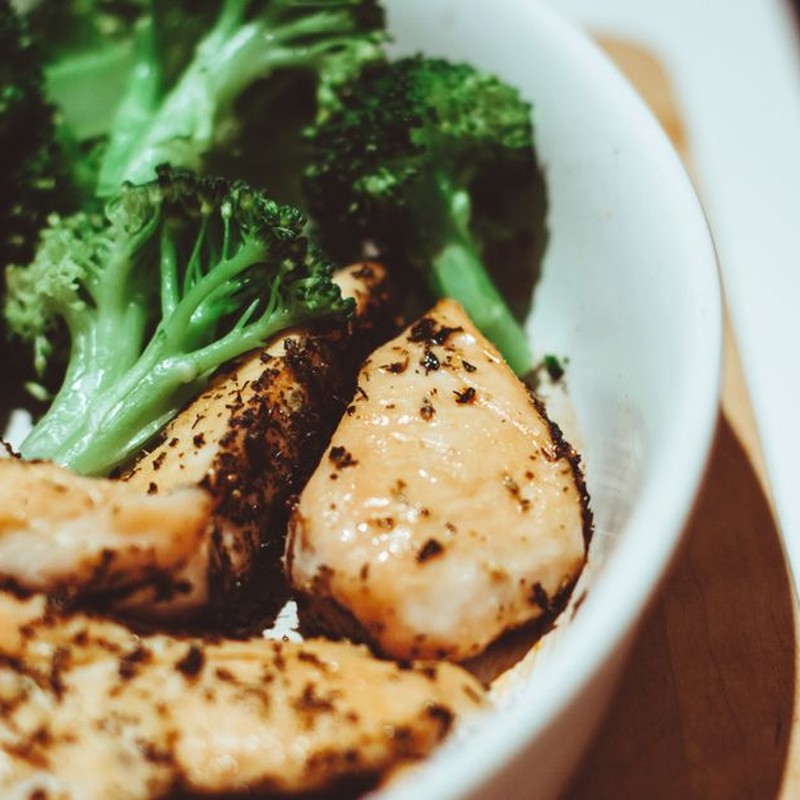
Protein is the thing I would protect first. Aim for 1.6 to 2.2 grams per kilogram of body weight, which is roughly 0.7 to 1 gram per pound, spread across two or three meals. In an eight-hour window, each meal needs to be substantial. A 30-gram protein breakfast, a 40-gram lunch, and a 50-gram dinner is far more realistic than nibbling a salad and wondering why you are starving by 9 p.m.
I have watched clients try 16:8 with an 8 p.m. dinner and a 6 a.m. workout, then wonder why their squats felt heavy. That schedule leaves no room for a pre-training meal. If that is you, either shift the window or shift the training. Fasting is flexible. Recovery is not.
Before you buy anything — electrolyte packets, protein powder, a kitchen scale — check current prices on Amazon and see what fits your budget. And if you have run a 16:8 window for a few weeks, share your experience in the comments. The details that matter, like energy, hunger, and training quality, are the ones nobody puts in a headline.
Where 16:8 Helps: Fat Loss, Calorie Control, and Consistency
Medical News Today ran a headline in September 2026 that summed up the state of the research about as neatly as it gets: ’16:8 intermittent fasting best for weight loss but not for blood pressure control.’ That split describes the approach well. On the scale, it holds up. On blood pressure and a few other markers, it doesn’t do anything special. So before you treat the eating window as a cure-all, it helps to know which problems it actually solves.
Fat loss is the big one, and the mechanism is less glamorous than the marketing suggests.
Most of the Fat Loss Comes From Eating Less, Not Fasting Magic
Here’s the part that gets buried under talk of metabolic switching and autophagy activation: 16:8 works for fat loss mostly because it deletes calories you were eating without thinking about them. The 8-hour window pushes dinner earlier and closes the kitchen before the evening snack parade starts. For a lot of people, that means no chips at 9 p.m., no bowl of cereal at 10:30, no second glass of wine in front of the TV. Those aren’t small numbers. A few hundred extra calories a night is the difference between losing a pound a week and staying exactly where you are.
Liquid calories disappear too. Cream-and-sugar coffee, juice, soda, beer, the fancy iced latte on the drive home. If those were part of your routine outside the window, they’re often the first thing to go, and they’re the easiest thing to cut because you never felt full from them in the first place.
That’s the honest version of how this works. Weight loss still comes down to a calorie deficit. 16:8 is a delivery system for that deficit, not an override that burns fat regardless of how much you eat inside the window. Eat enough between noon and 8 p.m. and you’ll gain weight like anyone else.
Fewer Meals, Fewer Decisions, Fewer Chances to Overeat
The decision-fatigue angle is where 16:8 quietly outperforms more complicated plans. Three meals instead of five or six. A built-in stop time. No 3 p.m. debate about whether a snack is allowed, because the answer is baked into the clock.
I’ve run a 12-to-8 window on and off for a couple of years. The thing I notice most isn’t hunger. It’s how much less time I spend thinking about food. When every hour is fair game, every hour is a small negotiation. When the window shuts at 8, the negotiation is over.
That structure also kills the just-one-more-handful problem. You know the one. The handful of almonds that turns into half the bag because there’s no natural endpoint. A defined eating window gives grazing a hard edge.
- Fewer meals means fewer chances to overshoot your intake
- A fixed stop time removes late-night snacking, which is where a lot of unplanned calories hide
- You don’t have to weigh, measure, or log anything to get the effect
- Fewer dishes, fewer prep sessions, fewer grocery runs
Adherence Is the Real Advantage
Search interest tells a story here. Google Trends data for the past 12 months shows ‘intermittent fasting’ running above its yearly average over the most recent 30-day window. People keep coming back to this method, and the reason is usually simplicity rather than superiority.
The rule is about when you eat, not exactly what you eat. For anyone who has bounced off a food scale and a tracking app, that’s a meaningful difference. Macro tracking gives you better data. An eating window gives you less to think about. Which one you can actually sustain for six months matters more than which one looks better on paper. If logging every bite makes you obsessive, stressed, or just plain miserable, a time-based rule can hold you together long enough to see results.
Is 16:8 better than a standard three-meal plan with a modest deficit? Not really. When calories and protein are matched, fasting windows and regular calorie restriction keep landing in the same place on the scale. The winner is whichever approach you’ll still be doing in March.
What the First Two Weeks Tend to Feel Like
Days one through three are the roughest. Your body is used to food at certain times and it will complain about the change. By week two, most people describe a shift: they start telling apart actual hunger from habit hunger, which is a useful skill. You notice that the 9 p.m. urge to eat isn’t hunger at all. It’s a cue from the couch, the TV, or the end of a long day.
The trade-off is real, though. Skip breakfast and push your first meal to noon, and you may feel flat during morning workouts until you adapt. Some people never fully adapt and do better with an earlier window, say 8 a.m. to 4 p.m., or a 14:10 split to start. There’s nothing sacred about 16 hours. The window is a tool, and you’re allowed to change the settings.
If fat loss is the goal, use 16:8 for what it’s good at: shrinking the number of chances you get to overeat, cutting the late-night calories, and giving your day a clear structure. Then put your attention on protein, lifting, sleep, and total intake. That’s where body composition actually changes.
What 16:8 Doesn’t Do: Blood Pressure, Muscle, and Magic
Sixteen hours without food reshapes your day. It doesn’t flip every health switch at once. Most of the hype around 16:8 comes from stacking the benefits of weight loss on top of the benefits of fasting, then crediting the clock for all of it.
Here’s where the evidence runs out.
It won’t fix your blood pressure
In September 2026, Medical News Today reported that a 16:8 schedule came out ahead for weight loss compared with other fasting patterns, but showed no meaningful advantage for blood pressure control. That distinction matters more than it sounds.
If you take blood pressure medication, keep taking it. If your doctor wants you in for a checkup, go. A 40-day streak in a fasting app is not a substitute for a cuff and a conversation. Blood pressure moves with sodium, alcohol, sleep, cardio volume, and genetics.
You may see your numbers drop on 16:8 anyway. Usually that’s because you lost 10 pounds and stopped grazing on salty snacks at 10 p.m. Weight-loss and behavior effects, not a fasting effect. Worth knowing which one you’re actually getting, especially if you’re banking on the second one.
Practical move: take a home reading twice a week at the same time of day and write it down. That log is what your clinician can actually use.
It won’t protect your muscle by itself
An eight-hour window gives you fewer chances to eat protein, and most people fill that window with whatever is convenient. Two meals of pasta and a coffee gets you maybe 40 grams. Then the scale says you lost six pounds and your deadlift says you lost something else.
If you lift, aim for roughly 1.6 to 2.2 grams of protein per kilogram of body weight per day. For an 82 kg (180 lb) reader, that’s 130 to 180 grams. A tighter window means bigger meals: 45 to 60 grams per sitting, two or three times.
What that looks like in practice: 200 g of Greek yogurt with a scoop of whey, about 45 grams. A chicken thigh plus a cup of cottage cheese. Steak and eggs for dinner. I ran a noon-to-8 p.m. window for three months and hovered around 105 grams a day until I added a shake right after training. That shake was the difference between keeping my bench press and watching it slide.
Pair the protein with resistance training two to four times a week. Fasting plus cardio plus under-eating is the fastest route to looking smaller and feeling weaker at the same time.
It isn’t for everyone
Some groups shouldn’t experiment with 16:8 on their own:
- Pregnant or breastfeeding people, who have higher calorie and nutrient needs and shouldn’t be running deficits.
- Anyone with a history of an eating disorder. Restriction rules can become a relapse trigger, even when the goal is weight loss.
- People on insulin or other diabetes medications, where skipped meals can cause hypoglycemia. Dose adjustments come from your clinician, not from a forum thread.
- Anyone underweight, recovering from an illness, or a teenager who is still growing.
If you fall into any of those groups and still want a compressed eating window, ask your doctor or a registered dietitian first. That isn’t a legal disclaimer. It’s the difference between a plan that works and a plan that lands you in the ER at 10 a.m. on a Tuesday.
Fasted training isn’t automatically better
If you lift in the morning on a noon-to-8 p.m. schedule, you’re training fully fasted. Results split sharply between people. Some feel sharp and light. Others fade halfway through and can’t hit their usual numbers.
High-intensity intervals, long runs, and heavy lower-body sessions are where it tends to fall apart. Easy 30 minutes of zone-2 work fasted feels fine to me. Anything past an hour with real intensity, and my output drops noticeably. If that’s you, 20 to 30 grams of protein or a banana before training is a cheap fix. Shifting your window so you eat beforehand is an even better one.
The signal to watch is simple: if your top sets keep sliding week after week, you’re not adapting, you’re under-fueling.
It doesn’t replace the basics
16:8 is a scheduling tool. It works mostly because a shorter window makes it harder to overeat. Sleep, stress management, and lifting determine whether the weight you lose is fat or muscle. Seven hours of sleep beats any fasting protocol. So does walking more and lifting three times a week.
So here’s the honest boundary: use 16:8 for what it does well, which is helping you eat less without counting every calorie. Don’t ask it to manage your blood pressure, build your shoulders, or outwork a bad night of sleep.
If you’re shopping for a protein powder, a food scale, or a shaker to help hit those protein numbers, check current prices on Amazon before you commit. And if you’ve run a 16:8 window yourself, share your experience in the comments. The useful stuff usually comes from people who actually did it.
How to Start 16:8 Without Guessing (and When to Adjust)
Most beginners overcomplicate 16:8. It’s not a magic switch. It’s a schedule: fast for 16 hours, eat within an 8-hour window. The hard part isn’t biology, it’s fitting the window into your actual life. I’ve watched people white-knuckle a 10 a.m. to 6 p.m. window, hate every evening, and quit by day four. Then they switch to noon to 8 p.m., eat dinner with their family, and stick with it for months. The best window is the one you can repeat on a random Tuesday when work runs late and your kid has soccer practice.
Don’t jump straight to 16 hours. Start with a 12-hour fast, which most people already do overnight. If you finish dinner at 8 p.m., your first meal is at 8 a.m. Do that for three days. Then push your first meal later by one hour every few days until you reach your target. For a noon to 8 p.m. schedule, it looks like this:
- Days 1-3: Eat 8 a.m. to 8 p.m. (12-hour fast)
- Days 4-6: Eat 9 a.m. to 8 p.m. (13-hour fast)
- Days 7-9: Eat 10 a.m. to 8 p.m. (14-hour fast)
- Days 10-12: Eat 11 a.m. to 8 p.m. (15-hour fast)
- Day 13 onward: Eat noon to 8 p.m. (16-hour fast)
Noon to 8 p.m. works for a lot of people because it keeps dinner in the window. If you’re a breakfast person, flip it. 8 a.m. to 4 p.m. is fine. 10 a.m. to 6 p.m. is fine. The clock doesn’t care; your social life and sleep schedule do.
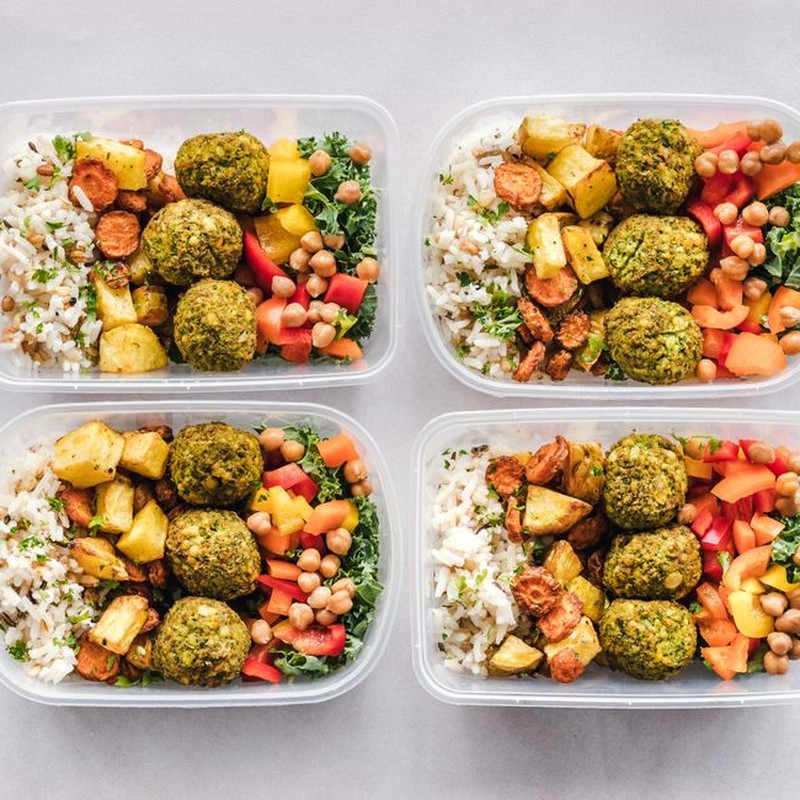
Your first meal sets the tone. Front-load protein and fiber: eggs, Greek yogurt, chicken, tofu, beans, lentils, and vegetables. A few plates that keep me full until dinner:
- Three eggs scrambled with a cup of spinach, half a cup of black beans, and salsa
- Greek yogurt with berries, a spoon of chia seeds, and a sprinkle of nuts
- Grilled chicken or tofu with roasted vegetables and a side of hummus
Break your fast with a bagel and orange juice and you’ll be hungry again in 90 minutes. You’ll blame the fasting schedule. It’s not the schedule. It’s the bagel.
During the fast, keep it simple: water, black coffee, plain tea. No cream, no sugar, no bone broth if you’re being strict. I keep a one-liter water bottle on my desk and refill it twice before noon. That visual cue helps more than any app. If you get headaches or dizziness in the first week, add a pinch of salt to your water. It sounds weird, but electrolytes are often the missing piece. A pinch of salt in a glass of water has fixed more first-week fasting headaches for my clients than anything else.
Training? If you work out in the morning, you can train fasted and eat afterward. If you train in the evening, put your workout near the end of your eating window so you have fuel. If your performance tanks for more than a week, move the window or widen it. Fasting shouldn’t wreck your lifts.
When fat loss stalls for three to four weeks, you have two levers. First, tighten the window to seven or eight hours. That might mean noon to 7 p.m. instead of noon to 8 p.m. Second, track your calories for a few days. Most people who stall are eating more than they think, especially if the 8-hour window has turned into a graze-fest of nuts, cheese, and dark chocolate. I’ve done it. A food scale and a three-day log will tell you more than any internet argument.
There’s also what 16:8 won’t fix. A recent Medical News Today report found that 16:8 was best for weight loss but did not improve blood pressure control. If you’re hoping fasting will replace your blood pressure medication, that’s not what the evidence shows. Keep taking your meds and talk to your doctor. This is a weight-management tool, not a cure-all.
If you’re miserable, adjust. Hating your schedule means you picked the wrong window, not that you’re weak. A 14:10 or 12:12 plan still works for many people. The goal is consistency, not suffering. I’ve had clients lose 20 pounds on a 14:10 schedule because they could actually stick with it. A 16:8 plan they abandoned after a week did nothing.
If you want tools to make the window easier, check current prices on Amazon for a food scale, a fasting timer, or a shaker bottle. None are mandatory. A phone timer and a regular water bottle work fine. But a food scale is genuinely useful if you’re stalled and need to see your portions. A dedicated fasting timer can be nice if you like pressing a button to start and stop. A shaker bottle helps if you use protein powder to hit your protein target.
Then come back and share your experience in the comments. What window did you pick? Did you start with 12 hours and work up? What broke your fast when you were hungry? Your trial-and-error helps the next person staring at the clock at 10 a.m. wondering if they can make it to noon.