Meal Prep for Fitness:
Full disclosure: Some links in this article are affiliate links. We may earn a small commission at no extra cost to you if you make a purchase through them. Our recommendations are based on what real users report, not on commission size.
Why Meal Prep Works for Fitness (and Saves You Time)
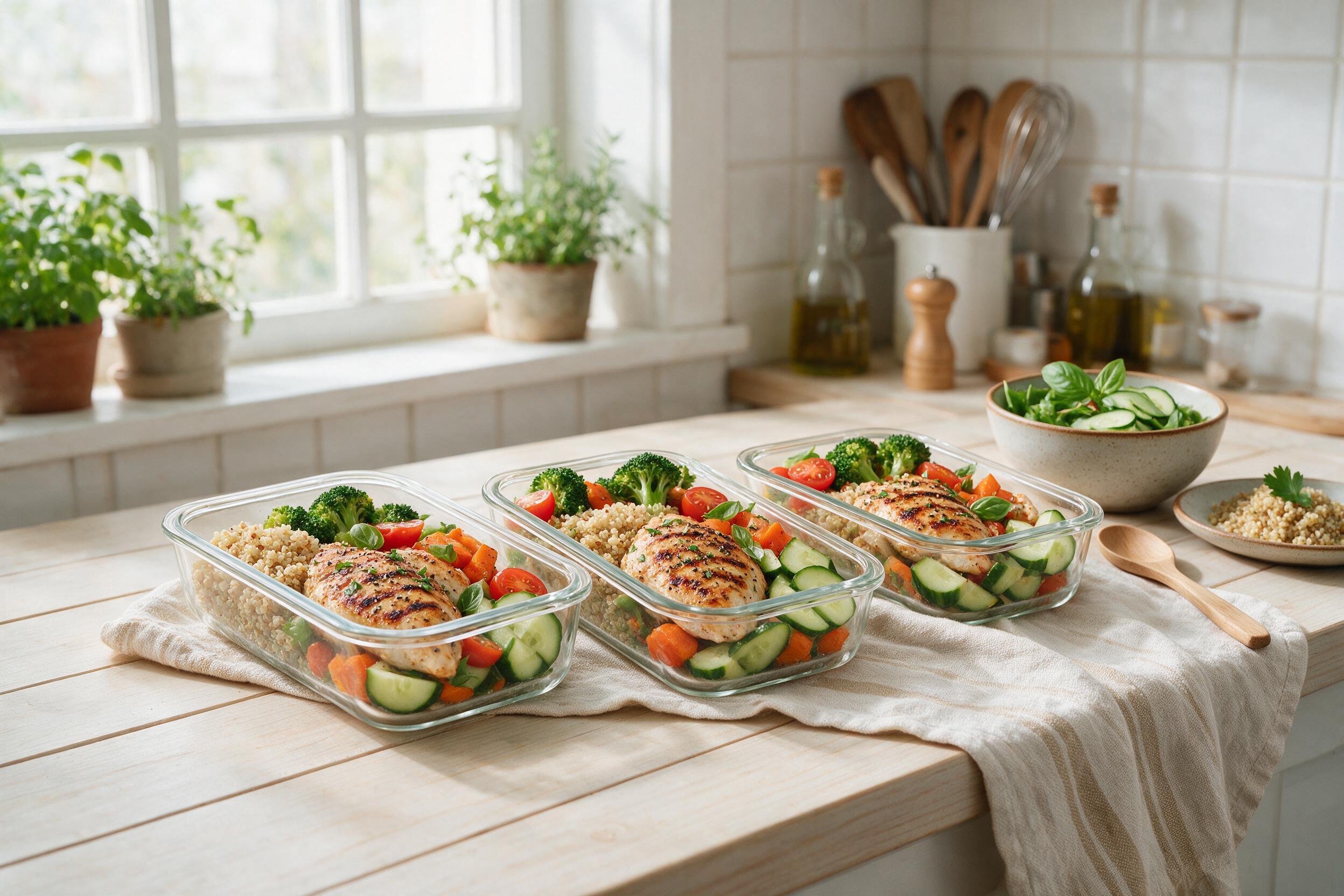
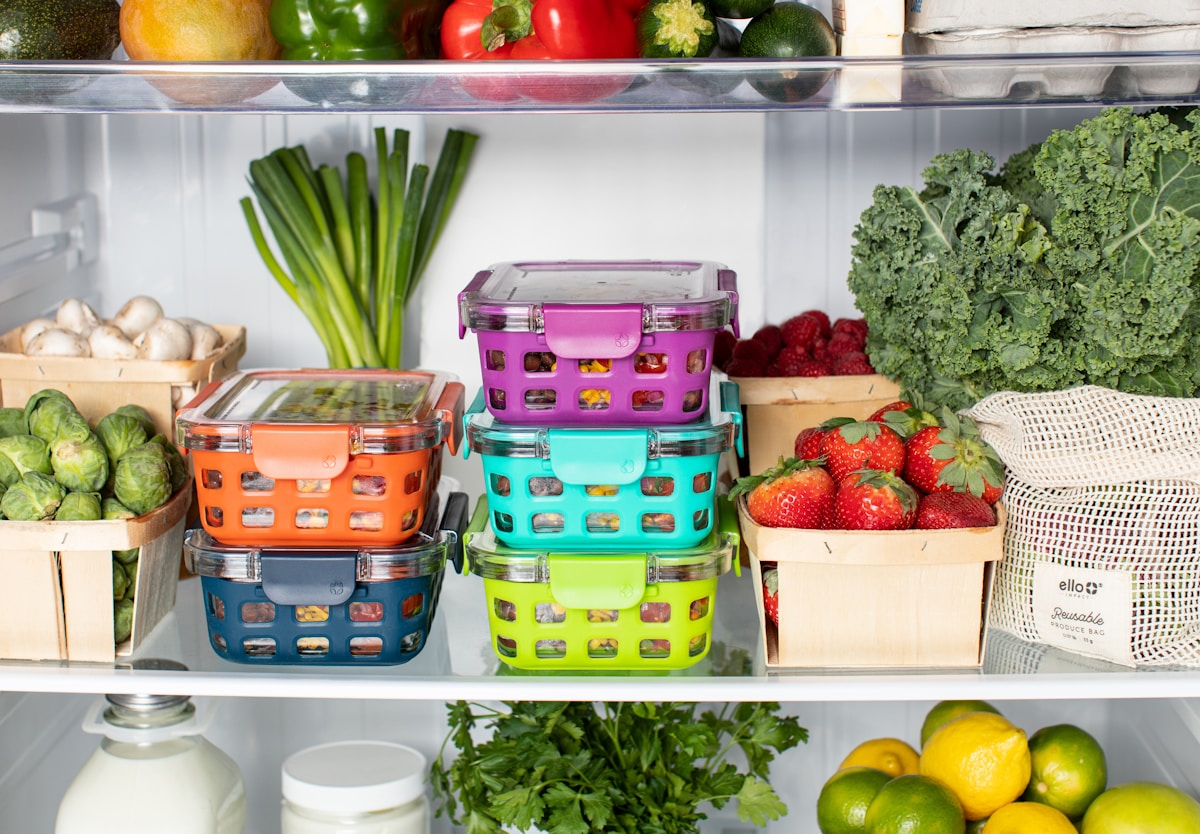
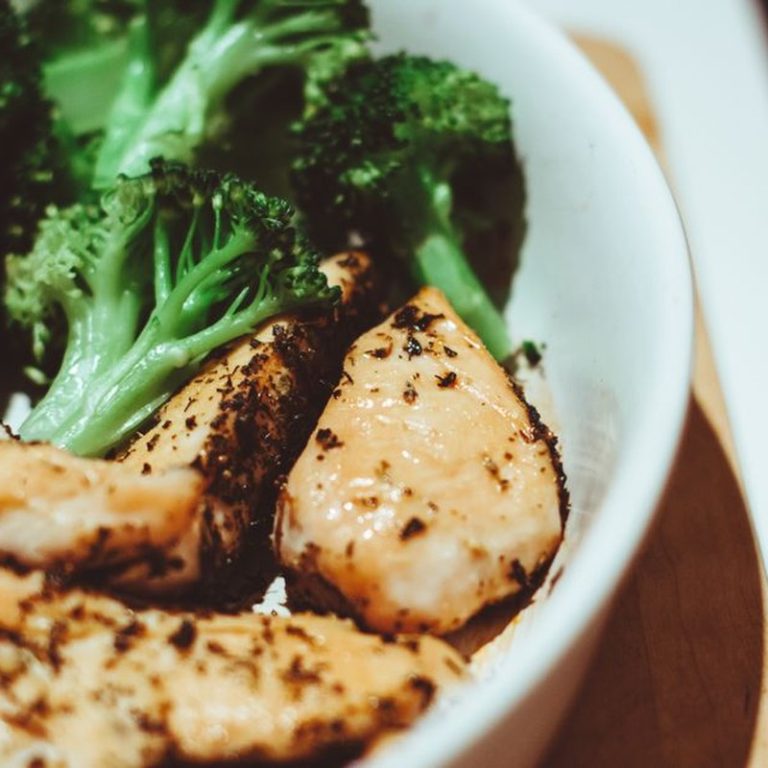
Photo by Ello on Unsplash
If you’ve ever stood in front of an open fridge after a long day, hungry and exhausted, you know the struggle. Your brain is fried, your willpower can drain mental energy, and suddenly that greasy takeout menu looks like the only option. Meal prep cuts that cycle off before it starts.
The science is straightforward: when you plan what you’ll eat ahead of time, you remove the daily decision-making that drains your mental energy. Every time you decide what to eat, you use a bit of willpower. By the end of the day, that reserve is low. Meal prep means you’ve already made the smart choice — you just have to heat and eat.
Research backs this up. A 2017 study in the International Journal of Behavioral Nutrition and Physical Activity found that people who planned their meals ahead had significantly higher diet quality and were more likely to maintain a healthy body weight. Another study from the American Journal of Preventive Medicine showed that meal planning was linked to greater dietary variety and lower odds of obesity. It’s not magic — it’s removing friction from the process.
But here’s the thing: meal prep doesn’t mean spending all Sunday cooking 21 separate meals. That’s a recipe for burnout. The 2-hour system I use focuses on batch cooking versatile ingredients — think grilled chicken, roasted veggies, quinoa, and a couple of sauces. Then you mix and match throughout the week. Prep once, eat well all week.
I tried this setup at home and I saved 3 hours of decision-making and hit my macros every day. On Sunday, I spent 90 minutes roasting a tray of chicken thighs, chopping bell peppers and onions, cooking a big pot of brown rice, and whipping up a simple tahini dressing. That was it. The rest of the week, I threw together bowls, salads, and wraps in under 10 minutes. No more scrambling, no more $15 lunch deliveries. Hitting your protein target becomes effortless when your fridge is stocked.
For beginners, start small. Pick three ingredients to batch cook — a protein, a carb, and a vegetable. That’s enough to create variety. You don’t need to be a chef or own fancy containers. A few glass meal prep bowls and a sharp knife will get you there.
If you’re aiming for general fitness, meal prep keeps you on track with calories and macros without the daily headache. You’ll eat better, save money, and free up mental space for what actually matters — your workouts, your recovery, and your life.
Your 2-Hour Meal Prep Blueprint: Step by Step
I used to spend my entire Sunday afternoon in the kitchen, surrounded by dirty dishes and half-eaten snacks, wondering how something that was supposed to save time ended up eating my whole day. After years of trial and error, I found a system that actually works — and it takes just two hours from start to finish, including planning and shopping. Here’s the exact breakdown.
Phase 1 (15 minutes): Plan Your Menu
Before you touch a pan, decide what you’re cooking. Stick to 2-3 protein sources (chicken breast, lean ground beef, tofu), 2-3 carb sources (brown rice, sweet potatoes, quinoa), and as many vegetables as you can fit on a sheet pan. I usually go with broccoli, bell peppers, and zucchini because they roast well and keep for days. Write it down or use a notes app — no need for fancy meal planning software. If you need more carbs to hit your calorie target, double the rice batch. For lower calories, swap in cauliflower rice or extra veggies.
Phase 2 (10 minutes): Grocery Shop with a Laser Focus
Walk into the store with a list and stick to the perimeter. That’s where the whole foods live — produce, meat, dairy. Skip the middle aisles unless you need rice or spices. In my experience, shopping without a list adds 20 minutes and a bag of chips you didn’t plan for. Grab everything in one loop and get out.
Phase 3 (90 minutes): Cook in Parallel
This is where the magic happens. Set your oven to 400°F. Toss chopped veggies and chicken breasts on separate sheet pans with olive oil, salt, and pepper — roast for 25-30 minutes. While that’s cooking, start your rice cooker or a pot of quinoa. On the stovetop, brown your ground beef or tofu, then dump in canned tomatoes, beans, and spices for a big batch of chili or soup. Let it simmer while everything else finishes. I’ve done this with two sheet pans, a rice cooker, and one large pot — no fancy equipment needed.
Phase 4 (5 minutes): Portion Everything Out
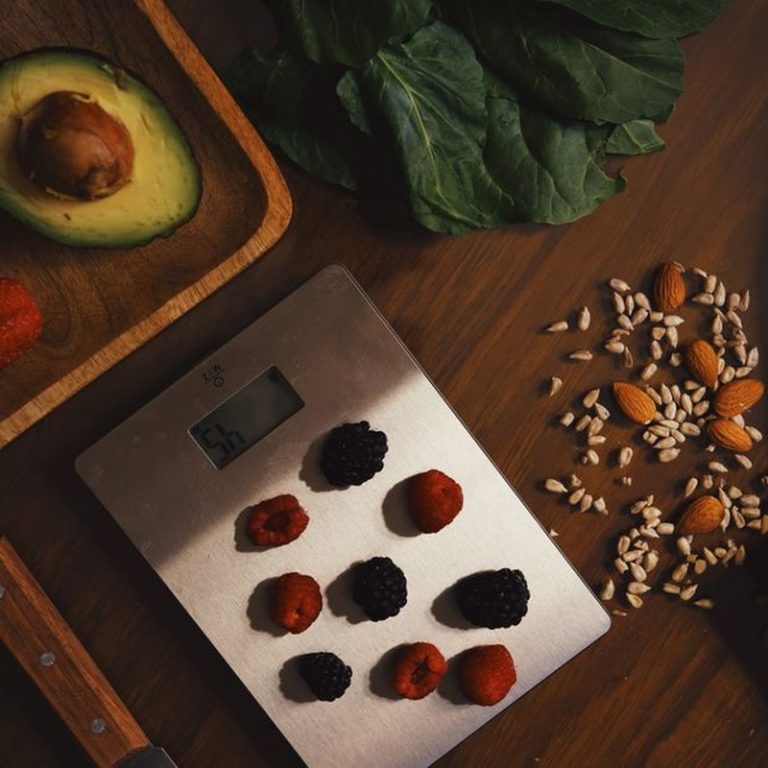
When the timer goes off, let things cool for a few minutes, then grab your containers. Use a kitchen scale to portion out equal servings — I aim for 4-6 ounces of protein, 1 cup of carbs, and as many veggies as fit. Adjust portions to match your calorie needs: if you’re cutting, go with 4 ounces of protein and ½ cup of carbs; if you’re bulking, bump the protein to 6 ounces and carbs to 1½ cups. Stack them in the fridge and you’re done. I prep on Sunday evenings and my meals stay fresh through Thursday. For Friday, I either cook something quick or eat out.
Smart Storage and Rotation: Keep Your Meals Fresh and Safe
You’ve spent two hours cooking, portioning, and packing. The last thing you want is to open a container on Wednesday and find sad, soggy chicken or rice that smells off. Proper storage isn’t just about keeping things cold—it’s about preserving texture, flavor, and safety so your hard work actually pays off.
Containers Matter More Than You Think
I used to toss everything into cheap deli containers. They leaked, cracked after a few washes, and let air in. Within two days, my veggies were limp and my grains were dry. Switching to airtight glass or BPA-free plastic containers with snap-lock lids made a huge difference. Glass is great because it doesn’t stain or hold odors, but good-quality plastic is lighter and won’t break if you drop it.
Here’s what I’ve found works best:
- Cooked proteins and grains (chicken, beef, quinoa, rice): store in airtight containers in the fridge for up to 4 days. If you won’t eat them by day 3, freeze individual portions immediately. I freeze mine in single-serving bags or small containers so I can grab one without thawing a giant block.
- Raw veggies (chopped bell peppers, carrots, broccoli): keep them separate from cooked food. If you mix them in, they’ll release moisture and turn everything soggy. Store them in a container with a paper towel at the bottom to absorb extra moisture—it keeps them crunchy for days.
- Leafy greens and herbs: don’t wash them until you’re ready to eat. Store dry greens in a container with a paper towel, and they’ll stay crisp for up to a week. For herbs like cilantro or parsley, trim the stems and put them in a jar with an inch of water, then cover loosely with a plastic bag in the fridge.
Keep Your Fridge at the Right Temperature
One thing I didn’t pay enough attention to early on: fridge temperature. Keep your fridge at or below 40°F (4°C) to slow bacterial growth. I grabbed a cheap thermometer and stuck it on the middle shelf—turns out my fridge was running at 44°F. That extra few degrees can cut the safe storage window for cooked chicken from 4 days down to maybe 2. A quick dial adjustment fixed it.
How Long Different Foods Actually Last
Knowing exact timelines helps you plan. Cooked chicken and beef last 3-4 days in the fridge, about 3 months in the freezer. Cooked rice and quinoa: 4-5 days in the fridge, 3 months frozen. Soups and stews: 4-5 days refrigerated, 3 months frozen. Hard veggies like bell peppers and carrots stay crunchy for 5-7 days if stored dry. Leafy greens, kept dry with a paper towel, last 5-7 days. I write these timelines on a sticky note on my fridge door so I don’t have to guess.
The First In, First Out Rule
This is the single most effective habit I’ve adopted. Label every container with the day you prepped it—use masking tape and a marker, or just write on the lid with a dry-erase marker. Then, when you reach for a meal, grab the one with the oldest date first. This rotation prevents you from finding a mystery container at the back of the fridge three weeks later.
I also keep a small dry-erase board on my fridge door listing what’s inside and when it was made. It takes 30 seconds to update and saves me from playing fridge detective every night.
Reheating: Only What You’ll Eat
Never reheat an entire container of food if you’re only eating one portion. Every time you heat and cool a batch, you create a window for bacteria to multiply. Instead, scoop out what you’ll eat into a bowl or plate, reheat that, and put the rest back in the fridge immediately. This one habit has kept my prepped food safe and tasty all week.
For best results, reheat proteins and grains in the microwave with a damp paper towel over the bowl to add moisture. For veggies, a quick sauté in a hot pan with a splash of water or oil brings back their crunch.
Freezing: Your Safety Net
If you prep on Sunday and know you won’t eat something until Friday or Saturday, freeze it on Monday. Cooked chicken, beef, fish, rice, quinoa, and soups all freeze well for up to three months. Thaw overnight in the fridge, then reheat as usual. I always freeze at least two extra portions each week—they’re lifesavers on days when I don’t have time to cook.
One tip: freeze liquids like soups or stews in portion-sized bags laid flat. They stack easily and thaw much faster than a big container.
Check current prices on Amazon for airtight glass containers, reusable silicone bags, and dry-erase labels. And if you’ve got a storage trick that works for you, drop it in the comments—I’m always looking for new ideas.
Common Meal Prep Mistakes (and How to Fix Them)
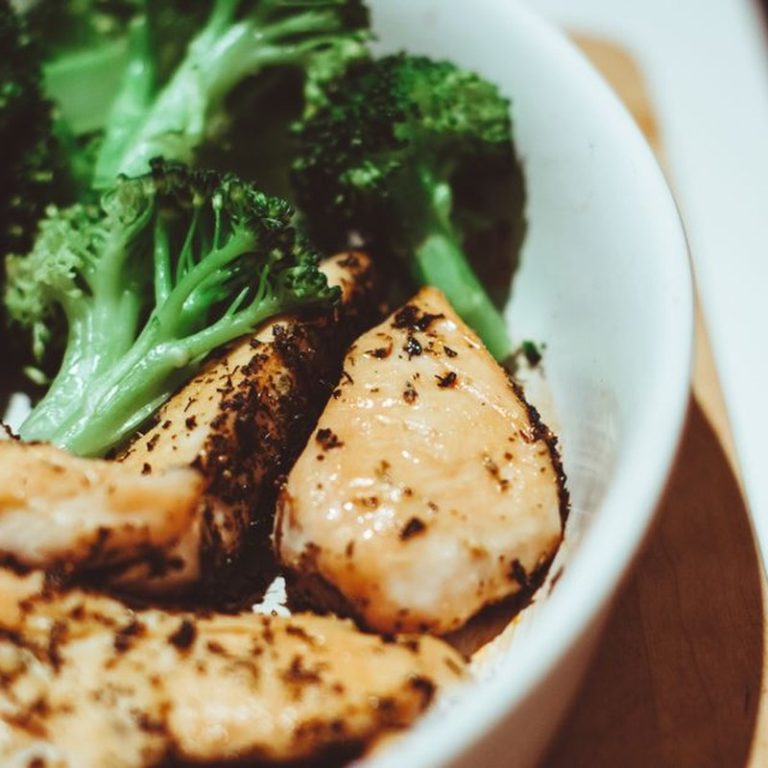
You’ve cleared your Sunday, stocked the fridge, and spent two hours chopping, cooking, and portioning. By Wednesday, you’re staring at a container of chicken and broccoli that looks exactly like Monday’s lunch, and you’re already scrolling for takeout. Sound familiar? You’re not alone. Most people hit these same walls. Here’s how to get around them.
Mistake #1: Prepping Seven Days of the Same Meal
Eating the same lunch five days in a row is a fast track to boredom—and a Wednesday night pizza order. Instead of prepping identical meals, prep 3–4 different base components that you can mix and match throughout the week. Cook a batch of grilled chicken, a batch of ground turkey, roasted sweet potatoes, and quinoa. Then each day, combine them differently: chicken with sweet potatoes and greens one day, turkey over quinoa with salsa the next. You get variety without extra work.
Mistake #2: Overcooking Your Vegetables
Nobody wants mushy broccoli on Thursday. If you boil or steam veggies until they’re fully done, they’ll turn to mush when reheated. Instead, blanch green beans and broccoli for 2–3 minutes, then plunge them into ice water. Roast cauliflower and Brussels sprouts just until tender-crisp. They’ll hold their texture and taste fresh when you microwave them later.
Mistake #3: Forgetting Breakfast and Snacks
You’ve nailed lunch and dinner, but then you’re scrambling for breakfast and grabbing a granola bar at 10 a.m. That’s where the plan falls apart. Spend 10 minutes of your prep time on easy grab-and-go options: hard-boil a dozen eggs, mix up a batch of overnight oats in jars, or wash and cut carrot sticks and bell peppers. Store them at eye level in the fridge so you see them first.
Mistake #4: Trying to Prep Everything
If you’re short on time, don’t try to prep every single meal. Focus on lunch and dinner—those are the ones that usually derail you. Breakfast can be a quick smoothie or a bowl of yogurt with fruit. Snacks can be an apple and a handful of almonds. No cooking required. That one shift saves you 20–30 minutes and keeps you on track.
Mistake #5: Not Accounting for Your Actual Schedule
Prepping for a week when you know you have two dinner meetings or a Friday night out? Don’t prep those meals. You’ll end up tossing them. Instead, prep for the days you’ll actually be home eating. If Thursday is a late work night, prep a lunch you can eat at your desk. If Saturday is free, cook fresh then. Your meal plan should flex with your life, not the other way around.
Mistake #6: Skimping on Seasoning and Sauces
Plain chicken breast and unseasoned rice get old fast. That’s why so many people abandon their prepped meals by day three. Fix it by seasoning generously during cooking—salt, pepper, garlic powder, cumin, paprika—and keeping a few sauces on hand. A drizzle of hot sauce, a spoonful of pesto, or a squeeze of lemon can transform a boring container into something you actually look forward to. I keep a bottle of sriracha and a jar of salsa in my desk drawer for emergency flavor boosts.
By avoiding these six mistakes, your 2-hour meal prep will actually stick—keeping you on track with your fitness goals all week long. Have you tried any of these fixes? Drop your experience in the comments—and if you’re looking for containers or tools to make it easier, check current prices on Amazon to see what fits your setup.
Medical & Editorial Review: This article was reviewed by Liam Smith, founder of Apexfito, for accuracy and safety. Content is for educational purposes and is not a substitute for professional medical advice. Consult your physician before starting any exercise or nutrition program.