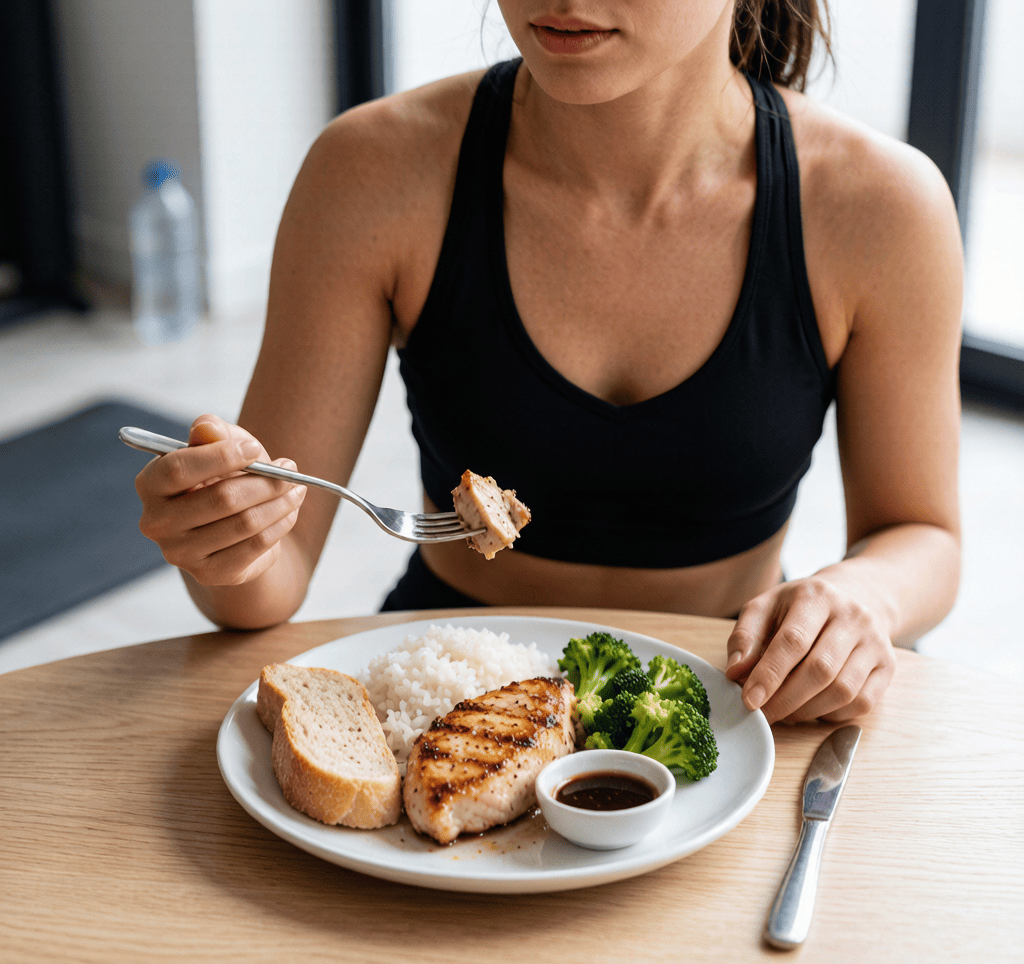
Post-Workout Nutrition:
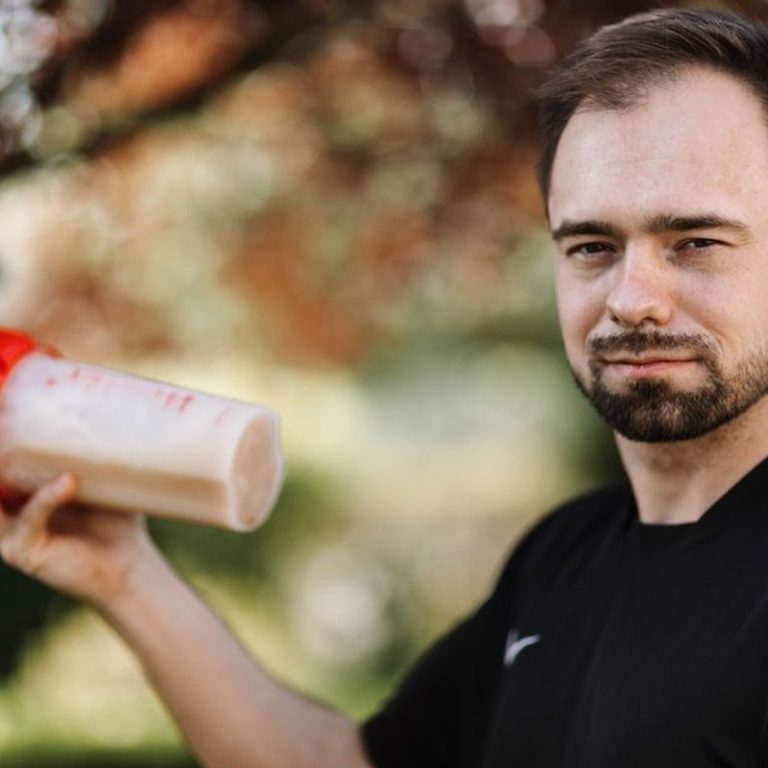
By Liam Smith — Fitness enthusiast and founder of Apexfito. I test gear at home and share what actually works.
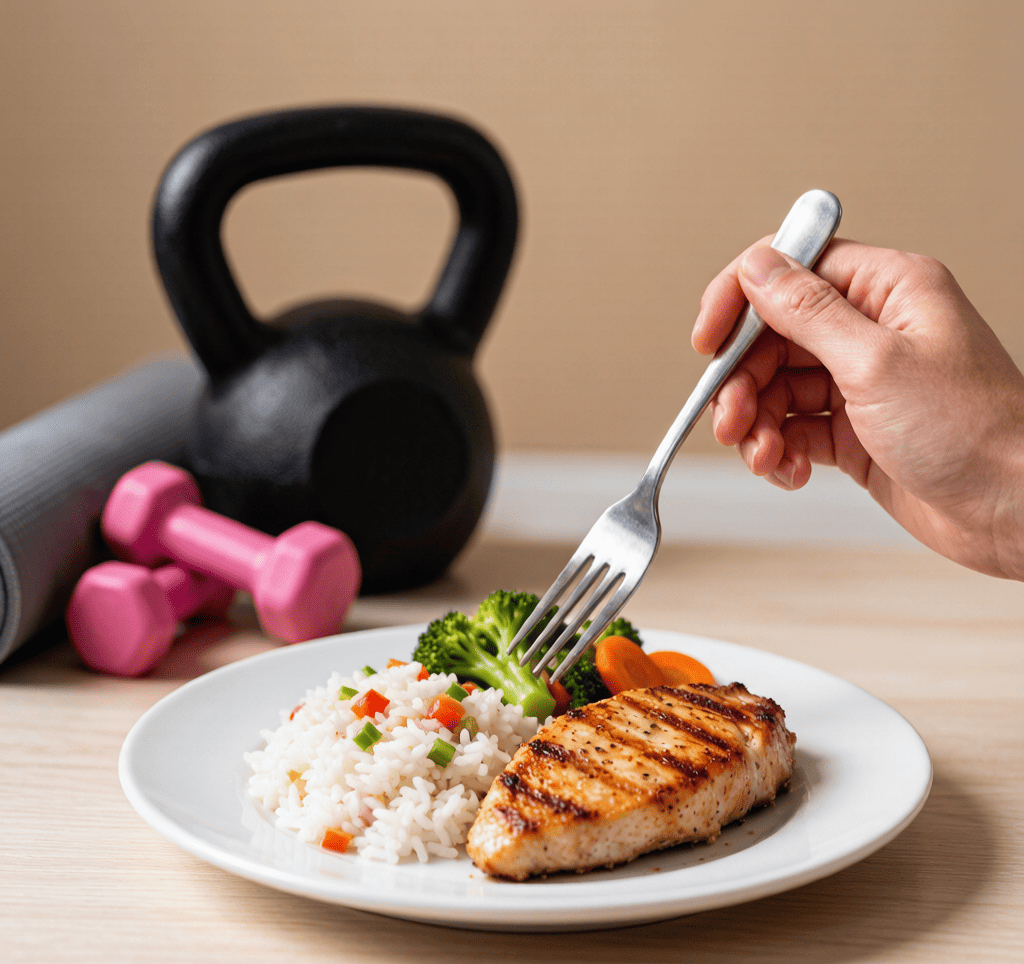
Why Post-Workout Nutrition Matters for Recovery
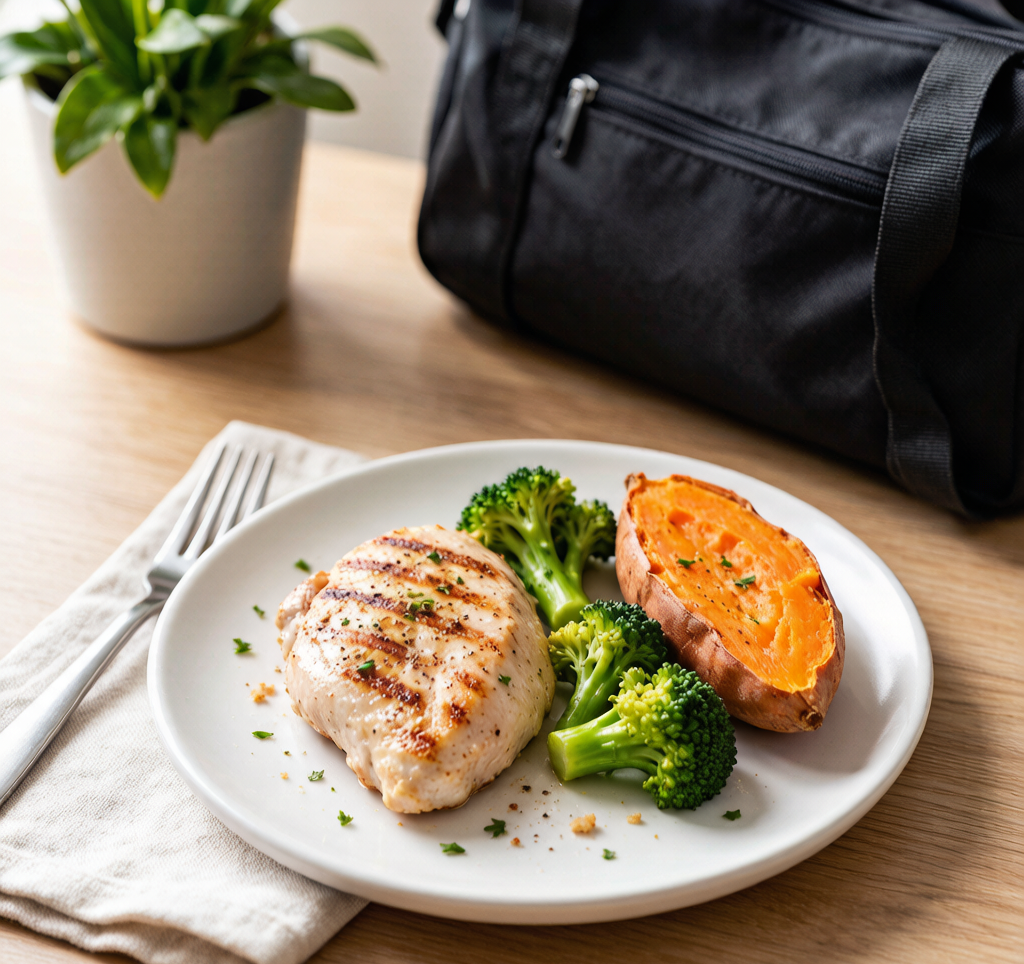
When you finish a workout, your body is in a depleted and damaged state. Your muscles have burned through glycogen—the stored form of carbohydrates—and the intense contractions have caused micro-tears in muscle fibers. That soreness you feel the next day? That’s the repair process kicking in. But repair doesn’t happen by magic. It requires raw materials: protein to rebuild the torn fibers, and carbs to restock glycogen stores. Harvard Health notes that timing your meals and snacks around exercise can improve performance and recovery.
Think of your post-workout meal as the construction crew arriving at a renovation site. Without them, the demolition just leaves a mess. Eating after exercise provides the amino acids and glucose your muscles need to start rebuilding. Miss that window, and you’re essentially leaving the site untouched, slowing down recovery and making the next workout harder.
Here’s the science: after exercise, your muscles are temporarily more sensitive to insulin and more efficient at taking up nutrients. This “post-exercise window” is when your body is primed to shuttle glucose and amino acids into muscle cells. Research shows that consuming a balanced meal within two hours of training leads to significantly better recovery markers—like reduced muscle soreness and faster return to strength—compared to waiting longer.
After a heavy squat session where I pushed 315 for sets of five, I noticed a clear difference. On days when I skipped the post-workout shake or delayed dinner by a few hours, I felt noticeably more sore and fatigued the next morning. My legs felt heavier, my energy was lower, and my next session suffered. On days when I ate a solid meal within that window—say, grilled chicken with rice and vegetables—I bounced back faster and felt ready to push hard again.
Skipping or delaying a post-workout meal doesn’t just prolong soreness. It can also slow strength gains over time. Without adequate protein and carbs after training, your body struggles to repair muscle tissue efficiently. Over weeks and months, this can lead to a plateau or even regression in your lifts. There’s also a higher risk of overtraining, because your body never fully recovers between sessions.
So don’t treat post-workout nutrition as optional. It’s not a bonus—it’s part of the workout itself. Make it a habit to eat within two hours of finishing, and you’ll recover faster, feel better, and get more out of every session.
The Science of Protein: How Much and What Kind After Exercise
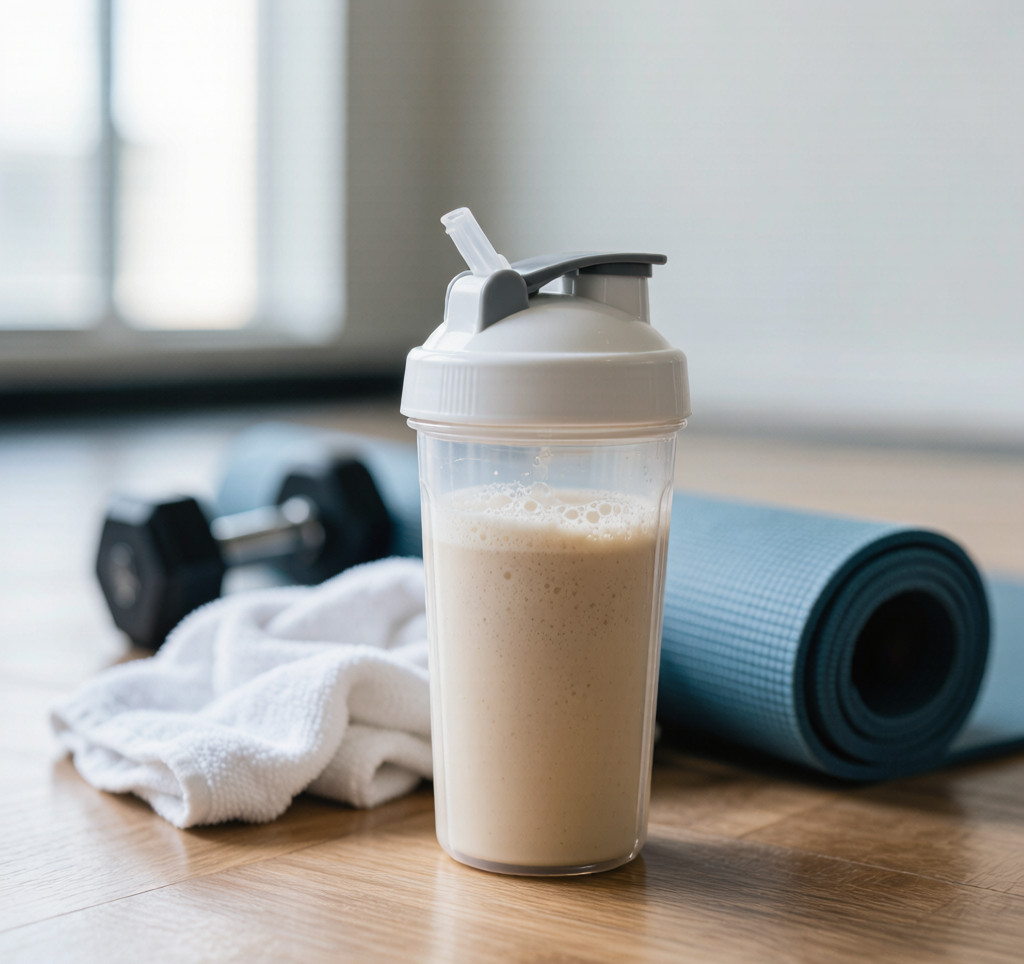
You crushed your workout. Now your muscles are screaming for repair. Protein is the raw material for that rebuild, but not all protein is created equal, and timing matters more than you might think.
Here’s the science: after resistance training, your muscle fibers are damaged. Your body kicks off muscle protein synthesis (MPS) to repair and strengthen them. To maximize MPS, you need to consume enough protein with a high leucine content. Leucine is the essential amino acid that flips the switch on muscle building.
Research consistently shows that 20–40 grams of high-quality protein per post-workout meal is the sweet spot for most people. I’ve seen lifters get great results with a 30g whey shake, but whole food works just as well — a 4-ounce chicken breast, 3 large eggs, or a cup of Greek yogurt will land you right in that range. Keep in mind that whole food sources like eggs contain fat, which slows digestion slightly, so if you want faster absorption, leaner options like chicken breast or whey protein are better choices.
Whey protein is fast-digesting, spiking amino acids in your blood within 30 minutes. That’s ideal right after training. Casein, found in milk and yogurt, digests slower, providing a steady release over hours. Both have their place, but for immediate post-workout recovery, whey has the edge.
Plant-based athletes don’t need to worry. Combine pea and rice protein powders to get a complete amino acid profile. I’ve used a blend of 25g pea protein with 10g rice protein post-workout and felt just as recovered as with whey. Look for at least 2–3 grams of leucine per serving — check the label.
Practical tip: if you’re using a protein powder, one scoop (about 25–30g) usually hits the mark. If you prefer whole foods, a grilled chicken breast, a can of tuna, or a bowl of Greek yogurt with berries all work. The key is consistency — make it a habit, not an afterthought.
Check current prices on Amazon for whey and plant-based protein powders, and share your favorite post-workout meal in the comments below.
Carbohydrates: Refueling Glycogen and Enhancing Recovery
Carbs play a key role after exercise. When you train hard, your muscles burn through stored glycogen—your body’s preferred fuel source. Skip replenishing it, and you’ll feel flat, sore, and sluggish for your next session.
Carbs do more than just refill the tank. They also spike insulin, which helps shuttle protein and other nutrients into your muscle cells. Think of insulin as the key that unlocks the door to recovery. Without enough carbs, that protein shake you just downed isn’t working as hard as it could be.
How many carbs do you actually need? It depends on what you did. For endurance or high-volume training—think long runs, heavy squat sessions, or two-a-days—aim for 0.5–0.7 grams of carbs per pound of body weight. That’s about 75–105 grams for a 150-pound person. For moderate strength training (3–4 sets of 8–12 reps), 30–50 grams of carbs is usually enough to kickstart recovery without going overboard on calories.
What to eat: Fast-digesting carbs work best right after training. White rice, potatoes, fruit, or a sports drink are all solid choices. I’ve personally found that a banana and a cup of white rice with chicken hits the spot after a heavy leg day—simple, effective, and doesn’t leave me bloated. For those with gluten sensitivities, rice and potatoes are naturally gluten-free, so you can rely on them without worry. Avoid high-fiber or fatty foods immediately post-workout; they slow down digestion and delay glycogen replenishment.
If you’re cutting weight, don’t skip carbs entirely. Just adjust the portion. A small sweet potato or half a cup of oats can make a big difference in how you feel the next day. Your muscles need the fuel, and your brain will thank you too.
Check current prices on Amazon for fast-digesting carb sources like white rice, potatoes, and fruit. Try different options and share your experience in the comments—what works best for your recovery?
Putting It Together: Practical Post-Workout Meals and Timing

You’ve crushed your workout, and now your muscles are primed for repair. The question is: what do you eat, and how fast do you need to eat it? Here’s what the science actually says.
The Real Window for Recovery
You’ve probably heard about the “anabolic window”—that magical 30-minute period after exercise where you absolutely must chug a protein shake or risk losing all your gains. The science tells a different story. While there is a window of opportunity, it’s much wider than most people think. Research shows that consuming protein and carbs within two hours post-workout is highly effective for muscle protein synthesis and glycogen replenishment. The 30-minute rule is mostly marketing, not muscle biology.
That said, if you train fasted—first thing in the morning before breakfast, for example—your body is in a more catabolic state. In that case, eating sooner (within 30–60 minutes) helps blunt muscle breakdown and kickstarts recovery. For everyone else, a meal within two hours works great.
One more thing: if you’re working out in the evening, keep your post-workout meal lighter to avoid disrupting sleep. A small protein shake with a banana or a bowl of cottage cheese with fruit is enough to support recovery without leaving you wired at bedtime.
Easy, Real-World Meal Ideas
You don’t need a blender full of exotic powders. Here are meals that actually taste good and are simple to throw together:
- Greek yogurt parfait: 1 cup plain Greek yogurt, a handful of berries, and 1/4 cup granola. Protein, carbs, and probiotics in one bowl.
- Turkey sandwich: 3–4 oz sliced turkey, whole wheat bread, lettuce, tomato, and a smear of mustard. Classic and effective.
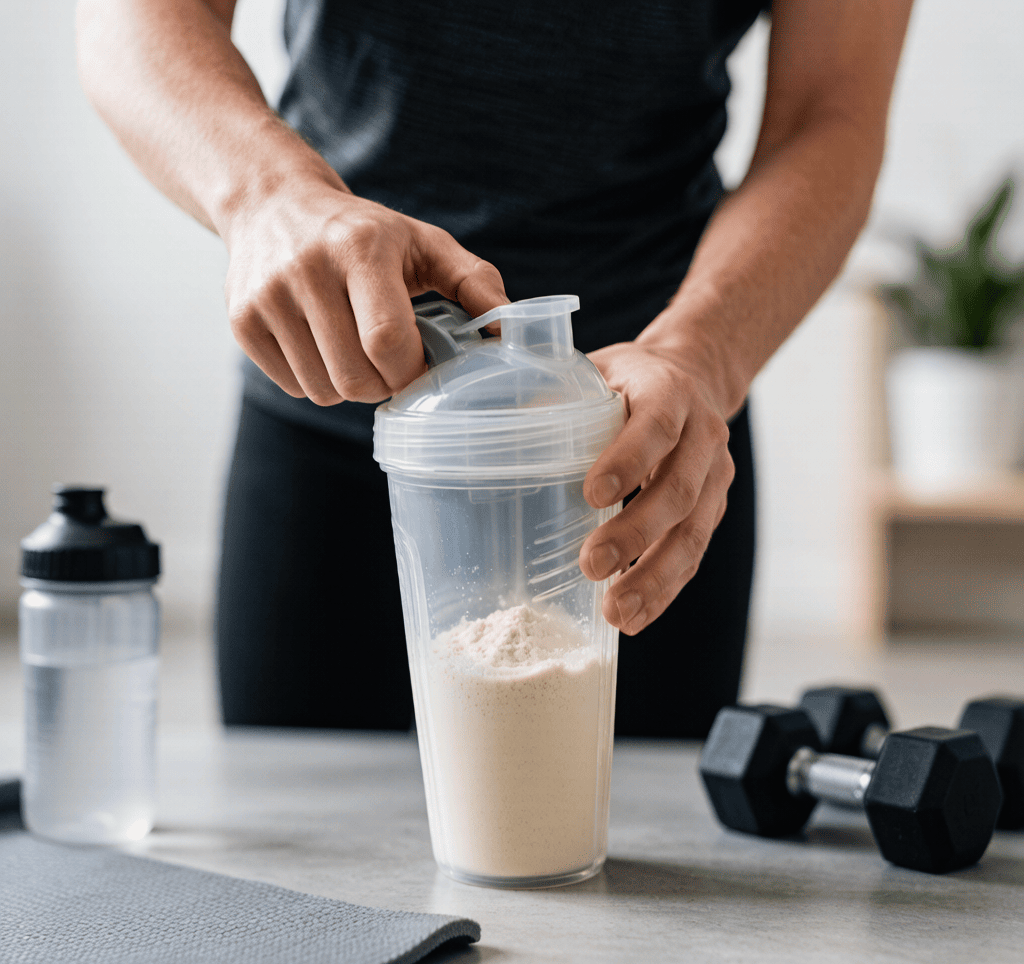
- Protein shake + banana: 1 scoop whey or plant protein, water or milk, and a banana. Quick, portable, and covers your bases.
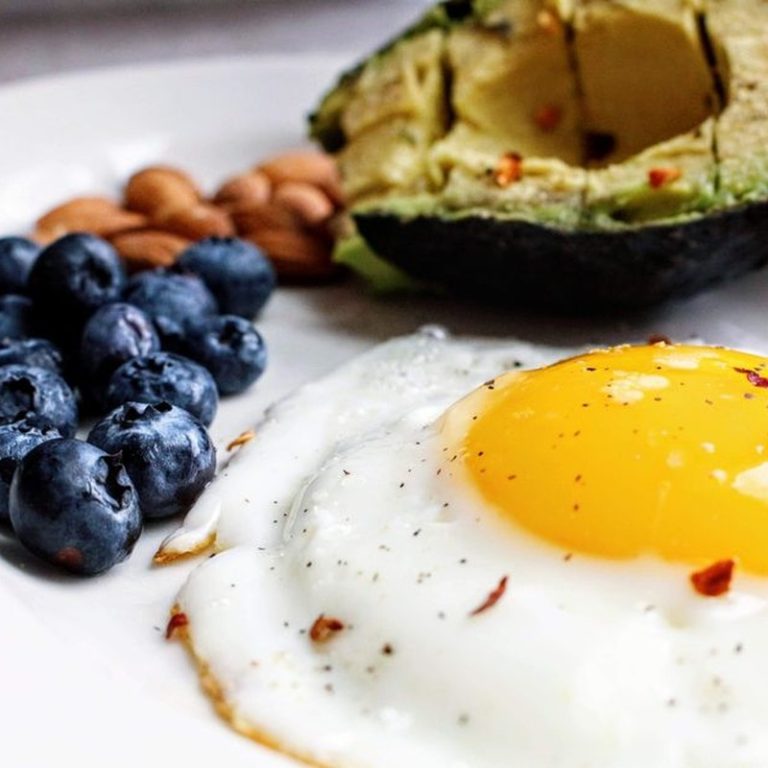
- Eggs and toast: 2–3 scrambled eggs with 2 slices of whole grain toast. Add avocado if you want healthy fats.
- Cottage cheese and fruit: 1 cup cottage cheese with pineapple or peach slices. High in casein protein, which digests slowly—great if your next meal is a few hours away.
I keep a tub of Greek yogurt and a bag of frozen berries in my fridge at all times. After a hard leg day, that’s my go-to. No fuss, no measuring cups.
Don’t Forget Hydration
Recovery isn’t just about food. If you lost a pound of sweat during your workout—and many people do in a 60-minute session—you need to replace that fluid. Aim for 16–24 ounces of water for every pound lost. Weigh yourself before and after exercise a few times to get a sense of your sweat rate. If you’re not weighing, just drink until your urine is pale yellow.
What About Supplements?
Whole food should be your foundation, but supplements can fill gaps. A good protein powder is convenient when you’re on the go. Creatine monohydrate (3–5g daily) is one of the most researched and effective supplements for strength and recovery. And if you want to check current prices on Amazon for your favorite protein or creatine, go ahead—just don’t let the search for the perfect powder delay your actual meal.
Try one of the meals above after your next workout. See how your energy and soreness feel the next day. Then share your experience in the comments—I’d love to hear what works for you.
Medical & Editorial Review: This article was reviewed by Liam Smith, founder of Apexfito, for accuracy and safety. Content is for educational purposes and is not a substitute for professional medical advice. Consult your physician before starting any exercise or nutrition program.



One Comment