Delayed Onset Muscle Soreness: Why You Get Sore
What Actually Causes DOMS?
You crushed leg day on Monday. Wednesday morning, you’re walking down stairs like a newborn giraffe, gripping the railing for dear life. That deep, tender ache in your quads and glutes is delayed onset muscle soreness — DOMS. And despite what your gym buddy might tell you, it’s not because you didn’t stretch or because lactic acid is still hanging around in your muscles.
Let’s clear that up right now: lactic acid is not the villain here. It’s actually a fuel source your muscles use during intense exercise, and it clears out of your system within about an hour after you stop working out. So that soreness you feel a day or two later? Something else is going on.
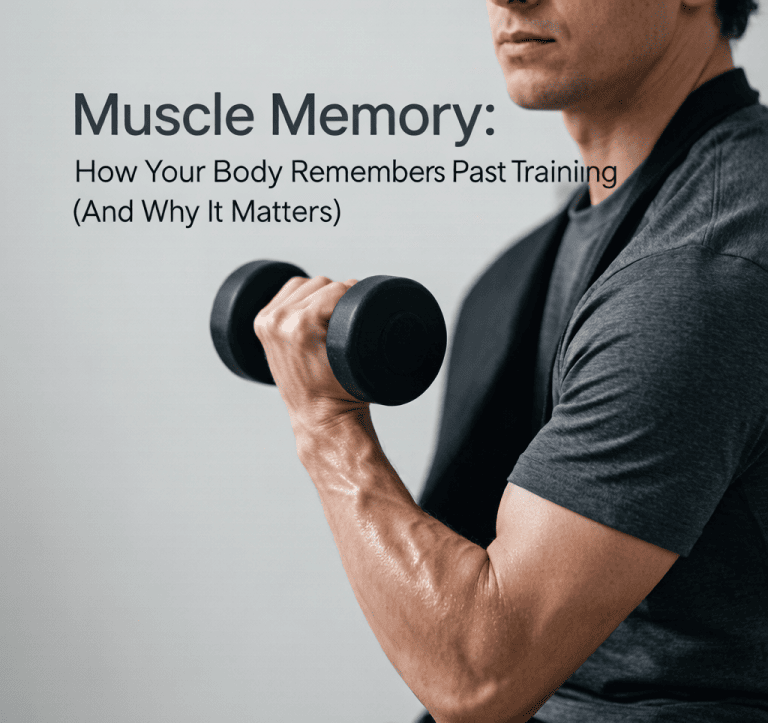
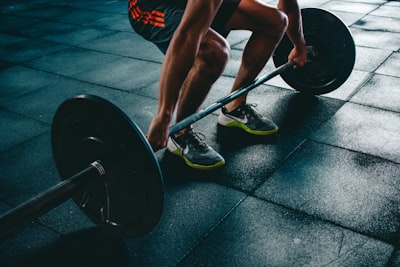
DOMS happens because you’ve caused microscopic tears in your muscle fibers and the connective tissue that wraps around them. Think of it like this: when you lift a weight, especially during the lowering phase (the eccentric contraction), your muscle fibers are being stretched under tension. If you’ve ever slowly lowered a heavy dumbbell during a bicep curl or controlled your descent on a squat, you’ve put your muscles through eccentric work. That controlled lengthening is what does the most damage — in a good way.
Your body sees these tiny tears as an injury, so it sends in the repair crew: inflammatory cells, immune signals, and fluid to start rebuilding. That inflammatory response takes time to ramp up, which is why you don’t feel sore right after your workout. It peaks between 24 and 72 hours later, which explains why you’re hobbling around two days after that killer hike or new workout program.
The main thing to remember is that DOMS is a normal sign your muscles are adapting and getting stronger. But you don’t need to chase it. In fact, if you’re constantly wrecked after every session, you might be overdoing it. A little soreness is fine; being unable to sit on the toilet without wincing is a sign you need to back off. Severe DOMS that lasts more than a week, comes with dark urine, or involves extreme swelling could indicate overtraining or rhabdomyolysis — check in with a doctor if that’s you.
To help manage DOMS, try these practical tips:
- Keep moving — light activity like walking or gentle stretching increases blood flow and can ease stiffness.
- Stay hydrated — water helps flush waste products and supports repair.
- Eat enough protein — your muscles need amino acids to rebuild those micro-tears.
- Get good sleep — that’s when most recovery happens.
Now go ahead and check current prices on Amazon for foam rollers or massage guns if you want to speed up recovery. And drop a comment below — what’s the sorest you’ve ever been after a workout?”
How to Tell the Difference Between DOMS and Injury
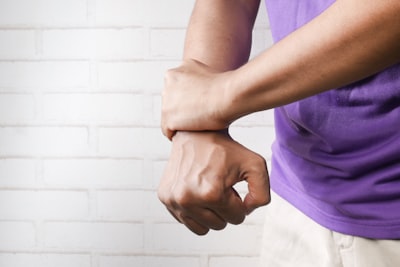
That deep, dull ache you feel after a tough workout is normal — it’s your muscles repairing and getting stronger. But sometimes soreness crosses a line into something that needs attention. Here’s how to tell the difference.
Pain Quality: Dull vs. Sharp
DOMS feels like a diffuse, general ache across the whole muscle group — think of the feeling after your first leg day in months. Injury pain is different: it’s sharp, localized, and often comes on suddenly during a movement. If you can point to exactly where it hurts with one finger, that’s a red flag.
The Stretch Test
Here’s a simple check you can do at home: gently stretch the sore muscle. If stretching reproduces that sharp, localized pain — especially if it makes you wince — you’re likely dealing with a strain, not DOMS. With normal soreness, stretching usually feels uncomfortable but not acutely painful. I’ve had clients who thought they just had tight hamstrings until a gentle stretch told a different story.
Timing and Onset
DOMS typically peaks 24 to 72 hours after exercise and fades gradually. Injury pain can be immediate — you might feel a pop, pull, or sudden stab during an exercise. But some strains develop over a few hours, so pay attention to how the pain evolves.
Location and Symmetry
DOMS usually affects both sides of your body equally — both quads, both glutes, both chest muscles. If the pain is one-sided, especially if it’s much worse on one side, that’s suspicious. Also, if the pain is in a specific spot like the back of your shoulder or the front of your hip, it’s more likely an injury.
Movement and Range of Motion
With DOMS, moving the muscle feels stiff and uncomfortable but you can still go through a full range of motion. With an injury, certain movements will be impossible or cause sharp, stopping pain. For example, if you can’t lift your arm overhead without a stab in your shoulder, that’s not just soreness.
Red Flags That Need a Doctor
- Swelling, bruising, or visible deformity in the muscle
- Inability to bear weight on the leg or use the arm normally
- Pain that wakes you up at night or doesn’t improve with rest
- Numbness, tingling, or radiating pain (like down your leg)
- Pain that lasts more than a week without getting better
If you have any of these, see a healthcare provider. Most muscle strains heal with rest and time, but ignoring them can lead to chronic issues.
When to Use RICE
If you suspect a strain — sharp pain, swelling, or a specific tender spot — start the RICE protocol: Rest the muscle for 24–48 hours, apply Ice for 15–20 minutes every 2–3 hours, use a Compression wrap to limit swelling, and Elevate the area if possible. This can reduce inflammation and speed healing. For DOMS, ice and gentle movement are fine, but compression and elevation aren’t necessary.
What to Do If You’re Unsure
When in doubt, take a few days off from training that muscle group. If it’s DOMS, you’ll feel better within 3–5 days. If it’s an injury, rest won’t make it worse — and you’ll have a clearer picture. You can also try gentle movement: if walking or light stretching makes the pain worse, that’s a sign to stop and get checked.
I’ve had clients who pushed through what they thought was DOMS only to find out they had a grade 1 hamstring strain. A few days of rest saved them weeks of rehab. Listen to your body — it’s usually right.
If you found this helpful, check current prices on Amazon for foam rollers and massage guns to help with recovery, and share your experience in the comments below.
What Actually Helps Relieve Soreness?
After a tough workout, the temptation is to collapse on the couch and not move until the pain subsides. But complete rest is not ideal for DOMS. Light movement—a gentle walk, an easy bike ride, or some dynamic stretching—increases blood flow to the muscles, which helps clear metabolic waste and deliver oxygen and nutrients. I’ve found that a 15-minute walk the morning after leg day makes a bigger difference than an extra hour of sleep. It’s crucial to keep the intensity low: you should be able to hold a conversation. If you’re gasping for air, you’re doing too much. That said, if your soreness is severe enough to impair your normal walking or daily function, complete rest for a day or two may be necessary—listen to your body.
Ice baths and cold water immersion are popular among athletes, but the science is mixed. A 2015 meta-analysis in the Journal of Sports Sciences found that cold water immersion can reduce soreness by about 20% in the first 24 hours. However, a 2019 study in the European Journal of Sport Science suggested that regular ice baths might blunt the long-term strength and muscle gains from resistance training. The theory is that inflammation is part of the adaptation process—blocking it too aggressively may interfere with the body’s ability to rebuild stronger. My advice: save ice baths for when you absolutely need to perform the next day (like during a competition or a back-to-back training session). For everyday recovery, skip the ice and focus on active recovery instead.
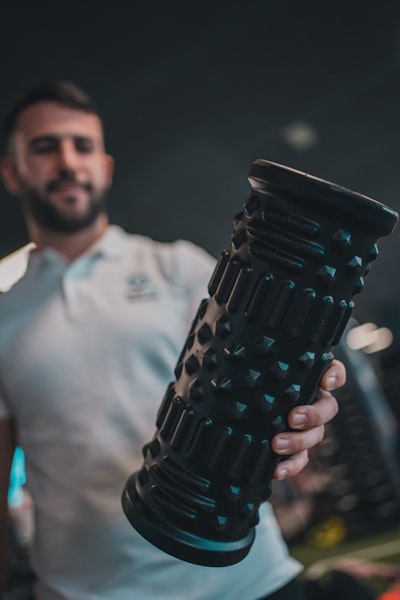
Massage and foam rolling can provide short-term relief, but they don’t speed up the underlying repair process. A 2018 study in Frontiers in Physiology showed that foam rolling reduced muscle tenderness immediately after exercise, but the effect lasted only about 30 minutes. That said, the temporary relief can make it easier to move and stay active, which is a win. I keep a foam roller by my desk and use it for a few minutes after sitting for long periods—it helps with stiffness, even if it doesn’t fix the muscle damage.
The most effective recovery strategies are the boring ones: sleep and protein. During deep sleep, your body releases growth hormone, which is essential for repairing muscle tissue. A 2017 study in Sleep found that people who slept less than six hours per night had significantly higher levels of muscle soreness after exercise compared to those who slept eight hours. And protein provides the amino acids your muscles need to rebuild. Aim for 20–40 grams of protein within two hours after your workout, and spread your intake evenly across the day. I’ve noticed a huge difference in how I feel the next day when I prioritize a high-protein dinner after a hard session.
Now, let’s bust a few common myths. Stretching before or after exercise does not prevent DOMS. A 2011 Cochrane review of 12 studies concluded that stretching has no meaningful effect on muscle soreness. Similarly, anti-inflammatory drugs like ibuprofen can reduce pain but may interfere with muscle adaptation—use them only when soreness is severe and impacts your daily function. And those fancy compression sleeves? They might help with blood flow, but the evidence is weak. Save your money for a good foam roller or a quality protein powder.
If you’re looking for tools to help with recovery, check current prices on Amazon for foam rollers, massage guns, and recovery supplements. And share your experience in the comments—what works for you might help someone else.
Should You Still Work Out When You’re Sore?
You crushed leg day on Monday. Now it’s Wednesday, and stairs have become your mortal enemy. The question running through your mind: should you still hit the gym today, or is it better to take another rest day?
The short answer is: it depends — on how sore you are, which muscle groups you plan to train, and what your goals are. Let’s break it down so you can make the smart call every time.
The Golden Rule: Train Around the Soreness
If your quads are screaming from Monday’s squats, that doesn’t mean you have to skip the gym entirely. You can absolutely train a different muscle group. In fact, doing upper body work while your legs recover is one of the most effective ways to keep making progress without derailing recovery.
Just warm up thoroughly before your upper body session. Spend five to ten minutes doing dynamic stretches and light sets of your first exercise. Your nervous system will thank you, and you’ll reduce the chance of straining a cold muscle.
Active Recovery: Light Work on the Same Muscle Group
Here’s where things get interesting. If your soreness is mild to moderate — say a 3 or 4 out of 10 on the pain scale — working the same muscle with lighter weight and lower volume can actually speed up recovery. This is called active recovery.
I’ve done this myself after particularly brutal back days. Instead of deadlifting heavy, I’ll do some light pull-ups and cable rows at 50% of my normal weight. The increased blood flow helps flush out metabolic waste and delivers nutrients to the damaged tissue. Within 24 hours, the soreness is noticeably less.
But there’s a catch: you have to keep the intensity low. If you’re tempted to push hard because you feel okay after the first set, don’t. The goal here is recovery, not another growth stimulus.
When to Absolutely NOT Train
Never train a muscle that is still extremely sore or weak. If you can’t fully extend your arm after triceps work, or if walking feels like a hobble, your muscles are still in the acute repair phase. Pushing them hard at this point does three bad things:
- Increases injury risk — compromised muscles are more prone to strains and tears.
- Impairs recovery — you’re essentially tearing down tissue that hasn’t finished rebuilding.
- Wastes your time — you won’t be able to lift heavy or with good form, so the session won’t be productive anyway.
I found out the hard way. A few years ago, I tried to squat through severe DOMS after a new deadlift PR session. My form broke down on the second rep, I felt a sharp pull in my lower back, and I was sidelined for two weeks. Not worth it.
The Form Check: Your Best Decision-Making Tool
Here’s a simple rule: if your form breaks down because of soreness, stop. Quality reps beat painful reps every time. Before your first working set, do a few unweighted reps of the movement. If you can’t maintain your normal technique — if your hips shoot up first on a deadlift, or your knees cave in on a squat — that’s your body telling you to back off.
Listen to it. There’s no shame in doing a lighter session or taking an extra rest day. The people who make the best long-term progress aren’t the ones who never miss a workout; they’re the ones who know when to push and when to pull back.
Practical Decision Framework
Next time you’re sore, run through this checklist. Remember, the 1-10 scale is subjective — if you’re new to training, err on the side of caution and treat a 4 as a 5 until you know how your body responds.
- Rate your soreness (1-10): 1-3 = mild, 4-6 = moderate, 7-10 = severe.
- If 1-3: You can train the same muscle group with light weight and low volume. Focus on blood flow, not intensity.
- If 4-6: Train a different muscle group entirely. Warm up well.
- If 7-10: Take a rest day or do very light activity like walking or stretching. Do not train that muscle.
This framework has helped me stay consistent without getting injured. It’s not complicated, but it works.
Now, I’d love to hear from you. Have you ever pushed through severe soreness and regretted it? Or do you have a go-to active recovery routine that works? Share your experience in the comments below.
Medical & Editorial Review: This article was reviewed by Liam Smith, founder of Apexfito, for accuracy and safety. Content is for educational purposes and is not a substitute for professional medical advice. Consult your physician before starting any exercise or nutrition program.