Does Lifting Weights Make Women Bulky? What the Science Says About Female Muscle Growth
Full disclosure: Some links in this article are affiliate links. We may earn a small commission at no extra cost to you if you make a purchase through them. Our recommendations are based on what real users report, not on commission size.
Where the Fear of Bulking Comes From
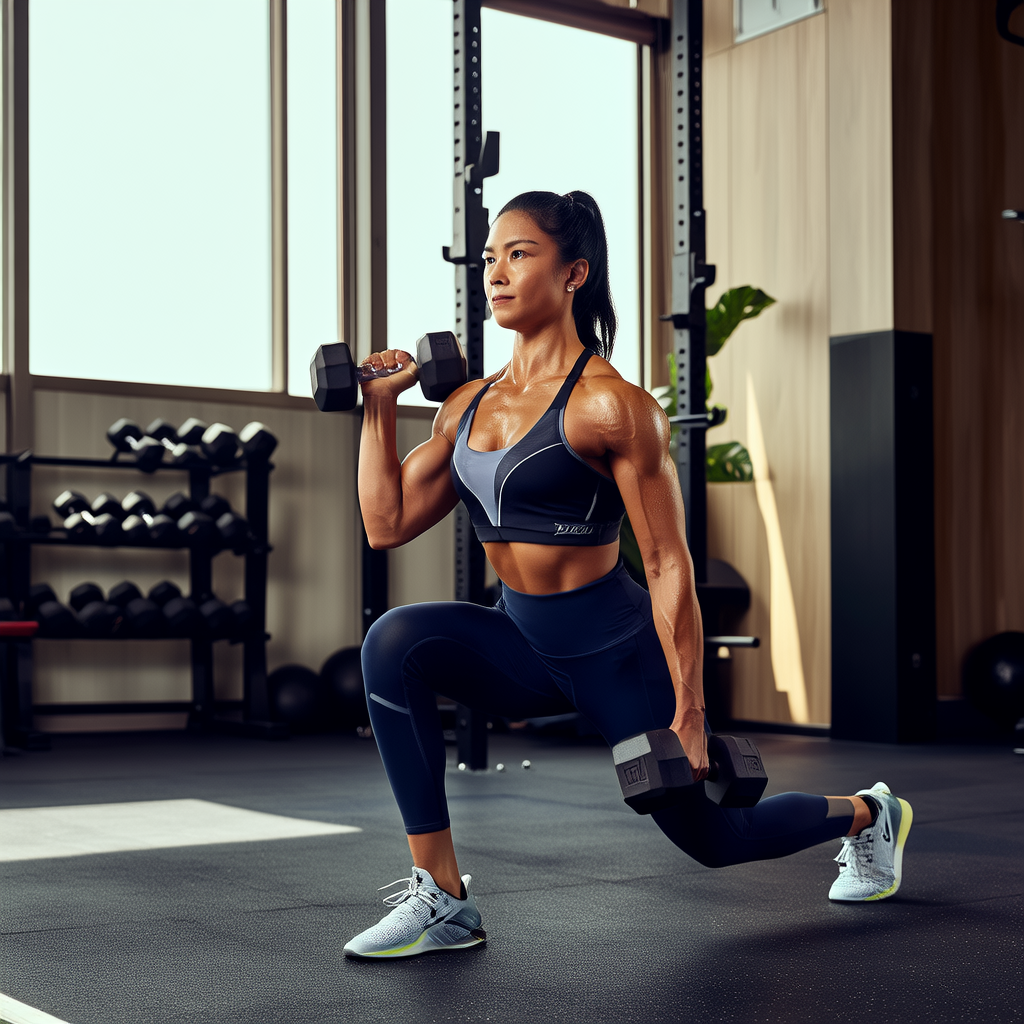
Search does lifting weights make women bulky and you will find endless before-and-after photos. Most come from competitive bodybuilding, not a normal gym session. Contest prep takes years of focused training, strict eating, and often genetics that respond strongly to lifting. Someone doing goblet squats and dumbbell rows is on a completely different track.
I used to believe this myth myself. At my first gym orientation, I stood in front of the free weights and decided they were not for me. I stayed on the cardio machines for months because I was afraid I would accidentally start looking like a bodybuilder. Then I read some of the research on female muscle growth and tried a simple program. My shoulders looked a little more defined, my jeans fit differently, and I could carry groceries without stopping to switch arms. I did not turn into a bodybuilder.
Where the Bulky Image Comes From
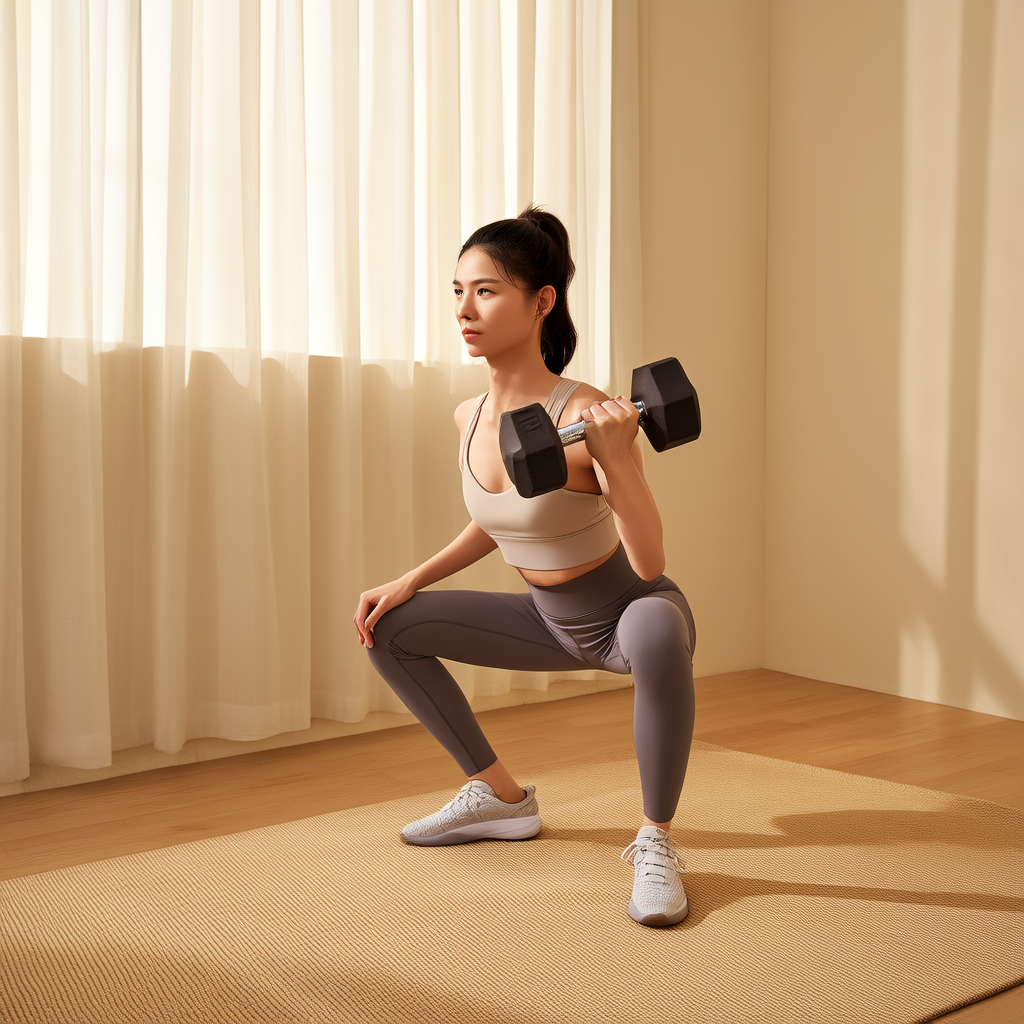
Magazine covers and social feeds often mix up two very different things: bodybuilding and muscular fitness. Photos of female bodybuilders in contest shape are dramatic, so they get clicks. Rare transformations get pushed to the top of algorithms while the hundreds of women who simply get stronger stay invisible. That distortion shapes the way we think about dumbbells.
The word toned makes it worse. It sounds like a special kind of muscle that appears without size.
What a Beginner Can Actually Expect
When researchers track women who are new to structured lifting, the average muscle gain in the first year is about 3 to 6 pounds. That estimate comes from body-composition studies using DEXA scans and skinfold measurements. The lean mass is not piled on one area. It shows up across the entire body, so the visual change is gradual. Your upper arms might hold a little more shape, and your legs may feel firmer, but you will not suddenly outgrow your favorite blazer.
Why the Fear Persists
The fear is not based on exercise science; it is based on aesthetic beliefs. We grow up surrounded by images that say muscles are only okay for men, and women who lift are often framed as an exception. There is also a biological piece: women have lower resting testosterone concentrations, and testosterone is one of the factors in rapid muscle growth. That biology deserves a closer look, and I will get into it later. For now, know that the rate of muscle growth for most women is much slower than the fear suggests.
How to Reframe Lifting in Your Mind
Instead of picturing a stage physique, picture a realistic goal: moving through life with more ease. When you start lifting, notice how daily tasks feel. Carrying heavy laundry, picking up a toddler, climbing stairs without getting winded, getting out of a low chair. Those changes often show up before you see anything in the mirror.
If you are unsure where to begin, try a simple full-body routine two or three times a week.
- Use dumbbells you can handle for 10 to 12 reps on each exercise.
- Write down the weight and reps in your phone after every set.
- Add a little weight when the last few reps start to feel easy.
- Pay attention to the quality of your movement, not the strain you feel in your face.
After a month, those notes will show you exactly what is happening. Your numbers go up, your body feels different, and you have proof that you are not becoming something bulky. If you eventually decide you want to build more visible muscle, you will have a strong foundation. But you do not need to decide that now.
What the Science Says About Female Muscle Growth
In my coaching practice, I hear a version of the same question every month: “Will I look bulky if I lift weights?” The short answer is no. The longer answer comes down to two systems most women have never thought about: hormones and the nervous system.
Testosterone is the main driver of muscle size in both sexes, and women’s levels run roughly 10 to 20 times lower than men’s. That gap changes the ceiling for muscle growth. A woman can train hard, eat enough, and still gain much less absolute muscle mass than a man doing the same program. That isn’t a weakness; it’s the reason women tend to get stronger and firmer without looking bulky.
The strength you notice in the first few weeks comes from something else entirely. Your brain and spinal cord learn to switch on muscle fibers you already have. We call this neural adaptation. When a squat feels lighter, part of that is your nervous system coordinating your glutes, quads, and core more smoothly. More motor units fire together, in the right order, at the right speed. You get better at the movement before you get bigger from the movement.
Body-composition scans make this concrete. In the 2005 Hubal study published in Medicine & Science in Sports & Exercise, researchers followed hundreds of untrained adults through 10 weeks of supervised resistance training. Women gained strength and muscle, but the average changes were modest and highly individual. Across similar training studies, a woman in her first three to six months typically adds about 1 to 2 kg of whole-body lean mass—roughly 2 to 4.5 pounds spread across all major muscle groups. Some of that is contractile muscle protein; some is water, connective tissue, and stored glycogen. It isn’t enough to change your silhouette the way most women fear.
One more detail matters. Women’s absolute gains are lower, but relative to the smaller amount of muscle they started with, the response is closer to men’s. The same pattern shows up in study after study: men gain more pounds, but the percentage change is comparable. That’s why a smaller woman can notice a meaningful change in strength and firmness even when the scale doesn’t move much.
I remember one client, a 44-year-old school nurse, who was terrified that “too many squats” would turn her legs into tree trunks. After eight weeks of full-body training, her waist measurement was the same, but her jeans fit better. She wasn’t bigger; she was firmer. Her squat went from bodyweight to holding a 35-pound dumbbell. The scale barely moved. She told me later that she wished she’d started years earlier.
So what do you do with this information? Start with a full-body plan two or three days per week. Pick five or six movements: goblet squats, dumbbell rows, push-ups, glute bridges, overhead presses, and a deadlift variation. Use a weight that lets you complete every set with clean form but makes the last two or three reps feel hard. Then add a small amount of weight or one extra rep each session. That gradual increase—progressive overload—is what drives both strength and modest muscle changes.
Nutrition doesn’t need to be complicated. Aim for about 1.6 to 2.0 grams of protein per kilogram of body weight per day, or roughly 0.7 to 0.9 grams per pound. Spread it across the day. You don’t need a calorie surplus; you just need to eat enough to recover. If you’re sleeping decently and training consistently, your clothes will change before the mirror shows anything dramatic.
That’s the pattern I see with women who are nervous about bulk: stronger, firmer, slightly smaller-looking in the right places, and almost never big. The hormonal math is on your side.
Why You Won’t Suddenly Look Bulky from Lifting
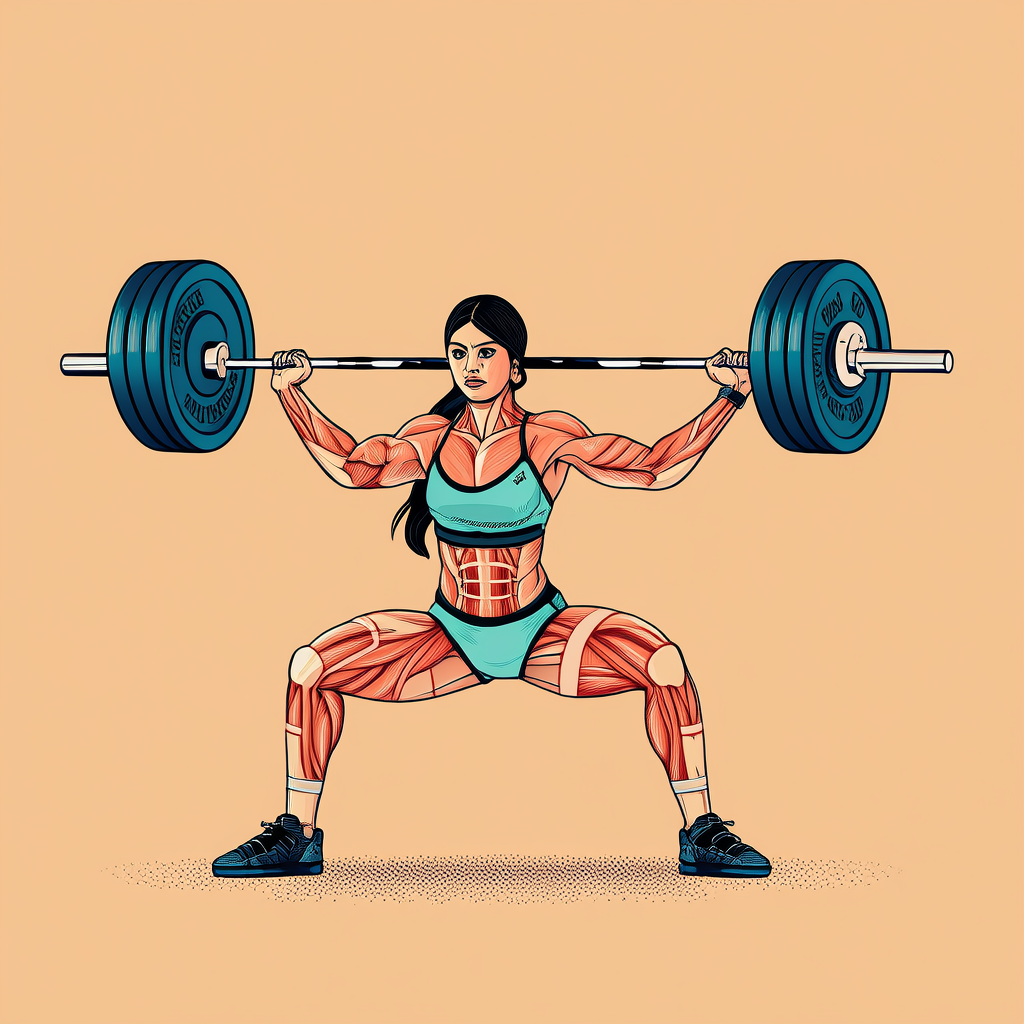
I have lost count of how many women in my group classes said they wanted to tone up but refused to touch anything heavier than five pounds. The fear is real: one session with a barbell and by next Tuesday your biceps will rip through your sleeves. That image is stronger than most anatomy charts.
But the science of female muscle growth points in a different direction. Visible, bulky muscle takes months of deliberate training, a supportive calorie surplus, and consistent protein. It does not happen by accident, and it definitely does not happen from a short workout that leaves you a little sore.
Women also have far less testosterone than men, and that hormone is one of the main drivers of hypertrophy. Even with identical training, women gain muscle at a slower absolute rate. A woman who lifts regularly while eating at maintenance can build a few pounds of lean tissue over a year. That changes her shape for the better, but it will not make her look like a female bodybuilder.
Why A 30-Minute Workout Won’t Blow You Up
Muscle tissue is expensive for the body to build. It requires a surplus of available energy. You need a calorie surplus over weeks and months, enough protein to supply raw materials, and a stimulus that gets harder over time. Without that surplus, your body makes small strength gains but does not create large amounts of new muscle tissue.
A typical strength session for a woman at a moderate body weight burns around 150 to 250 calories. You can cancel that out just by eating an extra apple and a spoonful of peanut butter. Your body is not going to construct a bulky shoulder girdle from a net calorie deficit or from maintenance. It focuses on maintenance and repair. In fact, many women who train hard and eat casually lose body fat, which makes them look smaller.
I remember coaching a woman named Sara who was afraid to deadlift because she thought her hips would get wide. She did a 12-week program while eating at maintenance. Her hips got smaller, her glutes got firmer, and her waist looked leaner. She was not bulkier. She just looked more athletic.
The Myth of Spot Bulking
Spot reduction is a myth, but spot bulking is not real either. You cannot turn bicep curls every day into giant arms without the rest of the system supporting it. Targeted training can make a muscle a little fuller, but visible bulk depends on a calorie surplus, total training volume, and genetics. Do curls every day while eating at maintenance with the same light dumbbell, and you will get better at moving that weight, then plateau. The muscle will not keep growing because there is no reason for it to grow.
Muscle hypertrophy is a stress response, not a reflex. It follows a simple rule: tension plus enough energy plus enough protein. Remove any one of those and growth stalls.
I bring this up because many women avoid certain exercises out of fear that their arms will get too big. But when I have coached women to do pull-ups and rows, their arms looked more defined, not bigger. They did not balloon. They simply noticed that their arms had a shape when they flexed.
To get that toned look, you need to add a modest amount of muscle while lowering body fat. Strength training creates the muscle. Eating at a stable or slightly reduced calorie intake exposes it. The result is visible deltoid shape, a firm lower body, and a waist that does not look bulky. That is a normal amount of muscle plus a lower level of fat.
Too many women train light and eat too little, then wonder why nothing changes. The toned-not-bulky result comes from doing the exact thing they are afraid of: using weights that actually challenge you. But it does not mean becoming big.
How To Train For Lean Muscle Without The Bulk-Up
Here is a practical setup I give to friends who want strength and definition without adding size where they do not want it.
- Lift two to three times per week with a full-body approach: squat, hip hinge, row, push, and a loaded carry. Keep each session around 30 to 45 minutes.
- Use a weight that leaves two or three reps in the tank. If you can finish every set feeling like you could do five more, that is not enough tension for changes.
- Keep rep ranges around 6 to 12 for lower body and 8 to 15 for upper body. This does not automatically lead to bulk; it helps your nervous system adapt and gives you a firm shape.
- Rest about 60 to 90 seconds between sets.
- Eat enough protein. Aim for about 0.7 to 0.8 grams per pound of body weight. Most women under-deliver here. Protein does not make you bulky; it helps your body repair and maintain what you have.
A simple beginner session looks like this: goblet squat, single-arm dumbbell row, push-up, glute bridge, and farmer carry. Do two sets of each movement in week one, rest a full day between sessions, and focus on smooth execution. In week two, add a third set if the second set felt easy. In week three, use a slightly heavier dumbbell or slow down the lowering phase. That is the progression system.
What To Do If You Still Worry About Looking Too Big
Set a simple rule: if your upper arm circumference increases more than half an inch in four weeks and that bothers you, reduce calories by 100 to 150 per day, or drop a little upper-body volume. You will see the measurement stabilize. You are in control.
Most women who think they got bulky from lifting were not actually adding much muscle. They were either eating in a way that added fat around the muscles, or they were just noticing the natural difference between a relaxed muscle and a contracted one. That is not bulk; that is a body responding to training.
If you are new to lifting, give it eight to twelve weeks. Take a photo, note how your sleeves fit, and write down your strength numbers. If you still feel too big after that, I would be surprised, though individual responses do vary.
Your Next Step
Now that you understand the science, the best thing you can do is start with a pair of dumbbells at home. You do not need a gym membership for this phase. Check current prices on Amazon for a set of adjustable dumbbells and a small mat. Compare a few brands, read the reviews, and order what fits your space. Then do the simple session above twice in the next week. After you finish, share your experience in the comments below. I would like to know how your clothes fit after a few weeks and whether you had any bulky moments that turned out to be just a good workout.
A Beginner Strength Plan That Builds Muscle Without the Bulk
Most muscle growth worries come from confusing bodybuilder-style training with ordinary strength work. I have had female clients start with two full-body days per week because they wanted to feel stronger, not bigger. After a few weeks, the common response is that their clothes fit better, their shoulders look defined, and the bulky look they feared never happened.
This plan is built for body recomposition. You build a little muscle while losing fat, and that combination creates a more toned shape without the size that comes from a long-term muscle-building program.
If you have never lifted before, start with a lighter weight and give yourself a week to practice each movement. Form comes first. Once a squat or row feels smooth, you can start making those last reps harder.
The Weekly Schedule
Research on resistance training frequency shows that two or three full-body sessions a week produce solid strength gains for a beginner. A Monday/Thursday schedule works well, and a Monday/Wednesday/Friday schedule works too. The main rule is to leave at least one recovery day between sessions.
Each session should include a squat or deadlift pattern, a horizontal press or push-up, a pull such as a row, and a plank or carry. Here is a workable example:
- Goblet squat or band deadlift
- Dumbbell chest press or push-up
- One-arm dumbbell row or seated band row
- Plank or farmer’s carry
For the first week, do two sets of each exercise with 8-10 reps per set. That gives you room to learn the movement pattern without a large soreness spike. Starting in week two, do three sets of each exercise. The last-two-reps-feel-hard rule only matters once you are doing three sets.
For the plank or carry, start with two rounds of 20-30 seconds in week one, then build to three rounds of 20-40 seconds in week two. Use a three-minute warm-up, rest 60-90 seconds between sets, and keep the whole session under 45 minutes.
If you only have time for two days, stick with two. Two well-arranged sessions are easier to stick with than four occasional ones.
How to Choose the Right Weight
This is where most beginners either use a weight that is too light or make things harder than they need to be. A useful guide is to pick a weight that makes the last two reps of set three feel hard, while your form still looks smooth. Set one should feel easy, set two moderate, and set three challenging.
If you finish set three and could easily do three more reps, the weight is too light. If your lower back rounds, your knees cave in, or you hold your breath, the weight is too heavy. The goal is a controlled rep that feels hard without turning into a messy grind.
To progress, do not add weight every single session. Start by adding one or two reps when the current weight feels easy. Once you can do 12 clean reps on all three sets, add a small amount of weight the next time you do that exercise. With bands, move to a shorter length or a heavier band. This slow progression is what creates visible definition rather than bulky muscle growth.
Simple Strength Nutrition
Training tells your body to keep muscle, but protein gives it the material to do that. A practical protein target is about 0.7 grams per pound of body weight, which works out to about 1.6 grams per kilogram. For a 150-pound woman, that is about 105 grams. For a 130-pound woman, about 91 grams.
Use that number as a starting point, not a rigid scientific threshold. Sports nutrition research generally supports this range for women who are training to build strength while leaning out, but your total food intake matters too. You do not need to weigh every chicken breast. Just include a protein source at each meal: eggs, Greek yogurt, chicken, tofu, fish, or a shake if that makes the day easier. This amount is not a bodybuilder’s diet. It supports muscle definition without the calorie surplus required to build large, bulky muscles.
Keep the workout itself under 45 minutes. That time limit is part of the plan, not a side note. Once you start adding endless ab circuits or extra machine work, you turn a targeted recomposition session into something less focused. Short sessions also make it easier to stay consistent, which is where real results come from.
Equipment, Starting Steps, and the Four-Week Check-In
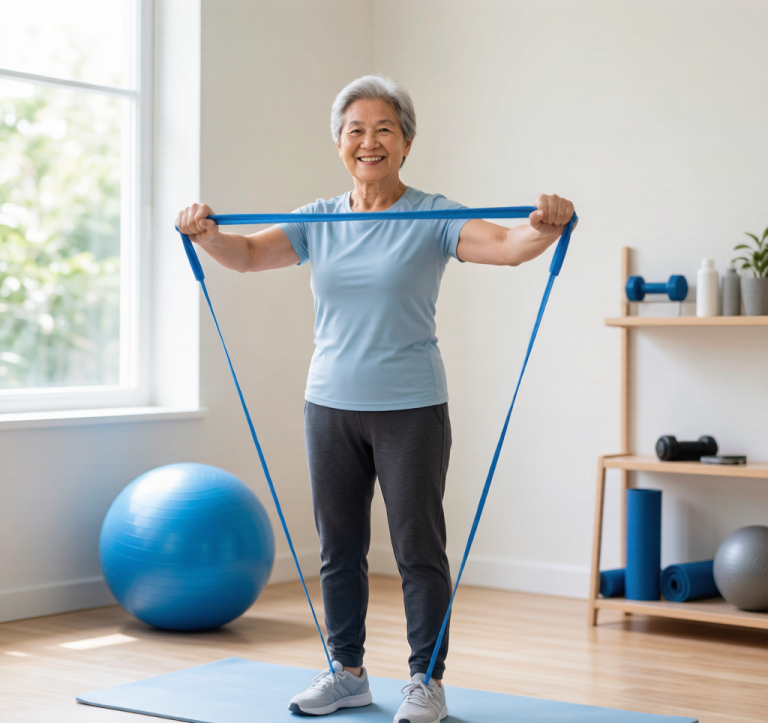
You do not need a full home gym. Adjustable dumbbells or a resistance band set can cover this entire beginner program. I have used both setups in a small apartment, and both work when the last two reps get hard. Bands are quiet and cheap, while adjustable dumbbells make small weight increases easier.
Check current prices on Amazon before you buy. Prices change often, and you might find a better deal today than you saw last month.
Run this plan for four weeks. At the end of week four, take a photo, look at how your usual clothes fit, and pay attention to simple things like carrying groceries or getting up from a low chair. Then come back and share your experience in the comments. Tell us what equipment you used, which exercise felt hardest, and what changed in those four weeks. Your comment helps another woman decide to start.
Medical & Editorial Review: This article was reviewed by Liam Smith, founder of Apexfito, for accuracy and safety. Content is for educational purposes and is not a substitute for professional medical advice. Consult your physician before starting any exercise or nutrition program.