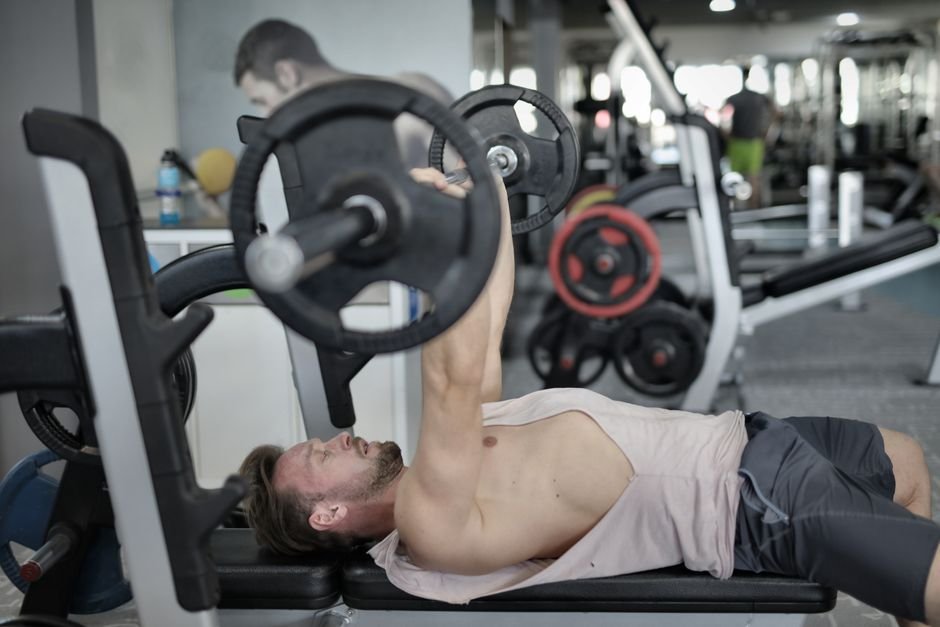
Best Weight Bench For Dumbbell Training
Best Weight Bench for Dumbbell Training (2026 Reviews)
You walk into your garage, coffee in hand, ready to squeeze in a 45-minute session before the rest of the house wakes up. Your dumbbells are lined up, your program is set, but you’re still working off an old folding chair or the edge of your couch. After six months of this, your shoulders are cranky and your chest work feels off. The missing piece isn’t another set of dumbbells. It’s a proper weight bench.
A good bench changes everything about dumbbell training. It opens up real pressing angles, supports your torso during rows, and gives you a stable platform for movements that build real muscle and strength. But the market is flooded with options ranging from $80 budget units to $600 commercial-grade platforms. This guide breaks down what actually matters so you buy once and train hard for years.
Why a Bench Matters More Than You Think
>The American College of Sports Medicine emphasizes that resistance training form and joint positioning directly influence both safety and muscle recruitment. When your shoulder blades can’t retract and depress against a stable surface, your pressing mechanics fall apart. The National Strength and Conditioning Association consistently notes that free-weight exercises on unstable or poorly sized surfaces increase compensatory patterns and injury risk.
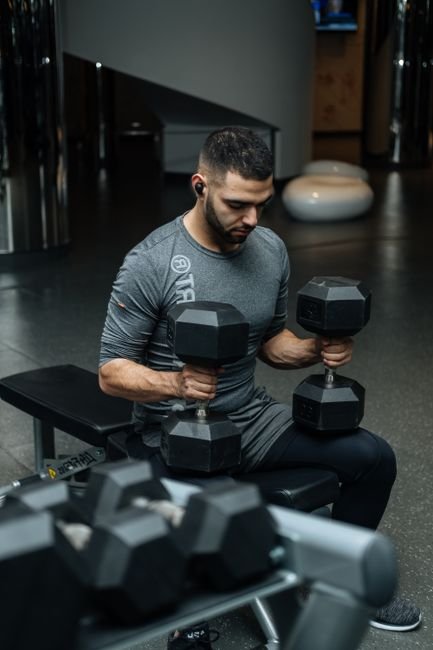
A real bench gives you three things you cannot fake: proper torso positioning, consistent range of motion, and the confidence to push close to failure without worrying about balance. When you do dumbbell presses on a solid flat bench, you can drive through your feet, pack your shoulders, and focus on your pecs and triceps doing the work. On a wobbly surface, your nervous system spends energy on stabilization instead of force production. That is the difference between productive training and just moving weights around.
Bench Types Explained
>Not every bench serves the same purpose. Before you look at brands or price tags, understand the three categories that dominate the home gym market.
Flat Benches are the classic choice. They offer a rock-solid platform with no moving parts, which means zero mechanical failure points and maximum stability. If your primary goals are flat dumbbell pressing, chest-supported rows, Bulgarian split squats, and step-ups, a flat bench covers most of your bases. They also tend to be the most affordable and space-efficient option.
Adjustable Benches give you multiple back angles, usually from flat up to 85 or 90 degrees. This is where dumbbell training really opens up. Incline presses hit your upper chest and anterior delts. Seated shoulder presses at 75 to 85 degrees let you train overhead with back support. Lower inclines, around 15 to 30 degrees, are excellent for targeting the upper pec fibers without turning the movement into a front delt dominant exercise. If you only have space and budget for one piece of equipment, an adjustable bench is usually the smarter long-term investment.
FID Benches (Flat, Incline, Decline) add a decline setting to the adjustable mix. Decline dumbbell presses and decline flyes can be useful for lower pec development, though they are less critical for most busy adults training at home. The decline pad also enables sit-ups and core work, but from a pure strength standpoint, the extra cost and mechanical complexity only pay off if you specifically program decline movements.
For the average adult juggling work and family commitments, a high-quality adjustable bench from 0 to 85 degrees hits the sweet spot of versatility, durability, and reasonable footprint.
What to Look For Before You Buy
Weight Capacity is non-negotiable. Look at the total load rating, which means your body weight plus the dumbbells you plan to use. If you weigh 180 pounds and you are pressing two 80-pound dumbbells, that is 340 pounds on the bench. Add a safety margin of at least 100 pounds because manufacturer ratings are not always conservative. A bench rated for 600 pounds or more gives you room to grow without anxiety.
Pad Dimensions matter more than people realize. A pad that is too narrow digs into your back during presses and does not support your upper back properly. Look for a width between 10 and 12 inches. Much wider than that and your arms get in the way during rows or flyes. Pad length should be around 48 inches so your head stays supported without hanging off the end.
Seat and Back Pad Gap is a detail that separates quality benches from frustrating ones. Some budget models leave a large gap between the seat and back pad when set to incline. Your butt slides into that gap during heavy sets. Premium benches minimize this or use a single pad design. If possible, check this in reviews or specs before purchasing.
Frame Construction should be steel, not aluminum or thin-walled tubing. Look for 11 or 12-gauge steel in the frame. The feet should have rubber caps or foot pads that prevent sliding on concrete, rubber flooring, or carpet. A bench that shifts under load is a bench that will eventually hurt you.
Adjustment Mechanism needs to be secure and fast. Ladder-style systems with steel pins are reliable and rattle-free. Some modern benches use a pull-pin or spring-loaded adjustment that is smooth enough to change between flat and incline in under five seconds. Avoid benches with plastic adjustment components or wobbly hinges.
Budget Considerations
You do not need to spend a fortune, but you should not bottom-feed either.
Under $150: You will find basic flat benches and entry-level adjustable models here. Some are surprisingly adequate for light to moderate dumbbell work. The trade-off is usually lower weight capacity, thinner padding, and shorter warranties. If you are under 180 pounds and your dumbbells top out at 50 pounds, a budget flat bench can serve you fine for a couple of years.
$150 to $350: This is the sweet spot for most home gym owners. Benches in this bracket typically offer 600 to 1,000-pound capacity, better padding, more secure adjustment systems, and longer warranties. You get real incline options and a pad that does not feel like a camp cot.
$350 to $600: Commercial-grade or near-commercial options live here. Heavy-duty steel, minimal pad gap, thick vinyl that resists sweat and tears, and rock-solid stability under heavy loads. If you are an experienced lifter using 80-pound-plus dumbbells, or if this bench will see daily use from multiple household members, the extra investment pays off in longevity and safety.
Common Mistakes When Buying and Using a Bench
Buying based on brand hype alone. A recognizable logo does not guarantee a stable platform. Read reviews that specifically mention heavy dumbbell use, not just brand enthusiasm.
Ignoring the footprint. Measure your training space. An adjustable bench in the flat position plus room to lie down and press requires more floor space than most people estimate. Add two feet of clearance on all sides for safe dumbbell work.
Skipping the incline because you only press flat. Incline dumbbell presses are one of the best upper body builders available. Limiting yourself to flat work creates strength and muscle imbalances over time. The International Society of Sports Nutrition and other training-focused organizations consistently highlight exercise variation as a driver of continued adaptation.
Using a bench on an uneven surface. Even the best bench will wobble if your garage floor has a slope or if you set it on thick, uneven rubber tiles. Check stability before you load it.
Neglecting maintenance. Tighten bolts every few months. Sweat degrades vinyl and can rust steel frames over time. Wipe down your bench after sessions. A bench that lasts ten years instead of two is a bench that was cared for.
How to Program Dumbbell Work With Your New Bench
Once you have a proper bench, structure your training around it. A simple weekly split for busy adults might look like this:
Day 1: Flat dumbbell press, incline dumbbell press, chest-supported row, reverse flye.
Day 2: Seated dumbbell shoulder press, flat dumbbell flye, single-arm row, hammer curl.
Day 3: Incline dumbbell press (lower angle), dumbbell pullover, Bulgarian split squat using the bench, triceps extension.
This covers pressing in multiple planes, pulling work, and even lower body support. All you need is your bench, a set of adjustable dumbbells, and 45 minutes.
Final Thoughts
A weight bench is not a luxury for dumbbell training. It is the foundation that makes your pressing safe, your rowing effective, and your training consistent. Prioritize stability and weight capacity over gimmicks. Choose adjustable over flat if you can only pick one. Spend within the $150 to $350 range for the best balance of quality and value, or stretch higher if you are moving serious weight.
The right bench will outlast your current dumbbell set and probably your next one too. Buy something solid, set it up in a space you actually want to use, and then show up and do the work.
About the author: href=”https://www.apexfito.com/liam-smith-author-founder-of-apexfito/”>Lia m Smith is the founder of Apexfito and writes evidence-based training guides and gear reviews.
Medical & Editorial Review: This article was reviewed by Liam Smith for accuracy and safety. Content is for educational purposes only.
Related reading:
2 Comments