Does Exercise Change Your Gut Microbiome? What New Research Suggests
Full disclosure: Some links in this article are affiliate links. We may earn a small commission at no extra cost to you if you make a purchase through them. Our recommendations are based on what real users report, not on commission size.
What the New Exercise-Microbiome Research Actually Says
On October 5, 2026, Medical Dialogues published a report titled “New Study Reveals How Exercise May Alter Gut Microbes for Better Recovery.” The headline reads like a finished answer. Train hard, feed the right bacteria, bounce back faster than the person on the next treadmill.
It isn’t a finished answer. The most important word up there is “may.”
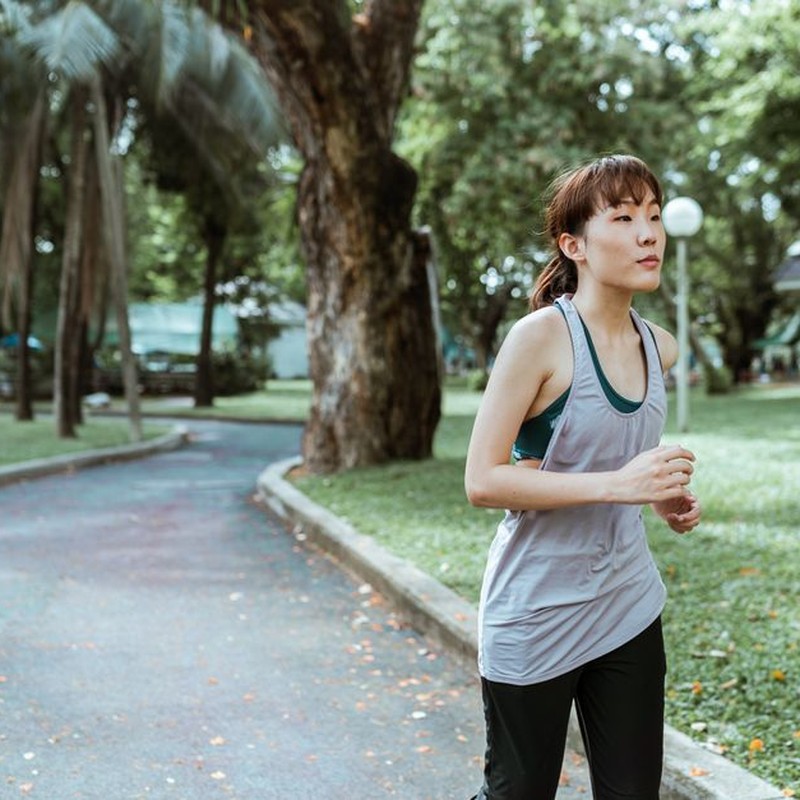
The study behind the coverage points at something real: exercise appears to shift the microbes in your gut in ways that could support recovery. “Could support” and “does support” are different claims, and the gap between them is where most of the confusion in this topic lives. What the reporting describes is a relationship between physical activity and the bacterial populations in your digestive tract, with recovery as the possible payoff. That’s a hypothesis with a plausible mechanism underneath it. It is not a protocol, and nobody can honestly tell you the right dose, the right timing, or the right bacterial target yet.
Observational studies and controlled trials are different animals
This is the distinction worth carrying into every headline about exercise and gut bacteria.
Observational research takes people who already train and compares their microbiomes to people who don’t. Active groups consistently show more diverse bacterial communities. That pattern repeats across study after study, and it is genuinely interesting.
It also can’t tell you exercise caused any of it. Active people eat differently, sleep differently, carry different body composition, and handle stress differently. Any one of those could be doing the work, or all of them together. Observational data shows you a room full of variables and says one of them is responsible. It doesn’t hand you a name.
Controlled trials assign people to exercise or not, hold other things steady, and measure what changes. Those can support a causal claim. They’re also harder, pricier, and rarer than the headline volume suggests. When you read “exercise changes your gut microbiome,” ask which kind of study produced it. Most of the time it’s the first kind wearing the language of the second.
The scale problem the headline skips
Human exercise-microbiome trials tend to be small and short. Modest groups tracked for weeks, not thousands of people tracked for years. Small samples swing wildly, and short windows can’t tell you whether a bacterial shift sticks or fades by next month.
Then there’s the mouse problem. Much of the mechanistic work, the research explaining how exercise might talk to gut bacteria, happens in rodents. Mice are useful. Mice are also not you. Different guts, different immune systems, and no ability to skip the gym because work ran long.
None of that makes the research bad. It makes it early. I’ve watched this cycle enough times to recognize it: a careful paper with a long caveats section gets summarized into one confident sentence, and the caveats never make the trip.
Research keeps growing. Public attention doesn’t.
One detail surprised me. Google Trends for the US over the past 12 months shows search interest in “gut microbiome” flat. The recent 30-day average sits around 4.2 against a 12-month average of 9.8 on a 0-to-100 scale, and those are low absolute numbers to start with. Published research on the gut, meanwhile, keeps expanding.
That gap matters. When study output grows and public curiosity plateaus, the conversation never settles. Claims don’t get tested by a wide audience and corrected. They accumulate, each one a little louder than the last, until the subject feels like static.
If you’ve felt vaguely confused about whether exercise helps your gut, that isn’t a personal failing. The science is still forming and the messaging got there first.
What this article will and won’t do
I’m not going to pretend there’s a definitive answer, because there isn’t one yet. What I can do is lay out three things straight:
- Plausible mechanisms. The pathways researchers think connect training to gut bacteria, and which parts are well supported versus speculative.
- Habits with almost no downside. Practical moves that carry little risk whether or not the microbiome theory pans out. Fiber, movement variety, sleep, stress management. Nothing exotic, and all of it defensible.
- Open questions. What nobody can answer yet, including dose, duration, individual variation, and whether any of these changes mean anything for how you feel on a Tuesday morning.
That’s a less thrilling promise than “exercise fixes your gut.” It’s also the one I can keep.
Before we go further: if you’ve experimented with your own diet or training around gut health, I want to hear about it. Real experiences, including the ones that flopped, beat another summary of a mouse study. Drop them in the comments.
How Exercise Could Reshape Your Gut: The Mechanisms Worth Knowing
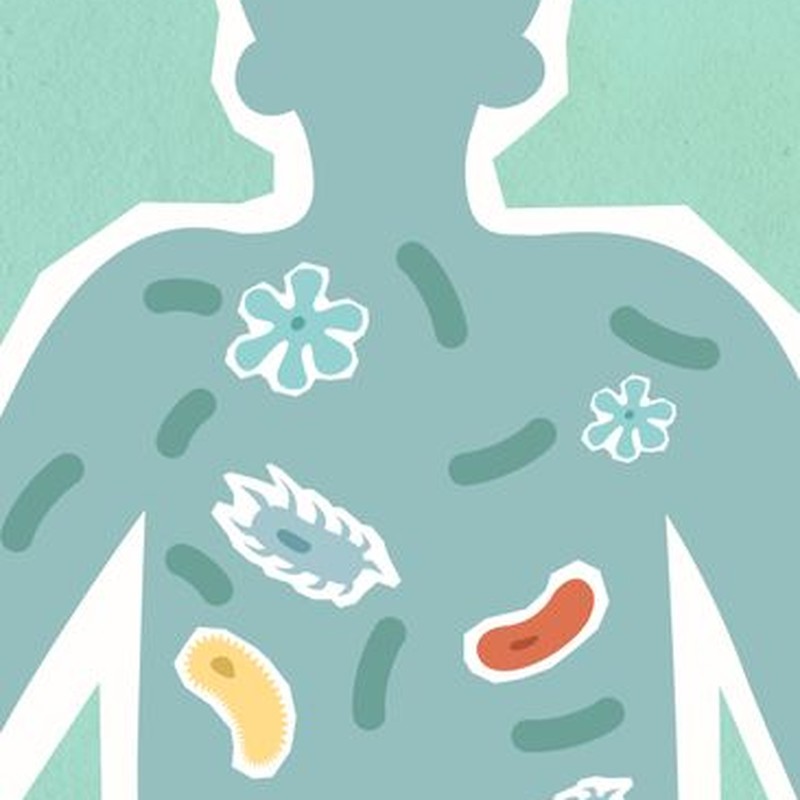
Your gut holds trillions of bacteria, plus fungi, viruses, and archaea. Together they weigh a couple of pounds. Ask how a single workout changes that community and the honest answer is: through a few plausible routes, none of them fully mapped. The October 2026 Medical Dialogues coverage of a new study on exercise and gut microbes captures exactly where the science sits. The headline says exercise may alter gut microbes for better recovery. That little word is doing real work.
What follows are candidate pathways researchers are actually studying, not settled plumbing.
Blood flow and transit time
During hard efforts your body does something blunt: it shunts blood away from the digestive tract and sends it to working muscles. Splanchnic blood flow can drop substantially during intense intervals or a long, hot run. Afterward, circulation often rebounds, and some research suggests it can overshoot baseline for a while.
That matters for bacteria because your colon is a fermentation tank, and the speed of the conveyor belt changes the chemistry inside it. Move contents through faster and bacteria in the upper colon get less time with certain fibers. Slow things down and those same bacteria get a longer crack at them. Different nutrients reach different microbial neighborhoods, which can shift the overall mix.
I noticed this on my own long-run days. A big bowl of beans two hours before a tempo session was a disaster; the same bowl on an easy day was fine. Not proof of a microbiome shift, but a reminder that timing changes what your gut is dealing with.
Short-chain fatty acids
This is the mechanism that gets researchers excited. When fiber-fermenting bacteria break down undigested carbohydrates, they produce short-chain fatty acids, mainly butyrate, acetate, and propionate. Butyrate feeds your colon cells directly and has been linked to lower inflammation across a lot of the literature.
The hypothesis goes like this: regular training may encourage the bacterial groups that make these compounds, and a stronger short-chain fatty acid supply may be one reason active people report better recovery. Tidy story. Incomplete, too. A lot of the human data is cross-sectional, meaning researchers measure fit and less fit people at one point in time and compare. Fit people also eat differently, sleep differently, and drink less alcohol. Pulling exercise apart from everything that travels with it is genuinely hard.
What you can act on: feed the fermenters. Aim for roughly 25 to 38 grams of fiber a day, and chase variety, not just volume. People who eat a wider range of plant foods, vegetables, fruit, legumes, whole grains, nuts, seeds, tend to have more diverse microbiomes. Add one new plant food to your grocery cart this week and watch how your gut responds.
The gut barrier, bile acids, and immune signaling
Your intestinal lining is a single cell layer doing crowd control. Training influences how permeable that layer is. Very intense or prolonged exercise, especially in the heat, can transiently loosen it, which is part of why some endurance athletes get cramping, urgency, or nausea mid-race. Your body usually reseals things within hours.
Bile acids are another piece. Exercise and diet both change the bile acid pool, and bile acids are not just digestive detergent. They act as signaling molecules that talk to receptors throughout the body. Meanwhile, immune cells clustered in your gut wall are in constant conversation with the microbes next door. Researchers suspect those conversations plausibly feed into how sore, flat, or run-down you feel after a hard training week. Suspect is the operative word there.
Practical version: ramp training volume gradually instead of jumping 40 percent in one week, hydrate with electrolytes on long or hot sessions, and do not stack your hardest workout directly on top of a short-sleep night. Those moves protect the barrier and your immune system whether or not the microbiome is the reason.
Stress hormones and the gut-brain axis
Cortisol and other stress hormones change how fast your gut moves and how it senses what is inside. The vagus nerve runs a two-way line between brain and gut. Gut bacteria can influence signals traveling up that line, while stress signals traveling down change the environment the bacteria live in.
For most people, regular moderate training lowers baseline stress over time. That is likely an indirect gut benefit. Push into chronic overreaching, though, and the relationship flips. Sleep gets worse, cortisol stays elevated, and digestion turns sluggish or erratic. I have had weeks where I kept adding intensity and my appetite and digestion both went sideways, then settled within days of backing off. Anecdote, not data, but it lines up with what the physiology predicts.
What this still cannot tell you
None of these mechanisms is pinned down enough for anyone to say: run this exact workout and you will grow this exact bacterium. Researchers can describe a pattern across a group of people. They cannot write you a prescription. Individual responses to exercise and diet vary enormously, and commercial microbiome tests are noisy enough that chasing a specific number mostly wastes money.
- Treat the mechanisms as reasons to train consistently and eat a varied, fiber-rich diet.
- Do not expect one workout to change your gut community.
- Watch recovery markers you can actually feel, energy, soreness, digestion, sleep, rather than lab results you order online.
- If you are shopping for a fiber supplement, electrolyte mix, or probiotic to support your routine, check current prices on Amazon before you commit, since they swing a lot.
And if you have tried something that actually changed how you feel after hard training weeks, drop it in the comments. Real-world reports from people who train are more useful than most of what sits on the shelf.
Practical Habits That Support a Resilient Gut While You Train
The research covered earlier in this article points somewhere interesting: exercise appears to nudge gut microbes toward communities that look more recovery-friendly. What it does not give us is a step-by-step protocol. The October 2026 study tracked shifts in microbes, not a training plan you can copy. For a beginner, the sensible move is to build habits that hold up on their own merits — hydration, sleep, food quality, sensible training loads — and treat any microbiome benefit as a possible bonus rather than a promise.
Food first: variety beats volume
Guidelines in the US and Canada put fiber somewhere around 25 to 38 grams a day for adults, and most of us land well short of that. Hitting the number matters. Spreading your fiber across many different sources matters just as much, because different fibers feed different bacteria. A week of the same bowl of oatmeal every morning is not the same input as a week that includes beans, lentils, oats, berries, leafy greens, nuts, seeds, and whole grains.
Practical version: pick two or three plant foods you already like and rotate them in, then add one new one each week. Canned beans and frozen berries count. So does a handful of pumpkin seeds on a salad. I keep a bag of frozen edamame in the freezer for exactly this reason — it goes into whatever I am already cooking, and it takes zero planning.
Increase gradually. If your fiber intake has been low, jumping straight to 35 grams a day will likely leave you bloated and gassy for a week or two. That is your gut adjusting, not a sign the approach is wrong.
Fermented foods, one at a time
Plain yogurt with live cultures, kefir, kimchi, sauerkraut, and tempeh are cheap and widely available. Add one new item at a time and give it several days before adding another. That way, if something does not sit well, you know what caused it.
Start smaller than you think you need to. A couple of tablespoons of sauerkraut alongside lunch is a reasonable first move, not a full jar. Some people notice nothing at all; others notice changes in digestion within a few days. Both responses are normal. If you are comparing brands, check current prices on Amazon before you buy — the gap between a tub of plain yogurt and a specialty probiotic drink is wide, and the yogurt often does the same job for a fraction of the cost.
Time hard sessions around meals, not through them
Blood gets routed away from the gut during hard efforts, which is part of why intervals on a full stomach feel so rough. Give yourself 90 minutes to two hours after a large meal before intervals or heavy lifting. Easy sessions on a mostly empty stomach work fine for plenty of people, but fuel anything lasting longer than an hour.
If you train early, a light snack 45 to 60 minutes out tends to work better than a full breakfast eaten ten minutes before you warm up.
Hydrate, and replace sodium on sweaty days
Dehydration slows gut transit. That can leave you bloated or backed up, which makes the next session feel harder than it needs to. On days when you sweat heavily, water alone may not be enough — a little sodium helps you hold onto the fluid you drink.
Mind what you stack on top of training
Three things tend to work against gut bacteria when they pile up: routine high-dose NSAID use, heavy alcohol intake, and antibiotics taken without a clear need. None of that means an occasional ibuprofen after a long run will wreck you. It means daily training plus daily anti-inflammatories plus regular drinking is a lot for your gut to absorb at once.
And a firm note: never stop a prescribed medication on your own. Bring questions about antibiotics or long-term NSAID use to your clinician.
Sleep and rest days do more than you think
Seven to nine hours of sleep and one or two easy days a week are the cheapest recovery tools available, and they influence the gut through stress and immune pathways. You do not need a wearable to confirm this. If your resting heart rate is up and your warm-ups feel sluggish, your gut probably is not having its best week either.
Track signals, not lab tests
You do not need a microbiome test to see whether your habits are working. Watch a few simple things instead:
- Bowel frequency and stool consistency
- Bloating, and when it shows up
- Energy during warm-ups
- How you feel 24 hours after a hard session
Trends over two to four weeks tell you far more than any single day. One rough Tuesday after a late dinner is noise. Two straight weeks of feeling heavy on every run is a signal worth acting on.
One honest caveat to close on: nobody has shown yet that changing your gut bacteria will measurably improve your recovery. The habits above are worth doing because they stand on their own — better hydration, better sleep, more fiber, less unnecessary strain on your body — and the microbiome research is a promising reason to keep watching where this goes. Pick one change this week, give it a couple of weeks, and share what you noticed in the comments.
Myth-Busting and the Questions Researchers Haven’t Answered
Four claims about the gut and exercise get repeated so often they sound settled. Most of them aren’t. Here’s where the evidence holds up, where it thins out, and what I’d do with it.
Myth: there’s an “athlete microbiome” you can test for, then optimize. A consumer gut test describes what’s in one sample on one day. That’s the entire product. Results swing with what you ate yesterday, and the report doesn’t tell you what to eat next. I’ve watched friends pay real money for a PDF that essentially said eat more vegetables. Two weeks of logging food and symptoms will teach you more about your own gut, and it costs nothing but discipline.
Myth: probiotics fix an exerciser’s gut. Strain, dose, and timing all matter, and the evidence for performance or recovery benefits is mixed. Fermented foods make a better first stop because the protein, calcium, and live cultures arrive in the same bite. Kefir, plain yogurt, kimchi, sauerkraut. If you’re spending forty dollars a month on capsules and can’t name the strain on the label, try food for a month and see if anything changes. Plenty of people can’t tell the difference, and that answer is useful too.
Myth: more training always means a healthier gut. Very high endurance loads can increase intestinal permeability and GI distress, so the relationship isn’t a straight line. Someone running 80-mile weeks isn’t automatically better off than someone running 25 miles and sleeping eight hours. High-volume athletes deal with bloating, urgency, and cramping they never had at lower mileage. More is not automatically better.
Myth: you can out-train a low-fiber diet. No amount of zone 2 compensates for a week of almost no plants. This is one of the clearest findings in the field, and it holds whether you’re walking three days a week or training for a marathon. Fiber feeds the bacteria that produce short-chain fatty acids your gut lining uses for fuel. Skip it for a week and you’re not just missing nutrients. You’re starving the residents.
About the October 2026 study that started this conversation: the reporting described microbial shifts that line up with better recovery, which is an encouraging signal. One study still can’t tell us whether the microbes changed because of the training itself, the eating and sleeping that came with it, or some blend of all three. Anyone who says otherwise is selling something.
What researchers haven’t answered yet. Three things I’d watch:
- How long do microbial changes last after training stops? Weeks? Months? Nobody knows.
- Does your starting microbiome predict whether you’re a responder? If so, that changes how we’d advise beginners.
- How much of the effect belongs to diet and sleep rather than the workout? Exercise is tangled up with both, and untangling them is slow work.
What I’d actually do: pick one change and hold it for three weeks. Add a serving of oats, lentils, or beans every few days rather than all at once, so your gut has time to adjust. Keep a kefir or plain yogurt habit if it sits well. Drink water with the fiber, since ramping up without fluids is a fast route to a rough week.
If you want to try fiber-rich staples, a fermented food you haven’t bought before, or a simple food scale to eyeball portions, check current prices on Amazon and pick what fits your budget. Then come back and tell me in the comments what shifted for you, positive or not. Those real-world reports are the part of this picture the research is still filling in.