
Magnesium Glycinate vs Citrate: Which Form Actually Helps Sleep and Recovery
Full disclosure: Some links in this article are affiliate links. We may earn a small commission at no extra cost to you if you make a purchase through them. Our recommendations are based on what real users report, not on commission size.

What Magnesium Does in the Body, and What It Won’t Do for Your Sleep
Magnesium has one of the widest job descriptions of any mineral you eat. It’s a cofactor in hundreds of enzyme reactions, which pulls it into muscle contraction, nerve signaling, and the conversion of food into usable energy. That breadth is why you see it marketed for cramps, sleep, anxiety, recovery, and heart rhythm all at once. When a nutrient touches that many systems, almost any claim can be made to sound plausible.
Being involved in a process isn’t the same as fixing it. Magnesium is required for normal nerve signaling, but a capsule doesn’t sedate your nervous system. It’s required for muscle contraction and relaxation to cycle properly, but it won’t erase the tightness in your calves after a heavy squat day. The mineral supports normal function. It doesn’t override bad inputs.
Two things get blurred constantly here: low intake and clinical deficiency. A real deficiency is a medical diagnosis, confirmed with bloodwork, and it isn’t what most gym-goers are dealing with. What’s far more common is a diet that lands under the recommended daily amount — the kind of thing that happens during a hard cut, or when someone’s version of eating clean is mostly chicken breast and rice.
I’ve watched this play out with clients. Two lifters buy the same bottle. One calls it the best addition in years and the other notices nothing. Neither is lying. They started from different places.
Who tends to notice something? People eating well below their calorie needs, anyone with generally low food intake, and people with digestive conditions that blunt absorption. Heavy trainees who sweat through long sessions are often named as prime candidates too, though how much magnesium you actually lose that way is easy to overstate — sweat losses are real but rarely dramatic over a normal training week.
A headline from October 2026 gave the sleep angle a fresh push. Reporting from Newswav described a trial in which magnesium supplementation was linked to better sleep quality and daytime alertness. Interesting, and worth reading closely rather than skimming. One positive trial is a reason to look at the wider body of research, not proof that any bottle on the shelf will fix your sleep next week. The jump from “linked to” to “cures insomnia” happens fast in supplement marketing, and the October report doesn’t make that jump for you.
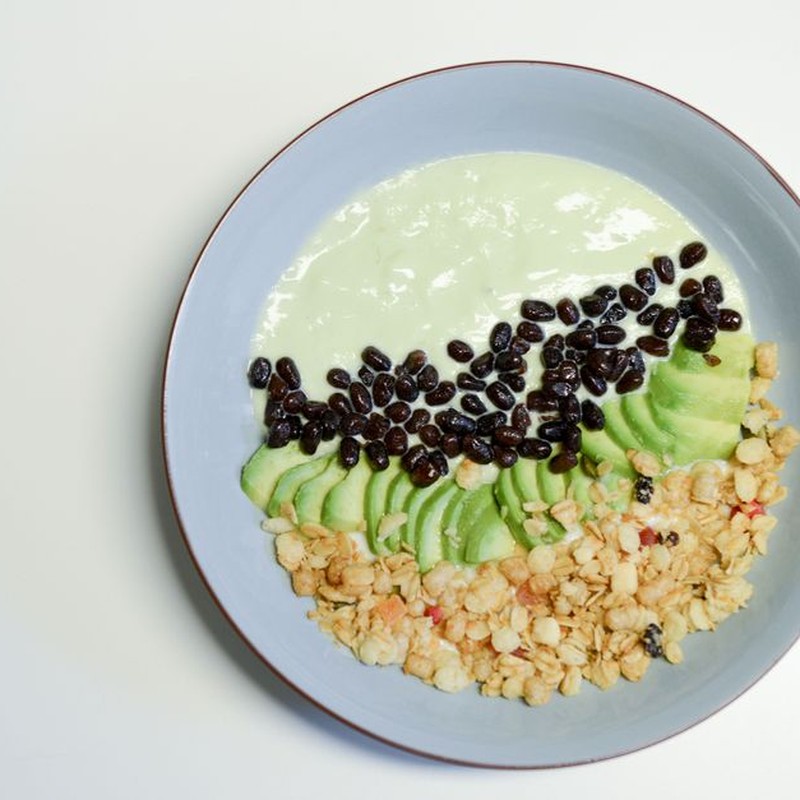
Keep the foundation in mind before you shop. Pumpkin seeds, spinach, black beans, almonds, and yogurt all contribute magnesium and show up on plates more often than people realize. A supplement is a top-up for a gap, not a replacement for food. If your intake of those foods is close to zero, fixing that will likely do more than switching capsule forms.
And the part nobody wants to hear: magnesium doesn’t outrun late caffeine, a bright phone at midnight, alcohol, or a hard session that finishes at 9 p.m. I’ve had clients swear by a nighttime magnesium powder while drinking a large iced coffee at 6 p.m. and scrolling in bed for an hour. Their sleep didn’t improve and the bottle took the blame. If your evenings look like that, spend two weeks fixing the obvious stuff first — caffeine earlier, screens dimmed, the last hard session moved up if your schedule allows. Then the supplement question gets much easier to answer, because you’ll know what you’re actually adding it to.
Glycinate vs. Citrate: Absorption, Gut Tolerance, and Who Each One Fits
Neither glycinate nor citrate is the cheap filler. Both are absorbed well enough to matter for most people. Magnesium oxide is the one with the long-standing absorption problem: a lot of the dose tends to pass through. So if oxide shows up first on the supplement facts panel, you are not really choosing between glycinate and citrate. You are choosing between a well-absorbed form and a poorly absorbed one.
Between the two good forms, the practical difference is less about which one absorbs better on paper and more about what the compound does in your gut and when you can take it.
Oxide is the cheap benchmark
Magnesium oxide is common in bargain blends because it is inexpensive and packs a lot of elemental magnesium by weight. The catch is absorption. It is the form most often used as the poor comparator in magnesium research, and it is the reason a bottle can advertise a big magnesium number per serving while delivering less usable mineral. If oxide is the first ingredient, the form debate is already over.
Citrate moves water through the gut
Magnesium citrate is magnesium bound to citric acid. In the intestines it works osmotically: it pulls water in, softens stool, and speeds transit. That is not a side effect; it is the same mechanism behind drugstore constipation remedies. At 8 a.m. with a full day ahead, that can be useful. At 10 p.m. before a 6 a.m. run, it is a gamble. I keep citrate for mornings and travel days, not for right before bed.
For readers who get constipated from high protein intake – say 1.6 to 2 grams per kilogram of bodyweight, or about 0.7 to 0.9 grams per pound – or from travel and low fiber, citrate solves two problems with one purchase. It also tends to cost less per milligram of elemental magnesium, which matters if you are taking it daily for months.
Glycinate is the gentler bedtime form
Magnesium glycinate is magnesium chelated to glycine, an amino acid that also acts as an inhibitory neurotransmitter. That connection gets used heavily in sleep marketing. I would not lean on it too hard. The glycine dose in a typical capsule is small compared with a standalone glycine serving, and the October 2026 reporting on a magnesium sleep trial did not crown a form. The trial was encouraging for sleep quality and daytime alertness, but it did not prove glycinate is the sleep form.
What glycinate does have is a tolerance advantage. It is the form most people can take on an empty stomach, 60 to 90 minutes before bed, without a bathroom sprint. If your schedule puts magnesium at night and you have a sensitive gut, that matters more than a lab comparison.
Match the form to your body and schedule
Citrate fits if regularity is part of the goal, if you travel, or if you eat high protein and notice things slowing down. Take it earlier in the day. Glycinate fits if you want the bedtime slot, if citrate gives you cramps or loose stools, or if you already have a solid morning routine and do not want another variable. Budget matters too: citrate is often cheaper, so if you tolerate it in the morning, there is no prize for paying more for glycinate.
Some people can take citrate at night without issue. I would not plan a bedtime citrate experiment before a long run or a race. Use the form that matches your gut first, then worry about fine-tuning the dose.
Read the panel, not the front of the bottle
Plenty of products sold as magnesium glycinate include magnesium oxide in the blend. Sometimes it is there to hit a round milligram number without making the capsule enormous. The front label can still say glycinate. Flip the bottle over.
- Look for the exact compound in the supplement facts panel: magnesium glycinate or magnesium citrate, not magnesium complex or magnesium blend.
- Check the elemental magnesium number. A big number on the front is often compound weight, not the amount of actual magnesium you are getting.
- If magnesium oxide appears in the panel, assume part of what you are paying for is the cheap form.
- If the label is vague about the compound, treat the front-of-bottle claim as marketing until the panel proves otherwise.
The two-week self-test comes later. Before you get there, pick the form that fits your gut and your schedule. That choice is most of the work. Prices swing on both forms, so check current Amazon listings before buying a giant bottle, and if you have already tried both, compare notes in the comments.
Picking a Form and Dose: A Bedtime Protocol You Can Actually Run
Most magnesium purchases fail for a boring reason: the buyer never runs a real test. Three nights of a random capsule, one bad Tuesday, and the bottle ends up in the cabinet behind the coffee. Or someone takes 500 mg of compound and spends the next morning within sprinting distance of a bathroom. Neither version tells you anything useful.
A Newswav report from October 17, 2026 covered a trial suggesting magnesium supplements may improve sleep quality and daytime alertness. That is interesting, but it is not a reason to stock five bottles. Search interest in magnesium glycinate has been climbing in the U.S. over the past year, according to Google Trends, and rising demand usually means messier labels on the shelf. So here is the version I would actually run: one form, one dose, two weeks, and a short list of rules.
Choose the form by your gut, not the marketing copy. If bedtime is the goal, glycinate is the easier start. Glycine is generally gentle, and you can take it on an empty stomach, which fits a 60-to-90-minute window before lights out. Citrate works too, often for less money. It pulls water into the gut, though, so take it with dinner rather than right before bed if you would rather not get a 2 a.m. wake-up call.
My own test: glycinate, 200 mg elemental, 75 minutes before bed, nothing else changed. First four nights, nothing. By the end of week two I was falling asleep a little faster. Small shift, not a sedative. That is the scale you should expect from a mineral.
Now the number that trips up almost everyone. The front of the bottle is compound weight, not magnesium. A capsule labeled 1,000 mg of magnesium glycinate is mostly glycine carrier, with only a fraction of that as actual magnesium. Flip the bottle and read the supplement facts panel for the elemental figure, usually phrased as from magnesium glycinate with the amount printed beside it. If a label gives compound weight and no elemental number, I skip it. You cannot test a dose you cannot identify.
Here is the protocol I would hand a beginner:
- 100 to 200 mg of elemental magnesium, taken 60 to 90 minutes before bed. Citrate users should take it with the evening meal instead.
- Hold that dose for two full weeks. Sleep is noisy, and one rough night is not data.
- Keep total supplemental magnesium at or below 350 mg per day unless a clinician directs otherwise. That ceiling is for supplements, not food. Spinach, beans, nuts, and seeds do not count against it.
- Skip the multivitamin stack. Plenty of daily multis already carry 50 to 100 mg, and that plus a bedtime capsule quietly pushes you past a sensible starting dose.
- Space it two hours from high-dose iron, calcium, or zinc. Those minerals compete for the same absorption pathways. Morning iron and bedtime magnesium are fine. All four at once is a bad stack.
Treat the 350 mg cap as a guardrail, not a challenge. Past a certain point the main return is looser stools and a midnight bathroom trip, which is an odd way to chase better recovery. If you have kidney disease, take kidney-related medication, are pregnant, or take prescriptions that interact with minerals, run this by a clinician first. Magnesium touches a lot of physiology, and the dose conversation changes for some people.
Tracking beats brand loyalty. Each morning for two weeks, note four things: how long it took to fall asleep, how many times you woke up, how alert you felt in the first hour up, and whether your gut changed. Four lines in your phone is plenty. If you want to be stricter, run week one without magnesium and week two with it so you get a comparison instead of a vibe.
After two weeks, make a call. If sleep latency dropped and your gut is fine, keep the lowest dose that seemed to work. If nothing changed, stop. Want to test the other form? Take a few days off first so you are not guessing which one caused what.
One note for people training hard: magnesium is not a recovery shortcut. It will not outrun a five-hour night, a large calorie deficit, or a training week that would break a college athlete. The Newswav trial is a nudge to test a cheap, low-risk supplement, not permission to ignore the basics. If you eat beans, greens, nuts, and whole grains most days, your baseline intake may already be fine. The real question is whether a bedtime dose closes a gap you can feel.
If you decide to buy, check current prices on Amazon before committing to a big bottle. Prices swing, and a 90-count bottle of a form you do not tolerate is an expensive lesson. Start small, run the two weeks, then leave a comment with what you noticed, whether that is faster sleep onset, brighter mornings, gut changes, or absolutely nothing. Honest reports beat another label claim.
Buying Smart, Tracking Results, and Knowing When to Stop
In the United States, magnesium supplements are not pre-approved for safety or effectiveness before they go on sale. They appear on shelves and on Amazon, and the job of figuring out whether a capsule holds what the label promises lands on you. That isn’t a reason to skip supplements. It’s a reason to buy like someone who reads past the front of the bottle.
The fastest filter is a third-party seal. NSF Certified for Sport and USP Verified both mean an outside lab has checked identity, potency, and contaminants, and that the product was made under documented conditions. A brand can print “pharmaceutical grade” or “high absorption” in forty-point font and back it with nothing at all. It can’t slap those seals on without a lab report behind them.
Canada runs a different system. Look for the eight-digit NPN printed on the package. That Natural Product Number means Health Canada reviewed the product and licensed it for sale. No NPN, no legal sale. If you’re standing in a pharmacy in Calgary or Toronto holding a glossy bottle with no NPN anywhere on it, put it back and grab the boring one that has it.
Read the elemental number, then do the math
Magnesium glycinate is a compound. A capsule labeled 1,000 mg of magnesium glycinate is not delivering 1,000 mg of magnesium — the elemental figure is a smaller fraction of that compound weight, and it’s the only number that matters for dosing. I’ve compared bottles side by side where the elemental magnesium per serving differed by a wide margin even though both were the same size, same capsule count, same confident claims on the front.
So price the thing properly. Take the bottle price, divide by the total milligrams of elemental magnesium in the container, and compare that number across two or three options. It takes ninety seconds with a phone calculator. Cost per bottle tells you nothing, and cost per capsule tells you even less, because capsule sizes vary wildly between brands.
Stop rules, in plain terms
You already know how to run the two-week log — bedtime, time to fall asleep, wakeups, and how you feel at 7 a.m. Here’s what to do with it. If nothing has shifted after two weeks at a steady dose, the honest answer is that this form isn’t doing much for you, and the money is better spent elsewhere. Blackout curtains. A gym membership. Actual steak. Two weeks is long enough to see a pattern and short enough that you won’t burn a season on a dud.
One more thing about reading your own results: change one variable at a time. If you started magnesium the same week you cut caffeine after noon, you’ve got two changes and one outcome, and you’ll credit the wrong one. That’s the same logic I use with clients tracking protein intake — one lever, then judge.
If you get loose stools, cramping, or your sleep gets worse instead of better, that’s not you failing at supplements. That’s your body giving you a clear answer. Citrate pulls more water into the bowel, so it’s usually the culprit when things get urgent. Glycinate leaves some people groggy or oddly wired the next morning. Halve the dose or switch forms, write it down, and move on. A negative result you actually recorded is worth more than a vague memory of “I think it kind of helped.”
When to talk to a clinician first
Some situations call for a conversation before you buy anything. Kidney disease is one, since impaired kidneys clear magnesium poorly. Long-term acid-reducing medication and diuretics are others, because they can change absorption or how the mineral moves through your body. Pregnancy and breastfeeding, same deal. Magnesium also interacts with several common drugs, including certain antibiotics, so timing and form can matter in ways a label will never explain.
None of that is meant to scare you off a mineral. It’s meant to keep you from self-prescribing around a prescription.
Worth remembering why the shelf is so crowded right now: searches for “magnesium glycinate” in the US have been running above their twelve-month average on Google Trends, and a trial reported in October 2026 found that magnesium supplementation may improve sleep quality and daytime alertness. That’s a fair reason to pay attention to the category. It is not evidence that any particular bottle on Amazon will do that for you, at any dose, in any form. Single trials don’t settle a question for every person, and marketing teams are very good at stretching one headline into a shelf full of promises.
Before you check out
Prices on Amazon and at Canadian retailers move around constantly, so don’t buy on a random Tuesday because a page shouted that it was 30% off. Check for the seal or the NPN, work out cost per milligram of elemental magnesium across a couple of options, and buy the one that wins on both. Then run your two weeks and keep the notes.
Have a look at current prices on Amazon before you commit, and if you’ve already run the experiment, come back and tell the rest of us what happened in the comments. Which form, what dose, how long, and did your 7 a.m. score actually move? That’s the data this category is missing.