How to Count Macros for Weight Loss or Muscle Gain
Counting calories tells you how much to eat. Counting macros tells you what to eat. Both matter, but if you only track one thing, macros give you more useful information.
Macros is short for macronutrients — protein, carbohydrates, and fat. Each one plays a different role in your body, and getting the right balance makes the difference between losing fat while keeping muscle versus losing fat and ending up soft and weak.
Use our free macronutrient calculator to find your ideal split based on your calorie target and goal.
What each macro does
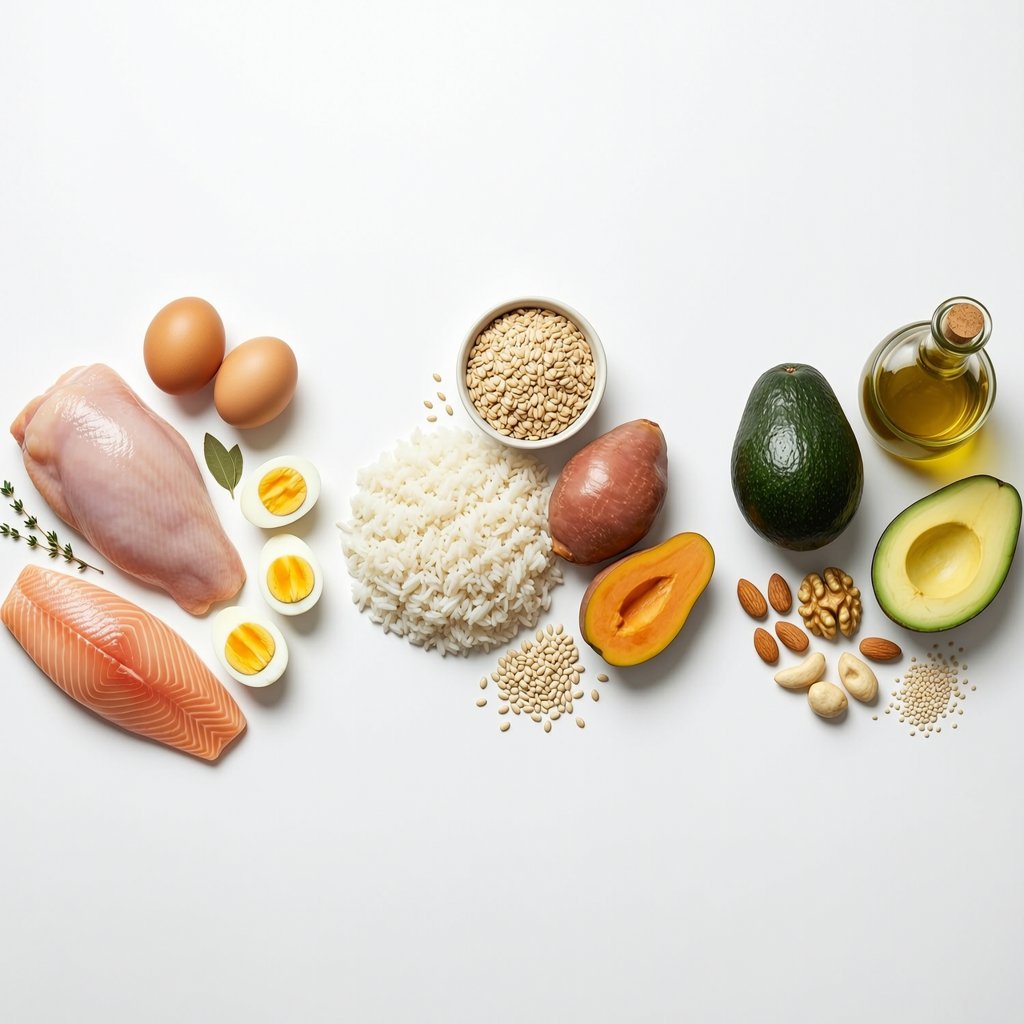
Protein (4 calories per gram) builds and repairs muscle tissue. It is also the most filling macro, which is why higher protein diets are consistently linked to better weight loss outcomes. Your body cannot store protein the way it stores carbs and fat, so you need a steady supply throughout the day.
Carbohydrates (4 cal/g) are your body’s main fuel source. Carbs power your brain and your muscles during exercise. If you train hard and eat too few carbs, your performance drops and recovery slows down.
Fat (9 cal/g) is essential for hormone production and vitamin absorption. Fat is also calorie-dense, which means a little goes a long way. You need it, just not as much as you probably think.
How the splits are determined
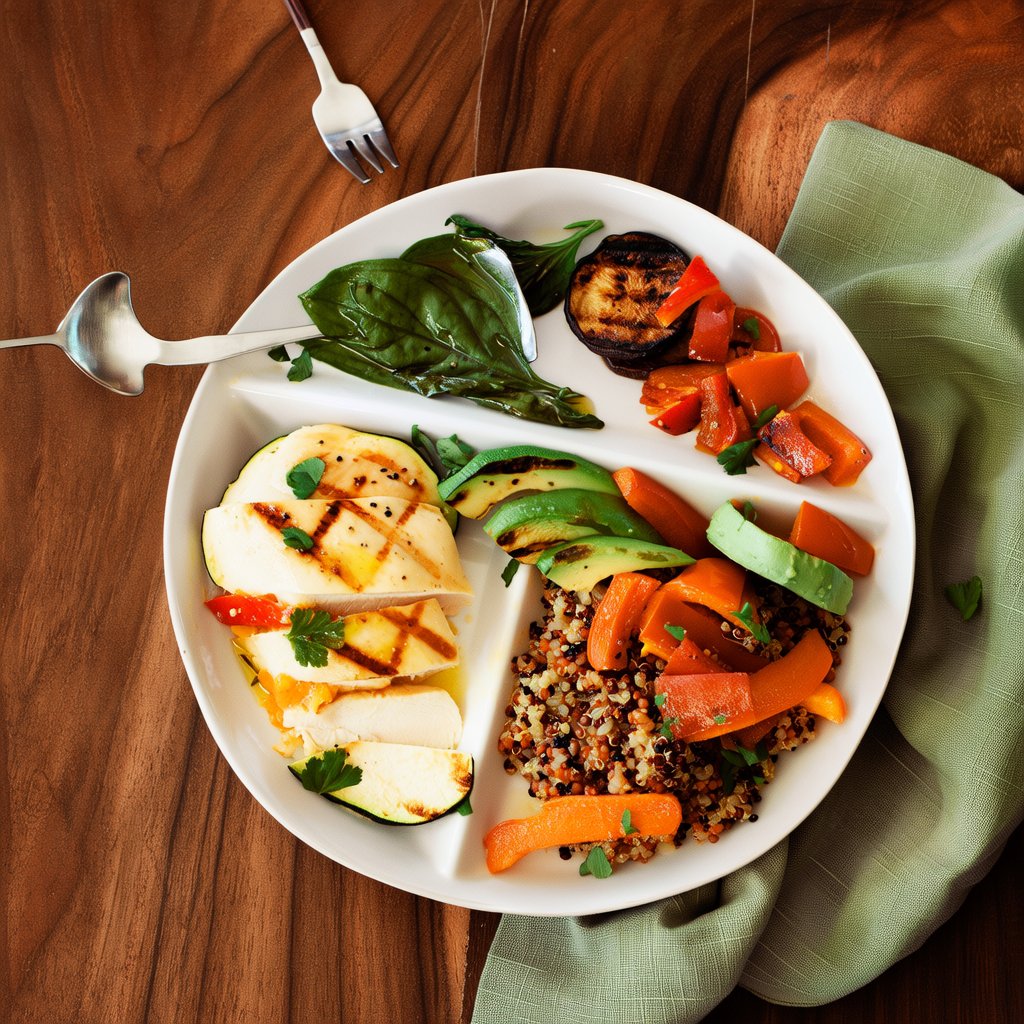
This calculator adjusts your macro ratios based on your goal. Here is the logic behind each split:
Weight loss: higher protein (35%) to protect muscle during a deficit, moderate fat (25%) for hormone health, lower carbs (40%) to keep total calories manageable. The extra protein also helps with satiety, which makes sticking to a deficit easier.
Maintenance: balanced 30% protein, 25% fat, 45% carbs. This split works well for general health and steady energy.
Muscle gain: higher protein (35%) and higher carbs (45%) to support recovery and growth. Lower fat (20%) since you get enough from whole foods like meat, eggs, and nuts.
Low carb / keto: very high fat (65%), moderate protein (25%), minimal carbs (10%). This pushes your body into ketosis, where it burns fat for fuel instead of carbohydrates.
Once you have your numbers from the macro calculator, pair them with a protein target to make sure you are covering the most important macro first.
Common mistakes people make

Chasing perfect ratios every day. Total calories still matter more than macro percentages. If you go over on fat and under on carbs one day, you will not lose your progress. Hit your protein target, stay close on the others, and move on.
Ignoring food quality. 200 calories of chicken and 200 calories of Oreos are technically the same number, but they affect your energy, hunger, and health completely differently. Prioritize whole foods, use the calculator as a guide, and let your body tell you what works.
Forgetting to adjust. Your macro needs change as your weight and goals change. Recalculate every 10 to 15 pounds or whenever your training shifts significantly.
Putting it together

Macro tracking works best when you treat it as a feedback tool, not a prison sentence. Use the calculator to get started. Track honestly for two weeks. See how your energy and progress feel. Adjust from there.
If you need help figuring out your calorie target, start with the TDEE calculator and then come back to split those calories into macros.
FAQs
Do I need to weigh my food?
A food scale is the most accurate way to track macros. Measuring cups are less precise. A decent digital scale costs about $15 and makes tracking significantly easier.
Can I hit my macros with whole foods only?
Yes, and that is the recommended approach. Meat, eggs, rice, potatoes, vegetables, nuts, and fruit cover all your macro needs without relying on processed foods or supplements.
What if I cannot hit my protein target?
Prioritize protein at every meal. If you consistently fall short, a protein shake can help bridge the gap. Whole food sources are better, but supplements are better than missing your target.
Do macros matter for fat loss or just muscle gain?
Both. Higher protein during fat loss preserves muscle, which keeps your metabolism higher. The right carb intake supports your training performance even while dieting.
Medical & Editorial Review: This article was reviewed by Liam Smith, founder of Apexfito, for accuracy and safety. Content is for educational purposes and is not a substitute for professional medical advice. Consult your physician before starting any exercise or nutrition program.