Magnesium for Sleep, Cramps, and Recovery: What Actually Works
Full disclosure: Some links in this article are affiliate links. We may earn a small commission at no extra cost to you if you make a purchase through them. Our recommendations are based on what real users report, not on commission size.

What Magnesium Actually Does in Your Body (and Which Forms Are Worth Buying)
Magnesium shows up in more than 300 enzyme reactions in your body. That stat gets repeated everywhere, so here is what it actually means if you lift, run, or keep waking up at 3 a.m. with a calf that feels like a guitar string about to snap.
Every ATP molecule your muscles burn through during a hard set of squats has to be bound to magnesium to be biologically active. The working molecule is Mg-ATP. Run low and your cells can have plenty of raw fuel sitting around and still struggle to use it. In practice that looks like flat, heavy training sessions rather than anything dramatic.
There is a second job that matters more for cramps. Contraction is driven by calcium flooding into the muscle cell. Magnesium competes with calcium for some of the same binding sites and helps the muscle relax once the nerve signal stops. Not enough magnesium means more calcium-driven contraction and less relaxation. That mechanism sits behind a lot of nighttime cramping, eyelid twitching, and the charley horse that hits you at mile eight.
Magnesium also blocks NMDA receptors and supports GABA activity, which tones down excitatory signaling. A nervous system stuck in the on position does not shut down well at bedtime.
Serum magnesium tests tell you almost nothing
About 1% of your body’s magnesium circulates in blood, and your body defends that 1% aggressively because heart rhythm depends on it. You can be low on total body stores and still post a perfectly normal serum number. If a doctor says your magnesium is fine based on a standard metabolic panel, that rules out a severe deficiency. It says little about whether your muscles and nervous system have what they need.
The four forms you will actually see on a shelf
A table is the fastest way through this one.
| Form | Elemental magnesium | Absorption | Where it fits |
|---|---|---|---|
| Oxide | About 60% of compound weight | Roughly 4% | Constipation relief. Not for sleep or cramps. |
| Citrate | About 16% of compound weight | Good | Daily use, people who tend toward constipation |
| Glycinate (bisglycinate) | About 14% of compound weight | Good | Sleep, daily use, sensitive stomachs |
| Malate | About 17% of compound weight | Good | Daytime dosing, muscle fatigue complaints |
Two more show up constantly in marketing: taurate, pushed for heart rate and blood pressure, and threonate, pushed for brain function. Threonate deserves the most skepticism. The human data is thin, the animal data is interesting, and the cost per dose runs five to ten times what glycinate costs. I ran it for a month out of curiosity. My sleep tracker showed nothing my usual glycinate dose does not already do.
Elemental weight is where people get quietly ripped off
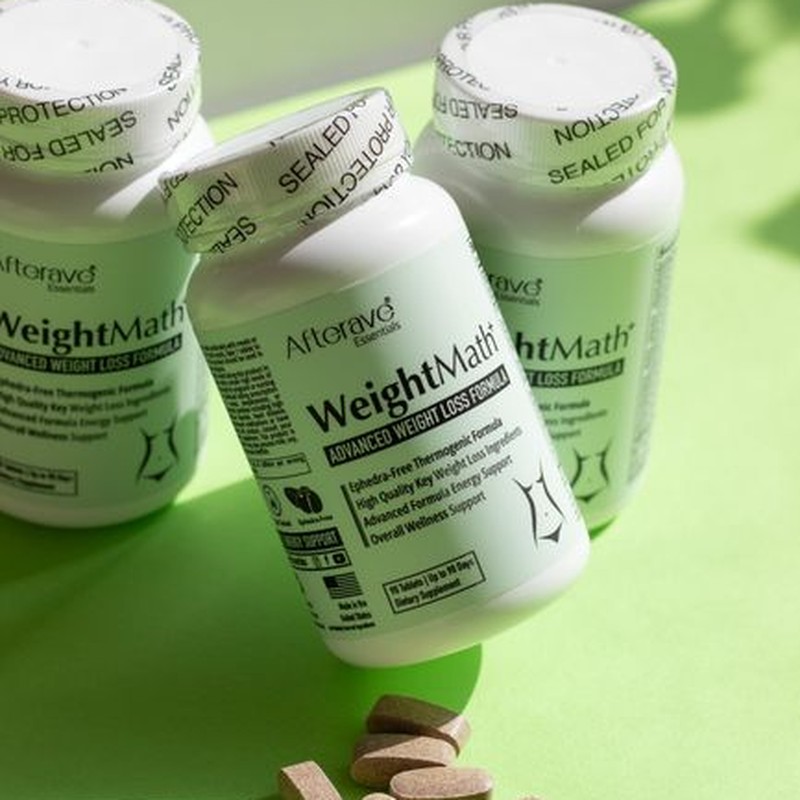
Labels blend two different numbers and most shoppers never notice. The front of a bottle reads Magnesium Glycinate 1,000 mg. The Supplement Facts panel reads Magnesium 140 mg. Both numbers are honest. The 1,000 mg is the weight of the entire chelated compound. The 140 mg is the elemental magnesium your body can actually put to work.
Oxide runs the same trick in reverse. A 500 mg capsule of magnesium oxide delivers around 300 mg of elemental magnesium because oxide carries a lot of magnesium by weight. It also barely dissolves and barely absorbs. Cheap oxide looks like a deal until you realize you bought an expensive laxative with a small magnesium bonus attached.
When you compare brands, compare the elemental magnesium number and the price per 100 mg of it. Everything printed on the front of the bottle is marketing.
Food covers this for most people
- Pumpkin seeds, 1 ounce: 156 mg
- Almonds, 1 ounce: 80 mg
- Cooked spinach, half cup: 78 mg
- Black beans, 1 cup: 120 mg
- Edamame, 1 cup: 99 mg
- Dark chocolate, 1 ounce at 70%: 64 mg
A spinach and black bean bowl with a handful of pumpkin seeds on top puts you close to the RDA without touching a pill. The RDA sits at 400 to 420 mg for men and 310 to 320 mg for women, and it creeps up if you train hard, sweat a lot, or live somewhere hot.
What I would actually buy
For sleep and cramps: magnesium glycinate. It absorbs well, it is gentle on the gut, and the glycine part is mildly calming for plenty of people. Start around 200 mg elemental an hour before bed. Give it a full week before you judge it or increase the dose.
For general daily intake, or if you lean constipated: magnesium citrate. Just know that 300 mg of elemental citrate will send some people to the bathroom within an hour. Split it into two doses if that happens to you.
Magnesium oxide? Buy it if you want a cheap laxative and nothing more.
The tolerable upper limit for supplemental magnesium is 350 mg per day for adults, and that ceiling applies to pills, not food. Going above it mostly buys diarrhea. In people with kidney disease it can be genuinely dangerous, so if your kidney function is compromised, talk to a physician before supplementing at all.
One practical move before you spend anything: pull up current listings on Amazon and read the Supplement Facts panel, not the front label. Then come back and tell me in the comments which form you landed on and what dose actually changed your sleep or your cramps.
Magnesium for Sleep: Who Actually Benefits and What the Studies Show
I’ve had clients swear magnesium knocked them out in half an hour. I’ve had just as many tell me it did nothing except send them to the bathroom. Both stories are real, and the research reflects that split. Magnesium isn’t a sleeping pill. It’s a nutrient that helps some people in some situations, and figuring out whether you’re one of them takes a little honest self-assessment.
The study everyone cites is a 2012 trial in older adults with insomnia. Participants took 500 mg of magnesium daily for eight weeks. They fell asleep slightly faster, slept longer, and scored better on sleep efficiency. Then you look at the methods. Only 46 people, and nobody was blinded. Every participant knew they were taking magnesium, and placebo is genuinely powerful for sleep. So the results are interesting, not conclusive.
Why might it work at all? Magnesium helps regulate the nervous system. It acts on GABA receptors, which function like brakes on your brain’s alertness, and it plays a role in melatonin regulation. The catch is that if your magnesium levels are already normal, extra probably won’t do much. Your body keeps magnesium in a fairly tight range, and surplus gets excreted. Sometimes it also pulls water into your intestines on the way out, which is why cheap oxide pills have a reputation.
So who tends to notice a difference?
- Older adults, since absorption declines with age
- Heavy sweaters and athletes training in heat, because you lose magnesium in sweat
- People who eat mostly processed food and skip leafy greens, nuts, seeds, and beans
I’ve watched endurance athletes who sweat through three shirts on a long ride report better sleep within a week of starting magnesium. Same supplement, same dose, given to clients who eat well and just have occasional insomnia? Nothing measurable. That pattern matches the research pretty closely.
If you want to test it, form and dose matter. Glycinate and citrate are the two worth considering. Glycinate is gentler on the stomach; citrate is cheaper and works fine for most people but can cause loose stools at higher doses. Aim for 200-400 mg of elemental magnesium about 1-2 hours before bed. Read the label carefully here, because a bottle that says “500 mg magnesium glycinate” often delivers far less elemental magnesium than that.
Start at 200 mg for a week. If you tolerate it and nothing changes, try 300 mg, then 400 mg. Jumping straight to 500 mg is a reliable way to spend the night on the toilet, and diarrhea is not a sleep aid.
Don’t expect a knockout pill. Magnesium is a nudge, not a sledgehammer. If you’re running low, it might help you fall asleep faster and wake less often. If you’re not, you’re mostly buying expensive urine. The only way to know is to track it. Log bedtime, wake time, how many times you woke up, and how you felt in the morning for two weeks before you start, then two weeks while taking it. I use a notes app on my phone; it takes about 10 seconds each morning.
One more thing. If you’re taking magnesium and still sleeping badly, look at the rest of your day first. Caffeine at 3 PM, screens until midnight, and hard intervals at 8 PM will wreck your sleep far more than any supplement can rescue. I’ve had clients write off magnesium as useless, then admit they were drinking cold brew at 4 PM and scrolling in bed. Fix those three habits before you spend another dollar.
If you do want to try it, check current prices on Amazon, where glycinate is the most popular pick for sleep. And if you’ve already run this experiment on yourself, drop your experience in the comments. Did it help, or was it a bust?
Muscle Cramps and Magnesium: Separating Science from Supplement Marketing
It’s minute 78 of a long run, or the last set of heavy squats, and your calf locks up like a fist. Someone yells that you need electrolytes. You limp to the car and start Googling magnesium. Been there. I once walked the final two miles of a half marathon because both hamstrings were firing off like faulty wiring.
The electrolyte story has been repeated so often that almost nobody questions it. Sweat out salt, lose sodium and magnesium, muscles cramp. Drink a sports drink, problem solved. It sells a lot of powder. The research is messier than the marketing.
What the evidence actually says
Exercise-associated cramps usually aren’t a mineral shortage. The leading explanation in sports science is neuromuscular fatigue. When a muscle works hard and repeatedly, the reflexes controlling it get scrambled. Muscle spindle activity ramps up, inhibitory signals from the Golgi tendon organ drop off, and alpha motor neurons keep firing. You end up with a sustained involuntary contraction in a muscle that was already exhausted.
That theory explains what the salt story can’t. Cramps hit the specific muscle doing the work, not the whole body. They cluster at the end of long or intense efforts. They show up in the heat and in the cold. And they tend to hit people who are undertrained for that particular load, not simply people who sweat heavily.
The supplement evidence is thin too. A 2017 review of magnesium for cramps in athletes and pregnant women found little support for prevention. Later Cochrane reviews landed in about the same spot for adults with leg cramps. In placebo-controlled trials, magnesium and sugar pills produce similar cramp frequency. Not a ringing endorsement for the bottle in your cabinet.
One study detail changed how I think about this entire category. In lab settings, a small swallow of pickle juice shut down cramps in roughly 85 seconds. Fluid and sodium cannot reach your muscles that fast. The working explanation is a neural reflex: the sharp, sour taste in your mouth and throat triggers a signal that calms overactive motor neurons. Mustard and vinegar shots likely work the same way. It’s a nervous system hack, not a mineral fix.
When magnesium is worth taking
Magnesium is essential, and real deficiency causes real cramps. The question is how often healthy, well-fed trainees are actually deficient. Not often.
You’re more likely to run low if you:
- Take diuretics or certain proton pump inhibitors for reflux
- Have a GI condition like Crohn’s or celiac that limits absorption
- Drink heavily or have poorly controlled diabetes
- Have kidney issues or a diagnosed condition like hypomagnesemia
- Eat very little of the foods that carry it: nuts, seeds, leafy greens, beans, whole grains, dark chocolate
If you fall into one of those groups, magnesium isn’t marketing fluff. It belongs in the conversation, preferably after a blood test instead of a guess. Low magnesium rarely shows up as cramps alone. Twitching, tingling, fatigue, and palpitations usually tag along.
Form matters if you decide to try it. Glycinate and citrate absorb reasonably well. Oxide is cheap and popular but poorly absorbed, and it mostly pulls water into your gut, which is why it doubles as a laxative. A typical dose is 200 to 400 mg of elemental magnesium per day, taken with food if it upsets your stomach. Skip high doses if you have kidney disease unless a doctor clears it.
What to do when a cramp hits
Forget the pill for a minute. Acute cramps respond to things you can do in seconds:
- Stretch the cramping muscle and hold it 20 to 30 seconds. For a calf, that means a straight-leg wall stretch with the heel down.
- Contract the opposite muscle group. Squeeze your shin muscles hard to cramp the calf’s antagonist and help it release.
- Sip pickle juice, mustard, or a splash of vinegar. A small amount is enough, and it works fast.
- Back off the intensity for the rest of the session and hydrate.
Prevention is where the real wins live, and it’s boring. Add training volume gradually instead of jumping 40 percent in a week. Sleep more than you think you need. Warm up properly. If you’re a heavy, salty sweater, pay attention to sodium. Sweat sodium concentration varies wildly between people, from a few hundred milligrams per liter up to well over 1,500. The person with white salt rings on a black t-shirt needs far more sodium than the person next to them drinking plain water.
You can get a rough read on your own sweat without a lab. Weigh yourself before and after an hour-long session, note how much you drank, and check your clothes for white streaks. A proper sweat test with patches gives you an actual number, which matters if you cramp during long events and want a fluid plan you can trust.
Here’s the part I’d push back on hardest: buying magnesium before you’ve looked at your training load, your sleep, and your medication list. I’ve watched people spend $40 a month on capsules while sleeping five hours a night and adding 30 miles a week to their running. The cramps kept coming. When they fixed the schedule and the sleep, the cramps faded. The supplement was just draining a bank account.
If cramps are frequent, disruptive, or come with weakness or numbness, see a doctor before you buy anything. Rule out medication side effects, circulation problems, and thyroid issues first. Once that’s clear and you still want to experiment, check current prices on Amazon so you’re not overpaying for a fancy label, and drop a comment below with what actually worked for you. Other trainees’ real-world reports beat any marketing copy.
How to Use Magnesium for Recovery Without Wasting Money or Risking Side Effects
You read the studies, bought a bottle, took it for a week, and felt nothing. That happens a lot. Magnesium is not a magic bullet, and if you’re not actually short on it, adding more won’t do much. But if you are running low, fixing it can genuinely change how you sleep and how often your calves seize up at 2 a.m. The difference between those two outcomes is almost entirely about how you dose it.
Start with the numbers. Adults need 310 to 420 mg of magnesium per day from food. That’s food, not pills. The tolerable upper limit for supplemental magnesium is 350 mg per day for most healthy adults. Cross that line and you’re negotiating with your digestive tract. If your diet is already decent, the honest answer is that you may only need a small top-up, or none at all.
Food first, every time. It’s easier than most people assume:
- 1/2 cup pumpkin seeds: about 150 mg
- 1 cup cooked spinach: about 157 mg
- 1 cup black beans: about 120 mg
- 1 oz almonds: about 80 mg
- 1 square dark chocolate: about 50 mg
Stack a few of those across a day and you’re at 400 mg without swallowing a single capsule. I started throwing pumpkin seeds into my morning yogurt and a fistful of spinach into my post-lifting shake. That covered most of my daily intake, and it cost me less than the supplement did.
If you still want to supplement — and plenty of hard-training people do — split the dose. Four hundred milligrams at once is a recipe for a bad afternoon. Try 200 mg twice a day, morning and evening. If sleep is your target, 200 mg roughly an hour before bed is a reasonable starting point. Glycinate and malate are the gentler forms; citrate and oxide are the ones that send you running for the bathroom. I ran 200 mg of glycinate before bed for two weeks. Nothing for the first several nights, then around day ten I was falling asleep faster and waking up less. That’s one person’s result, not a study, so treat it as a data point rather than a promise.
Give it a real trial, then cut it loose if it fails. Two weeks for sleep, four weeks for cramps. If nothing has changed after that window, stop buying it. I’ve watched people take magnesium for eight months with zero benefit and never question it. That’s just a subscription to expensive urine.
Interactions are the part people skip, and they matter. Magnesium binds to certain drugs and drags them out before they’re absorbed. The big ones:
- Tetracycline antibiotics like doxycycline
- Fluoroquinolones like ciprofloxacin
- Bisphosphonates for bone density
Separate magnesium from any of those by at least two hours. If you take thyroid medication, a diuretic, or a proton pump inhibitor like omeprazole, check with your doctor or pharmacist first. PPIs and diuretics can deplete magnesium over time, so you may need to supplement — but you want that decision made with your prescription list in front of you, not from a blog post.
Red flags worth memorizing. Loose stools mean your dose is too high or your form is too harsh — drop it or switch. Nausea, dizziness, or an irregular heartbeat means stop and call a doctor. And if you have kidney disease, do not supplement without medical supervision. Your kidneys clear magnesium, and when they aren’t filtering well, levels can climb into dangerous territory.
One last reality check: magnesium won’t rescue a five-hour sleep schedule or a diet built on fast food. If you’re slammed with stress and training volume and sleep is an afterthought, no mineral is going to paper over that. But if you eat reasonably well, sleep okay, and still get calf cramps mid-run or wake up at 3 a.m. for no reason, it’s a cheap experiment worth running.
Ready to try it? Check current prices on Amazon to compare forms and brands — glycinate or citrate from a company with third-party testing is where I’d start. Then come back and share your experience in the comments. Did it change your sleep? Your cramps? Did it do absolutely nothing? Either answer helps the next person decide whether to spend the money.