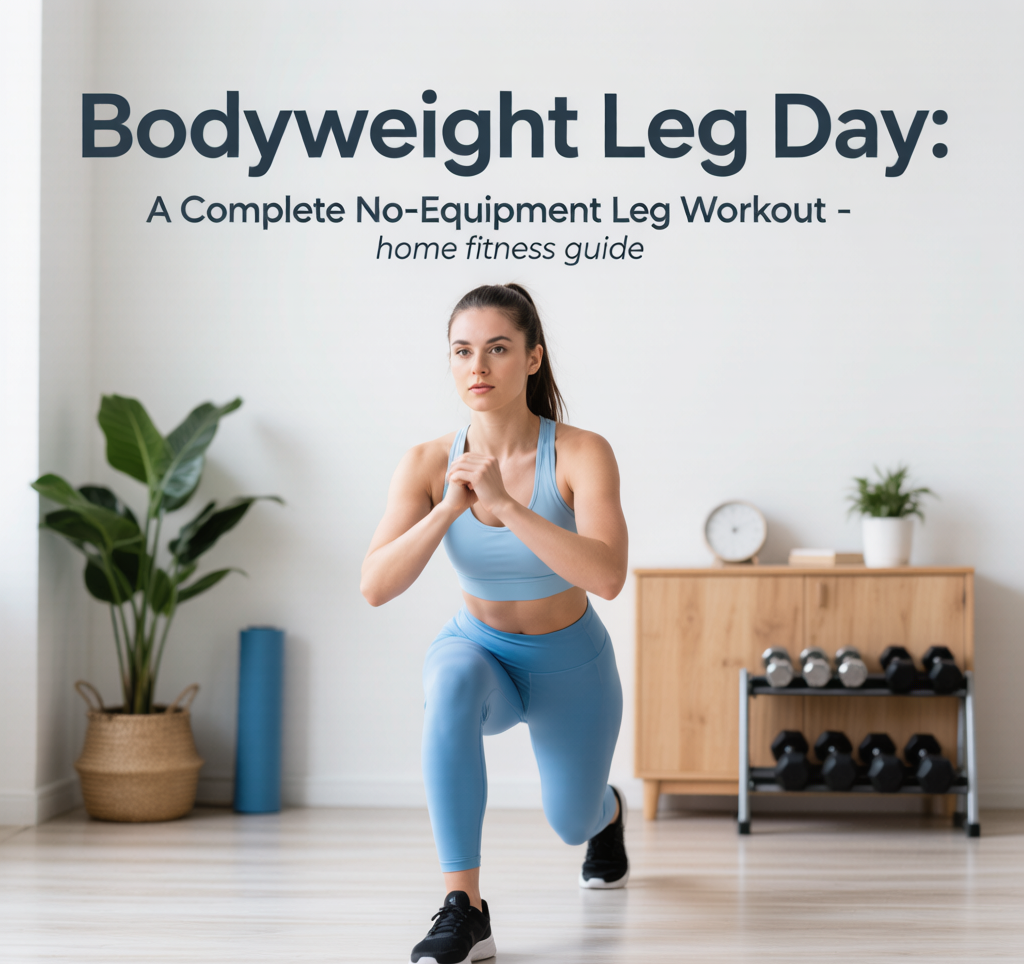
Bodyweight Leg Day: A Complete No-Equipment Leg Workout
By Liam Smith — Fitness enthusiast and founder of Apexfito. I test gear at home and share what actually works.
Why Bodyweight Leg Day Works
I used to think leg day meant barbells and a squat rack. But after months of traveling with no gym access, I learned something: your legs are built for endurance. They carry you all day. Bodyweight squats and lunges hit them with high reps and controlled tempo — and that alone can build real strength. Harvard Health notes that keep your back straight and lower your hips until your thighs are parallel to the floor.
No equipment means zero excuses. You can train legs anywhere — your living room, a hotel room, a park. I’ve done this workout in a tiny apartment with barely room to extend my arms. It works. Focus on form and tension, and you’ll still see progress.
Bodyweight moves also improve balance and mobility. Gym machines lock you into a fixed path. A walking lunge forces your core to stabilize, your hips to open, your ankles to adapt. That carries over to daily life: carrying groceries, playing with kids, getting up from a low chair. You move better.
Progressive overload still applies. You don’t need more weight. Here’s how to keep challenging your legs:
- Increase reps — go from 10 to 15 to 20 per set
- Slow down the eccentric — take 3–4 seconds to lower in a squat
- Add unilateral variations — switch from squats to Bulgarian split squats
- Reduce rest time between sets
I’ve seen people double their squat reps in four weeks just by being consistent with these methods. That’s real progress. So if you’ve been skipping leg day because you don’t have equipment, stop. This bodyweight leg day is all you need to start building strength, balance, and mobility — right now, right where you are.
Check current prices on Amazon for a good mat or resistance band if you want to add variety later, and drop a comment below to share how your first bodyweight leg day went.
The Warm-Up: Get Your Legs Ready to Move
Before you start squatting and lunging, you need to wake up your legs. A good warm-up does two things: it raises your heart rate and gets blood flowing to your muscles, and it takes your joints through their full range of motion. I’ve skipped warm-ups plenty of times when I was short on schedule, and every single time I regretted it halfway through the workout. So take these five minutes seriously.
Start by marching in place for 30 seconds. Keep it light and easy — just lift your knees to hip height and swing your arms naturally. Then bump it up to 30 seconds of high knees. Don’t worry about speed; focus on bringing each knee up toward your chest. This simple move increases blood flow to your quads, hamstrings, and hip flexors.
Now open up your hips. Stand next to a wall or a chair for balance if you need it. Do 10 leg swings forward and backward with your right leg, then switch to your left. After that, face the wall and swing each leg side to side — 10 per leg. These swings loosen up your hip joints and remind your glutes and adductors how to move freely.
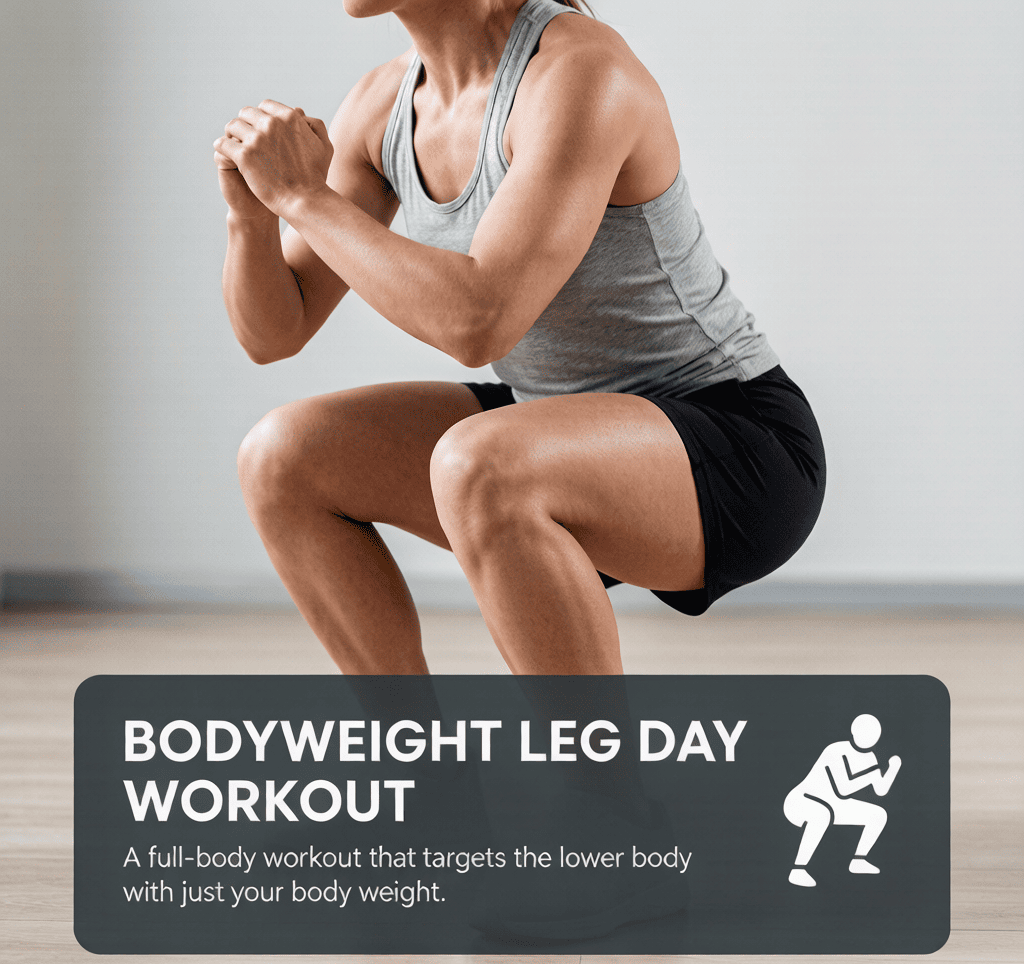
Time to activate your glutes and quads. Do 10 bodyweight squats, but take a full three seconds to lower yourself down. Count “one Mississippi, two Mississippi, three Mississippi” as you descend, then stand back up at a normal pace. This slow eccentric puts your muscles under tension and fires up the neuromuscular connection. You’ll feel your glutes working before you even start the real work.
Finish with 5 walking lunges per leg — no weight, just your body. Step forward, lower your back knee toward the floor, and push through your front heel to stand. These lunges rehearse the exact movement pattern you’ll use in the main workout, so your body already knows what to expect. If you have tight hip flexors, this is where you’ll feel it most. That’s a good sign — it means you’re opening up.
That’s it. Five minutes, five moves, and your legs are ready to go. Don’t skip this step. Your knees and lower back will thank you later.
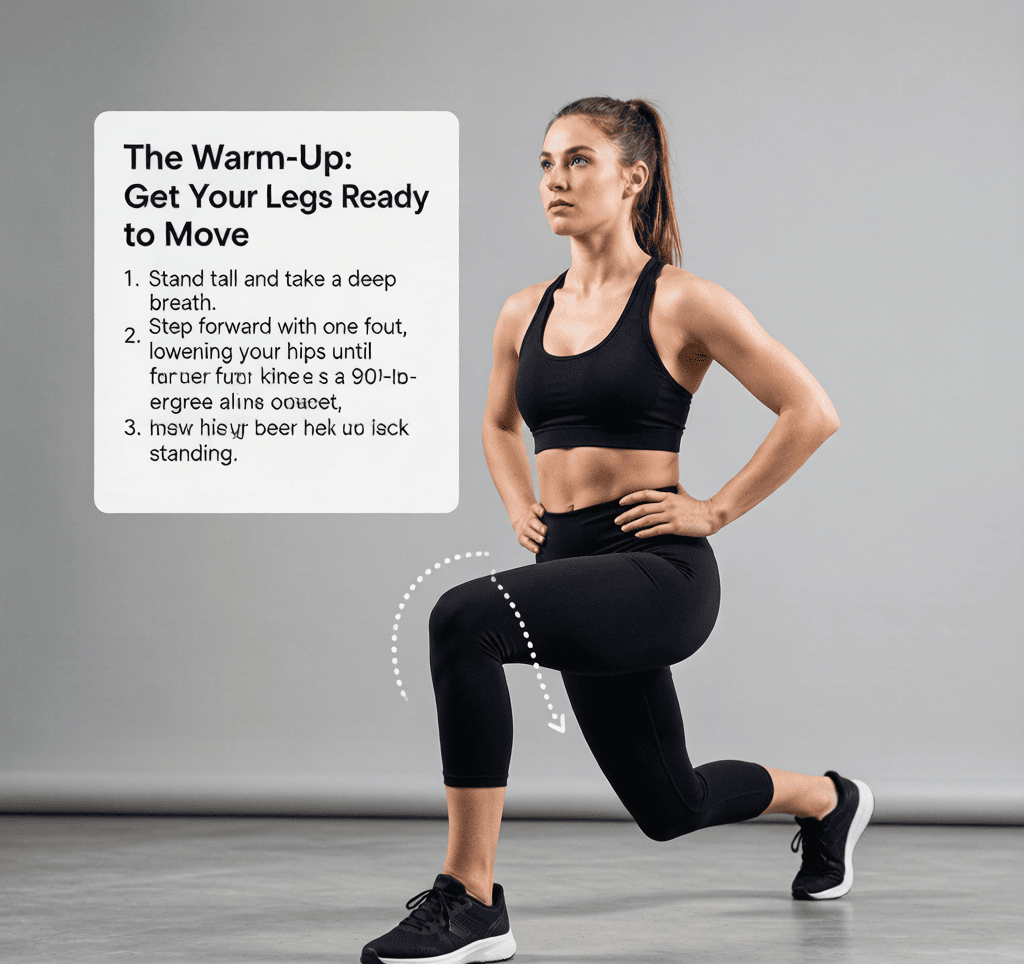
The Main Workout: 6 Moves for a Complete Leg Day
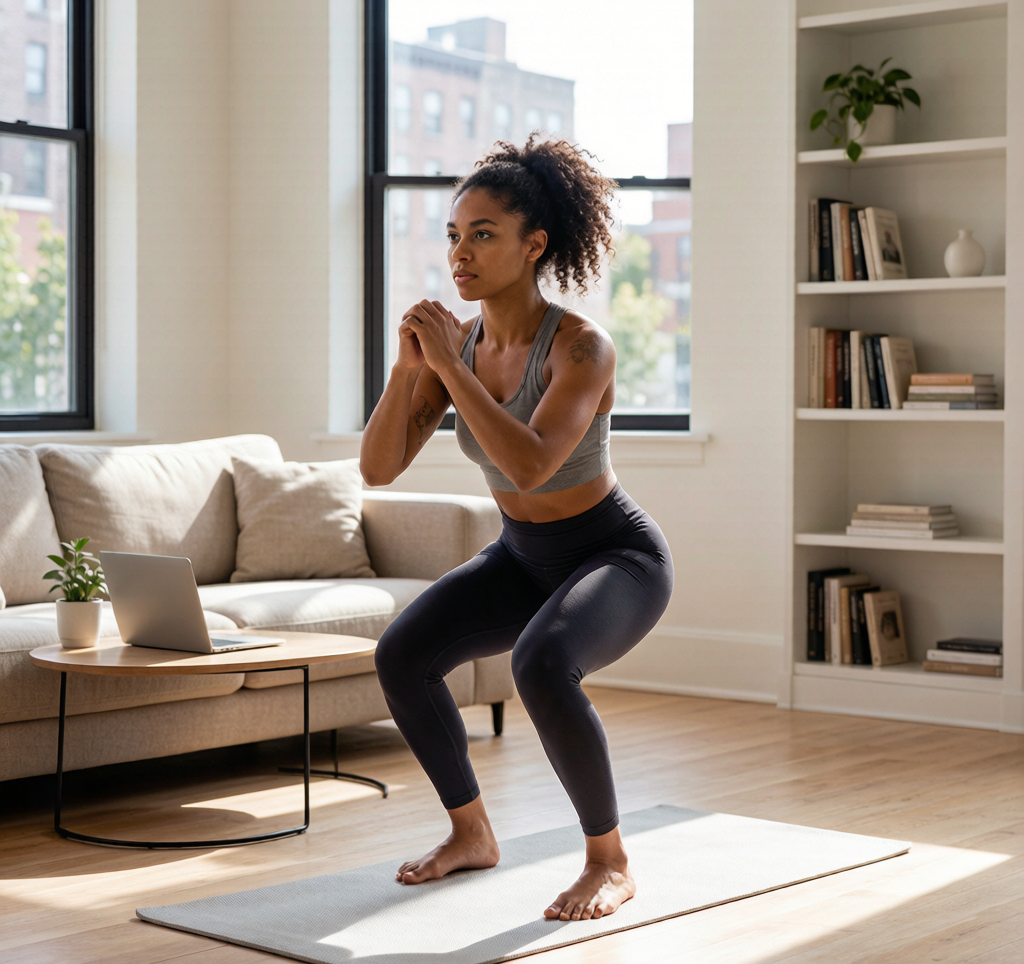
This workout hits every major muscle in your lower body—quads, hamstrings, glutes, and calves—using just your bodyweight. I’ve used this exact routine on days when I couldn’t get to the gym, and it delivers a serious burn. Perform these moves in order, resting as indicated. Aim to complete this circuit twice per week, with at least 48 hours between sessions.
1. Bodyweight Squat
Sets: 3 | Reps: 15–20 | Rest: 45 seconds
Stand with your feet shoulder-width apart. Lower your hips back and down as if sitting in a chair. Keep your chest up and your knees tracking over your toes—don’t let them cave inward. Drive through your heels to return to standing. If 20 reps feel easy, slow down the descent to three seconds. That extra time under tension makes a big difference.
2. Reverse Lunge
Sets: 3 | Reps: 10–12 per leg | Rest: 45 seconds
Step one foot back, lowering your back knee toward the floor. Your front thigh should end up parallel to the ground. Push through your front heel to stand back up. I prefer reverse lunges over forward lunges because they’re easier on the knees. If you feel unstable, hold onto a wall or chair for balance.
3. Glute Bridge
Sets: 3 | Reps: 15–20 | Rest: 30 seconds
Lie on your back with your knees bent and feet flat on the floor, hip-width apart. Press your heels into the ground and lift your hips toward the ceiling. Squeeze your glutes at the top and hold for one second. Lower slowly. This move targets your posterior chain—glutes and hamstrings—which often gets neglected in bodyweight leg workouts.
4. Side-Lying Leg Raise
Sets: 2 | Reps: 12–15 per leg | Rest: 30 seconds
Lie on your side with your legs stacked. Lift your top leg as high as you can without rotating your hips forward or backward. Keep your toes pointed forward. This isolates the glute medius, a small but important muscle for hip stability. I noticed better balance in my squats after adding this move regularly.
5. Calf Raise
Sets: 3 | Reps: 20–25 | Rest: 30 seconds
Stand on the edge of a step or a thick book with your heels hanging off. Lower your heels below the step, then rise up onto your toes as high as you can. Pause at the top for a second. If you don’t have a step, do them on flat ground but focus on a full range of motion. Your calves will thank you.
6. Wall Sit
Sets: 2 | Time: 30–45 seconds | Rest: 30 seconds
Lean against a wall and slide down until your thighs are parallel to the floor. Keep your back flat against the wall and your knees directly above your ankles. This is an isometric finisher for your quads. If 30 seconds feels too easy, hold a weight (like a water jug) against your chest, or extend one leg out for a single-leg wall sit.
How to Progress
Once you can complete all sets and reps with good form, increase the difficulty by adding more reps, slowing down the movement, or reducing rest time. For example, drop rest from 45 seconds to 30 seconds. Another option: combine two moves into a superset—squats immediately followed by glute bridges—to keep your heart rate up.
I’ve used this workout for months without equipment and still felt my legs getting stronger. Stick with it, and you’ll see results. If you’re looking for gear to level up, check current prices on Amazon for a basic yoga mat or resistance bands. And let me know in the comments how this workout felt for you.
How to Progress Your Bodyweight Leg Workout
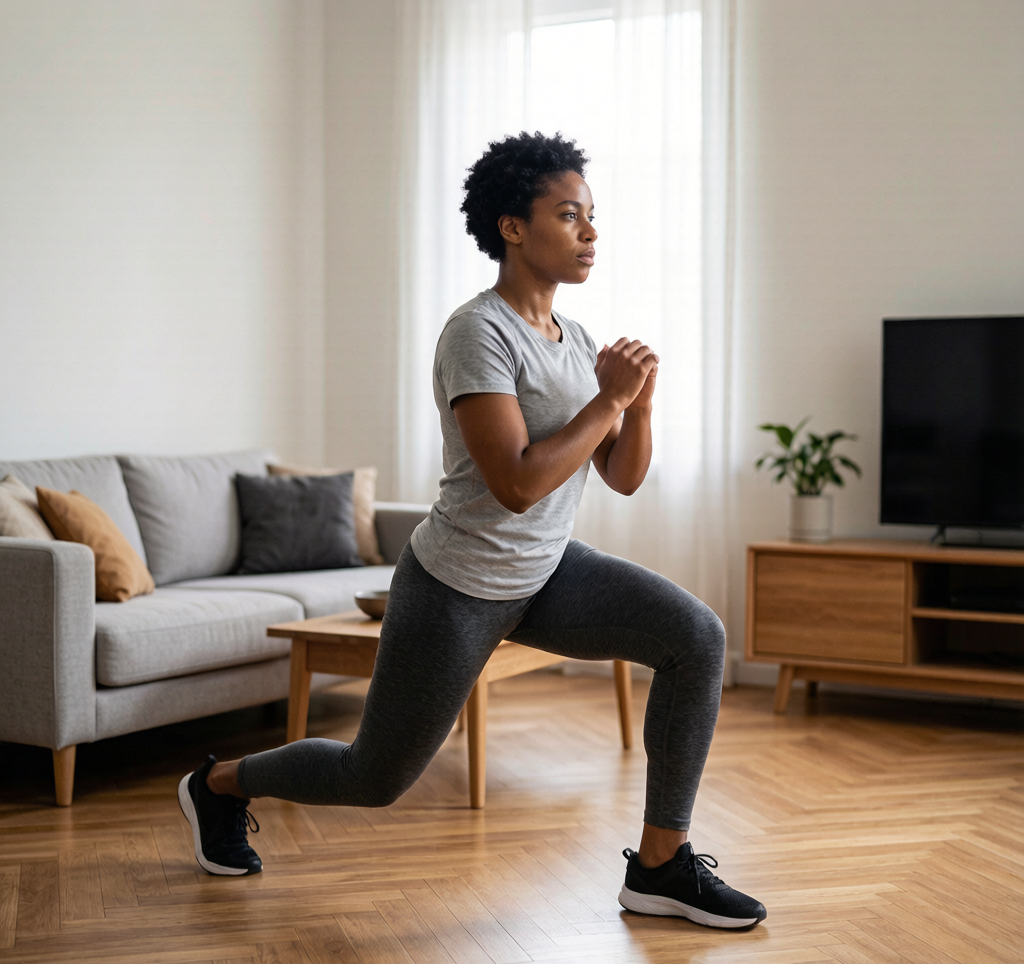
Once you can finish the basic workout without stopping, it’s time to push harder. You don’t need weights—just these four levers. I’ve used them all at home, and they work.
1. Increase Reps Gradually
Add 2–3 reps per set each week. If you’re doing 3 sets of 10 squats, aim for 12 next week, then 15. Once you hit 20 reps per set, switch to a harder variation like jump squats or a pistol squat progression.
2. Slow Down the Eccentric
Take 3–4 seconds to lower yourself in squats and lunges. More time under tension builds strength without any gear. I tried this on lunges and my quads were sore the next day—in a good way.
3. Go Unilateral
Single-leg moves double the challenge per leg. Try Bulgarian split squats with your back foot on a chair, or single-leg glute bridges. Your balance and strength will improve fast.
4. Reduce Rest Time
Cut rest from 45 seconds to 30 seconds, then to 20 seconds. This boosts endurance and metabolic stress. Your legs will burn more, but that’s the point.
Try one progression per week. Track your reps and rest times. If you stall, back off a step and build again. Share your experience in the comments—I’d love to hear what works for you. And if you’re shopping for gear, check current prices on Amazon for resistance bands or a yoga mat to complement your bodyweight work.
Recovery, Frequency, and How to Pair with Cardio
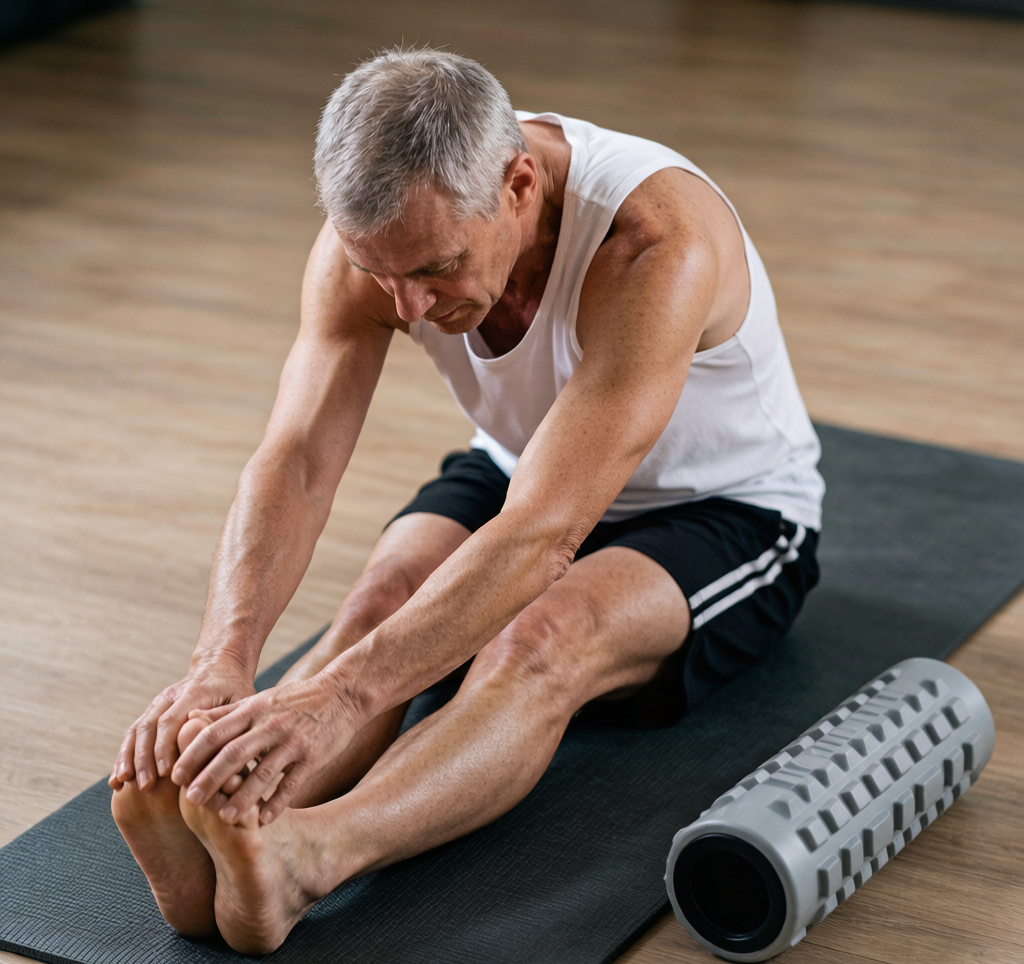
Getting stronger isn’t just about the work you put in during the workout—it’s about what you do the other 23 hours of the day. Your legs need time to repair and rebuild after a bodyweight session. I’ve found that doing this workout 2–3 times per week on non-consecutive days hits the sweet spot for progress without burnout. Give your legs at least 48 hours between sessions. That means if you crush it on Monday, aim for Wednesday or Thursday as your next leg day.
On your off days, don’t just sit on the couch. Low-impact cardio like walking, cycling, or swimming for 20–30 minutes can actually speed up recovery by increasing blood flow to your muscles. I personally love a brisk 25-minute walk on my rest days—it loosens up my hips and keeps me moving without adding fatigue.
If you’re a runner, timing matters. Schedule your leg workout after your run or on a completely separate day. Running before leg day can pre-fatigue your quads and glutes, making it harder to hit full squat depth. I’ve made that mistake before—my squats turned into shallow half-reps. Save your legs for the workout that matters most.
After each session, stretch your quads, hamstrings, and glutes for 30 seconds each. Foam rolling your thighs and glutes can also help reduce soreness. I keep a cheap foam roller under my couch and roll out while watching TV. It makes a big difference the next morning when you’re walking down stairs.
To get the most out of this plan, pair it with a consistent schedule. Here’s a sample week:
- Monday: Bodyweight leg workout
- Tuesday: 25-minute walk or light cycling
- Wednesday: Bodyweight leg workout
- Thursday: 25-minute walk or swim
- Friday: Bodyweight leg workout
- Saturday: Active recovery (stretching, foam rolling, or a leisurely walk)
- Sunday: Rest
If you want to add upper body or core work, feel free to do those on your leg days or off days—just keep the leg sessions spaced out. And if you’re looking for equipment to level up, check current prices on Amazon for a foam roller or resistance bands. Drop a comment below and share how this schedule works for you!
Medical & Editorial Review: This article was reviewed by Liam Smith, founder of Apexfito, for accuracy and safety. Content is for educational purposes and is not a substitute for professional medical advice. Consult your physician before starting any exercise or nutrition program.