Calorie Deficit Made Simple:
By Liam Smith — Fitness enthusiast and founder of Apexfito. I test gear at home and share what actually works.
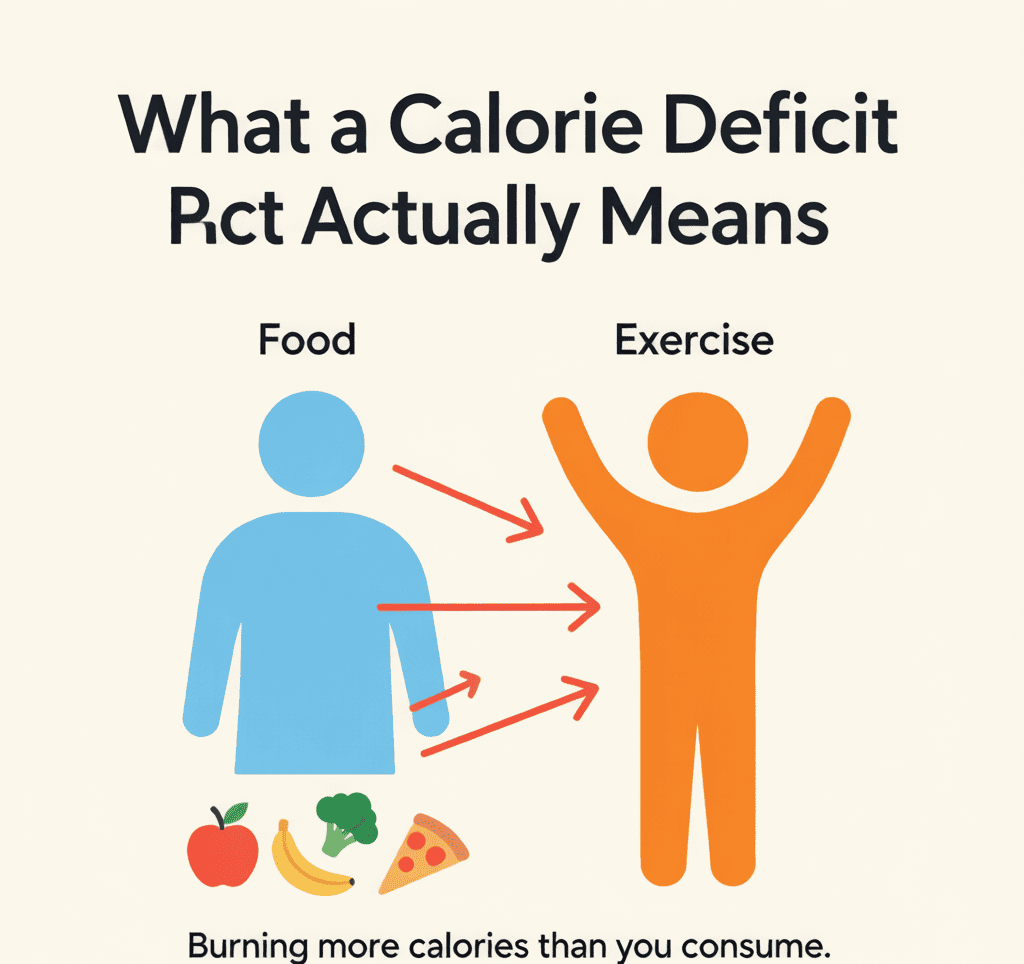
What a Calorie Deficit Actually Means
Here’s the simple truth about weight loss: a calorie deficit is not a diet trend or a starvation plan. It’s simply this — you eat fewer calories than your body burns each day. That’s it. No magic, no misery, just consistent math.
According to Harvard Health, this time-tested method is the foundation of sustainable weight loss when done safely and consistently.
Think of your body like a bank account. Calories in are deposits, calories out are withdrawals. When you withdraw more than you deposit, your body pulls from its savings — stored body fat. That’s fat loss in its most basic form.
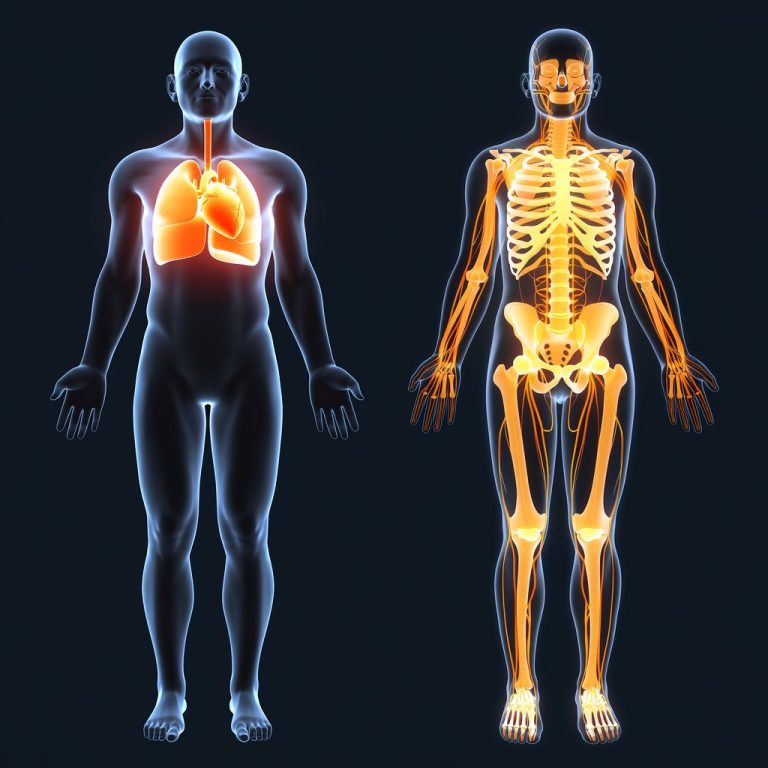
Your body burns calories all day long just to keep you alive. Breathing, pumping blood, digesting food, even thinking. Then on top of that, you burn more calories through walking, fidgeting, workouts, and everything else you do. All of that adds up to your total daily energy expenditure.
Here’s the part most people miss: you don’t need a huge deficit. A small one — 300 to 500 calories below your maintenance level — is enough to lose about half a pound to a pound of fat per week. That’s steady, sustainable progress. I’ve seen friends lose 20 pounds over six months with nothing more than cutting out one sugary coffee drink and swapping chips for an apple.
Crash diets fail because they try to create a deficit of 1,000+ calories right away. That triggers intense hunger, muscle loss, and a slowed metabolism. Your body thinks it’s starving and fights back hard. You might lose weight fast at first, but it’s mostly water and muscle — and the weight almost always comes back. I watched a coworker try a juice cleanse and drop five pounds in a week. She felt miserable, her energy tanked, and she gained it all back within a month. A real calorie deficit doesn’t feel like punishment.
Important: Before making any significant dietary changes, consult with a doctor or registered dietitian, especially if you have underlying health conditio Harvard Health notes that your metabolism determines how many calories you burn each day; building muscle can increase it. PubMed notes that protein supplementation augments muscle mass and strength gains during resistance training.ns.
So how do you create a small deficit without suffering? Start by eating the same foods you normally do, but slightly less. Swap one snack for a piece of fruit. Use a little less oil when cooking. Skip the sugary coffee drink. These tiny changes add up to that 300-500 calorie gap without leaving you hungry.
The science is straightforward: eat a bit less than you burn, and your body taps into fat stores for fuel. No magic, no misery — just consistent math. If you’re ready to put this into practice, check current prices on Amazon for a simple food scale or meal prep containers — they make tracking portions way easier. And share your experience in the comments: what small change helped you create a calorie deficit for weight loss?
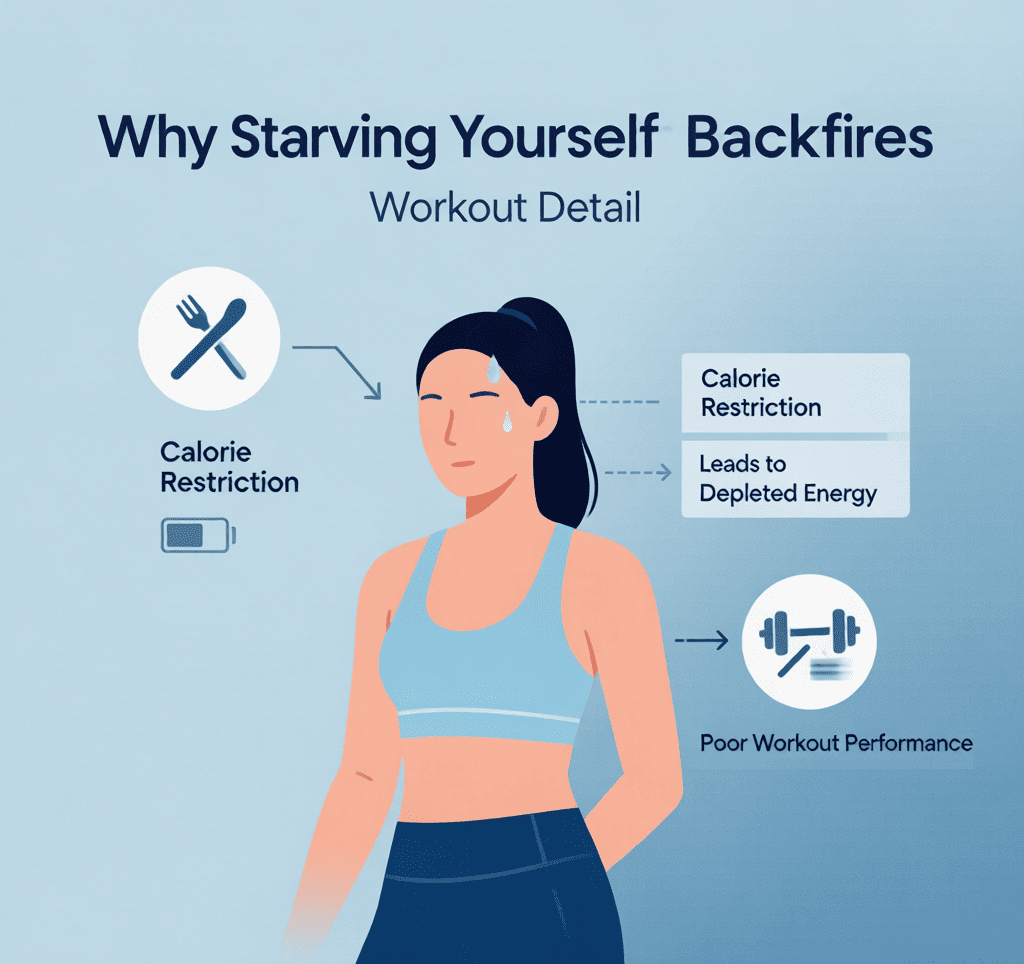
Why Starving Yourself Backfires
You might think eating as little as possible is the fastest way to lose weight. It makes sense on paper: fewer calories in, more fat out. But your body doesn’t work like a simple calculator. When you slash calories too hard, your body fights back — and it fights smart.
Severe restriction triggers survival mechanisms honed over millions of years. Your body can’t tell the difference between a voluntary diet and a famine. So it does what it’s programmed to do: it slows your metabolism to conserve energy. This is called adaptive thermogenesis. Your resting metabolic rate drops, sometimes by hundreds of calories a day, making it harder to keep losing weight and easier to regain it all when you start eating normally again.
I’ve watched this unfold with clients who came to me after crash dieting. They’d lose 10 pounds in two weeks, feel triumphant, then hit a wall. The scale wouldn’t budge, their energy crashed, and they were constantly hungry. That’s not willpower failure — it’s physiology.
Here’s what else happens when you starve yourself:
- You lose muscle along with fat. When the deficit is too big, your body breaks down muscle tissue for energy. Less muscle means a lower resting calorie burn, which makes long-term fat loss even harder.
- Hunger hormones go haywire. Ghrelin (the hunger hormone) spikes, while leptin (the fullness hormone) plummets. You feel hungrier and less satisfied after meals.
- Binges become almost inevitable. Extreme hunger leads to overeating, guilt, and shame cycles that derail progress and make you feel like a failure. You’re not — your body is just trying to survive.
The fix is simple: aim for a moderate deficit that lets you lose 0.5–1% of your body weight per week. For most people, that’s about 300–500 calories below maintenance, not 1,000 or more. This slow, steady approach preserves muscle, keeps your metabolism humming, and leaves you with enough energy to actually enjoy life.
Safety warning: Very low-calorie diets (under 1,200 calories for women or 1,500 for men) should only be done under medical supervision. They can cause nutrient deficiencies, gallstones, and heart rhythm problems. Don’t go it alone.
Practical tip: instead of slashing calories, try increasing your daily steps by 2,000–3,000, following beginner workout plans, and cutting out one high-calorie snack. That alone can create a modest deficit without the misery. Your body will thank you — and so will your sanity.
How to Create a Deficit Without Feeling Hungry
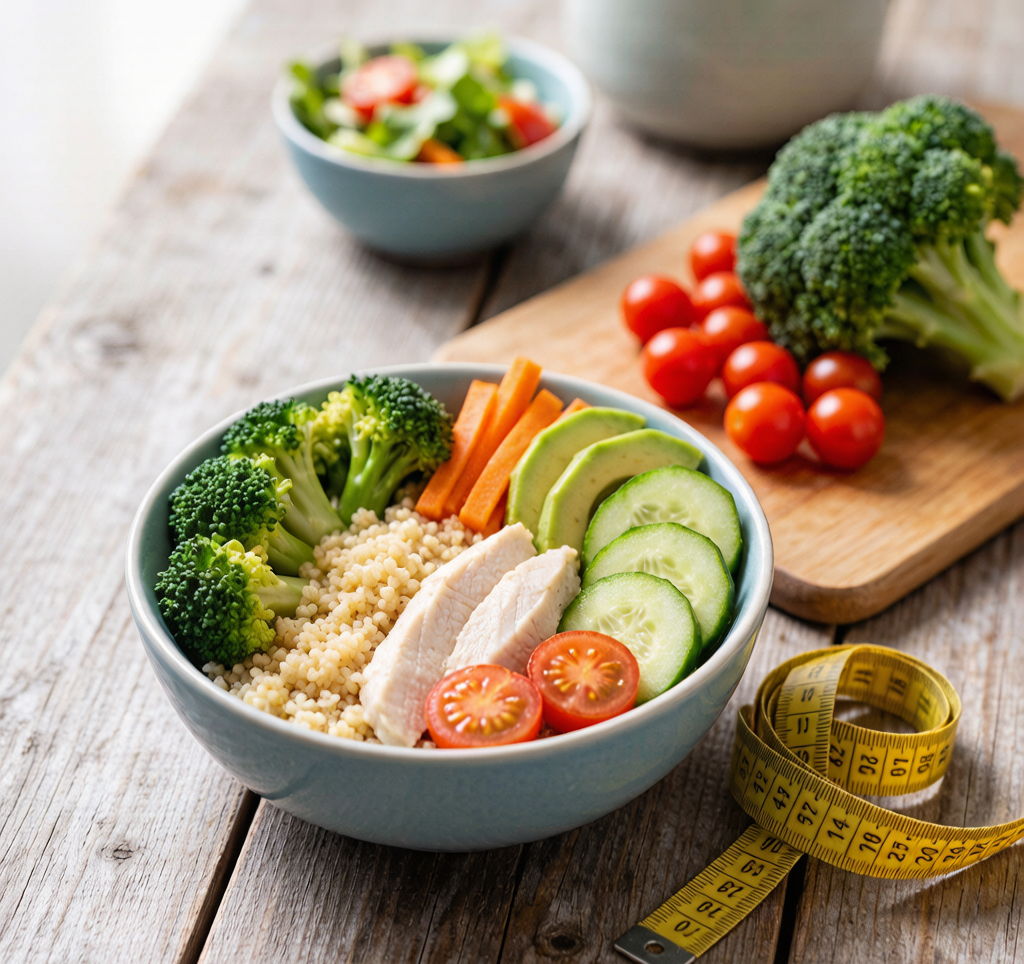
You don’t need to be hungry to lose fat. Hunger is a signal, not a requirement. The trick is to work with your biology, not against it. Here’s how to cut calories while keeping your energy up and your stomach satisfied.
Protein: Your Secret Weapon
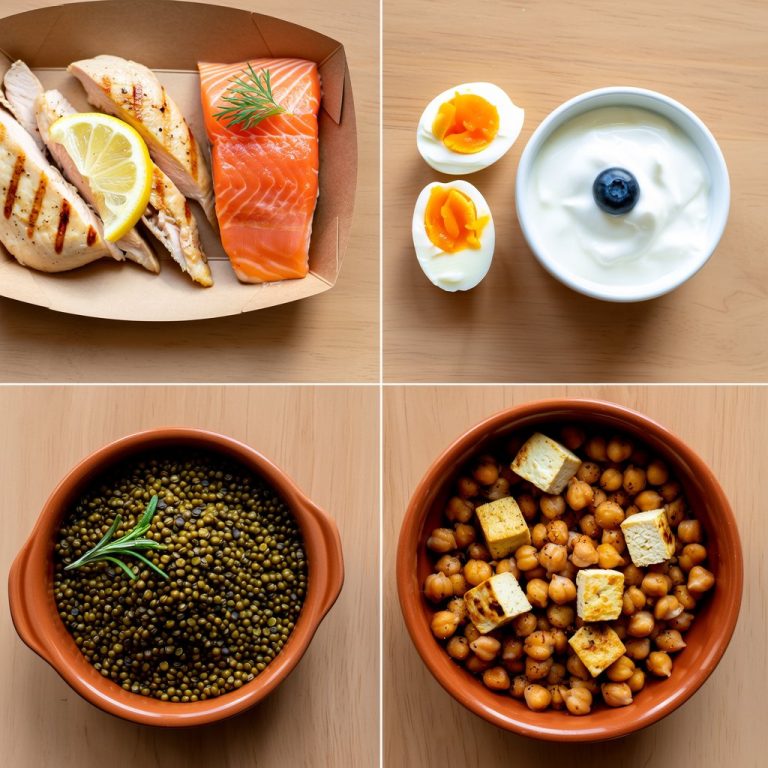
Protein is the most filling nutrient. It also helps preserve muscle when you’re in a deficit. Aim for at least 30 grams per meal. A breakfast with eggs and Greek yogurt will keep you full until lunch better than a bagel ever will. I’ve seen clients drop 500 calories a day just by swapping their morning carbs for protein — and they didn’t feel deprived.
Volume Eating: More Food, Fewer Calories
Vegetables and fiber-rich foods add bulk without many calories. A big salad with chicken, broccoli, and bell peppers can fill a dinner plate for under 400 calories. Compare that to a small burger and fries — same calories, but you’ll be hungry an hour later. I often roast a big tray of veggies with dinner—it’s an easy way to add volume without many calories.
Water Before Meals
Thirst often masquerades as hunger. Drink a full glass of water 20 minutes before you eat. You’ll eat less without thinking about it. I keep a water bottle on my desk and sip all day. When I skip it, I notice I crave snacks more.
Don’t Cut Carbs or Fat Entirely
Both carbs and fat play roles in satiety and hormone function. Carbs help with serotonin and mood; fat helps with fullness and hormone production. Include a small serving of healthy fat — avocado, nuts, olive oil — and some complex carbs like oats or sweet potatoes at each meal. Cutting either out completely leads to cravings and low energy.
Use Smaller Plates and Eat Slowly
It takes about 20 minutes for your brain to register fullness. If you scarf down a meal in 5 minutes, you’ll still feel hungry even if you ate enough. Use a smaller plate — it tricks your brain into thinking you’re eating more. Chew slowly, put your fork down between bites, and actually taste your food. I started doing this and realized I was full halfway through meals I used to finish.
Sample Day: Putting It All Together
Here’s what a day might look like using these strategies:
- Breakfast: Scrambled eggs (2 eggs, 1/4 cup Greek yogurt mixed in) with a handful of spinach and a side of berries. ~350 calories.
- Lunch: Large salad with grilled chicken (6 oz), mixed greens, cucumber, bell peppers, cherry tomatoes, and a tablespoon of olive oil vinaigrette. ~450 calories.
- Snack: Apple with a tablespoon of peanut butter. ~200 calories.
- Dinner: Baked salmon (5 oz) with a big tray of roasted broccoli, bell peppers, and zucchini tossed in a little olive oil and garlic. ~500 calories.
That’s about 1500 calories, packed with protein and volume. You’ll feel full and energized.
These strategies work because they don’t rely on willpower. They change your environment and your habits. Try one this week. Then add another. You’ll be surprised how easy it is to eat less without feeling like you’re starving.
Check current prices on Amazon for portion control plates and water bottles — they make it even easier. And share your experience in the comments below. What’s your go-to hunger hack?
Putting It All Together: Your Simple Action Plan

You now know the science behind a calorie deficit and how to protect your muscle. Here’s your five-step plan to start losing fat today—no starvation required.
Disclaimer: Always consult with a healthcare provider before starting any new diet, especially if you have underlying health conditions.
Step 1: Estimate your maintenance calories. Use a reliable online calculator (like the one from the National Institutes of Health) or track what you normally eat for a week to get your baseline. I prefer the tracking method because it accounts for your actual habits.
Step 2: Subtract 300–500 calories. That’s your daily target. If you’re active, start with 300. If you’re sedentary, go with 500. Don’t drop below 1,200 calories for women or 1,500 for men without medical supervision.
Step 3: Build your plate around whole foods. Lean proteins (chicken, fish, tofu), vegetables, fruits, whole grains (oats, quinoa, brown rice), and healthy fats (avocado, nuts, olive oil). This keeps you full and provides the nutrients your body needs.
Step 4: Track your food for a few weeks. Use an app like MyFitnessPal or Cronometer. It feels tedious at first, but you’ll quickly learn portion sizes. After two to three weeks, you can ease off and rely on eyeballing.
Step 5: Weigh yourself weekly and adjust. Fat loss isn’t linear. Some weeks you’ll drop a pound, others you’ll stay flat. If you haven’t lost anything in two weeks, drop your calories by 100 more. If you’re losing more than two pounds per week, add 100 calories to slow it down.
That’s it. No gimmicks, no extreme cuts. Just consistent, small changes that add up.
Remember, this is your journey—not a race. Be kind to yourself on the tough days. Sustainability matters more than speed. You’ve got the tools and the knowledge. Now it’s about showing up, one day at a time.
If you’re looking for a fully structured approach, our beginner fat loss plan combines everything you’ve learned here into a step-by-step program.
Check out food scales and meal prep containers on Amazon to make tracking easier. And let us know in the comments: what’s your biggest challenge with staying in a deficit?
Medical & Editorial Review: This article was reviewed by Liam Smith, founder of Apexfito, for accuracy and safety. Content is for educational purposes and is not a substitute for professional medical advice. Consult your physician before starting any exercise or nutrition program.


5 Comments