Understanding Your Metabolism:
By Liam Smith — Fitness enthusiast and founder of Apexfito. I test gear at home and share what actually works.
What Is Metabolism, Really?

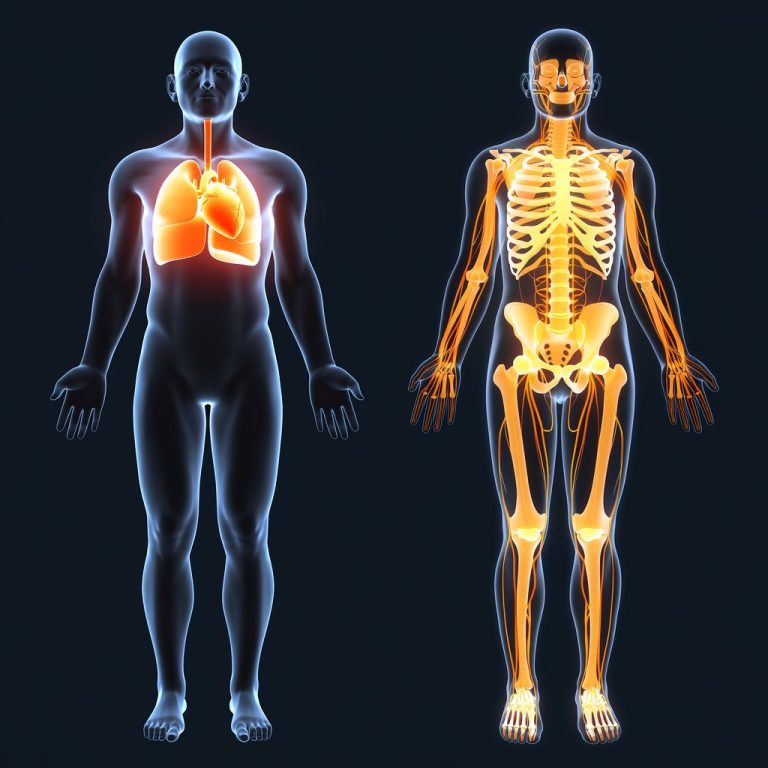
Here’s what metabolism actually is: the total of every chemical process your body runs to keep you alive—breathing, repairing cells, digesting food, moving your muscles. Think of it as your body’s total energy bill. Harvard Health notes that your metabolism determines how many calories you burn each day; building muscle can increase it.
Most of that bill—about 60 to 75 percent—goes to your basal metabolic rate (BMR). That’s the energy your body burns just lying still. Your BMR is mostly determined by three things you can’t fully control: how much lean mass you carry, your age, and your genetics. Muscle tissue burns more calories at rest than fat tissue, so someone with more muscle naturally has a higher BMR.
I’ve had clients swear they have a ”slow metabolism” because they gain weight eating the same amount as their friend who stays lean. But when we actually tracked their food intake and daily movement, the picture changed. The friend who stays lean wasn’t eating more—they were moving more without thinking about it. That’s NEAT (non-exercise activity thermogenesis): all the fidgeting, walking to the car, standing while talking, and small movements that add up over a day. Differences in NEAT can account for 100 to 800 calories burned per day between two people of the same size.
Crash diets are the real enemy here. When you slash calories too low, your body adapts by dropping your BMR by 15 to 30 percent. That’s metabolic adaptation—your body trying to conserve energy because it thinks food is scarce. This is why rapid weight loss often stalls and why regain is so common. Your body isn’t broken; it’s just responding to starvation signals.
So what can you actually do? Focus on preserving or building muscle through resistance training. Eat enough protein to support that muscle. Avoid extreme calorie cuts—aim for a modest deficit of 300–500 calories per day. And pay attention to your NEAT: park farther from the store, take the stairs, stand while you work. These small choices add up.
If you’re tired of guessing and want a tool that helps track your progress, check current prices on Amazon for a reliable food scale or fitness tracker. And share your experience in the comments—what’s worked for you when dealing with a stubborn plateau?
The Real Drivers of Metabolic Rate
You’ve heard it a thousand times: “I just have a slow metabolism.” But here’s what most people get wrong—your metabolism isn’t some fixed number you’re stuck with. It’s more like a dimmer switch than an on/off button. And you have more control over it than you think.
Let’s break down what actually moves the needle.
Muscle: Your Metabolic Engine
Every pound of muscle you carry burns about 6–7 calories per day just sitting there. Fat? Only 2–3. That difference might sound small, but over a whole body, it adds up fast. Add 10 pounds of muscle through consistent resistance training, and your resting metabolism gets a permanent raise. You’ll burn more calories sleeping than you did before.
One client came to me after months of treadmill grind with zero results. We swapped two cardio sessions for heavy squats and rows. Within six weeks, her jeans fit looser—and she was eating the same amount. Muscle changed the math.
NEAT: The Hidden Calorie Burner
Non-exercise activity thermogenesis—NEAT—is all the movement you do that isn’t formal exercise. Fidgeting, standing while on the phone, pacing around the kitchen, walking to the printer. It sounds trivial, but the range between a sedentary person and a naturally fidgety one can be 300 to 800 calories a day. That’s the difference between losing a pound every week and gaining one.
Try this: set a timer to stand up every 30 minutes. Pace when you talk on the phone. Park farther from the store. These micro-movements stack up.
Here’s the thing about NEAT: it’s the easiest lever to pull because it doesn’t require a gym membership or willpower. You just move more throughout your day. That’s it.
Protein’s Thermic Effect
Digesting food costs energy. That’s the thermic effect of food (TEF). Protein demands 20–30% of its calories just to be broken down. Carbs? 5–10%. Fat? 0–3%. So when you eat 100 calories of chicken breast, your body burns 20–30 of those just processing it. You net 70–80. With butter, you net nearly all 100.
This is one reason higher-protein diets tend to work for fat loss—not just because protein is satiating, but because it literally costs more energy to digest.
Sleep: The Overlooked Metabolic Switch
One night of poor sleep can drop your resting metabolic rate by 5–20% the next day. At the same time, ghrelin—your hunger hormone—spikes. You wake up hungrier and burning fewer calories. It’s a double hit.
I tested this on myself. After a 5-hour night, I’m ravenous by 10 a.m. and my energy drags. After a solid 8 hours, I eat less without trying and my workouts feel stronger. Sleep isn’t passive recovery—it’s active metabolic regulation.
None of these factors require a complete lifestyle overhaul. Pick one—add a few protein-rich meals, stand more during your day, prioritize sleep—and watch what happens. Your metabolism isn’t broken. It’s just waiting for the right signals.
Why Weight Loss Plateaus Happen (And How to Push Past Them)
You’ve been nailing your nutrition, hitting the gym, and watching the scale drop. Then, out of nowhere, it stalls. For weeks. The frustration is real, and it’s easy to think you’ve done something wrong. But this isn’t a failure of willpower—it’s your body’s ancient survival programming kicking in.
Your Body’s Defense Mechanism
When you lose weight, your body doesn’t realize you’re aiming for a leaner physique. It interprets the calorie deficit as a famine and activates a cascade of hormonal and metabolic defenses. This is metabolic adaptation: your resting metabolic rate drops more than expected for your new, smaller size. Leptin—the hormone that signals fullness—plummets, while ghrelin, the hunger hormone, surges. You feel hungrier, more tired, and your metabolism seems to be working against you.
Here’s a concrete example: a 180-pound person who drops to 150 pounds will burn fewer calories at rest than someone who has always been 150 pounds. Your body becomes hyper-efficient, clinging to fat stores like a cautious accountant guarding a rainy-day fund.
Refeeds and Diet Breaks: Strategic Resets
One of the most effective ways to counter this is a refeed day—a planned day where you eat at maintenance calories, with a focus on carbohydrates. For a 180-pound person, that might mean consuming around 2,200 calories, with 250–300 grams coming from carbs. This isn’t a free-for-all; it’s a calculated move to boost leptin levels and signal to your brain that food is abundant again. A single refeed can temporarily reverse some of the metabolic slowdown without derailing your progress.
If you’ve been stuck for three weeks or more, consider a full diet break: eat at maintenance for one to two weeks. I’ve worked with clients who were stalled for over a month, and after a week of maintenance eating, they came back with renewed energy, better gym performance, and the scale finally started moving again. The key is to treat this as a reset, not a relapse.
Move More Without Adding Stress
You don’t need to pile on more formal cardio, which can spike hunger and fatigue. Instead, focus on non-exercise activity thermogenesis (NEAT)—the calories burned from everyday movements like walking, fidgeting, and standing. Aim for 10,000 to 12,000 steps daily. I started using a step tracker and found simple tweaks like parking farther from the store or taking a 15-minute walk after lunch easily got me there. It’s low-stress, doesn’t drain your recovery, and can add up to 300–400 extra calories burned per day.
Lift Heavy to Keep Your Metabolic Engine Running
Strength training is your best ally during a plateau. Muscle tissue burns more calories at rest than fat, so preserving—or even building—muscle while in a deficit helps maintain a higher metabolic rate. Aim for three to four strength sessions per week, focusing on compound lifts like squats, deadlifts, and presses. Progressive overload is crucial: add a few pounds or an extra rep each week. One client of mine was stuck for six weeks. We added two extra sets to her main lifts and bumped her steps to 12,000. Within two weeks, she dropped three pounds. The plateau broke because we worked with her biology, not against it.
Practical Steps to Push Past a Plateau
- Track your food intake for a few days—calorie creep is real, and you might be eating more than you realize.
- Try a refeed day at maintenance calories once per week, emphasizing carbs.
- If stuck for three or more weeks, take a full diet break for one to two weeks.
- Increase daily steps to 10,000–12,000 without adding extra cardio.
- Prioritize strength training three to four times per week, focusing on progressive overload.
Plateaus are frustrating, but they’re not permanent. Your body is just adapting. Give it a reason to adapt in your favor. Check current prices on Amazon for a step tracker or a set of adjustable dumbbells to support your journey. And if you’ve broken through a plateau before, share your experience in the comments—your story could help someone else push past theirs.
Practical Steps to Work With Your Metabolism
So you’ve hit a plateau. The scale won’t budge, and you’re wondering if your metabolism has just given up. It hasn’t. But it might need a nudge in the right direction. Here’s how to work with your body’s systems—not against them—using strategies that actually hold up under scientific scrutiny.
Prioritize Protein at Every Meal
Protein is the most metabolically expensive macronutrient to digest. Your body burns roughly 20–30% of the calories from protein just processing it, compared to 5–10% for carbs and 0–3% for fat. That’s called the thermic effect of food, and it’s a real, measurable boost to your daily energy expenditure.
But there’s a bigger reason protein matters: muscle preservation. When you’re in a calorie deficit, your body is tempted to break down muscle for energy. Adequate protein intake tells your body to hold onto that tissue. More muscle means a higher resting metabolic rate—plain and simple.
Aim for 0.7–1.0 grams per pound of body weight daily. For a 180-pound person, that’s 126–180 grams. I’ve found that spreading this across 3–4 meals works best. Starting the day with 30–40 grams—say, three eggs plus a cup of Greek yogurt—makes hitting that target feel effortless by dinner.
Build Muscle with Compound Movements
Every pound of muscle you carry burns about 6–10 calories per day at rest. Add 10 pounds of lean mass, and you’re burning an extra 60–100 calories daily without lifting a finger. Over a year, that’s 6–10 pounds of fat loss just from existing.
You don’t need a gym membership. Bodyweight squats, push-ups, lunges, and glute bridges are effective. But if you have access to weights, focus on compound lifts: squats, deadlifts, bench press, rows, overhead press. These recruit multiple muscle groups and drive the strongest metabolic response. Aim for at least two sessions per week. Three is better. I’ve personally seen better results from consistent twice-weekly lifting than from sporadic five-day binges.
Move More Without Thinking About It
Non-exercise activity thermogenesis (NEAT) is the biggest metabolic lever most people ignore. It includes everything that isn’t formal exercise: walking to the bus, fidgeting, standing, carrying groceries, pacing during phone calls. NEAT can vary by up to 2,000 calories per day between two people of the same size.
Set a step goal—8,000 to 12,000 steps daily is a solid target. Stand while working. Take a 5-minute walking break every hour. I started parking at the far end of the parking lot and taking the stairs. Small changes compound fast.
Sleep and Stress Management Are Non-Negotiable
Sleep deprivation raises cortisol, which encourages fat storage around the midsection and can reduce your resting metabolic rate by 5–10%. Chronic stress does the same. One study found that people who slept 5.5 hours per night lost 55% less fat than those who slept 8.5 hours, even on the same diet.
Treat sleep like part of your training. Set a consistent bedtime, avoid screens 30 minutes before sleep, and keep your room cool and dark. For stress, try 5 minutes of deep breathing or a short walk outside. This isn’t woo-woo—it’s physiology.
Avoid Crash Diets Like the Plague
Severe calorie restriction triggers metabolic adaptation: your body slows down to conserve energy. You lose muscle, your hormones shift, and your resting metabolism drops. Then when you go back to normal eating, you regain fat faster than before.
Aim for a deficit of 300–500 calories per day. That’s enough for steady fat loss (about 0.5–1 pound per week) without crashing your metabolism. Track your food for a week to see where you actually are, then cut from there. Most people overestimate their deficit.
These strategies work because they’re based on how your body actually operates. Try them for 4 weeks and see what happens. You might be surprised at what your metabolism can do when you give it the right conditions.
Have you tried any of these strategies? What worked for you? Share your experience in the comments below. And if you’re looking for tools to help track your protein or steps, check current prices on Amazon for food scales and step counters.
Medical & Editorial Review: This article was reviewed by Liam Smith, founder of Apexfito, for accuracy and safety. Content is for educational purposes and is not a substitute for professional medical advice. Consult your physician before starting any exercise or nutrition program.