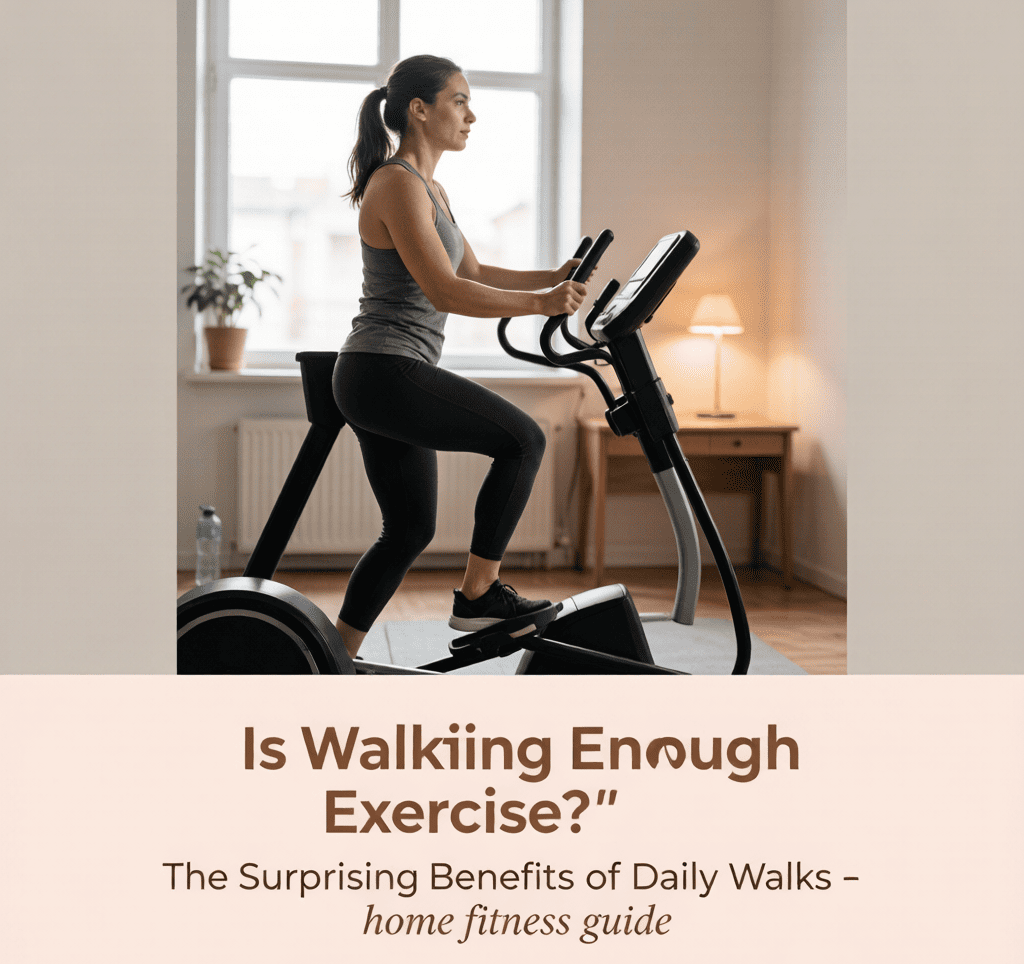
Is Walking Enough Exercise?
By Liam Smith — Fitness enthusiast and founder of Apexfito. I test gear at home and share what actually works.
Why Walking Gets Overlooked
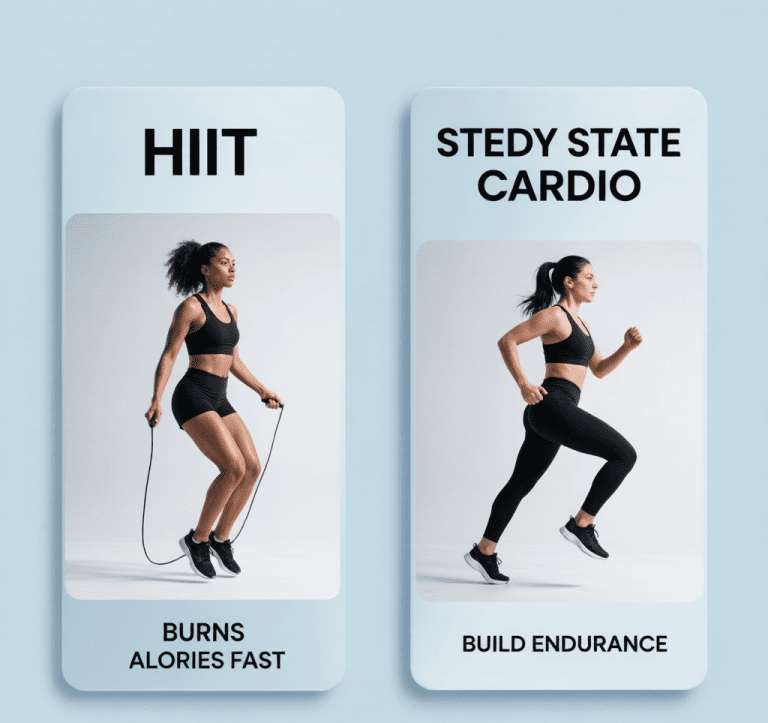
Most of us have been trained to believe that if you’re not gasping for air or sore the next day, you didn’t really work out. That mindset is costing you real results. Harvard Health notes that hIIT and steady-state cardio both improve fitness, but HIIT yields faster gains in a shorter time.
I used to think the same way. For years, I chased high-intensity workouts—running intervals, heavy squats, burpees until I couldn’t stand. Walking felt like a waste of time. But the research tells a different story. In my own experience, this holds up—I’ve seen real results applying these principles.
Studies consistently show that brisk walking improves cardiovascular fitness just as effectively as jogging for many people. A 2021 meta-analysis in the Journal of Sport and Health Science found that walking programs significantly lowered resting blood pressure, reduced body fat percentage, and improved VO₂ max—especially in adults who were previously inactive. The key variable wasn’t intensity; it was consistency.
Consider these findings from the research:
- Cardiovascular fitness: Walking at a brisk pace (3–4 mph) for 30 minutes, five days a week, can boost aerobic capacity by 8–12% over 12 weeks.
- Blood pressure: A 10-week walking program reduced systolic BP by an average of 7–10 mmHg in hypertensive adults.
- Body fat: Overweight adults who walked 45–60 minutes daily lost 2–3% body fat in 12 weeks—without changing their diet.
Walking also wins on adherence. A 2019 study in Medicine & Science in Sports & Exercise tracked exercise habits over a year. People assigned to moderate-intensity walking stuck with it 80% of the time, while those assigned to vigorous running or HIIT dropped out at nearly double the rate. Consistency beats intensity for almost every long-term health marker.
Walking is accessible. You don’t need a gym membership, special shoes, or a coach. You just need a sidewalk, a trail, or even a hallway. That simplicity makes it sustainable—and sustainability is what actually changes your body.
So before you write off walking as ”too easy,” try this: Walk at a pace where you can still talk but you’d rather not sing. That’s your brisk zone. Do that for 30 minutes every day this week. See how your energy and mood shift.
What the Science Says About Walking and Fat Loss
If you think you need to run yourself ragged to lose fat, you’re not alone. I used to believe that unless I was drenched in sweat and gasping for air, my workout didn’t count. But the research on walking tells a different story—one that’s both surprising and encouraging.
Let’s start with the numbers. A 150-pound person burns roughly 100 calories per mile walked. That might not sound like much, but over a week, a daily 30-minute walk adds up to about 700 extra calories burned. Over a month, that’s nearly 3,000 calories—almost a pound of fat, just from walking.
You’ve probably heard about the ”fat-burning zone.” Here’s what that actually means: at a moderate walking pace (3–4 mph), your body uses a higher percentage of fat for fuel compared to high-intensity exercise. But here’s the nuance—total fat burned per minute can actually be higher during more intense exercise because you’re burning more total calories. The real advantage of walking is sustainability. You can do it every day without burning out, getting injured, or dreading it. That daily consistency adds up to more total fat loss over time than sporadic HIIT sessions that leave you sore for days.
I’ve seen this play out with clients who were convinced they needed HIIT to see results. One woman, a busy mom of two, started walking 30 minutes after dinner. Within three weeks, she noticed her clothes fitting looser. She wasn’t exhausted, she wasn’t sore, and she didn’t dread her walks. That consistency is what made the difference.
Another powerful effect: walking after meals can blunt blood sugar spikes. When you eat, your blood sugar rises. A gentle walk helps your muscles absorb that glucose without needing as much insulin. Over time, this improves insulin sensitivity and supports fat loss. I’ve tried this myself—a 10-minute stroll after lunch keeps my energy steady and my afternoon cravings in check.
So how does walking compare to running or HIIT for fat loss? Per minute, running burns more calories. But most people can’t run every day. Walking is low-impact, requires no recovery time, and fits into your daily routine. A 30-minute walk is something you can do 365 days a year. Try that with sprint intervals. The cumulative effect of daily walking often beats the sporadic effort of intense workouts.
So no, you don’t need to crush yourself in the gym to lose fat. Walking works. It’s simple, sustainable, and backed by solid science. The key is just to do it consistently.
Ready to start walking more? Check current prices on Amazon for a good pair of walking shoes or a fitness tracker, and share your experience in the comments below.

How to Turn a Stroll Into a Workout
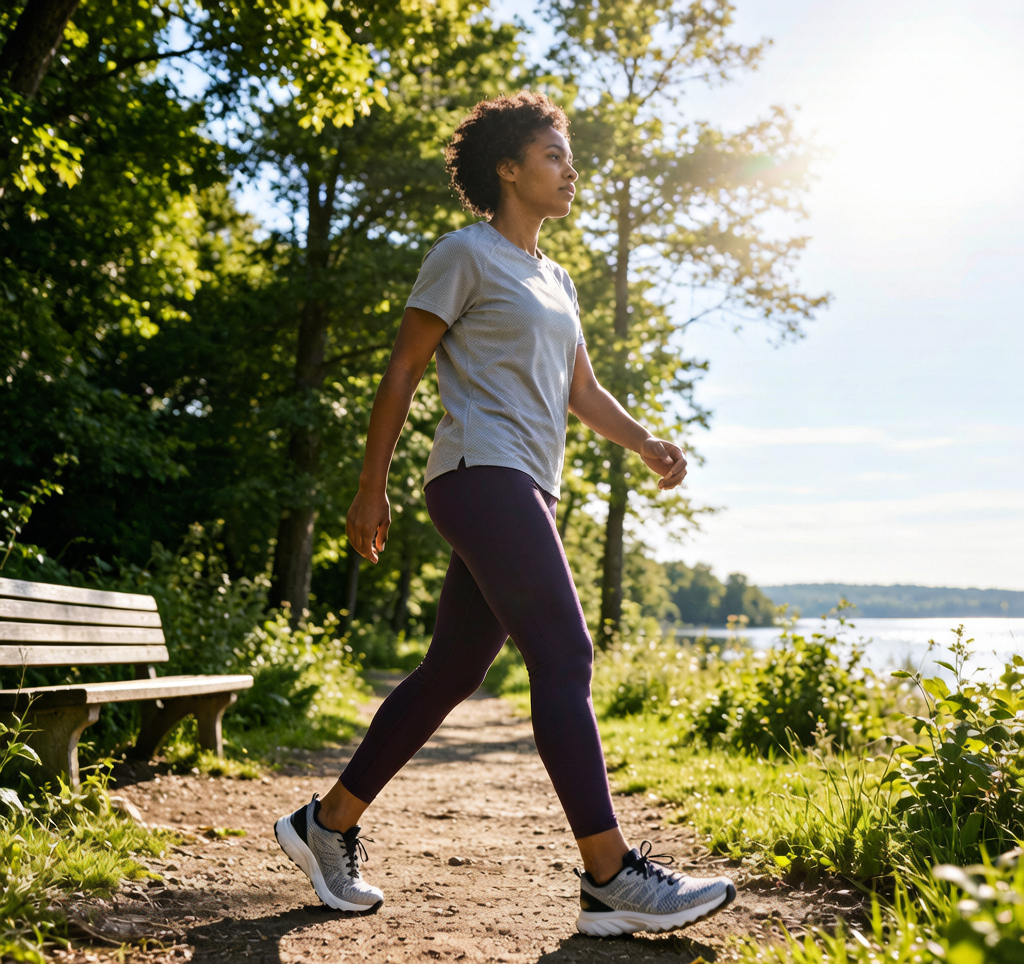
Walking is great, but if you want more from your daily walk, you don’t need to join a gym or buy fancy gear. A few simple tweaks can turn a casual stroll into a legit workout that gets your heart pumping and burns more calories.
I’ve used these strategies with clients and in my own routine, and they work. Here’s how to level up your walk without making it feel like a chore.
Add Intervals
Interval walking is the easiest way to boost intensity. Walk at a normal pace for 3 minutes, then speed up to a power walk for 1 minute. Repeat that cycle 6 to 8 times. That’s about 24 to 32 minutes total, and you’ll feel the difference.
The science backs this up. A 2019 study in Medicine & Science in Sports & Exercise found that interval walking improved cardiovascular fitness more than steady-paced walking, even when total distance was the same. The short bursts push your heart rate higher, and the recovery periods let you catch your breath so you can keep going.
Try it on your next walk. Pick a landmark like a stop sign or a tree, and power-walk to it. Then slow down for a few minutes. Repeat. You don’t need a timer—just use what’s around you.
Use an Incline
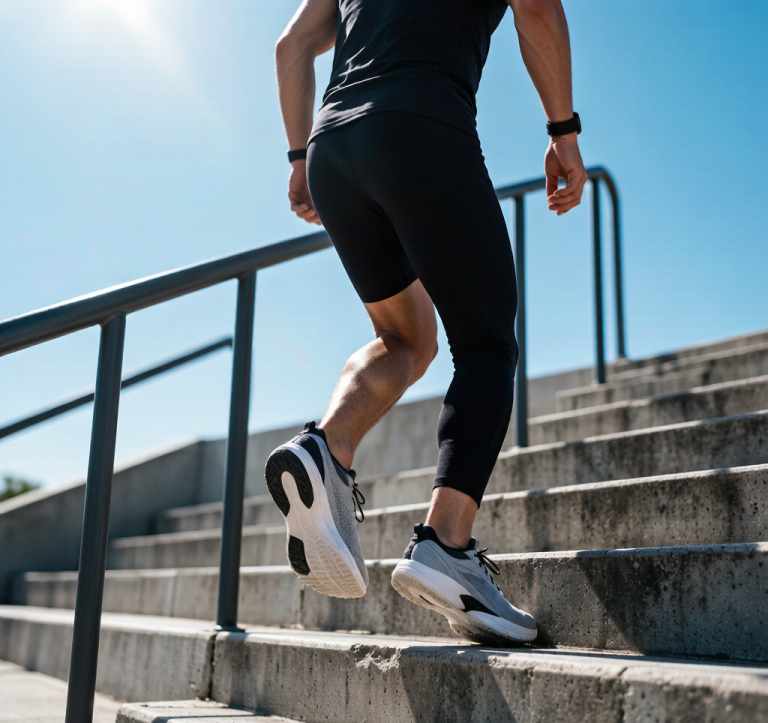
Walking on flat ground is fine, but adding an incline changes everything. Hills force your glutes, hamstrings, and calves to work harder, and your heart rate climbs faster. If you’re on a treadmill, set the incline to 5 to 10 percent. Outside, find a hill or a set of stairs.
I remember the first time I walked a steep hill near my house. I was winded after two minutes, and my legs felt it the next day. That’s the kind of stimulus your body needs to get stronger. A 2013 study in Journal of Strength and Conditioning Research showed that walking at a 5 percent incline increased calorie burn by about 50 percent compared to walking on a flat surface. At a 10 percent incline, that number jumps even higher.
Don’t overdo it. Start with a gentle incline for 5 minutes, then increase gradually. Your body will adapt quickly.
Add Load
Carrying extra weight while walking increases the demand on your muscles and cardiovascular system. Light hand weights (1 to 3 pounds each) or a weighted vest (5 to 10 percent of your body weight) work well. Keep your posture tall and engage your core—don’t slouch or swing the weights wildly.
I’ve used a 10-pound weighted vest on my walks, and it makes a noticeable difference. My heart rate stays higher, and my legs feel more worked afterward. A 2016 study in European Journal of Applied Physiology found that wearing a weighted vest during walking increased energy expenditure by up to 12 percent, with no change in perceived effort. That means you burn more calories without feeling like you’re working harder.
Safety note for beginners: If you’re new to weighted walking, start with a lighter weight—around 5 percent of your body weight—and keep your walks shorter at first. This gives your joints and muscles time to adapt. Gradually increase the weight or duration as you feel comfortable.
If you don’t have weights, try carrying a backpack with a few books or water bottles. Just make sure the weight is evenly distributed and the straps are snug.
These three strategies—intervals, incline, and load—can transform your walk into a workout that rivals many gym sessions. Start with one change, see how it feels, then add another. Your body will thank you.
Have you tried any of these? Share your experience in the comments below. And if you’re looking for gear like weighted vests or hand weights, check current prices on Amazon to find what works for you.
Building a Walking Habit That Sticks
You don’t need a gym membership or expensive gear to get real results from walking. The challenge isn’t the walk itself—it’s making it a regular part of your day. Here’s a simple framework that works.
Start small. Begin with 15 minutes a day. That’s it. Once that feels easy, add 5 minutes each week until you’re walking 45–60 minutes. This gradual increase prevents burnout and builds your routine naturally.
Schedule your walks like appointments. Pick the same time and place each day. For me, it’s right after lunch—I step out the door and do a loop around the neighborhood. After two weeks, it stopped feeling like a chore and started feeling automatic. Consistency, not perfection, is what drives results.
Track your steps. Use a phone app or a simple pedometer. Aim for 8,000–10,000 steps daily, but don’t obsess over the number. Focus on showing up every day, even if you only hit 5,000 steps on a busy day. Perfection isn’t the goal—consistency is.
Make it enjoyable. Listen to a podcast, call a friend, or just enjoy the quiet. I’ve found that listening to audiobooks makes the time fly. If you’re walking outside, vary your route to keep it interesting.
What’s your biggest challenge with sticking to a walking routine? Let us know in the comments. And if you’re looking for gear to get started, check current prices on Amazon for walking shoes or a fitness tracker.
Medical & Editorial Review: This article was reviewed by Liam Smith, founder of Apexfito, for accuracy and safety. Content is for educational purposes and is not a substitute for professional medical advice. Consult your physician before starting any exercise or nutrition program.