Do You Really Need Carbs During Your Workout? A Practical Guide for Gym-Goers
Full disclosure: Some links in this article are affiliate links. We may earn a small commission at no extra cost to you if you make a purchase through them. Our recommendations are based on what real users report, not on commission size.

What Intra-Workout Carbs Actually Do
I’ve watched guys sip neon sports drinks through a 40-minute arm session like they’re pacing the Tour de France. I’ve also watched people fall apart 90 minutes into a long ride because they brought nothing at all. Both made the same mistake in opposite directions: neither stopped to ask what carbs during a workout are actually doing.
Worth answering, because those two situations call for opposite responses.
Carbohydrate is fuel you’ve already banked
Your body stores carbohydrate in two places. Muscles hold glycogen, a starchy form of glucose packed directly into the fibers that will burn it. The liver holds a smaller reserve, and its main job is releasing glucose into the bloodstream to keep your brain and working muscles supplied between meals.
At easy intensity, you lean heavily on fat. Push harder and the mix shifts. Walk on a treadmill and fat does most of the work. Grind through heavy squats, sprint intervals, or a hard spin class and carbohydrate becomes the dominant fuel source. That’s basic exercise physiology, and it applies to a third-month gym member as much as an Olympian.
The liver matters more than most people realize. Overnight, liver glycogen drops. Roll out of bed and train without eating, and that blood glucose reserve is already thin while your muscles haven’t topped off either. That’s why a fasted session can feel fine for 40 minutes and then turn into a wall. Blood glucose is also fuel that working muscles pull from directly once a session stretches past roughly 60 to 90 minutes, which is where mid-workout carbs start to earn a spot.
When mid-workout carbs matter, and when they don’t
A Yahoo Health piece from September 26, 2026, You Probably Don’t Need Carbs During Your Workout: Here’s Why, made exactly this case. Most recreational gym-goers finish long before glycogen becomes a limiting factor. A 45-minute lift, a 30-minute run, a 60-minute boot camp class. Stored fuel covers all of these comfortably. Water and a solid pre-workout meal do more for performance than a mid-session sports drink.
Google Trends suggests people aren’t panicking about this either. US search interest in carbs over the past year sits basically flat, with the recent 30-day average at 64.2 against a 12-month average of 69.8.
That said, there are real situations where a carb source during training earns its place:
- Sessions past 60 to 90 minutes of continuous moderate-to-hard effort, like long rides, half-marathon-pace runs, or a brutal leg day plus a conditioning block.
- Fasted morning training when you feel shaky, foggy, or unusually weak partway through.
- Two-a-days or back-to-back classes, where the second session starts on a partially drained tank.
- Tournament days with multiple rounds and short breaks.
For those scenarios, sports nutrition guidelines commonly point to 30 to 60 grams of carbohydrate per hour for longer efforts, sipped or chewed in small amounts rather than slammed all at once. Gels, chews, bananas, and drink mixes all work. The format matters far less than the total amount and how your stomach handles it.
How to tell which camp you’re in
I tested this on myself last winter across two 75-minute sessions. One was water only after a normal breakfast. The other I sipped about 40 grams of carbohydrate through. The water-only session held fine until the final 15 minutes, when my pace dropped and my focus went with it. The fueled session stayed steady. For me, the threshold sits near 60 minutes, and anything shorter needs nothing.
You can run the same experiment. Signs you’d likely benefit from intra-workout carbs: an energy cliff around the 45- to 60-minute mark, lightheadedness, trouble holding your usual pace or rep quality, or feeling noticeably worse in the last third of a session. Signs you don’t need them: you finish your usual 45-minute workout feeling normal, your performance is consistent week to week, and a sugary drink would just add calories you didn’t ask for.
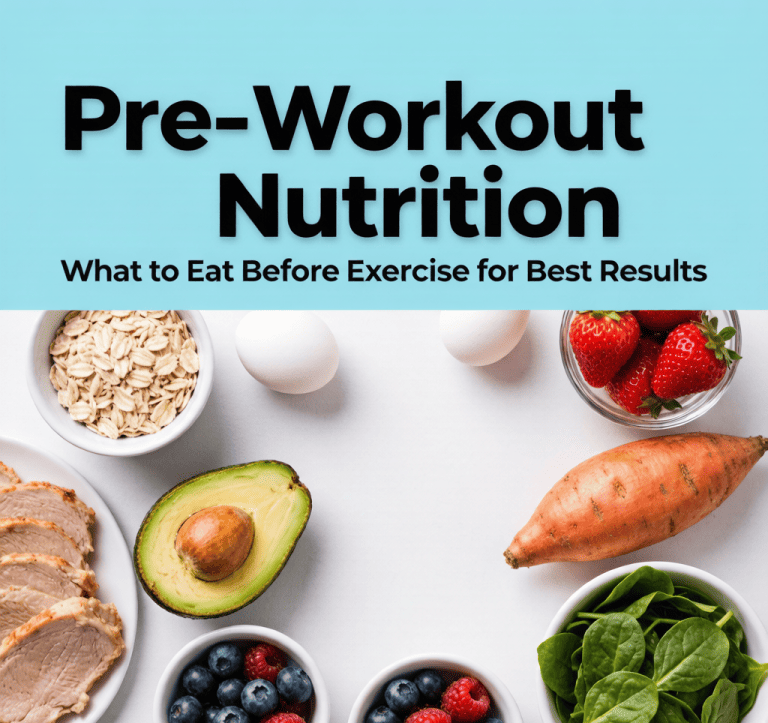
One more practical note. Eat a real meal with carbs and some protein one to three hours before training and you’ve handled most of this before you ever step into the gym. That pre-workout meal is the lever most people ignore while they argue about gels.
If you want to try intra-workout carbs for longer sessions, check current prices on Amazon for gels, chews, or drink mixes before you commit to a brand, since the price gap between options is wider than the formula differences. And if you’ve tested the 60-minute line for yourself, share what you found in the comments. I’m curious whether most people land where I did.
Who Benefits From Carbs During a Workout (and Who Doesn’t)
The dividing line isn’t how serious you are, how much you sweat, or how impressive your pre-workout scoop looks. It’s how long the session lasts and what you ate before it. Yahoo Health made roughly that point in late-September 2026 coverage of intra-workout fueling, and it matches what sports nutrition guidance has said for years.
The group that genuinely benefits
Move continuously for more than about 90 minutes at a moderate to hard effort and carbs during the session earn their place. Runners, cyclists, swimmers, rowers, and long-distance hikers live in this zone. So do lifters grinding through a two-hour hypertrophy session with short rest.
In that window, a common target is 30 to 60 grams of carbohydrate per hour, taken in small amounts every 15 to 20 minutes rather than slammed all at once. Your gut handles a steady trickle far better than one big dose. That’s exactly why gels and drink mixes come in small, repeatable portions.
The middle ground: a small dose can help
There’s a gray zone where the payoff is smaller but still real:
- Two-a-day training. Lift in the morning, condition at night, and your glycogen takes a beating. Roughly 15 to 30 grams during the second session can keep the quality from falling off a cliff.
- Very high-volume strength work. Twenty-plus sets of squats, deadlifts, and accessory work, or a long strongman-style session. Past the 75-minute mark, a handful of gummies or half a sports drink is reasonable.
- Fasted morning training. If you roll out of bed and train hard on an empty stomach, blood sugar is already low and liver glycogen is thin. A small carb hit mid-session usually beats water alone.
Three factors decide nearly everything here: duration, intensity, and whether you showed up already topped off.
Who can skip it completely
Session under an hour, balanced meal one to three hours beforehand? Water is the answer. A 45-minute strength session, a 30-minute run, a spin class, a pickup basketball game. None of those drain glycogen enough to justify mid-workout sugar. You already have plenty on board, and extra carbs mostly just add calories.
Low-intensity work is the same story. Walking, easy yoga, light mobility drills, a leisurely bike ride with the kids: intra-workout carbs won’t sharpen performance at all. A sports drink can run 100 to 150 calories a bottle, and turning that into a daily habit during sessions that never challenged your energy systems is basically drinking dessert for no athletic reason.
Why beginners misread the signal
Feeling wiped at minute 35 of a lift does not mean you need sugar. I’ve kept a training log for years, and my worst sessions had almost nothing to do with mid-workout fuel. They followed five-hour nights, a coffee-only breakfast, or a day I forgot to drink water until 2 p.m.
Poor sleep, dehydration, and under-fueling before the workout are far more common culprits than low blood sugar during a short session. Fix those first: seven-plus hours of sleep, water through the morning, and a real meal with protein and carbs an hour or two before training. Most people who do that stop craving a mid-workout shake entirely.
A quick way to decide
- Under 60 minutes and you ate beforehand? Water only.
- 60 to 90 minutes at moderate effort? Water is usually enough. Test a small dose if you fade late.
- Over 90 minutes at moderate to hard effort? 30 to 60 grams of carbs per hour.
- Two-a-days, fasted mornings, or marathon-length lifting? Try a small dose, roughly 15 to 30 grams.
- Easy walking, yoga, mobility? Skip it.
Run the experiment on yourself across three or four sessions instead of trusting a label. Log what you took, how you felt, and how the last 15 minutes went. If a gel doesn’t change the outcome, save your money. If a drink mix or chews do earn a spot in your bag, compare current prices on Amazon before grabbing a case off the gym counter, and drop a note in the comments about what actually worked for you.
Sports Drinks, Gels, and Gummies: Sorting Hype From Helpful
Walk down the supplement aisle and you would think every workout ends with a neon bottle and a foil wrapper. The marketing is loud. The actual need, for most people reading this between sets, is quiet. Yahoo Health ran a piece on September 26, 2026 titled “You Probably Don’t Need Carbs During Your Workout: Here’s Why,” and the framing holds up: the products are real, the science behind them is real, and the audience they were built for is not someone doing a 45-minute leg day.
What is actually in the bottle
A typical sports drink lands between 14 and 20 grams of carbohydrate per 8 ounces, plus sodium and potassium. That is not a scandal. It is a formula for people sweating hard for 90 minutes or more in the heat, with electrolytes to replace what is lost and a carb blend your gut can absorb fast.
Now look at your session. Forty-five minutes of lifting, moderate sweat, a water fountain 20 feet away. That bottle is sugar you could get from a small snack, at a price that makes your grocery bill flinch.
Sports drinks are not useless. I have finished long summer rides where one saved me from a headache and a full-on bonk. Context decides everything.
Gels and chews are built for a different sport
Marathoners, cyclists, and triathletes cannot chew a sandwich at mile 18. That is the whole design brief behind a gel: fast-digesting, portable, swallowable at pace. One packet hands you 20 to 25 grams of carbs in about three seconds, with no stop in forward motion.
In the gym, you have free hands, a bench, a gym bag, and no need to keep your heart rate pinned at 160. The convenience premium, often a dollar or more per serving, is solving a problem you do not have.
Whole foods that do the same job
If your session genuinely runs long, or you train fasted and feel the drop, 15 to 25 grams of carbs from actual food works fine. This is the rotation I keep in my bag:
- A banana — around 25 grams of carbs, edible in 30 seconds, with potassium and fiber attached.
- Two or three Medjool dates — sweet, soft, roughly 15 to 18 grams of carbs each, and they do not turn to paste in a hot car.
- A small box of raisins — the kid-size box runs about 25 grams of carbs, costs pocket change, and the portion is already measured for you.
- A handful of gummy bears — roughly 20 to 25 grams of carbs. For lifters who want a fast sugar hit mid-session, this is the least pretentious option on the shelf, and it works.
None of these are worse than a gel for a gym workout. A couple are better, because you also get micronutrients and something that does not taste like melted candy corn and salt.
A homemade bottle that costs pennies
If you want liquid carbs, build them yourself. Fill a 24-ounce bottle with water, add a pinch of salt (about 1/8 to 1/4 teaspoon), and stir in a splash of maple syrup or honey. A tablespoon of either gets you roughly 12 to 17 grams of carbs. That stands in for a commercial drink at a fraction of the price. Taste-test the salt level before you commit. Too much and you will dread drinking it, which defeats the whole point.
Before you stock up
Prices on tubs of intra-workout powder and cases of gels swing a lot depending on the week and the seller, so check current prices on Amazon before committing to a bulk supply. Many of these products are priced for convenience and branding, not for anything your body cannot get from food. A bag of gummy bears from the grocery store costs less than a single gel in most markets, and for plenty of gym-goers it does the job just as well.
Google Trends data for the search term “carbs” over the past year shows interest basically flat, with a recent 30-day average of 64.2 against a 12-month average of 69.8. Nobody is suddenly buying more carb products because of a new breakthrough. The bottles were always there.
If you have tried both routes, the commercial product and the real-food version, drop a note in the comments about what actually worked for your training. That is more useful to the next reader than any label claim.
How to Test Your Own Carb Needs Without Overthinking It
You don’t need a lab, a nutritionist, or a $400 metabolic test to figure out whether intra-workout carbs do anything for you. You need a notebook, three or four weeks, and the willingness to actually pay attention to how you feel.
A recent Yahoo Health piece made the case that most gym-goers don’t need carbs during training. My own experience lines up with that. I’ve done plenty of 60-minute lifting sessions on nothing but water and felt fine. I’ve also had days where half a banana halfway through a long session was the difference between a strong last set and a sloppy one. Your mileage will vary, and the only way to know is to test it.
Here is the protocol I run with clients. Change one variable at a time and write everything down.
Step 1: Build a baseline with water only
Take your next three to five workouts and drink only water. No sports drinks, no chews, no banana tucked in your gym bag. Keep your pre-workout meal, sleep, and training plan exactly as they normally are.
Right after each session, score three things from 1 to 10:
- Energy — did you have gas left in the tank?
- Focus — were you locked in, or drifting between sets?
- Performance — did your numbers or reps hold up?
Write it down somewhere you will actually check. I use the notes app on my phone because I forget numbers within an hour. If you slept four hours or trained on an empty stomach, note that too. You are building a picture of your normal, not chasing a perfect score.
Step 2: Add 15 to 30 grams of fast carbs mid-session
Pick your longest or hardest workout of the week. Halfway through, take 15 to 30 grams of fast-digesting carbs. Half a large banana, a small sports drink (check the label, since carb counts per bottle vary a lot), or a few chews all work.
Do not change anything else. Same warm-up, same exercises, same rest periods, same time of day if you can manage it. That dose is deliberately small: enough to test the effect without wrecking your stomach, and it is a common starting point for sessions in the 60-to-90-minute range.
You are not trying to reload glycogen for a marathon. You are checking whether a little sugar in your bloodstream changes how the back half of your workout feels.
Step 3: Compare the notes
Score the same three categories after the carb session and set it next to your baseline. Noticeably stronger? More dialed in? Less wrecked at the end? Then keep the carbs for sessions like that one.
If your scores come out basically identical, drop them. You just saved a few dollars a week and a pile of sugar you did not need.
One warning: a single trial proves nothing. Run the carb version two or three times on similar workouts before you decide. I tested this on back-to-back heavy squat days once and got completely conflicting results. Turned out I had slept badly before the second session, which had nothing to do with carbs.
Step 4: Fix your pre-workout meal first
For most gym-goers, the fuel problem is not solved mid-session. It is solved before the session. Aim for 30 to 60 grams of carbs plus 20 to 30 grams of protein one to two hours before training.
What that looks like in practice: oatmeal with a scoop of protein powder and a banana, a turkey sandwich on whole grain bread, or — if you train at 6 a.m. and cannot face real food — a small bowl of cereal with milk and a hard-boiled egg. It tops off blood sugar and hands your muscles amino acids without sitting heavy.
If you fix this and your workouts suddenly feel better, you may have found your answer without spending a cent on gels.
Step 5: Share what you find
Context matters more than any single rule here. Someone running 20-minute metcons may feel great on water alone. Someone grinding through a 90-minute hypertrophy session might notice a real difference. A powerlifter and a marathoner are not solving the same problem.
Post your results in the comments: what you tested, how you scored it, and what you decided to keep. Reader feedback helps everyone else sort out what is practical for their own training.
If sports drinks or chews do earn a spot in your gym bag, check current prices on Amazon before buying. Just do not order a case until your own notes tell you they help. A banana costs about thirty cents and does the same job for most sessions.
That is the whole test. Four weeks, one notebook, no overthinking.