Rest Days: Why Taking Time Off Actually Makes You Stronger (Science Explained)
Full disclosure: Some links in this article are affiliate links. We may earn a small commission at no extra cost to you if you make a purchase through them. Our recommendations are based on what real users report, not on commission size.
The Biological Reason You Need Rest Days

If you feel guilty about taking a day off, here’s the science: your body gets stronger while you rest. Here’s what’s happening beneath the surface.
When you lift or do intense cardio, you create microtears in your muscle fibers. That sounds bad, but it triggers growth. Over the next 24 to 48 hours, your body ramps up protein synthesis to repair those tears and build the muscle back stronger. If you train the same muscles before repair is complete, you interrupt the process and risk overtraining.
Your central nervous system also takes a hit. Every rep requires your brain to send electrical signals. After several hard training days, neural drive diminishes. Coordination suffers, lifts feel heavier. A rest day restores that connection so you come back sharper and more powerful.
Deep sleep is where the magic happens. Growth hormone and testosterone spike during REM and slow-wave sleep, especially on nights after rest. Those hormones drive repair and recovery. Without proper rest, cortisol stays elevated, which can actually break down muscle tissue and stall your progress.
What Happens When You Skip Recovery

You might be logging workouts every day, thinking more volume equals more progress. But your body has a different formula: gains require stress plus recovery. Skip that second part, and you start moving backward—sometimes without realizing it until weeks later.
The Overtraining Trap
Push hard without enough rest, and your system never fully repairs. That’s where overtraining syndrome creeps in. You feel persistently tired, catch every cold that goes around, struggle to sleep, and notice your lifts stalling or dropping. Cortisol stays elevated, your immune system takes a hit, and your nervous system stays on high alert. It’s like flooring the gas pedal with the handbrake on.
Practical check: if your resting heart rate is 5–10 beats higher than normal, that’s a sign to take a day off. Don’t push through it.
Joints and Connective Tissues Need More Time
Muscles recover fairly fast—often within 48 hours. But tendons and ligaments have poorer blood supply and take longer to heal. Skip rest days, and you accumulate micro-damage in those structures. I’ve seen lifters push through soreness only to end up with patellar tendinitis or a rotator cuff strain that sidelines them for months.
A fatigued athlete also has worse coordination and reaction time, making awkward movements more likely. That’s when acute injuries happen. Simple fix: schedule at least one full rest day per week, and use active recovery like light walking or mobility work on days you feel tight but not exhausted.
Plateaus That Won’t Budge
Stuck at the same squat weight for weeks? Can’t add a rep to your pull-ups? The issue might not be your program—it’s insufficient recovery. Strength and endurance gains happen during rest, when your body supercompensates for the stress you applied. If you never back off, that supercompensation never fully kicks in. You end up spinning your wheels.
A friend of mine spent three months stalled on his bench press until he added a second rest day per week. Within two weeks, the weight moved again. Treat rest days as non-negotiable, just like a training session.
Mental Burnout
Training every day without a break can crush your motivation. The gym starts feeling like a chore. You drag yourself through workouts because you feel obligated, not because you want to. That resentment builds, and eventually you start missing sessions altogether. Consistency depends on sustainable habits, not guilt-driven punishment.
One full rest day can recharge your desire to train. Use it to do something you enjoy—hiking, cooking, reading. Your workouts will feel more productive and enjoyable when you come back.
Recovery isn’t a reward for hard work—it’s part of the work. Giving your body time to rebuild doesn’t make you weak; it makes you smarter. And that smart approach keeps you progressing for the long haul.
How to Spend a Rest Day (Yes, There’s a Right Way)

If you feel guilty about skipping the gym, you’re not alone. That urge to “earn” a day off runs deep. But the science is clear: muscle repair and growth happen during recovery, not during the workout. How you spend a rest day can make or break your progress. The goal isn’t to lie on the couch all day (though that’s fine occasionally) but to actively support the repair process. Here’s what actually works.
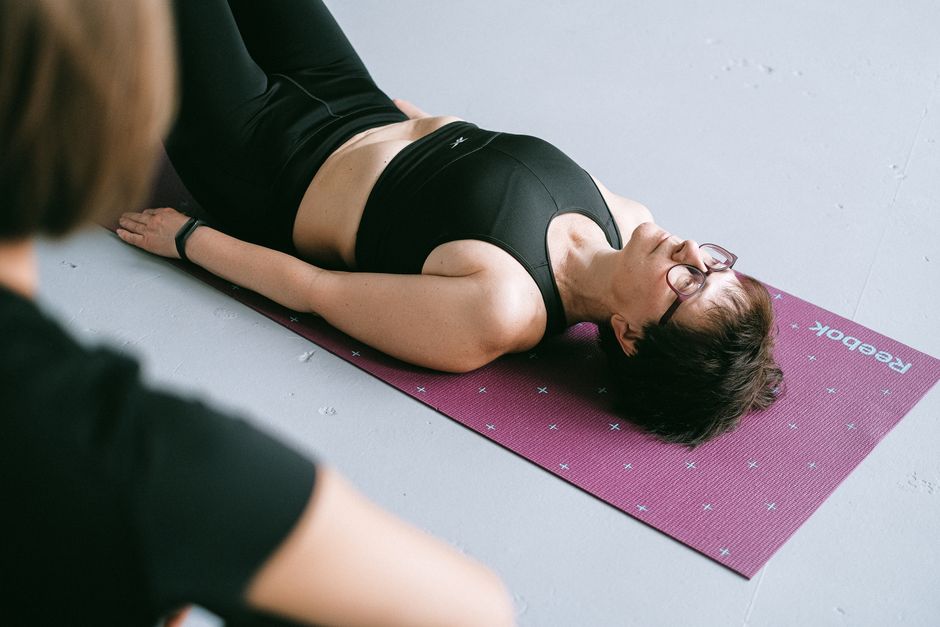
Active recovery — light walking, easy cycling, or gentle yoga — boosts blood flow without adding stress to your muscles. That increased circulation delivers nutrients to damaged tissue and helps clear metabolic waste. I’ve found a 20‑minute walk on rest days leaves me feeling more refreshed than complete stillness. But not all movement counts. Stick to activities where your heart rate stays low and you can hold a conversation. If you’re sweating or breathing hard, you’re going too hard. Save that intensity for your next workout. Passive recovery, doing nothing, has its place too, especially if you’re exhausted or fighting off a cold. Listen to your body. If you feel drained, a day on the couch with your legs up is just as productive as a light walk. The mistake is feeling guilty about it. Your nervous system needs downtime — that’s physiology, not laziness.
Protein intake matters even when you’re not training. Muscle protein synthesis stays elevated for up to 48 hours after a workout, and your body needs amino acids to rebuild. Aim for the same intake as training days: 1.6–2.2 grams per kilogram of body weight. For a 175‑pound (80 kg) lifter, that’s roughly 128 to 176 grams spread across the day. I like to include lean meats, eggs, Greek yogurt, or a scoop of casein before bed to sustain overnight repair. Neglecting protein on rest days is like building a house and stopping halfway — the materials need to keep coming.
Sleep is the most powerful recovery tool. Growth hormone peaks during deep sleep, tissue repair accelerates, and your brain consolidates motor learning. Aim for 7–9 hours with a consistent bedtime and wake time — yes, even on weekends. I’ve noticed that when I skimp on sleep after a hard week, my next workout suffers and nagging aches linger. Try a wind‑down routine: dim lights, avoid screens an hour before bed, and maybe sip tart cherry juice, which contains melatonin precursors. Treat sleep as non‑negotiable as your training split.
Foam rolling and massage guns can ease soreness and improve range of motion, but use them smartly. Spend a few minutes on areas that feel tight — quads, glutes, upper back — using light to moderate pressure. The goal is relaxation, not pain. Avoid deep, aggressive work on already fatigued muscles; it can trigger more inflammation and delay recovery. I keep a foam roller by my desk and use it for 5–10 minutes on rest days. Massage guns work well for larger muscle groups, but stay away from bony areas and use the lowest setting on sensitive spots. Think of these tools as helpers, not healers.
Rest days are part of the plan, not a sign of weakness. Elite athletes build deload weeks into their programs for a reason — sustained progress requires recovery. If you feel anxious about skipping a workout, remind yourself that you’re not falling behind; you’re setting up future gains. Use the extra time for something you enjoy: cook a good meal, read, stretch, or just nap. The more you embrace rest as essential training, the better your results will be.
Building Rest Into Your Training Plan
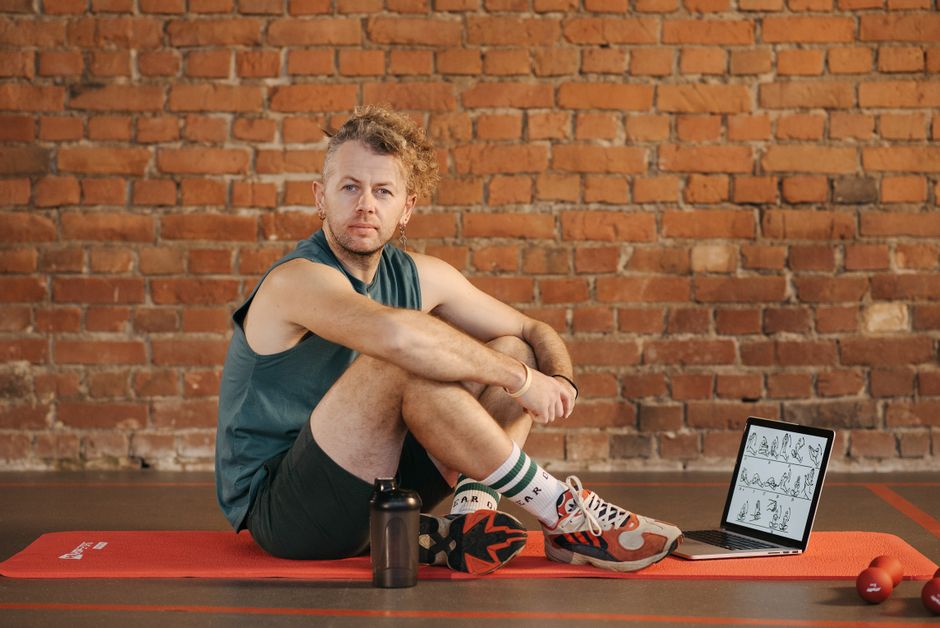
Most people I coach feel hesitant about scheduling a day off — like they’re being lazy. But rest isn’t a break from progress. It’s when your body builds muscle, repairs connective tissue, and resets your nervous system. You have to plan it, not just let it happen when you’re too exhausted to move.
For most trainees, two rest days per week works well. Space them out so you’re not training three or four days in a row. A common setup is Monday-Wednesday-Friday for lifting, with rest days on Tuesday, Thursday, and the weekend. Another option is every other day: train Monday, rest Tuesday, train Wednesday, rest Thursday, and so on. Beginners often do well with one rest day after every two or three training days. Listen to how your body feels after a couple of weeks and adjust.
Beyond weekly rest, schedule deload weeks every four to eight weeks. Cut volume or intensity by about 40–50%. I used to skip them, thinking I was tough enough to push through. That earned me a cortisone shot in my elbow and six weeks of zero progress. Now I deload every sixth week and haven’t had a real injury since. The goal isn’t to get weaker — it’s to let your central nervous system recover fully so you can come back stronger. If you’re doing heavy compound lifts or high-volume programs, deload every four weeks. For more moderate routines, every eight weeks is fine.
How do you know when you need an extra rest day? Watch for these warning signs:
- Persistent muscle soreness that doesn’t fade after two to three days
- Poor sleep quality or trouble falling asleep despite being tired
- Resting heart rate that’s five or more beats higher than your normal morning reading
- Irritable mood, lack of motivation, or feeling blah about training
If you notice two or more of these, take a day off. You won’t lose any strength or muscle in 24 to 48 hours — but you might save yourself from a setback that lasts weeks. Use that extra day to review your training logs, plan the next few workouts, or spend twenty minutes on mobility and breath work. That still counts as progress.
Remember: every rep you do is a stimulus that breaks your body down. Strength and size come from the rebuilding afterward. If you never give your body a proper chance to rebuild, you’re just tearing it down, day after day. Scheduled rest and deloads aren’t optional extras; they’re the foundation of any intelligent program.
Now I’d love to hear from you: what’s your current rest day routine? Do you plan them or just take them when life gets in the way? Drop your experience in the comments below and check current prices on Amazon for recovery tools like foam rollers or massage guns — they can make your rest days even more productive.
Medical & Editorial Review: This article was reviewed by Liam Smith, founder of Apexfito, for accuracy and safety. Content is for educational purposes and is not a substitute for professional medical advice. Consult your physician before starting any exercise or nutrition program.