Intermittent Fasting for Weight Loss: What the Research Actually Shows
Full disclosure: Some links in this article are affiliate links. We may earn a small commission at no extra cost to you if you make a purchase through them. Our recommendations are based on what real users report, not on commission size.
What Is Intermittent Fasting and How Does It Work?

Intermittent fasting isn’t a diet — it’s an eating schedule. Most people naturally eat within a 12-hour window each day. IF shortens that to 8 or 10 hours, often reducing total calorie intake without conscious restriction.
Common protocols include 16:8 (fast 16 hours, eat within 8), 5:2 (eat normally 5 days, restrict to 500–600 calories on 2 non-consecutive days), and alternate-day fasting. The most effective one is the one you can stick with. I’ve coached clients who loved the simplicity of 16:8 and others who found 5:2 too disruptive. Start with what feels natural.
How does IF drive weight loss? Mainly through a calorie deficit. Compressing your eating window reduces opportunities to eat. But there are hormonal shifts too: fasting lowers insulin, which dampens fat storage signals, and boosts norepinephrine slightly, which may increase fat burning. These effects exist but they’re modest — they don’t let you outrun a poor diet.
Match a protocol to your lifestyle. If you already skip breakfast, 16:8 will feel like nothing new. If you prefer big weekend meals, 5:2 might be a struggle. A better start: fast for 12 hours, then gradually tighten the window. Pay attention to hunger. IF works when it helps you eat less without feeling deprived. If it makes you miserable or leads to binges, it’s not right for you.
The Evidence: What Studies Actually Show About IF and Fat Loss
Researchers have run the numbers. A 2020 meta-analysis pooled 27 randomized trials and found that time-restricted eating—usually 16:8 or 14:10—produced 3–5% weight loss over 8 to 12 weeks. That’s the same ballpark as traditional daily calorie counting. The difference? People on IF didn’t have to count a single calorie. Some find that easier. Others hate the restricted eating window. Your mileage will vary.
Does IF supercharge your metabolism? Not really. When studies controlled for calorie intake—making sure participants ate the exact same amount—fat loss was nearly identical between IF and regular eating schedules. The main mechanism is a calorie deficit, not some metabolic magic. Eat the same number of calories in a shorter window, you lose weight. Eat more because you’re ravenous during your feeding hours, you won’t.
One common worry: “Will I lose muscle?” Research shows IF can preserve lean mass if you do two things. First, hit at least 1.6 grams of protein per kilogram of body weight per day—about 115 grams for a 160-pound person. Second, keep lifting weights or doing resistance training. Without those, muscle loss during IF is similar to any other diet—you’ll lose some, which hurts your strength and metabolic rate.
Here’s the practical take: focus on total calories and protein first. The eating window is just a tool to help you stay in a deficit. Don’t assume you can eat whatever you want during your window. I’ve seen people gain weight on IF because they overate during their 8 hours. Track your food for a week to check if you’re actually in a deficit. Keep training hard. And before you start, check current prices on Amazon for a food scale or meal prep containers—tools that make it easier. Share your experience in the comments below. I’m curious: did IF work for you, or did you find it harder than expected?
Common Myths and Misconceptions About Intermittent Fasting

Intermittent fasting went from niche to mainstream fast. Along the way, a lot of half-truths stuck. Here’s what the evidence actually says about the most persistent myths.
Myth #1: IF Puts You in Starvation Mode
People worry that skipping breakfast will crash their metabolism. But short fasts—up to 24 hours—can actually boost metabolic rate by 3–14%, driven by a norepinephrine spike. That’s your body’s natural alertness response, not a starvation signal. Real metabolic slowdown only happens with prolonged semi-starvation, like eating under 800 calories daily for weeks. IF done sensibly doesn’t trigger that. I’ve run 16:8 for years and never felt my metabolism grind to a halt.
Myth #2: You Can Eat Whatever You Want During the Window
Some treat IF as a license to binge on pizza and donuts. But IF is just a timing schedule—it doesn’t override energy balance. If you overeat calorie-dense junk, you won’t lose weight, period. I’ve had clients who assumed fasting gave them carte blanche. They didn’t drop a pound until they started tracking portions. Pair IF with protein, veggies, and whole foods for real results.
Myth #3: IF Is Better Than Other Diets for Fat Loss
Studies comparing IF to daily calorie restriction show similar weight loss—when people stick with it. The edge IF offers isn’t metabolic magic; it’s adherence. Some people find skipping breakfast helps them eat fewer calories without feeling deprived. Others end up bingeing later in the day. There’s nothing inherently superior about IF for fat loss. Pick the approach you can sustain long-term.
Myth #4: IF Is Dangerous for Most People
IF isn’t for everyone. Pregnant women, those with a history of eating disorders, people on certain medications, or those with specific medical conditions should avoid it or consult a doctor. But for the vast majority of healthy adults, IF is safe. That said, pay attention to your body. If you feel dizzy, irritable, or rundown, adjust your eating window or stop. IF should make you feel better, not worse.
The bottom line? IF is a useful tool, but it’s not magic, not inherently dangerous, and not a free pass to ignore nutrition. Try it for two weeks, keep a journal of how you feel, and see if it fits your life.
Practical Steps to Start Intermittent Fasting Safely and Successfully

Jumping straight into a 16‑hour fast is a fast track to quitting. I’ve seen it happen: friends who try, get hangry by day three, and swear off IF entirely. But it doesn’t need to be that way. A slow ramp‑up makes all the difference.
Start with a 12‑hour overnight fast. If you finish dinner at 7pm and skip breakfast until 7am, you’ve already done it — most people accomplish this without even trying. Then push that first meal back 30 minutes every two to three days. From 7am to 7:30am, then 8am, and so on, until you hit your target window (14:10, 16:8, or whatever works). This gradual progression reduces hunger and gives your body time to adapt. You’ll barely notice the shift.
What you can drink during the fast
Only zero‑calorie beverages: water, black coffee, unsweetened tea. Caffeine can actually boost alertness and may slightly increase fat oxidation. Avoid sweeteners — even artificial ones — because some people trigger an insulin response that undermines the fasted state. I stick with plain black coffee and it works perfectly.
Breaking your fast the right way
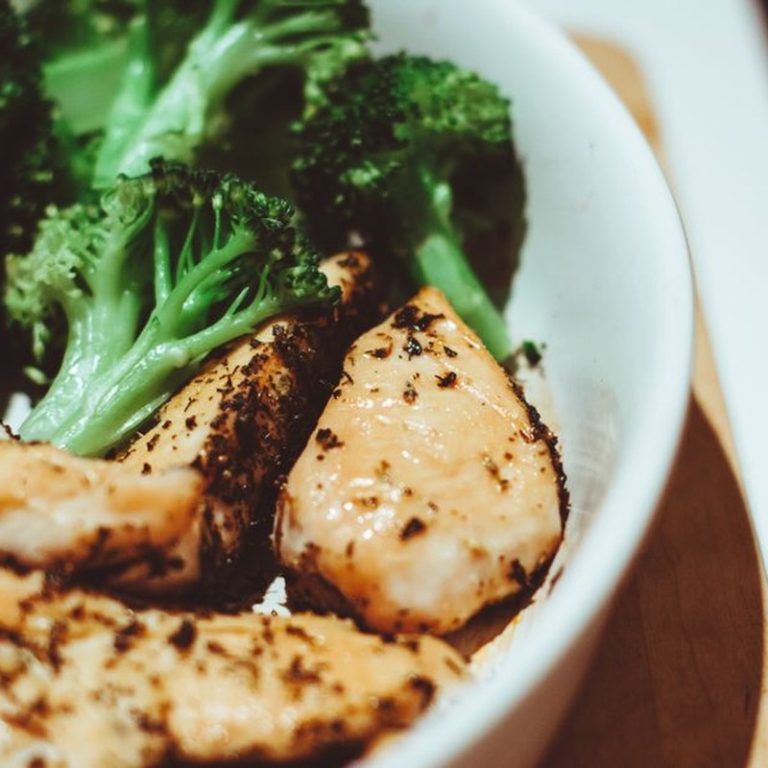
That first meal matters. Prioritize protein (30‑40g) plus vegetables. A chicken breast with roasted broccoli and quinoa is a solid choice. Don’t try to cram all your calories into one giant meal — spread them across two or three smaller meals within your eating window. This keeps blood sugar steady, maintains energy for workouts, and supports muscle repair.
Combining IF with exercise
Training fasted is doable. I do early‑morning workouts without eating and feel fine. But if you feel weak or lightheaded, schedule your session closer to your eating window or have a small pre‑workout meal. The goal is fat loss, not misery. For strength training, aim for a protein‑rich meal within a couple hours post‑workout to optimize recovery.
Intermittent fasting doesn’t have to be awful. Start slow, stay hydrated, and build meals around quality protein and vegetables. Within a few weeks it becomes second nature.
If you’re ready to give it a try, check current prices on Amazon for any tools or supplements you might need, and share your experience in the comments — I’d love to hear what works for you.
Medical & Editorial Review: This article was reviewed by Liam Smith, founder of Apexfito, for accuracy and safety. Content is for educational purposes and is not a substitute for professional medical advice. Consult your physician before starting any exercise or nutrition program.