Lose Weight Without Losing Muscle: The Science-Backed Guide to Body Recomposition
Full disclosure: Some links in this article are affiliate links. We may earn a small commission at no extra cost to you if you make a purchase through them. Our recommendations are based on what real users report, not on commission size.
Why Most Diets Sacrifice Muscle (And How Recomposition Flips the Script)
Years ago, I coached a friend through a 1,200-calorie diet. The scale moved fast, and people kept telling him how great he looked. By the end, he looked lighter but softer — his shoulders had shrunk, his press strength was gone, and he felt weak outside the gym. That wasn’t successful weight loss. It was a warning sign.
Ordinary dieters repeat that pattern without realizing it. They cut calories hard, avoid protein because it feels heavy, and replace strength work with extra cardio. In a long famine, the body trims its most expensive tissue. Muscle costs energy to build and maintain. If you give your body no reason to keep it, it will turn to that tissue for fuel. The scale drops, but too much of what leaves is lean mass.
Body recomposition flips the script. It isn’t a gimmick. In a moderate deficit, fat loss and muscle gain can happen at the same time — especially if you’re newer to training or carrying extra body fat. Your fat cells shrink while your muscle tissue stays put, and sometimes grows.
One point that trips people up: fat cells never turn into muscle cells. They are different tissues. Recomposition isn’t alchemy. It’s redirecting energy. Your body pulls fuel from stored fat while the amino acids in the protein you eat repair muscle. The training signal says keep this muscle; the diet supplies the raw materials; the muscle stays.
The usual culprit behind muscle loss on a diet isn’t always the diet itself. Often it’s the approach: an extreme 1,000-plus calorie deficit, almost no protein, and zero resistance training. Those three together leave your body no reason to hold onto muscle. Put that way, the outcome starts to make sense.
So what protects muscle? The practical list is simple, and it fits into a normal week.
- Create a modest deficit of 300 to 500 calories per day, not 1,000 or more. Track your food for at least a week to find your true maintenance calories.
- Eat 1.6 to 2.2 grams of protein per kilogram of body weight, or about 0.7 to 1 gram per pound. Spread that across 3 to 5 meals.
- Train with resistance 2 to 4 times per week. Focus on squats, hinges, pushes, and pulls. If you use bodyweight work, choose movements that take you close to failure.
- Add a little more challenge each week: more weight, an extra rep, or a harder variation. That tells your body the muscle is still needed.
- Sleep 7 to 9 hours. When sleep suffers, muscle loss becomes more likely even on a good diet.
This isn’t a destruction plan. It’s a preservation plan with a fat-loss outcome. You’re building the conditions for your body to draw on stored fat while protecting the tissue that makes you look and feel strong.
Don’t panic if the scale stalls. If you’re losing fat and keeping or building muscle, your weight can stay flat while your waist gets smaller and your strength climbs. Use waist measurements, weekly photos, and gym performance as your main feedback. The scale is one clue, and it’s rarely the most useful one.
Protein: The Master Lever for Keeping Muscle in a Deficit
Most dieters I talk to start by cutting carbs or slashing calories. Protein usually comes second. That’s backwards. When your body runs a calorie deficit, it treats muscle as an expensive luxury it can trim. The strongest signal to keep that muscle is dietary protein.
Research on lean-mass preservation is consistent: people who lose weight on higher-protein diets lose more fat and less lean tissue than people who eat moderate or low amounts. This doesn’t require obsessive meal timing. It requires a daily target and a little planning.
How much protein you actually need
Aim for 0.7 to 1 gram per pound of body weight per day.
- A 180-pound man lands at roughly 130 to 180 grams.
- A 150-pound woman is looking at 105 to 150 grams.
These numbers are not pulled from a single study. They’re repeated across sports nutrition research on lean-mass preservation in an energy deficit. The lower end works if you’re less active or have less weight to lose. The higher end works if you’re lifting regularly and want the biggest safety margin.
If you’re carrying a lot of extra fat, you can base your target on your goal weight instead. A 220-pound person aiming for 180 pounds can use 180 as the anchor. That keeps the number realistic and still plenty high.
Spread protein across the day
A single huge steak at dinner won’t cover you. Your muscles need a steady supply of amino acids across the full 24-hour cycle. That doesn’t mean six meals a day. It means three or four feedings with 30 to 40 grams each.
Here’s what that looks like:
- Breakfast: 3 eggs plus a cup of Greek yogurt — roughly 30 grams.
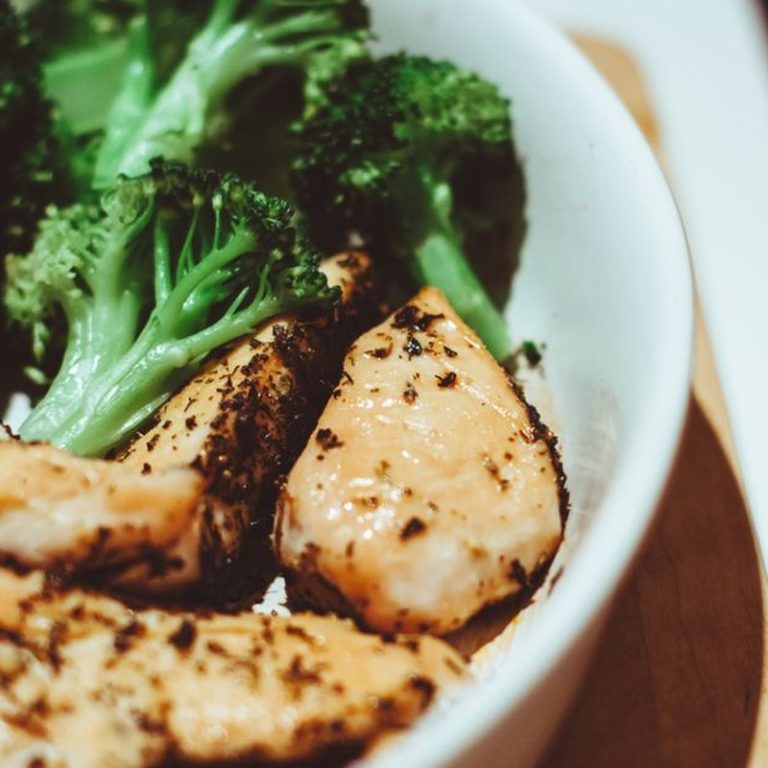
- Lunch: a palm-sized piece of chicken, fish, or tofu — roughly 35 to 40 grams.
- Dinner: the same, with a different protein source to keep it interesting — roughly 35 to 40 grams.
- Snack: a shake or cottage cheese — 20 to 30 grams if you need more.
That adds up to around 130 grams before you adjust for your target. You want to avoid long stretches with no protein and one massive dose at night.
Animal or plant, the total matters
Animal proteins like chicken, beef, fish, eggs, and dairy are complete proteins — they deliver enough of all nine essential amino acids, including leucine. Plant proteins can fall short on one or two aminos, but that doesn’t mean you need to obsess over food combinations. Your body pools amino acids from everything you eat over the day, so as long as your total is in range and you’re eating a variety of sources, you’re fine.
Beans, rice, tofu, tempeh, Greek yogurt, and cottage cheese can all anchor a vegetarian diet. You don’t need to build a perfect meal every time. Track your total for the day and make sure each meal has a real protein source.
A few years back I coached a vegetarian client who struggled to keep her strength during a cut. We changed one thing: lunch went from a veggie burger with almost no protein to a firm tofu or tempeh bowl with rice and beans. Her strength stayed up and the fat kept dropping. A practical daily pattern beats a perfect plate.
Try setting a protein target for the next two weeks. Measure what you actually eat, not what you plan to eat. And when you find a schedule that works, share it in the comments so the rest of us can steal it.
Strength Training: The Signal That Says Keep This Muscle
Your body treats muscle like expensive luggage. It costs calories to build, costs calories to maintain, and the moment you cut calories, your hormones start asking whether that luggage is worth carrying. If you do not give a good answer, your body sheds muscle right along with fat. That is why dieting without strength training feels like such a bad deal.
Resistance training is the answer: a clear biological message that your muscles are still required. Mechanical tension from hard exercise triggers muscle protein synthesis and tells your body to preserve the fibers you just used. You are not forcing your body to build new mass while eating less, but you are making it hold on to what you already have. That is body recomposition: losing fat while keeping lean tissue intact.
You Do Not Need Heavy Barbells
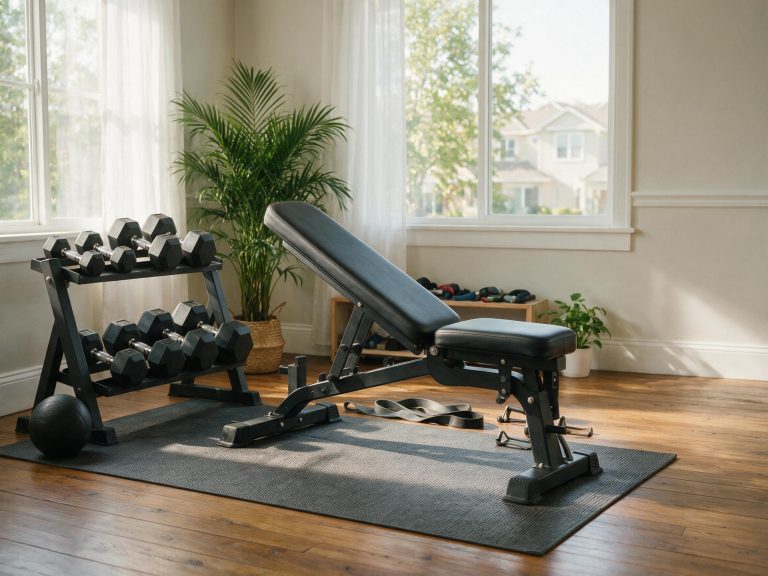
This is the biggest misconception with body recomposition. Many dieters skip strength training because they think home workouts with no equipment cannot do anything. In a calorie deficit, you do not need extreme loading. You need enough mechanical tension to signal that muscle is still being used. Push-ups, bodyweight squats, lunges, glute bridges, and rows can create that signal if you take each set close to failure. A loaded backpack turns a manageable exercise into a demanding one.
I have used this approach during cuts. A few years ago, I trained three days a week at home with a towel row, push-up variations, and bodyweight squats while eating a modest deficit. My weight dropped, my push-up count stayed within two reps of my starting number, and my shoulders looked fuller at the end. This is not magic. It is giving your body a reason to hold onto the muscle you already built.
A Simple Bodyweight Plan That Works
You do not need to follow anything complicated. Choose one push, one squat, one hinge, one pull, and do them as a full-body workout two to four times per week. Here is the template I give to friends who are cutting at home.
- Push: push-ups. Hands on a countertop or chair if you need an easier start; feet on a couch if you need more difficulty.
- Squat: bodyweight squats, or hold a loaded backpack at your chest to increase resistance.
- Hinge: glute bridges, either both legs on the floor or one leg extended for a tougher version.
- Pull: bent-over rows with a loaded backpack. Hinge forward at the hips with a flat back, let the bag hang, and pull your elbows toward your ribs. Another option is a towel row: drape a rolled towel over the top edge of a solid door and close the door so it is pinched. Stand back, grip both ends, lean back with straight arms, and pull your body toward the door while keeping your core tight.
Aim for three sets of each movement. Choose a rep range that lets you finish all three sets with good form, somewhere between 8 and 20 reps. The last two reps in each set should be a grind. If it feels easy, make the exercise harder before you add more sets.
Weekly structure: a simple schedule is Monday, Wednesday, Friday full-body. If you only have two days, Tuesday and Saturday works. Four days is also fine, but not necessary. The muscles need recovery, especially in a calorie deficit.
What Strength Gains Should You Expect?
Here is the honest and uncomfortable part: do not expect personal records during a cut. Calorie restriction lowers glycogen stores and energy output, so a small dip in strength is normal. The goal is to keep your numbers stable. If you did 15 push-ups at the start, you want to still hit 12 to 15 at week 8. If you can match those numbers with better form, you are winning.
Think about that the right way. The scale is probably going down, your clothes fit differently, and your strength stays roughly the same. That combination is a sign you are losing fat, not muscle. Trying to chase a new rep record while eating little is like expecting a car to run on fumes and then complaining about the engine. It is not a failure. It is physics.
Progressive Overload Looks Different Here
Progress during a cut should be slow and measured. Add one rep to one exercise per week. Or add a little more weight to the backpack. That is enough. If you try to add twenty percent more volume while dieting, recovery suffers, your joints feel cranky, and you burn out fast.
One practical rule: keep the same movements for at least three or four weeks. Changing exercises every workout makes it impossible to track progress. Instead, aim to beat the previous session by a single rep on at least one exercise. If you did bodyweight squats for three sets of 14 last week, this week push the first set to 15 and leave the rest at 14. Small wins count.
Your strength might even climb for the first couple of weeks because you are learning the movements. That can feel great, but do not chase that feeling. In a deficit, slower progress is expected and completely fine.
None of this works if you ignore protein and sleep. The training signal only sticks when your body has the building blocks and recovery time. Keep protein high and get at least seven hours of sleep. I will not repeat the sleep details here. Just know that hard training alone will not protect muscle if you are running on low protein and five hours of sleep.
You can start today with no gear. A backpack filled with old books does the job. If you want a more convenient setup, a set of resistance bands costs little—check current prices on Amazon. And if you have tried a bodyweight-only cut, share your experience in the comments. Did your push-up number stay steady? That story helps someone else trust the process.
The Deficit, Sleep, and What Real Results Look Like
You have the protein target and the training plan. The last piece is putting it all together without sabotaging the process. Body recomposition is slow, and the rules are simple: keep the deficit small, give your body a reason to hold muscle, and don’t let recovery fall apart.
Keep the Deficit Modest – 300 to 500 Calories Below Maintenance
Calorie deficit drives fat loss, but the size of the deficit decides what happens to your muscles. Keep it between 300 and 500 calories below maintenance. That translates to 0.5 to 1 pound per week, slow enough for your body to use the protein you eat for repair and muscle growth.
I first learned this the hard way. When I cut at 1,000-plus calories below maintenance, my strength stalled and I lost muscle I’d spent months building. When I backed off to a 400-calorie deficit, the fat still came off, but my gym numbers stayed put. The results came a few weeks later than I wanted, but they were actually worth keeping.
Crash dieting at 1,000-plus calories below maintenance works against everything described above. Large deficits raise cortisol, lower testosterone in men, disrupt thyroid output, and make it nearly impossible to recover from heavy training. Even with enough protein, an aggressive cut makes recomposition far harder.
Find your maintenance by using a calculator or averaging your current intake for two weeks. Subtract 300 to 500 calories. On days you lift, err closer to 500 if you’re hungry. On rest days, 300 is enough.
Treat Sleep Like a Training Day
Sleep is the most underrated factor in body recomposition. Six hours or less reduces recovery and shifts hormones toward muscle breakdown. One study published in the American Journal of Clinical Nutrition found that people who slept 5.5 hours lost less fat and more lean mass than people who slept 8.5 hours on the same calorie intake.
That study changed how I schedule my evenings. I used to finish a workout, eat a high-protein meal, then stay up for five hours of extra work. Now I treat sleep as part of training. I aim for seven to nine hours, and eight is my default. On weeks when I hit that, my progress photos show more change, and my cravings are easier to handle.
Keep caffeine out of the afternoon, keep the room cool, and protect that bedtime like you’d protect a big session.
Why the Scale Lies for the First Two to Three Weeks
When you cut to a modest deficit, expect a steep drop in the first week. That’s water and glycogen, not fat. As carbohydrate intake drops, your body holds less glycogen, and each gram of glycogen pulls water with it. The scale can drop two to four pounds in a few days, then sit frozen for what feels like forever.
That’s when most people panic and cut more. I made that mistake once: lost four pounds in week one, saw a small uptick the next week, and immediately slashed my calories. All that did was kickstart a muscle-loss spiral. The following week the trend resumed, but I’d already wasted days on a miserable plan.
Stop chasing daily numbers. Track progress in three ways:
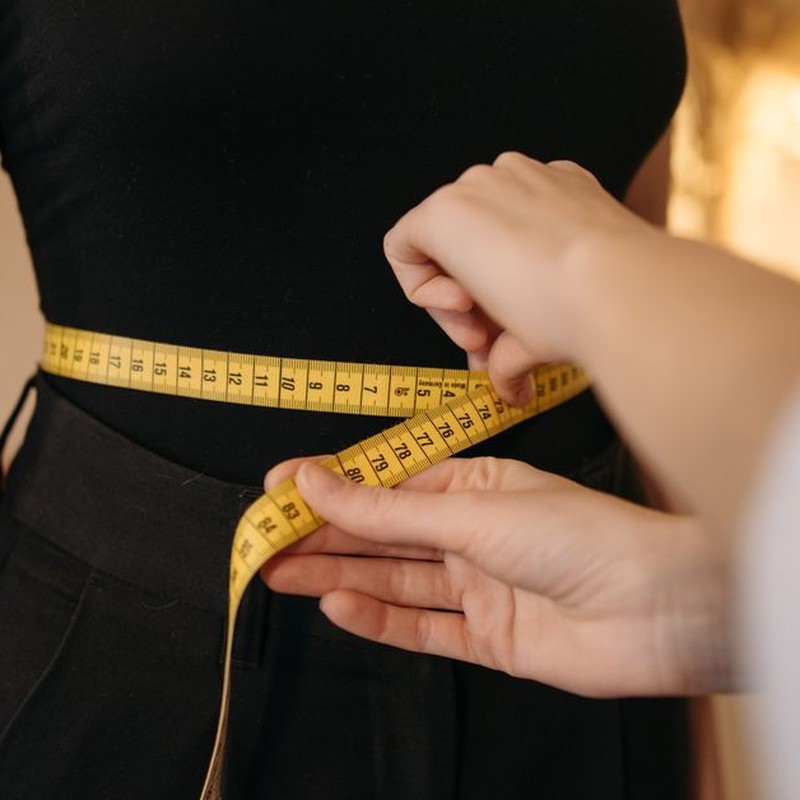
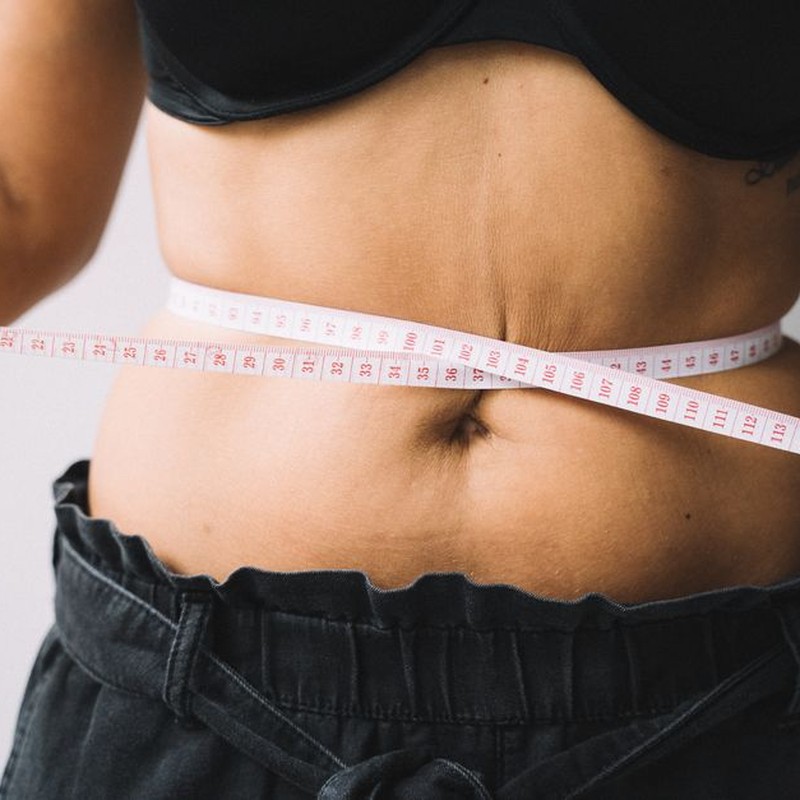
- Tape measure every two weeks: measure waist, chest, hips, and biceps. This shows tissue changes that the scale can’t.
- Weekly scale average: weigh every morning after using the bathroom, then average the seven numbers. This smooths out water shifts and shows the actual trend.
- Progress photos every two weeks: use the same time and lighting. You’ll see fat loss and muscle gain that the scale doesn’t reflect.
Recomposition can look like a three-week plateau while your waist gets smaller. The tape and photos tell the truth.
The Full Plan, Tools, and Four-Week Expectations
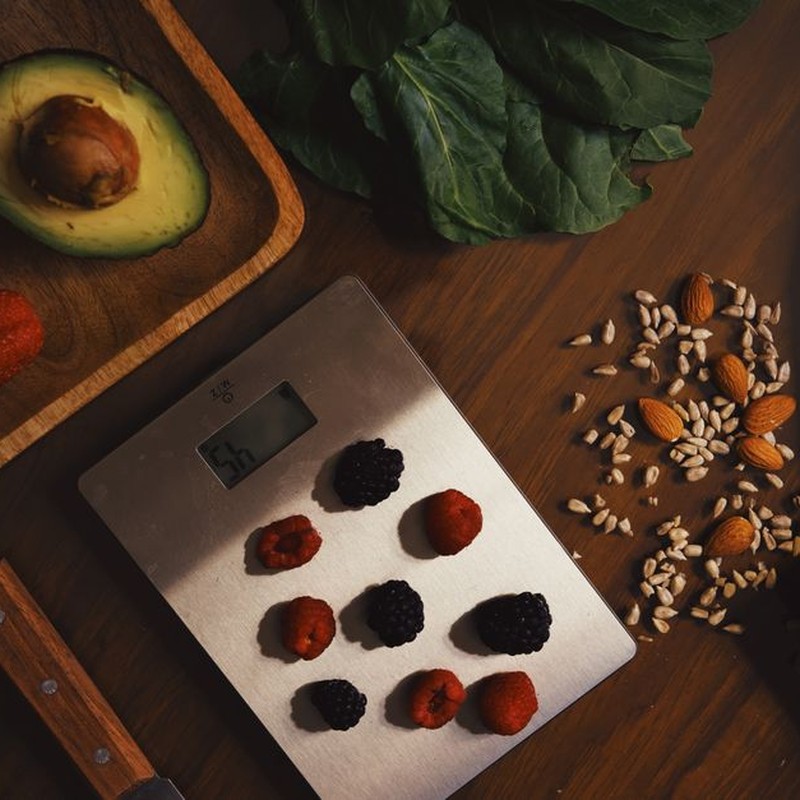
You don’t need a lab. Two tools make the difference: a digital kitchen scale and a digital body-weight scale. The kitchen scale lets you log food in grams instead of guessing cup sizes. The body scale, used with the weekly averaging method, gives a reliable trend line.
Before you start, check current prices on Amazon for both scales. The kitchen scale is often under $20, and the body scale isn’t much more. They cost less than a pair of workout shoes and keep you from flying blind. Do that once, then put the plan into motion:
- Eat 300 to 500 calories below maintenance, with at least 0.8 grams of protein per pound of body weight.
- Lift heavy two to four times per week, close to muscular failure.
- Sleep seven to nine hours every night.
- Measure with weekly averages, a tape measure, and two-week progress photos.
Those four steps reinforce each other. The deficit forces your body to use fat, the protein and lifting preserve muscle, and sleep keeps your hormones on your side.
Your first month will not be linear. Expect to lose one to four pounds of actual fat in four weeks, plus several extra pounds of water in the very first week. Your waist may be half an inch smaller. Your squat might jump a few pounds. Photos will show a subtle difference, not a new body. At six to eight weeks, the changes get obvious.
If you’re serious, check the prices on Amazon now, order both scales, and start tonight by planning tomorrow’s meals and setting a bedtime you can keep. Then come back to the comments in a month and tell us what your numbers looked like: how much weight came off, what the tape measure said, and which part of the plan made you want to quit. Your experience will help the next person who’s trying to figure out the same thing.