What Is BMI and Does It Actually Matter? Calculate Yours
BMI is everywhere. Your doctor mentions it. Insurance companies use it. Fitness apps calculate it for you. But if you have ever looked at your BMI number and thought “that does not seem right,” you are not alone.
BMI stands for Body Mass Index. It is a simple calculation using your height and weight. It has been around for nearly 200 years, and it shows no signs of going away. The question is whether it actually tells you anything useful.
Use our free BMI calculator to get your number. Then read on to understand what it actually means.
What BMI is and what it is not
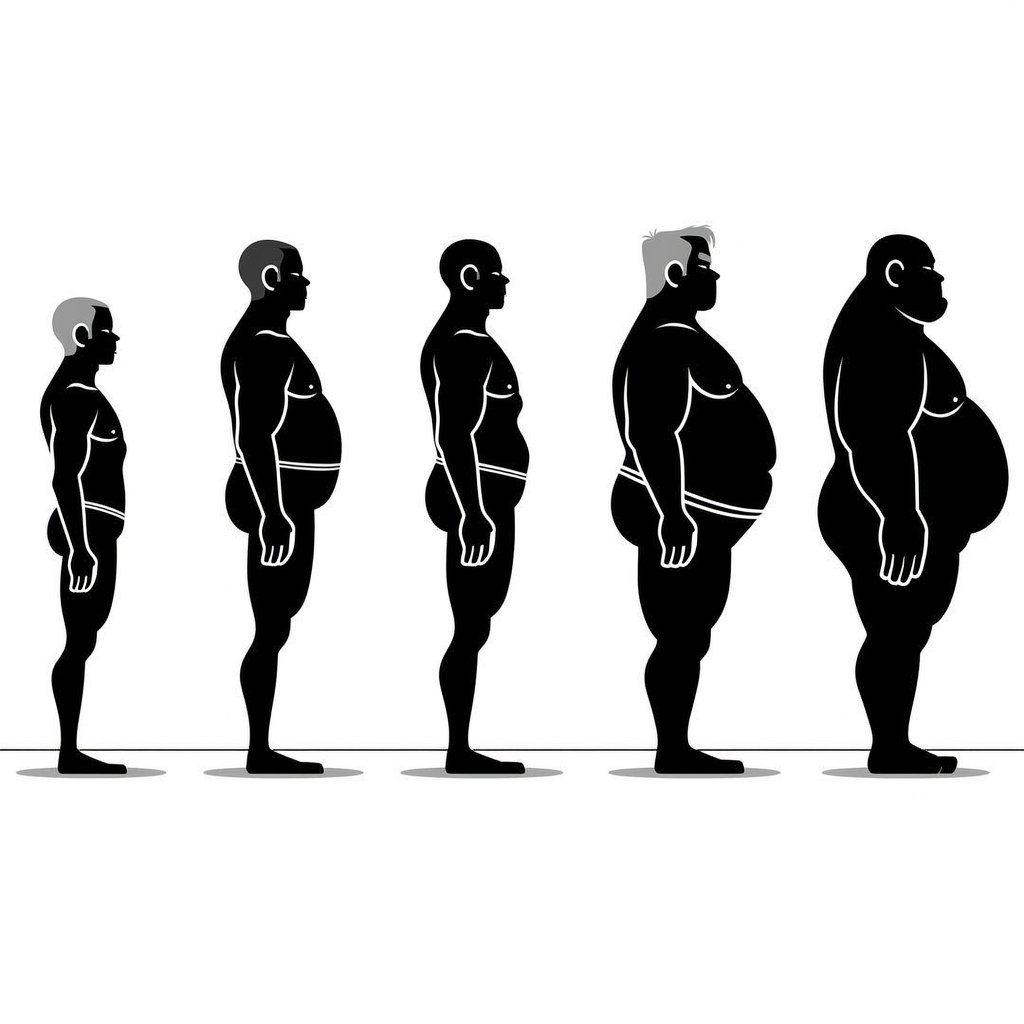
BMI was never designed to measure individual health. It was developed in the 1830s by a Belgian mathematician named Adolphe Quetelet as a way to describe the average body type of populations. He was not trying to tell anyone if they were healthy or not.
The formula is simple: weight in kilograms divided by height in meters squared. That gives you a number, and that number falls into a category.
- Below 18.5: underweight
- 18.5 to 24.9: normal weight
- 25 to 29.9: overweight
- 30 and above: obese
The problem is that this formula does not know the difference between muscle and fat. A professional rugby player and a sedentary person of the same height and weight would get the same BMI, but their body compositions are completely different.
Where BMI gets it wrong

The biggest issue with BMI is that it regularly misclassifies people who carry more muscle than average. If you lift weights and have built a decent amount of muscle, your BMI might put you in the “overweight” category even if your body fat percentage is perfectly healthy.
This works the other way too. Someone with a “normal” BMI can have high body fat and low muscle mass. This is sometimes called normal-weight obesity, and it carries its own health risks that BMI completely misses.
BMI also does not account for where your fat is stored. Belly fat around your organs is more risky than fat stored under the skin on your thighs or arms. Two people with the same BMI could have very different health profiles depending on their fat distribution.
For a more complete picture, combine your BMI with a body fat measurement. That tells you what BMI cannot.
When BMI is actually useful

Despite its flaws, BMI is not useless. At a population level, it correlates reasonably well with health outcomes. Large studies consistently show that people at the extreme ends of the BMI scale (below 18.5 or above 30) have higher mortality rates.
For people who do not exercise and carry average amounts of muscle, BMI is a decent screening tool. If your BMI is in the normal range and you live a mostly sedentary lifestyle, you are likely at a healthy weight. If it is above 30, there is a good chance your body fat is too high.
The problem is not BMI itself. The problem is using it as the only measure of health, which happens way too often in medical settings.
What to use instead of BMI
If you exercise regularly, body fat percentage gives you a more honest picture. Waist circumference is another simple metric that correlates well with health risk. A waist measurement above 40 inches for men or 35 inches for women is associated with higher health risks regardless of BMI.
Tracking your TDEE and paying attention to how your clothes fit and how you feel are also useful. No single number tells the whole story.
FAQs
Why do doctors still use BMI?
It is cheap, fast, and works reasonably well at a population level. For individual assessment, doctors should use it alongside other measurements.
Can athletes have a healthy BMI?
Yes and no. Many athletes fall into the overweight or obese BMI categories despite having low body fat. This is a known limitation of the formula.
Does BMI apply differently to different ethnicities?
Yes. Research shows that some Asian populations have higher health risks at lower BMIs. Some guidelines recommend lower BMI cutoffs for these groups.
Should I track BMI or body fat percentage?
Body fat percentage is more useful if you exercise. BMI is fine as a rough reference but should not be your main metric.
Can my BMI change without my weight changing?
Only if you get taller or shorter. BMI only uses height and weight. That is why it misses body composition changes that happen when you build muscle and lose fat at the same time.
Related Reading
Medical & Editorial Review: This article was reviewed by Liam Smith, founder of Apexfito, for accuracy and safety. Content is for educational purposes and is not a substitute for professional medical advice. Consult your physician before starting any exercise or nutrition program.