What to Eat 30 Minutes Before a Workout for Maximum Energy: A Simple Pre-Workout Snack Guide
Full disclosure: Some links in this article are affiliate links. We may earn a small commission at no extra cost to you if you make a purchase through them. Our recommendations are based on what real users report, not on commission size.
Why the 30-Minute Mark Works for Pre-Workout Nutrition
You’ve probably heard two conflicting things: eat a big meal two hours before lifting, or train fasted to burn more fat. Both have some merit, but for people squeezing in a workout before work or at lunch, the 30-minute window is the one that fits.
Research on nutrient timing suggests that the body handles carbohydrates well in the hours around training, but the exact timing window is wider than fitness marketing often makes it sound. The reason a small pre-workout snack matters has more to do with blood sugar than with muscle-building magic. Your muscles store glycogen as their primary fuel. Those stores are enough for many sessions, but heavy compounds and interval work demand more than your liver and muscles can pull from storage alone. A snack about 30 minutes out tops off blood glucose so you have easy fuel from the first rep, rather than digging into reserves before your warm-up is even done.
Digestion explains why 30 minutes works so well. Simple carbohydrates start leaving the stomach in about 20 to 40 minutes. A banana or a handful of crackers at the 30-minute mark lands in your bloodstream right as you start moving. If you eat under 15 minutes before lifting, that same banana is still sitting heavy in your stomach. You’ll feel sloshy or cramped within a few sets, and no amount of arm circles will fix that.
What about the old advice to eat two to three hours ahead? That approach works for bodybuilders with meals planned around training sessions. But if you wake up at 5:45 to make a 6:30 class, or you eat lunch after a midday workout, a three-hour gap isn’t realistic. A small pre-workout snack fills the gap without forcing you to redesign the rest of your day.
Fasted training isn’t wrong. Some people genuinely feel fine on an empty stomach, especially for low-intensity cardio. But sports nutrition guidance generally points the other way for hard sessions. Research suggests that for high-intensity training, a small pre-workout snack often beats an empty stomach. I used to train before dinner on an empty tank and wondered why my last set of bench press felt awful. A few rice cakes with honey 30 minutes beforehand changed that. That’s one person’s experience, but it matches what many sports dietitians tell their clients.
Here’s the practical part. Keep the snack to about 15 to 30 grams of easily digestible carbs. Good choices:
- A medium banana
- Two rice cakes with a thin layer of jam or honey
- An applesauce pouch
- A small handful of dry cereal or pretzels
- Half a bagel or one slice of white bread
If you already ate a real meal two to three hours before, you probably don’t need the 30-minute snack, unless that meal was tiny or you feel low on energy. Skip anything high in fat, fiber, or protein right before training because it digests too slowly and leaves you uncomfortable.
The 30-minute window is a tool, not a strict law. For some workouts, 20 minutes feels better; for others, 40 minutes works. Start with a banana around half an hour before your warm-up, then adjust based on your stomach and energy. If you find a snack that works consistently, share it in the comments.
What to Eat: Fast-Digesting Carbs and Light Protein
You have thirty minutes. That’s not a lot of time for your stomach to move food along, so you need foods that break down quickly and hit your bloodstream without making you feel heavy. This isn’t complicated. Find two or three options you like, and you’ll stop thinking about it entirely.
I’ve cycled through plenty of pre-workout snacks. The ones that actually stick are boring—and that’s a good thing. When you’re about to squat or deadlift, you don’t want to wonder if that big bowl of oatmeal and peanut butter is coming back up. You want fuel that feels like nothing, just steady energy.
Start with a Banana
A banana is the gold standard for a reason. A medium banana gives you about 27 grams of carbs, mostly sugar and starch that your body can use quickly. It’s also easy on the stomach, and you don’t need any prep or a plate. Grab it, peel it, eat it. That’s the whole routine.
I keep a bunch on the kitchen counter and take one with me when I head to the gym. If I’m training within half an hour of waking up, a banana is the only thing I want. It doesn’t fill me up, it doesn’t make me bloated, and it tastes fine even when I’m still half asleep.
If you prefer something else, an apple with a little peanut butter can work, but peanut butter adds fat and slows digestion. Keep the portion small if you go that route. A banana is simpler.
Rice Cakes with Honey or Jam
Rice cakes are another one of my regulars. They’re basically just puffed rice, so they don’t sit heavy like bread. A plain rice cake has about 7 grams of carbs, and when you add a thin layer of honey or jam, you get a quick source of glucose without the heaviness of a sandwich.
One rice cake with honey might not be enough for most people. I usually have two or three, depending on how far out from training I am. If I’m exactly 30 minutes out, two rice cakes with a thin scrape of jam give me around 25 to 30 grams of carbs. That sits right in the range I’m looking for.
The trick is to keep the topping light. A heavy layer of nut butter or a thick slab of jam can turn a light snack into something that sits in your stomach. Use a thin layer, and if you want a little flavor, go with a high-sugar jam or honey. Those are easier to digest before training than heavy, fiber-rich nut butters.
A Little Protein, Not a Lot
Protein before a workout is helpful, but it’s not an urgent requirement. Your body isn’t going to start breaking down muscle just because you didn’t eat a protein bar in the 30 minutes before lifting. The protein you eat across the whole day matters a lot more. That said, a small amount before training can keep amino acids circulating and support recovery afterward.
I keep the protein small. A quarter scoop of whey mixed in water is about 6 grams of protein and settles quickly. You can also eat a few bites of Greek yogurt—not a whole cup, just a few spoonfuls. Two or three bites give you around 5 grams of protein without making you feel full. That’s enough.
What I avoid is a full protein shake with milk and banana and peanut butter blended together. That’s a meal, not a pre-workout snack. It sits like a brick in your stomach, and you’ll feel it about ten minutes into your session. If you need protein before training, stick to the smaller amounts. Your post-workout shake can be the bigger one.
The Portion Rule That Keeps It Simple
If you only remember one number, use this: 20 to 40 grams of carbohydrates and 5 to 10 grams of protein in that 30-minute window. Everything else is just picking foods that fit those numbers.
- 20 to 40 grams of carbs — about one banana, or two rice cakes with honey, or two slices of white bread with jam, or a handful of dried dates.
- 5 to 10 grams of protein — a quarter scoop of whey, a few bites of Greek yogurt, or one hard-boiled egg white.
- Low fat, low fiber, low volume. You want food to leave your stomach fast, not linger.
Anything bigger than this, and you’ll still be digesting when the barbell starts loading. That means less blood flow to your muscles, more chance of cramping, and a general feeling of being weighed down. I’ve made that mistake enough times to know.
Two Simple Pre-Workout Combos I Use
The first combo is a banana and a small glass of water. That’s it. If I’m doing a lower-body session, this is usually enough to get me through without feeling empty or full.
The second combo is two rice cakes with a thin layer of honey plus a quarter scoop of whey stirred into about eight ounces of water. I mix the whey, put the rice cakes on a small plate, and eat them in the car on the way to the gym. That might not sound fancy, but it works every time. The carbs are there, the protein is there, and by the time I’ve changed my shoes and set up my workout, my stomach is quiet.
If you train at home, the same combos work. You don’t need a kitchen full of supplements. Grab a banana, open a tub of Greek yogurt, or keep a packet of rice cakes in your gym bag.
Put It Into Practice
Pick one of these options and try it on your next training day. Note how you feel at the start and around the middle of your workout. If you feel sluggish, add a little more carbohydrate. If you feel full and uncomfortable, trim the portion or give yourself a couple more minutes to digest.
For shelf-stable options like rice cakes and whey protein, check current prices on Amazon before your next shopping trip. They don’t need to be expensive, and having them on hand makes it easier to stay consistent.
And if you try one of these combos, share your experience in the comments below. I’m curious to hear what works for you, especially if you train early in the morning or on a lunch break.
Foods That Will Sabotage Your Workout (Skip These)
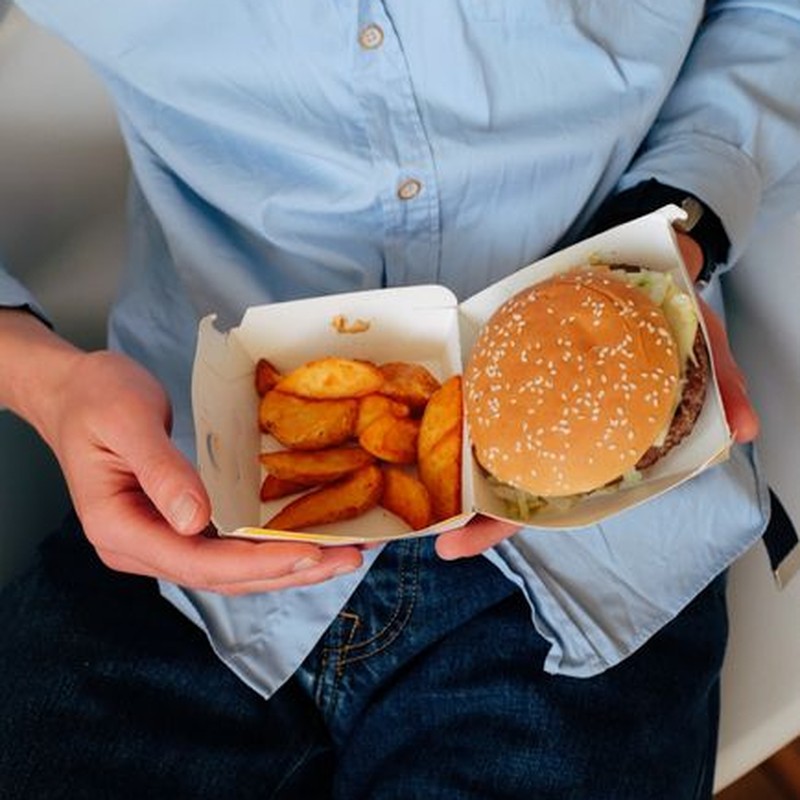
You can set your alarm, pack your gym bag, and still feel wrecked ten minutes into a workout because of what you ate an hour earlier. I’ve been there too many times. The right pre-workout snack isn’t complicated, but the wrong one can make the same session feel twice as hard.
The common thread behind most pre-workout stomach issues is gastric emptying, the speed at which food leaves your stomach and enters your small intestine. Exercise already shifts blood flow toward working muscles. When a heavy or slow-digesting meal is still sitting in your stomach, your body has to juggle two demands at once. For many people, the result is nausea, bloating, or a sudden drop in energy. Here are the foods that cause the most trouble in the 30-minute window.
High-Fat Foods: Slow Digestion and a Heavy Stomach
Fat is an essential nutrient, but it empties from the stomach more slowly than carbohydrates. Research on gastric emptying and gastrointestinal discomfort during exercise consistently shows that meals higher in fat take longer to move along. That’s fine on a rest day. Right before a workout, it can leave you feeling like you swallowed a rock.
I once ate a small serving of almonds and a cheese stick about 20 minutes before a rowing interval workout. By the third interval, my stomach was sloshing and I had to slow down. The food had no business being there yet.
For the 30-minute pre-workout window, keep fat low. Skip fried food, nuts, cheese, creamy dressings, and rich leftovers. Instead, try a banana, white rice cakes with a thin layer of jam, or a low-fat granola bar. You need quick carbohydrate energy, not a slow-release fuel that will still be digesting during your third set.
High-Fiber Foods: Gas, Bloating, and a Weakened Brace
High-fiber foods belong in your normal diet. Broccoli, beans, lentils, and big salads are excellent meals when you have time to digest. But fiber ferments in the colon, and for many people that fermentation produces gas. Bloating from gas makes it harder to brace your core. It can also trigger side stitches or a sudden need to find a bathroom.
I learned this with a lentil-heavy salad before a leg day. The session itself wasn’t brutally hard, but my midsection felt like I was wearing a belt that was two sizes too small. I could not create proper abdominal pressure, which made every squat feel unstable.
Keep high-fiber foods at least two hours away from training. If you’re inside the 30-minute window, choose low-fiber carbohydrates: white bread, rice crackers, a ripe banana, or a plain bagel. These digest quickly and give your muscles the glucose they need without the gut drama.
Heavy Meals: Your Stomach and Your Quads Compete for Blood Flow
Protein is necessary for recovery, and chicken and rice is a perfectly good meal. But if you finish it an hour before you train, you’re asking your digestive system to work hard at the same time your leg muscles are demanding oxygen. Blood cannot be in two places at once. A large meal diverts blood flow to the gut, and working muscles end up with less.
This is why many people feel slow and heavy right after a full meal. It’s not just in your head. Digestion takes energy, and a huge volume of food delays gastric emptying. For many lifters, the solution is time. Give yourself two to three hours after a full meal before you work out. If your schedule won’t allow that, shrink the meal and focus on carbs rather than protein within the 30-minute window. Save the chicken breast for your post-workout meal.
Sugary Sports Drinks: A Short Spike and a Longer Slump
A bright-colored sports drink can taste like rocket fuel before a workout, but for many people the rush doesn’t last. Products that rely on high fructose corn syrup can deliver a rapid rise in blood sugar followed by a sharp drop. Fructose in large amounts is also slower to absorb and can cause stomach cramping for some people. That combination of a crash and a cramp is the last thing you want mid-set.
There’s a place for sports drinks: endurance sessions lasting more than 90 minutes, when you need electrolytes and rapid carbohydrate delivery. For a standard hour in the gym, your body doesn’t need that kind of sugar load. Dates, a banana, or white rice cakes with a little honey will release glucose more steadily and won’t leave you nauseous.
The pattern is straightforward: keep the 30-minute pre-workout snack low in fat, low in fiber, and moderate in size. If the meal you just ate was greasy, bean-heavy, or huge, your workout will probably feel worse than it should. Make the change for a few weeks and you’ll notice how much easier it is to stay sharp from the first rep to the last.
If you’re trying to find a pre-workout snack that doesn’t sit heavy, check current prices on Amazon and see what other lifters recommend. Then leave a comment with what works for you.
Build Your 30-Minute Pre-Workout Snack: Five Simple Combos
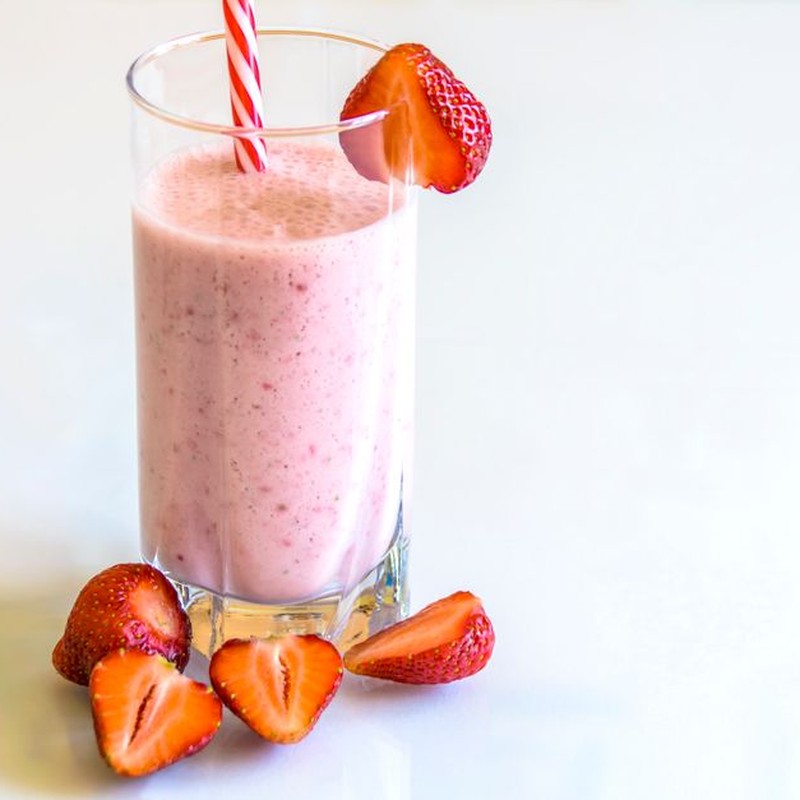
By now, the formula should feel familiar: fast-digesting carbs, a little salt, and water within the half-hour before you train. The hard part is making that formula fit real life. These five combos cover the range you’ll likely need—from a light 15-gram applesauce pouch on queasy mornings to a more solid 30-gram toast-and-jam snack—and every one of them takes about a minute to throw together. I’ve used all of them: before early runs, before heavy squat sessions, and on mornings when I had to eat while locking my bike outside the gym.
Treat the portion sizes as starting points. If you train longer, sweat heavily, or carry more muscle, add a bit more. If you’re doing a quick 30-minute session, a smaller snack is plenty.
Combo 1: Half a Banana with a Few Dried Apricots
This is the fastest portable option I know. Half a banana gives you quick glucose plus some fructose, and three or four dried apricots add another 10 to 12 grams of carbs along with potassium. Combined, you’re looking at roughly 25 grams of carbs, with zero prep and zero risk of a leaky container in your bag.
I’ve eaten this on a gym bench more times than I can count. Chew the apricots first so they don’t glue themselves to your teeth during your warm-up.
Combo 2: Two Rice Cakes with Honey and a Coffee
If your routine already includes caffeine, this combo is hard to beat. Two plain rice cakes add about 14 grams of carbs, and a tablespoon of honey brings another 17. That’s around 31 grams total, and the coffee is the performance part: caffeine is one of the few ingredients with solid evidence behind it as an ergogenic aid. It doesn’t just make you awake; it can make the first few working sets feel less miserable.
The caveat is tolerance. Caffeine only helps if you’re used to it. If it gives you jitters or sends you running for the bathroom, skip it or keep it to half a cup.
Combo 3: A Small Applesauce Pouch
An unsweetened applesauce pouch has about 15 to 20 grams of carbs, zero fat, and the texture of baby food. That last part is a feature when you’re queasy before an early workout. No chewing required. You can tear the top off and drink it while walking from your car to the gym door, which is exactly how I use it on days when the alarm didn’t wake me up.
Keep one in your gym bag as a backup. It’s also a decent option if you’re running late and need to eat on the move.
Combo 4: A Slice of White Toast with Jam, No Butter
White bread doesn’t have a great reputation, but for pre-workout fuel it’s exactly what you want because it digests quickly. Add a layer of jam and you’re at 25 to 30 grams of carbs with about ninety seconds of prep.
Skip the butter. Fat slows down how fast your stomach empties, and that works against you when you’re about to train. I learned this with a peanut butter bagel before deadlifts one night—I felt heavy and bloated through my entire warm-up. If you want some flavor, warm the toast slightly and use a jam you actually like.
Combo 5: A Handful of Pretzels with a Glass of Orange Juice
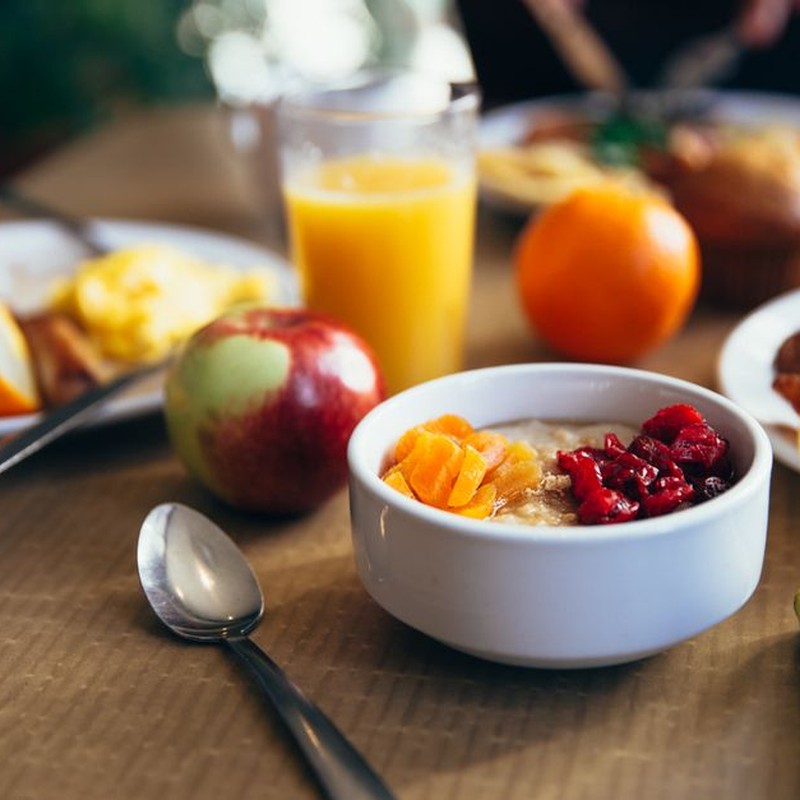
This one covers both sweet and salty. A generous handful of pretzels gives you refined carbs and a little sodium, and 8 to 12 ounces of orange juice brings the total carb count to about 25 to 30 grams. The sodium helps your body hold onto the water you’re drinking, which becomes important during longer sessions in a hot gym.
I use this combo before long bike rides. On hot days, I’ll add a pinch of salt to the juice and call it a day.
Pair Every Snack with Water
All five snacks work best when you wash them down with 12 to 16 ounces of water. Dehydration can cut your strength and endurance long before you feel thirsty, and it hits your energy harder than missing a snack altogether. If your snack includes coffee or orange juice, count those toward your fluids, but still drink plain water on top. Sip it during the last 15 minutes before you train, and take a few swallows during your warm-up if your stomach allows.
Stock Up and Share
None of these combos need specialty stores, but they do need to be in your kitchen when you’re in a hurry. If you want to stock up on portable staples like applesauce pouches, rice cakes, or a reliable whey powder for after training, check current prices on Amazon before your next gym trip. Keeping extras at home means you’re never staring into an empty cupboard at 5:45 a.m.
What’s your go-to pre-workout food? Drop a comment and let me know. Your note might be exactly what another reader needs to solve their own timing problem.
Medical & Editorial Review: This article was reviewed by Liam Smith, founder of Apexfito, for accuracy and safety. Content is for educational purposes and is not a substitute for professional medical advice. Consult your physician before starting any exercise or nutrition program.