How Much Protein Women Over 40 Actually Need During Menopause
Full disclosure: Some links in this article are affiliate links. We may earn a small commission at no extra cost to you if you make a purchase through them. Our recommendations are based on what real users report, not on commission size.
Why Protein Needs Shift After 40 and Through Menopause
I started lifting in my late thirties. By 44, recovery took longer, soreness lingered, and the same workout that used to leave me energized left me flat. That shift isn’t in your head. It’s biology, and protein sits right in the middle of it.
After 30, women lose roughly 3 to 8 percent of muscle mass per decade. For many, that slide speeds up during perimenopause and menopause. Estrogen does more than regulate cycles. It plays a role in bone remodeling, muscle repair, and where your body stores fat. As estrogen drops, you get a double hit: muscle gets harder to hold onto, and fat tends to migrate toward the belly. Protein needs often climb at exactly the moment appetite or long-standing diet habits do not.
Then there’s anabolic resistance. Older muscle responds less to small protein doses. A 10-gram snack that sparked repair at 25 does much less at 50. Each meal needs a meaningful amount, think 25 to 40 grams, to trigger muscle protein synthesis. Spreading protein across three or four meals beats loading it all at dinner.
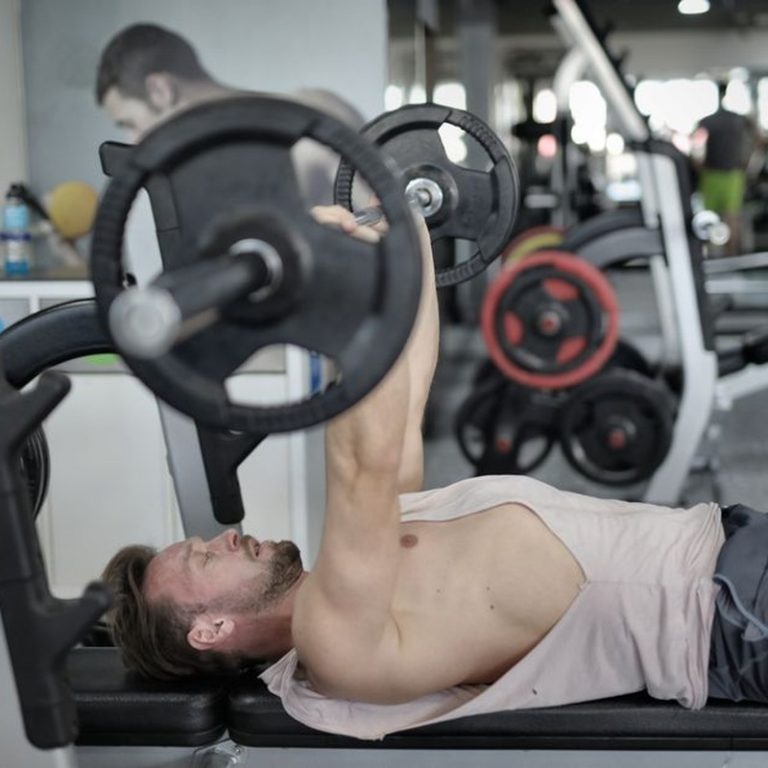
Protein alone won’t save your muscle. It’s one leg of a stool. Resistance training is the signal that tells your body to keep the tissue you already have, and enough calories, sleep, and recovery time decide whether you build more. I’ve watched women eat 120 grams of protein a day and still lose strength because they never lifted anything heavier than a grocery bag.
Practical starting point: 1.2 to 1.6 grams of protein per kilogram of body weight daily (about 0.55 to 0.73 grams per pound). A 150-pound woman lands around 82 to 110 grams. Build each meal around a palm-sized protein source, such as chicken, fish, Greek yogurt, cottage cheese, eggs, tofu, tempeh, or lean beef, then add a scoop of protein powder if you come up short.
And about your kidneys: protein does not damage them in otherwise healthy adults. That claim has been studied and rejected. If you have kidney disease, follow your doctor’s plan instead.
How Much Protein Women Over 40 Actually Need Each Day
The standard RDA for protein is 0.8 grams per kilogram of body weight per day. For a 150-pound woman, that’s about 46 grams. But that number is a minimum to prevent deficiency, not a target for protecting muscle through menopause. Research on midlife women points to a higher range: 1.2 to 1.6 grams per kilogram per day, or about 0.55 to 0.73 grams per pound. For a 150-pound woman, that’s 82 to 110 grams daily. That’s a big jump from 46, and it’s intentional.
If you’re lifting weights, trying to lose fat, or recovering from illness, you can push toward the higher end: 1.6 to 2.0 g/kg (0.73 to 0.91 g/lb). For that same 150-pound woman, that’s 110 to 136 grams per day. I’ve seen this range work well for clients who strength train and want to change their body composition.
But the daily total is only half the picture. How you spread it matters. Your muscles respond best to a meaningful dose every few hours. Aim for 25 to 40 grams per meal, across 3 to 4 meals. A single large dinner with 60 grams doesn’t build muscle as well as three meals with 30 grams each. When I shifted my own protein from a skimpy breakfast and lunch to a more balanced distribution, my recovery and energy improved noticeably.
What does 25 to 40 grams look like? A palm-sized portion of chicken or fish (4 to 6 ounces) gives you 30 to 40 grams. A cup of Greek yogurt or cottage cheese is around 20 to 25 grams. Two eggs plus a scoop of protein powder in a smoothie can hit 30 grams. You don’t need to be perfect, but consistency is what counts.
If you’re not sure how much you’re currently eating, track your protein for 3 to 5 days using a food scale or an app like MyFitnessPal. I did this for a week and was surprised to find I was only getting about 60 grams on days I thought I was doing well. Once you learn what 30 grams looks like on your plate, you can stop tracking and estimate. Precision matters less than hitting your range most days of the week.
Start where you are. If your current intake is low, don’t jump from 50 grams to 110 overnight. Add 20 to 30 grams per day as a first step. That might be a protein-rich breakfast, a scoop of protein powder in your afternoon snack, or a larger serving of meat at dinner. Give your body a few weeks to adjust.
Menopause symptoms like poor sleep, hot flashes, and stress can increase muscle breakdown. That’s another reason to aim for the higher end of your range. If you’re struggling with appetite or nausea, focus on easy-to-digest proteins like Greek yogurt, eggs, or a quality protein powder.
If you’re trying to lose fat, a higher protein intake helps preserve lean mass while you’re in a calorie deficit. I’ve seen women lose weight successfully while keeping their protein at 1.6 g/kg or more.
If you need help hitting your target, a protein powder can be convenient. You can check current prices on Amazon for a brand you trust. And if you’ve found a strategy that works for you, share it in the comments—I love hearing what’s working for other women in this stage of life.
Best Protein Sources and Simple Ways to Hit Your Target
Getting 25 to 40 grams of protein into a meal sounds fussy until you see what it actually looks like on a plate. No scale required. You just need a handful of reliable foods and a rough sense of portion sizes.
Animal proteins that pull their weight
Greek yogurt, cottage cheese, eggs, chicken, turkey, fish, and lean beef all deliver complete protein, meaning they carry leucine — the amino acid that kicks off muscle repair. A palm-sized portion of meat, fish, or tofu lands around 20 to 30 grams. One cup of plain Greek yogurt adds about 20. A cup of cottage cheese gets you near 24. Two eggs give you about 12, so I usually toss in a few egg whites to push breakfast toward 30.
There are bonus nutrients, too. Dairy brings calcium, fish brings omega-3s, lean beef brings iron and zinc. If dairy sits fine with you, plain Greek yogurt and cottage cheese in a big tub are two of the cheapest protein-per-dollar buys in the store.
Plant proteins can absolutely work
Tofu, tempeh, edamame, lentils, chickpeas, hemp seeds, and soy milk are all strong choices. They do not each need to be complete proteins on their own. Mix them across the day and you will cover the essential amino acids. A half-cup of lentils, a cup of edamame, or a scoop of pea protein pushes a plant-based meal into the 25 to 40 gram range. Soy milk runs about 8 grams per cup, and three tablespoons of hemp seeds add roughly 10.
I keep frozen edamame and canned lentils in the pantry for fast lunches. Lentil soup with whole-grain toast and a spoon of hemp seeds gets me to about 25 grams without thinking about it.
Powders: convenient, not required
Whey, casein, soy, pea, and blended powders can rescue a busy day. They are a tool, not a rule. Pick one that mixes smooth and does not leave you bloated — this varies a lot from person to person, so try a small tub before committing to a five-pound bag. I use unflavored whey isolate in oatmeal. A dairy-free friend blends pea and rice protein into her smoothies. If powders bother your gut, skip them and eat food instead.
A 30-gram breakfast in five minutes
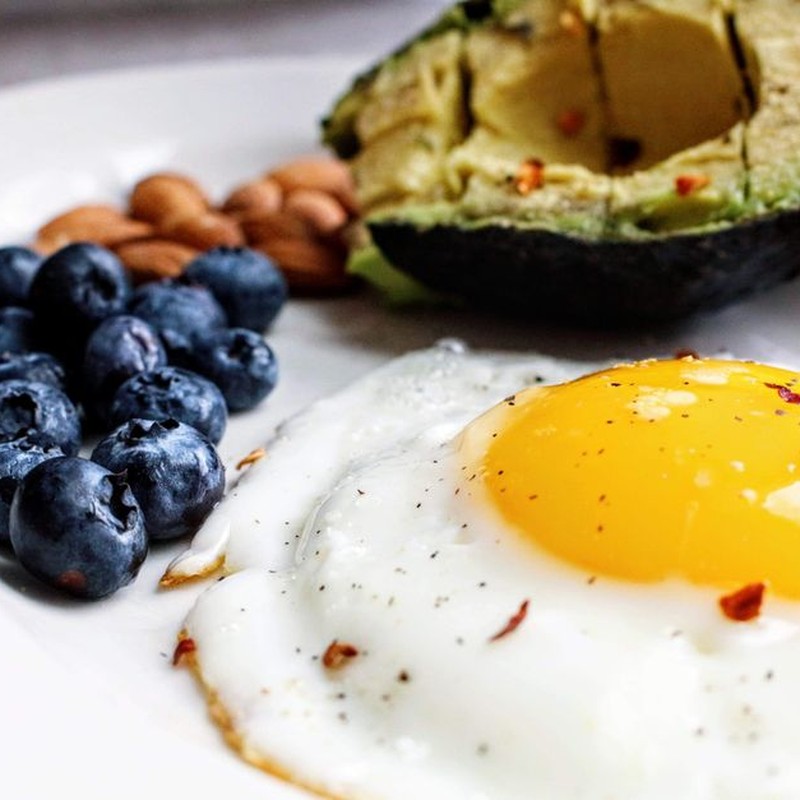
One cup of Greek yogurt with nuts and berries. Cottage cheese with fruit and a spoon of almond butter. A smoothie with milk, yogurt, and a scoop of powder can reach 35 grams fast. Plant-based version: soy milk, pea protein, and hemp seeds blended together land near 38. Breakfast is where most women over 40 fall short, not dinner. Fix that first meal and the daily total usually sorts itself out.
Budget-friendly moves
Eggs, canned tuna or salmon, cottage cheese, tubs of plain Greek yogurt, dried lentils, and tofu stretch a grocery budget further than any protein bar. Store brands work fine. A rotisserie chicken covers two or three meals. Keep hard-boiled eggs in the fridge for grab-and-go snacks. Compare unit prices rather than package prices, since the bigger box is not always cheaper.
If you do buy powder, check current prices on Amazon, because they swing a lot from month to month. Then drop a comment with the protein sources you actually enjoy and what is working in your own routine.
Sample Day, Tracking Tips, and Next Steps for Muscle Preservation
Here is a sample day that lands near 110 grams of protein without six meals or cutting carbs. I’ve used this template when my schedule is packed. Adjust portions to your hunger and body size.
- Breakfast (30g): 1 cup plain Greek yogurt (20g) + 2 tablespoons hemp seeds (6g) + 1/2 scoop vanilla protein powder (12g). Or 3 eggs (18g) + 1/2 cup cottage cheese (14g) on toast.
- Lunch (30g): 3 oz leftover chicken (26g) + 1/2 cup chickpeas (7g) over greens with olive oil and lemon. That’s 33g and takes five minutes.
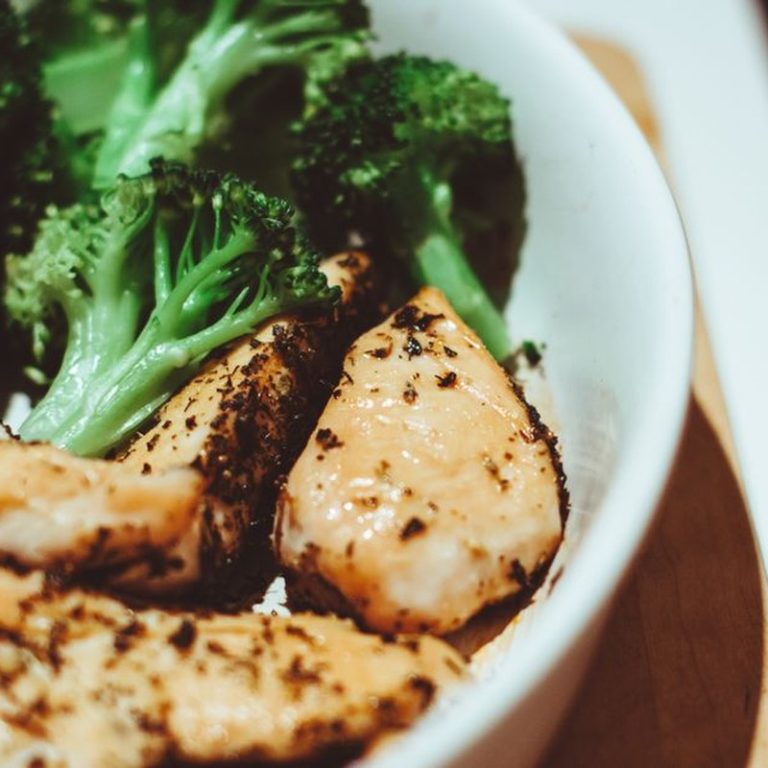
- Dinner (30g): 4 oz salmon (28g) + 1/2 cup edamame (9g) + roasted broccoli. Or 4 oz lean beef (30g) with potatoes and green beans.
- Snack (20g): 1 cup cottage cheese (24g) with berries, or a shaker with 1 scoop whey or pea protein (20-25g) and water.
That adds up to about 110 grams. You don’t need to hit that exact number daily. Aim for 90-120 grams most days and you give your muscles a fighting chance through perimenopause and menopause.
Tracking doesn’t require an expensive app. For three days, type what you eat into your phone’s notes. Eyeball protein grams from labels. You’ll quickly see which meals are protein anchors and which are mostly carbs and fat. A food scale helps for a week, then put it away. A shaker bottle and a small cooler bag make protein portable. I keep frozen edamame and a carton of egg whites in my fridge for low-effort add-ons.
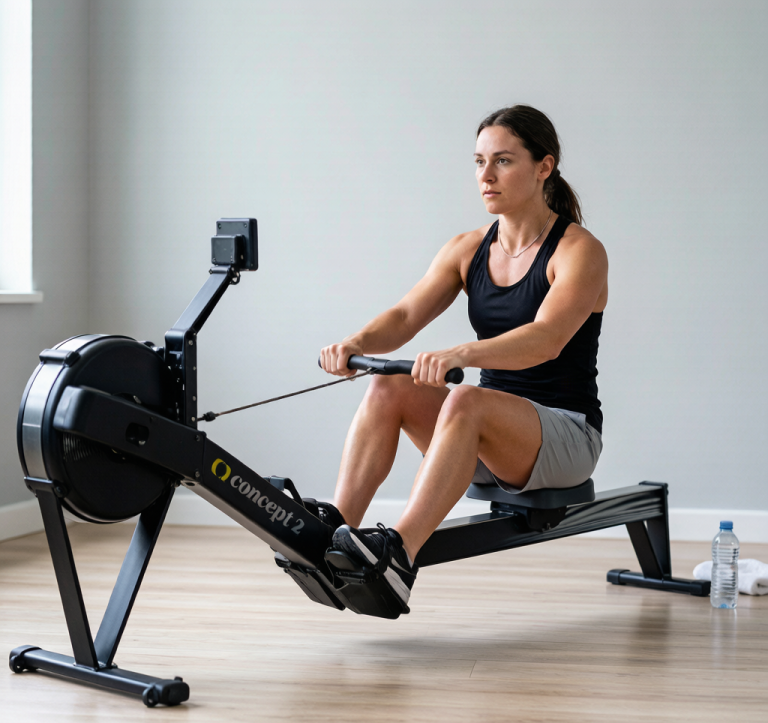
Pair this with resistance training two or three times per week. Bodyweight squats, resistance bands, and a pair of dumbbells at home are enough to start. Protein without a training stimulus is like bricks without a builder. You need both. Even 20 minutes of squats, push-ups, rows, and hip hinges signals your body to keep the muscle you have.
Digestive changes are common when you raise protein. Gas, bloating, or constipation usually mean you went too fast or didn’t add enough fiber and water. Increase protein by about 10 grams every few days. Drink water throughout the day. Add vegetables, fruit, whole grains, and beans. If protein powder gives you stomach cramps, try whey isolate, pea protein, or egg white protein.
Talk with a doctor or dietitian if you have kidney disease, take medications that affect protein metabolism, or have unexplained weight loss. Those situations need personalized guidance, not a blog post.
If you want convenience, check current prices on Amazon for protein powders, shaker bottles, or portion tools. I’ve tested a few shakers that don’t leak and a $12 food scale that still works after two years. Then share your experience in the comments. What protein breakfast actually keeps you full? What snack do you keep in your purse? Other women over 40 can learn from your real-world wins.