Why You Regain Weight After Dieting: The Biology of Weight Maintenance
The New Clue About Weight Regain (And Why It’s Not Your Fault)
You lost the weight. You did the work — the meal prep, the early mornings, the weekends you stayed on plan. Then, slowly or all at once, it came back.

If that sounds familiar, you’re not an outlier. Regain after dieting is a common experience, and it’s one a lot of people deal with quietly. On October 5, 2026, The Washington Post published a report titled “Scientists uncover a clue that could hint at why we regain weight after diets.” The reporting points to a biological mechanism that researchers have not yet fully characterized — a finding that hints at something happening inside the body rather than a failure of effort.
That distinction matters. The research on weight maintenance has been pointing in one direction for a while: the body treats weight loss as a threat and responds to defend the weight you started at. The new reporting fits into that picture instead of contradicting it. It’s another piece of evidence that regain is physiology at work.
Which means it is not a character flaw. It isn’t proof that you’re weak or that you did something wrong. Your body is doing exactly what bodies evolved to do.
I’ve watched this play out with people I train. Someone drops 30 pounds, feels unstoppable, then spends the next year frustrated by every pound that creeps back. The frustration is real. So is the biology underneath it.
So where does that leave you right now? Two things help immediately. First, separate your self-worth from the number on the scale — the scale is data, not a verdict. Second, treat maintenance as its own skill, the same way you treated weight loss as a skill. It has its own rules, its own habits, and its own learning curve, and most people never get taught any of it.
You learned how to lose weight. You can learn how to keep it off.
If you’ve been through this cycle, say so in the comments. It helps more people than you’d guess.
How Your Body Pushes Back After Weight Loss
Losing weight and keeping it off are two different jobs, and your body treats them that way. The moment you drop pounds, it doesn’t just note the smaller number on the scale. It adjusts.
The clearest example is resting energy expenditure, the calories you burn just staying alive. Picture a thermostat. When the room cools down, the thermostat doesn’t shrug and let the temperature keep falling. It kicks the heat on harder to pull things back to the setting it’s used to. After weight loss, your body does something similar: resting energy expenditure drops. Some of that is simple math, since a smaller body needs less fuel. But part of the drop goes past what the math predicts. Your body gets more efficient, spending fewer calories on the same work. That explains a frustrating experience a lot of us have had: eating the amount that used to keep you lean, and watching the scale drift up anyway.
Hunger signaling shifts too. Ghrelin, the hormone that nudges you to eat, tends to rise after weight loss. Leptin, which helps you register fullness, tends to fall. So appetite gets louder while the stop signal gets quieter. I went through this after a long diet phase a few years back. Normal portions started looking small, and I’d be rummaging through the kitchen an hour after dinner. Nothing about that felt like a decision I was making.
What catches people off guard is the timeline. These shifts don’t pack up and leave when you hit your goal weight. Research on people who have lost significant weight suggests these changes can persist for months and sometimes longer, with the body continuing to defend a higher weight long after you’ve mentally moved on.
That reporting adds another piece to the picture, one more mechanism that may help explain why regain is so common. It’s a piece, though, not the whole puzzle. No single finding accounts for everyone’s experience. Genetics, sleep, stress, the food around you, medications, and plain life circumstances all pull on the same rope.
None of this makes maintenance impossible. People do hold onto weight loss. The ones who manage it aren’t winning a willpower contest. They’re working with their physiology instead of fighting it head-on, and the habits that pull that off look different from the ones that got them to their goal in the first place.
Practical Tactics for Holding Onto Your Results
Understanding why your body pushes back is useful, but it does not keep the weight off by itself. These are the five habits I lean on personally, and the ones I would hand to anyone trying to hold onto a hard-won loss. No gym required, no complicated tracking.
1. Anchor every meal with protein
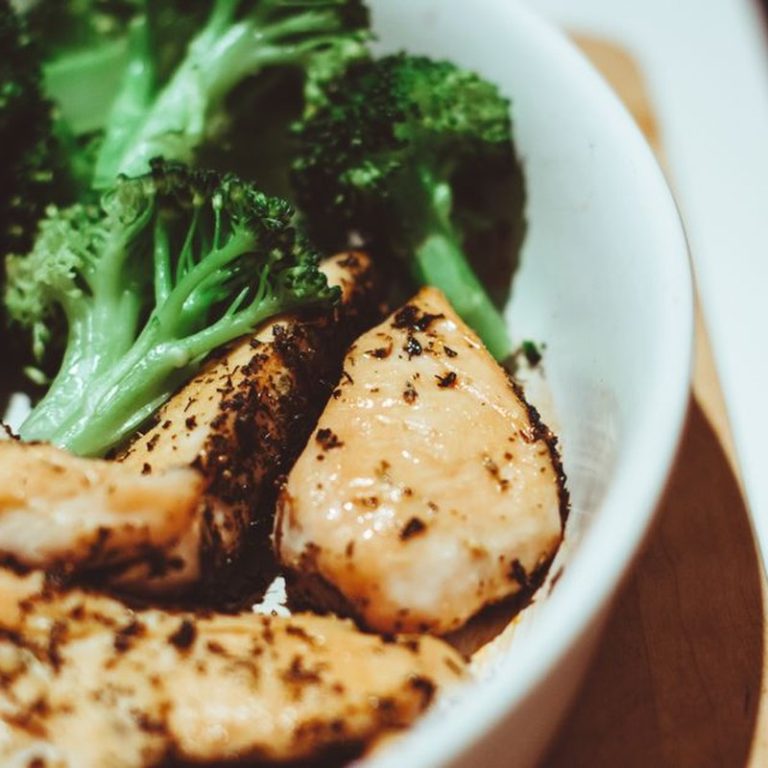
Protein is the simplest lever you have. It keeps you full longer, and it helps protect muscle while you are eating less. A palm-sized portion at each meal does the job: eggs at breakfast, chicken or tofu at lunch, Greek yogurt as a snack, fish at dinner. I keep cooked shredded chicken in my fridge because it removes the decision. When protein is the first thing I reach for, I am not digging through the pantry an hour later. You do not need to count grams. Just ask whether there is a protein anchor on the plate. If not, add one.
2. Train two or three times a week
Muscle is metabolically active, and some of what you lose during a diet is muscle if you are not training. Two full-body sessions a week is enough to start, and you can do them at home with nothing but a resistance band and the floor.
Day one: bodyweight squats, incline or knee push-ups, glute bridges, band rows, plank. Day two: reverse lunges, band overhead press, hip hinges, band pull-aparts, dead bug. Two sets each, 8 to 15 reps, rest about a minute between sets. Add a rep or a little more band tension each week. Cues for each movement are in the movementBreakdown above if you want to check your form.
3. Weigh in, but read the trend
Daily weigh-ins only help if you interpret them correctly. Weight can fluctuate by two to four pounds from water, sodium, and hormones, so a single morning number tells you almost nothing. I step on the scale after the bathroom and before coffee, log it, then ignore the day and look at the weekly average. Up three pounds after a salty dinner? That is water. A steady climb across two or three weeks? That is signal. If daily weighing makes you anxious, weigh once a week and move on.
4. Stay flexible and plan for the hard weeks
Rigid rules break; flexible patterns bend. Swap the idea that you never eat bread for a simpler rule: you eat bread when you want it, and you put protein next to it. Before a vacation or holiday, pick one or two non-negotiables, like walking daily and eating protein at breakfast, and let everything else be negotiable. Come home with those intact and the trip counts as a win. Overeat at a party? The next meal is just a meal. No detox, no punishment.
5. Lose slowly if you are still losing
If you have not reached your goal yet, aim for one to two pounds a week. Faster loss tends to mean more muscle gone and a bigger metabolic dip, which is exactly the setup for regain. Already lost quickly? These habits still work for you. Maintenance is a skill you practice, not a line you cross once.
None of this is dramatic. Protein at every meal, two short sessions a week, an honest look at the weekly trend, and a plan for the holidays. That is the whole list.
Myths That Keep You Stuck (And a Better Way Forward)
If you’ve lost weight and then watched the number climb back up, you know the shame spiral. You start asking what’s wrong with you. You promise to try harder. Then it happens again. That October 2026 Washington Post reporting on why we regain weight after diets points in a different direction: biology, not broken character. The reporting doesn’t claim maintenance is easy. It just suggests your body is doing what bodies tend to do after weight loss, which means “just tough it out” misses the point.
Your choices still matter. But maintenance asks for a different set of skills than losing does. Once you see the myths for what they are, you can build something that works with your biology instead of against it.
Myth: You just need more willpower
I’ve heard this from friends, from comment sections, and from my own inner critic after a bad month. It sounds logical. If you lost the weight before, why can’t you keep doing what you did? Because holding a lower weight isn’t the same task as losing it.
During a deficit you have a clear goal, visible progress, and often a lot of momentum. Maintenance has no finish line. The scale barely moves, which makes it hard to feel like you’re winning. Meanwhile appetite signals, daily movement, and energy needs can all shift after weight loss. The Post reporting highlights biology as part of that picture, and it takes some of the moral weight off your shoulders.
Willpower still matters. It just isn’t a personality trait you either have or don’t. It’s a limited resource, and stress, short sleep, hunger, and a hundred small decisions drain it by evening. Building an environment where the next right choice is easier beats white-knuckling your way through every night.
Myth: Carbs are the problem
Low-carb works. So does low-fat, Mediterranean-style eating, higher-protein plans, and plain calorie tracking. The pattern that works is the one you’ll actually stick with. When you look at what predicts maintenance over months and years, the factors are boring: total calories, protein intake, food quality, and adherence.
Cutting carbs isn’t magic. If you drop bread, pasta, and rice and replace them with nothing, you eat less and lose weight. If you drop them and then go through a bag of nuts at 10 p.m., you don’t. The macronutrient isn’t the villain. The context is.
For maintenance I put protein and fiber first. They help with satiety, which is your best defense against the appetite shifts that show up after weight loss. A palm-sized serving of protein at each meal, a couple of fists of vegetables, and some fiber-rich carbs is a template you can adjust based on hunger, training, and how your clothes fit.
Myth: Your metabolism is broken forever
Metabolism adapts. That’s normal, not betrayal. Lose weight and your body may burn fewer calories at rest and during activity. You might also move less without noticing, partly because you weigh less and partly because fatigue sneaks in. Eating the same amount that once produced weight loss suddenly doesn’t.
The adaptation isn’t permanent. It can recover with time, especially when you support it with strength training and enough food. Muscle is metabolically active, and lifting protects it during a deficit and builds it during maintenance. You don’t need to live at the gym. Two or three full-body sessions a week with progressive overload adds up over a year.
Your metabolism isn’t a furnace that gets permanently damaged. It’s a flexible system that responds to intake, activity, sleep, and stress. Negotiate with it instead of declaring war on it.
A better way forward: maintenance is its own skill
Maintenance isn’t going back to your old eating habits with a smaller body. It’s a new set of habits that fit your current life. The people I’ve watched keep weight off aren’t the ones with the most discipline. They’re the ones who plan for real life and have a specific response ready when the scale drifts.
A few moves that hold up:
- Set a regain action plan before you need it. Pick a number, say five pounds above your range. If you’re still there after two weeks, you go back to tracking for a week. No drama, no shame, just a response.
- Weigh yourself two to four times a week and read the weekly average. Daily numbers are noise.
- Strength train two or three times a week. Squat, hinge, push, pull, carry. Add a rep or a little weight when you can.
- Protect sleep and manage stress. Short sleep makes hunger louder and decisions harder. A consistent bedtime isn’t glamorous, but it’s one of the most reliable maintenance tools I know.
- Plan your danger windows. Weekends, vacations, holidays, and brutal work weeks are predictable. Decide ahead of time what your non-negotiables are, like a protein breakfast and a daily walk.
None of this requires perfection. It requires a system that catches small regains before they turn into big ones. If you’ve been through the lose-regain cycle, you’re not lazy and you’re not broken. You’re dealing with a body trying to keep you alive in a world where high-calorie food is everywhere and cheap.
One more thing worth saying out loud: not everyone’s goal is a lower number on the scale. Strength, energy, mobility, and feeling at home in your body are all legitimate targets, and they don’t all show up on a bathroom scale. And if you have a history of disordered eating or obsessive tracking, the weigh-ins and calorie math in this article may do more harm than good. Please talk with a clinician or a registered dietitian before you take any of it on.
So tell me: what helped you break the regain cycle, or what made it harder? Share your experience in the comments so other readers can learn from your story.
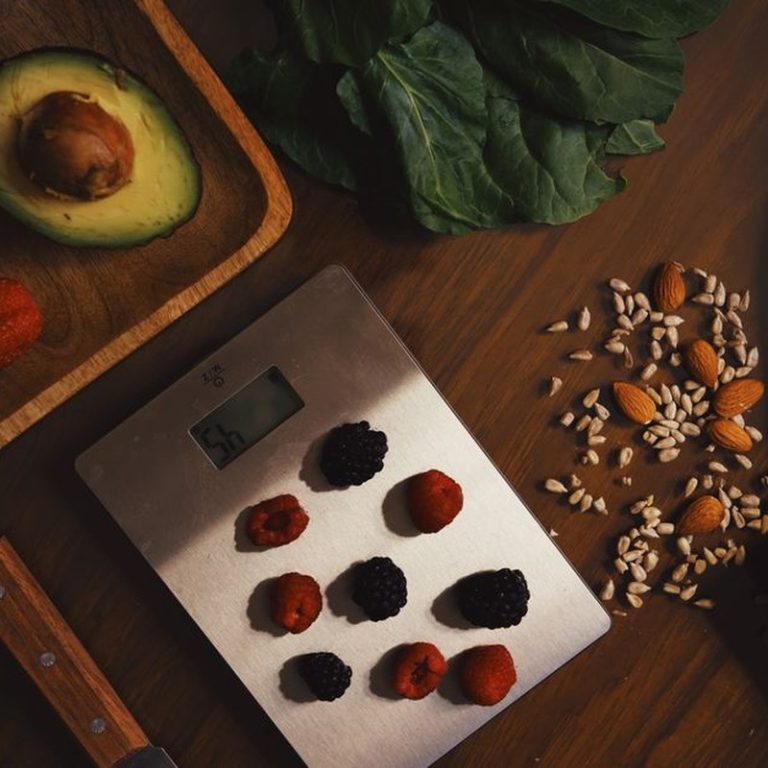
And if you’d like to put a few of these tools in place, check current prices on Amazon for a food scale, a protein powder you’ll actually use, or a smart scale that tracks trends. Small tools used consistently make maintenance feel less like a test of character and more like a skill you practice.
This post contains affiliate links. If you buy through them, I may earn a small commission at no extra cost to you.