Best Foam Rollers for Muscle Recovery:
Full disclosure: Some links in this article are affiliate links. We may earn a small commission at no extra cost to you if you make a purchase through them. Our recommendations are based on what real users report, not on commission size.
By Liam Smith — Fitness enthusiast and founder of Apexfito. I test gear at home and share what actually works.
Why Foam Roller Density and Texture Actually Matter for Recovery
I started foam rolling with a cheap, low-density roller that felt like a pool noodle—it did nothing for my tight quads after leg day. Then I jumped to a high-density, knobby roller that left me bruised for a week. The lesson: density and texture aren’t just marketing buzzwords. They determine whether foam rolling helps or hurts your recovery. Harvard Health notes that consider your space, goals, and budget before investing in home fitness equipment.
Here’s the science. Foam rolling applies mechanical pressure to muscle tissue, targeting trigger points and fascia—the connective tissue that wraps around muscles. That pressure does two things: it increases blood flow to the area, which helps flush out metabolic waste, and it stimulates mechanoreceptors that can reduce pain perception. A 2015 study in the Journal of Athletic Training found that foam rolling reduced delayed-onset muscle soreness (DOMS) by about 30% after exercise, but only when participants used enough pressure. Too little pressure, and you’re just rubbing the surface. Too much, and you risk bruising or aggravating the tissue. (Results vary by individual, so adjust based on how your body responds.)
That’s where density comes in. Density refers to how firm the foam is. Low-density rollers (often softer, lighter foam) are best for beginners or for sensitive areas like the calves or IT band. They provide a gentler pressure that still improves circulation without overwhelming the tissue. Medium-density rollers are the all-around workhorses—firm enough to reach deeper muscle layers but forgiving enough for most people. High-density rollers (often made from EVA foam or hard plastic cores) deliver deep, intense pressure that’s ideal for experienced users targeting large muscle groups like the glutes, hamstrings, or upper back. If you’ve been lifting for a while and your muscles feel like concrete, a high-density roller can work wonders.
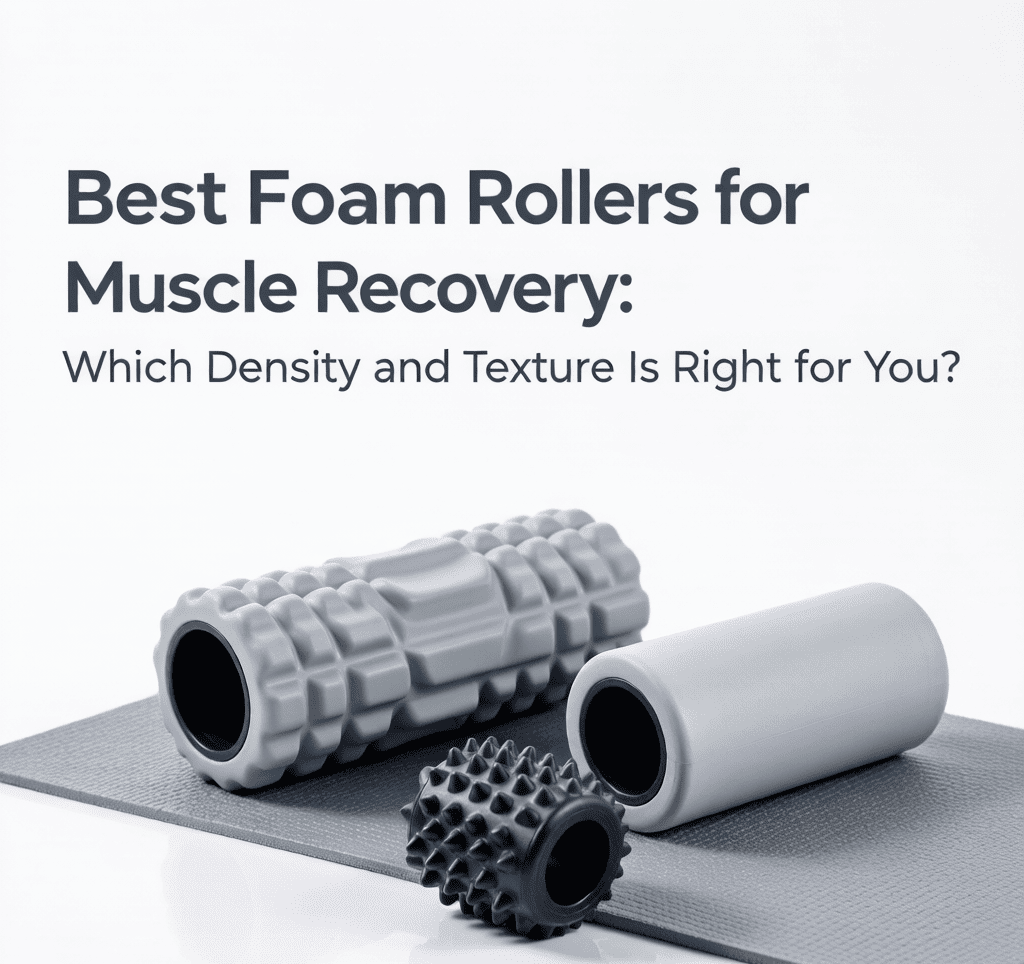
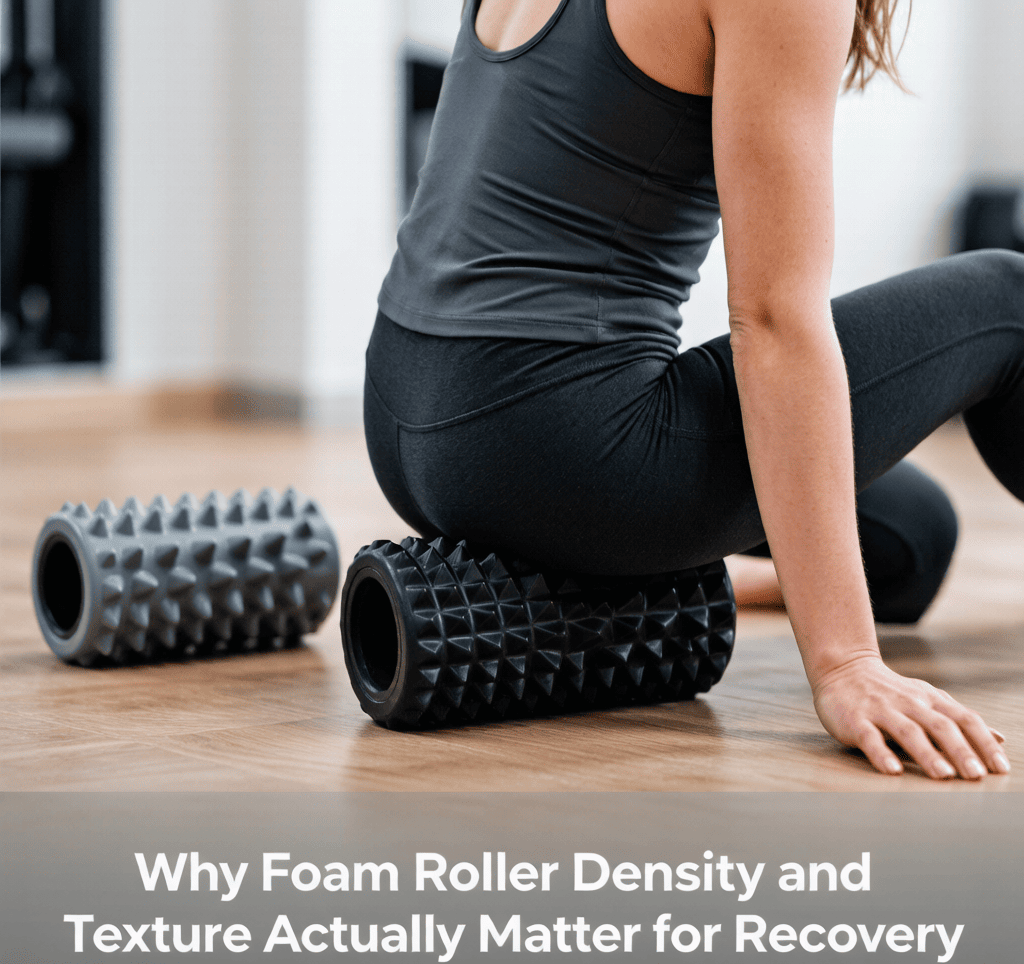
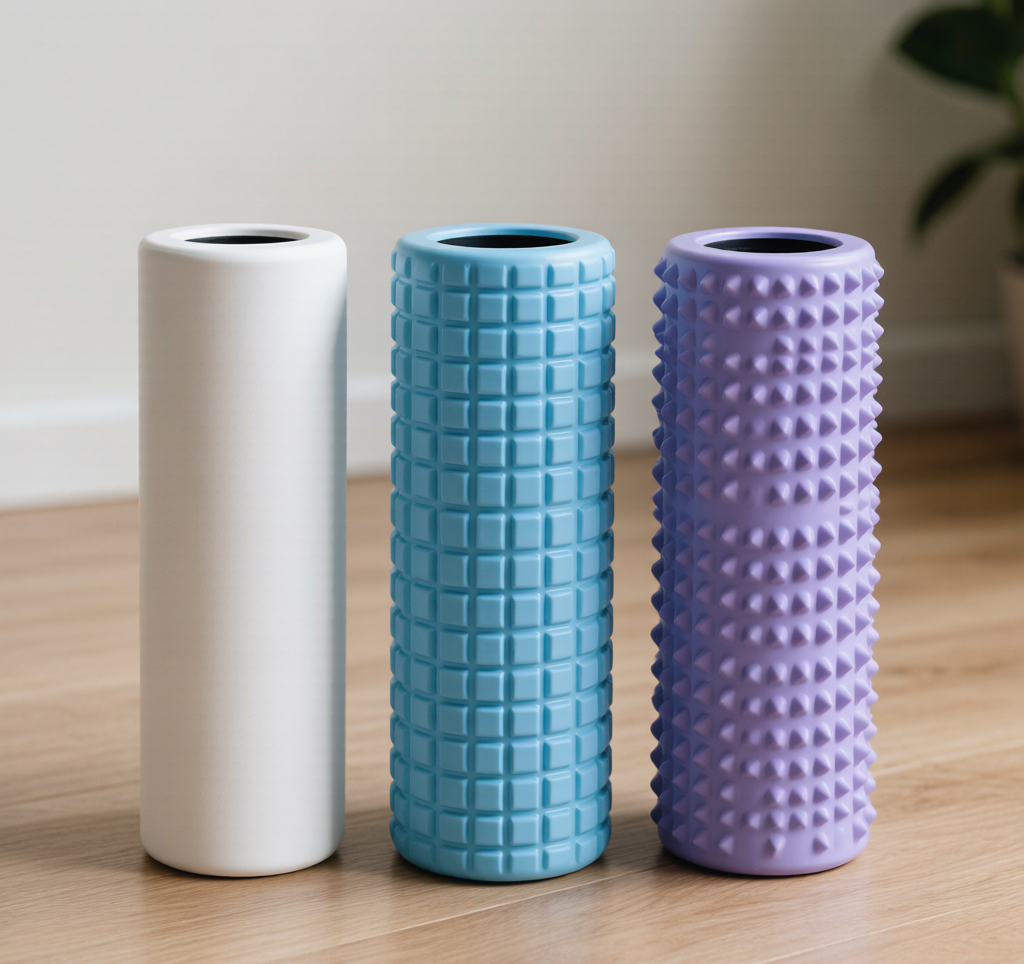
Texture adds another layer. Smooth rollers are the most forgiving—they apply even pressure across a broad surface, making them great for general recovery or for people who are new to foam rolling. Ridged or grooved rollers have raised lines that mimic the pressure of a massage therapist’s knuckles, targeting deeper fascia and breaking up adhesions. Knobby rollers (the ones with raised bumps or nodes) are the most aggressive; they can dig into specific trigger points and release stubborn knots. But they’re not for everyone. If you have a low pain tolerance or are dealing with acute injury, a knobby roller can do more harm than good.
I’ve found that texture choice depends on your body and your goals. For example, after a heavy squat session, I use a high-density smooth roller on my quads and glutes—it gets deep without being too sharp. For my upper back, where I carry a lot of tension, I prefer a medium-density ridged roller because the ridges help work out the knots between my shoulder blades. If I’m really sore, I’ll grab a knobby roller for my calves, but I limit it to 30 seconds per spot to avoid bruising.
The takeaway: don’t just grab any roller off the shelf. Think about your current soreness level, which muscles you’re targeting, and your experience with self-myofascial release. If you’re new to foam rolling, start with a medium-density smooth roller. If you’ve been rolling for months and feel like you need more, step up to a high-density or textured option. And always listen to your body—if it hurts in a sharp, stabbing way, back off. The goal is relief, not punishment.
Now, check current prices on Amazon for the rollers that match your needs, and drop a comment below with your experience. Which density and texture worked for you?
The Three Main Foam Roller Types: Smooth, Grid, and Vibrating
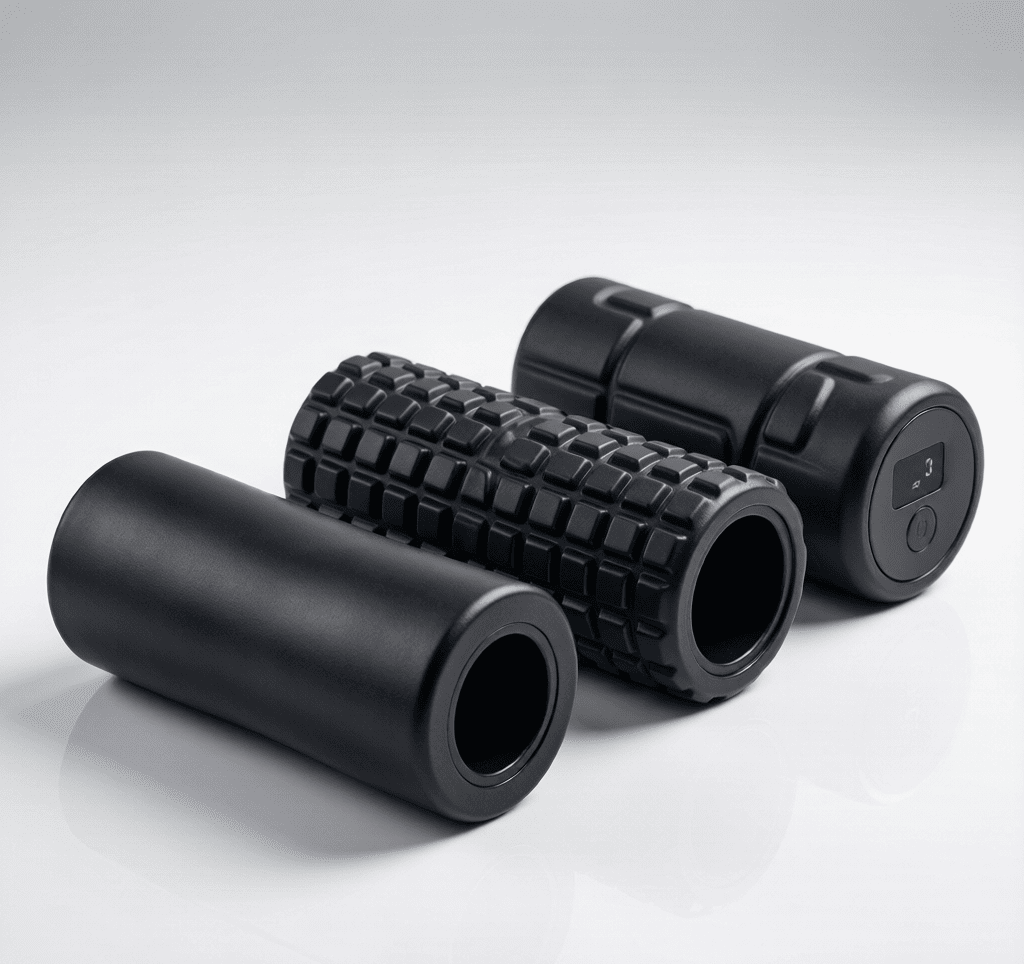
When you walk into a gym or scroll through Amazon, the foam roller aisle can feel overwhelming. Do you grab the basic white cylinder or the one that looks like a medieval torture device? Here’s the breakdown of the three main types, what they actually do, and who should use each.
Smooth Foam Rollers: The Beginner’s Best Friend
Smooth rollers are exactly what they sound like: a uniform cylinder of foam with no bumps, ridges, or knobs. They come in low to medium density, meaning they’re softer and more forgiving on tender muscles.
Best for: Beginners, post-workout cooldowns, and anyone with chronic pain or fibromyalgia. If you’re just starting out with self-myofascial release, a smooth roller lets you get used to the pressure without wanting to scream.
I keep a low-density smooth roller by my couch for lazy Sunday rolling. It’s not intense, but it helps loosen up my lower back after sitting too long. The downside? Once you build tolerance, you’ll outgrow it. It won’t dig deep enough into tight glutes or IT bands.
Grid or Textured Rollers: The Massage Therapist’s Knuckles
Grid rollers have raised patterns—some look like a waffle, others like a series of bumps or ridges. The texture mimics the feeling of a massage therapist’s knuckles or thumbs pressing into specific spots.
Best for: People who’ve graduated from smooth rollers and need more pressure. The grid pattern is excellent for targeting the glutes, IT bands, and upper back. I use a grid roller on my quads after leg day, and the raised sections hit those deep trigger points that a flat roller just skims over.
One caveat: the texture can leave bruises if you press too hard or roll too fast. Go slow, breathe, and back off if you feel a sharp pain. For most people, a medium-density grid roller offers a good balance between comfort and effectiveness.
Vibrating Foam Rollers: The Tech Upgrade
Vibrating rollers add oscillation to the mix. The vibration helps relax muscle spindles—the sensors that control muscle tension—faster than static rolling alone. A 2019 study in the Journal of Sports Science and Medicine found that vibration combined with foam rolling increased hip range of motion more than rolling without vibration.
Best for: Athletes who want quicker recovery between sessions, or anyone who struggles with tightness that won’t budge. The vibration can also be a distraction from the discomfort of rolling a sore muscle.
I borrowed a friend’s vibrating roller after a tough trail run, and I’ll admit it felt weird at first. But after two minutes on my calves, the difference was noticeable—they felt looser than after ten minutes with a regular roller. The trade-off is price: good vibrating rollers cost $100–$200, and they need batteries or charging. Keep that in mind if you don’t want to hunt for outlets after every workout.
One More Thing: Density Matters
Regardless of type, density is the secret variable. Ultra-high-density rollers are marketed as “hardcore,” but they can do more harm than good if you bruise easily or have a low pain tolerance. I’ve seen people wince through a rolling session thinking they need to tough it out. You don’t. If you’re turning purple or holding your breath, switch to a softer roller. Recovery shouldn’t feel like punishment.
Curious about prices? Check the latest deals on Amazon for each type, and tell us in the comments which roller you swear by—or which one you’re thinking of trying next.
How to Pick the Right Density for Your Body and Goals
Foam roller density isn’t one-size-fits-all. Pick the wrong one and you’ll either bounce off without getting real pressure, or you’ll be in so much pain you skip rolling altogether. I’ve been through both extremes, and neither works.
Here’s the simple breakdown: density is measured roughly by how much weight it takes to compress the foam. A soft roller gives way under light pressure. A hard one barely budges. Your job is to match that resistance to your own pain tolerance, experience, and the muscles you’re targeting.
Soft Density (20–30 lbs) — Best for Beginners and Sore Days
If you’re new to foam rolling or you just finished a brutal leg day and your quads feel like concrete, start with a soft EVA foam roller. These are forgiving. They let you ease into the pressure without making you wince.
I keep a soft roller by my couch for days when my hamstrings are fried from deadlifts. It’s not going to dig into trigger points like a hard roller, but it will get blood flowing and reduce that stiff, tight feeling. For bony areas like your shins or spine, a smooth, low-density roller is the only safe choice. Never use a textured or high-density roller on those spots — you’ll bruise yourself.
Medium Density (30–50 lbs) — The Everyday Workhorse
Most people will do fine with a medium-density roller. These are usually made from EVA or expanded polypropylene (EPP). They offer enough firmness to reach deeper into your quads, hamstrings, and back without being punishing.
I’ve used a medium-density EPP roller for years on my upper back and glutes. It lands in that middle ground where you feel the pressure working, but you can still breathe and relax into it. If you’re an intermediate user — someone who rolls a few times a week and knows how to control your body weight — this is your go-to.
High Density (50+ lbs) — For Advanced Athletes and Dense Muscle
Powerlifters, sprinters, and anyone with thick, dense muscle tissue often need more pressure to get results. High-density rollers (50+ lbs) or PVC-core rollers wrapped in firm foam can really dig in. These are not for beginners.
I tried a high-density roller on my IT bands after a heavy squat session and honestly, it was too much. But a friend who competes in strongman swears by his PVC-core roller for his glutes and hamstrings. If you have a high pain tolerance and you know your body well, this might be your tool. Just be careful — too much pressure on soft tissue can cause bruising or nerve irritation.
Texture: Smooth vs. Knobby vs. Grid
Texture adds another layer. Smooth rollers are gentle and good for general use. Knobby or grid-pattern rollers (like the TriggerPoint Grid) target specific knots and trigger points. They can be effective, but they’re also more intense.
My advice: don’t start with a textured roller if you’re new. Get comfortable with a smooth medium-density roller first. Once you know how your body responds, you can experiment with texture for more precise work. And again — never use a textured roller on your shins, spine, or other bony areas.
Quick Decision Guide
- New to rolling or very sore? Go soft (20–30 lbs), smooth EVA foam.
- Regular user, moderate soreness? Medium (30–50 lbs), EVA or EPP, smooth or light grid.
- Advanced athlete, dense muscles, high pain tolerance? High-density (50+ lbs) or PVC-core, smooth or textured.
- Targeting shins, spine, or ribs? Always soft and smooth. No exceptions.
Check current prices on Amazon for the rollers that match your level. And if you’ve tried a density that worked — or didn’t — share your experience in the comments. That kind of feedback helps other readers avoid the same mistakes.
Top Foam Roller Recommendations for Every Budget and Use Case
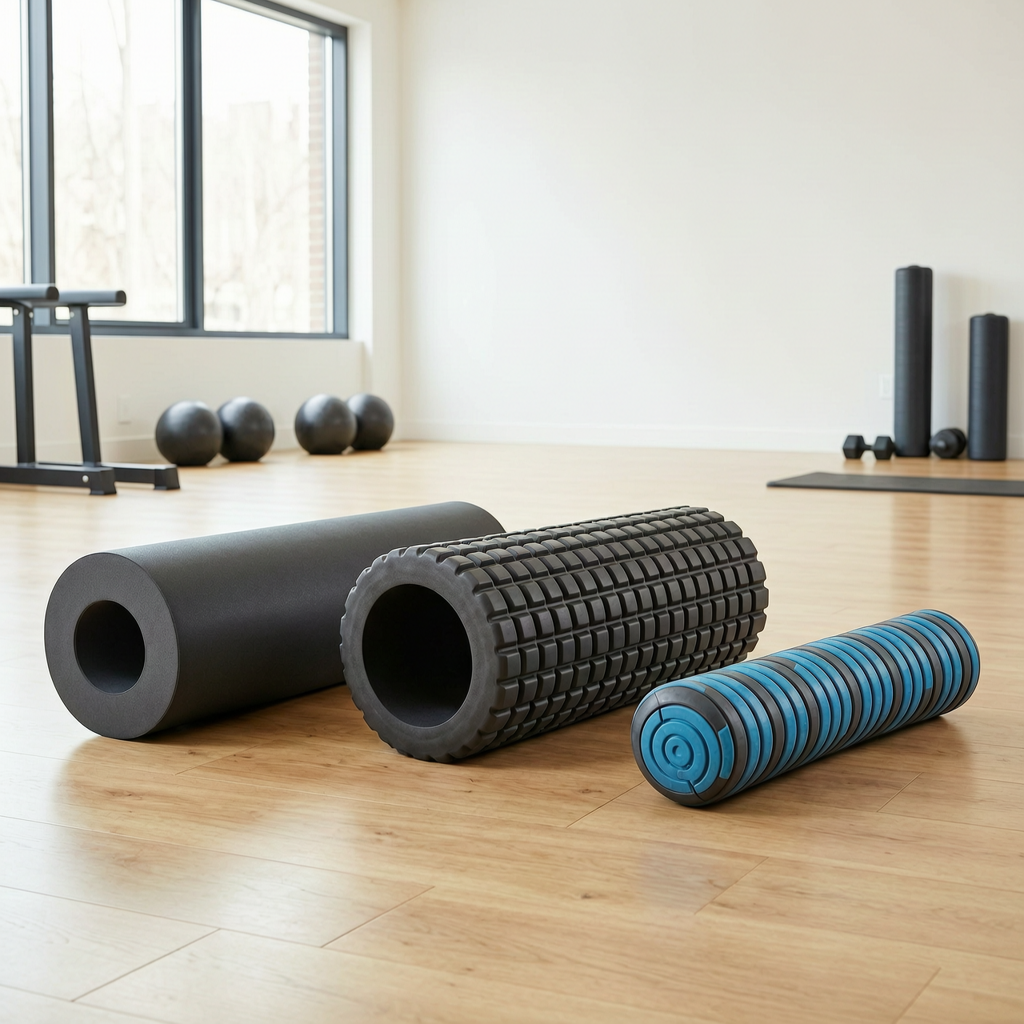
These recommendations are based on my personal use and are not sponsored. After years of rolling out on everything from bargain-bin cylinders to high-tech vibrating tubes, I’ve settled on a shortlist of rollers that actually earn their spot in my gear closet. Here’s how they stack up for real-world use, with honest notes on price, durability, and who should buy them.
TriggerPoint Grid (Medium Density, Textured)
This is the roller I keep coming back to. I’ve had mine for three years, and it still holds its shape without any cracking or flattening. The hollow core makes it light enough to toss in a gym bag without feeling like you’re packing a log. The textured surface—a mix of raised bumps and channels—hits a balance between a gentle myofascial release and a deeper massage. It’s not so aggressive that you’ll wince on your IT band, but it digs into tight glutes and upper back knots better than a smooth roller. Best for all-around use, from pre-workout warm-ups to post-run recovery. Price: around $30–$40.
LuxFit High-Density Roller (Firm, Smooth)
If you want to spend under $20 and still get serious pressure, this is it. The LuxFit is a simple, dense foam cylinder with no texture or gimmicks. I use it mainly on my quads and calves after heavy squat sessions—the firm surface lets me load up body weight without the roller collapsing. It’s also great for hamstring work because the smooth surface doesn’t grab skin or clothing. The downside? It’s a bit heavier than the TriggerPoint, so it stays at home. No frills, but it works. Best for budget-conscious lifters who need deep pressure on large muscle groups.
TheraGun Wave Roller (Vibrating, Medium Density)
I was skeptical about spending $150 on a foam roller, but after a week of using the Wave Roller post-squats, I noticed my legs felt less stiff the next morning. The vibration settings (three intensities) seem to help with blood flow and muscle relaxation in a way that static rolling alone doesn’t. The roller itself is medium density with a subtle texture—not as aggressive as the Grid, but the vibration makes up for it. It’s rechargeable, quiet, and easy to clean. Is it worth the price? Only if you’re training hard enough that recovery time matters a lot. For casual gym-goers, it’s overkill. Best for serious athletes or anyone with chronic tightness who wants to speed up recovery.
AmazonBasics High-Density Foam Roller (Firm, Smooth)
Another budget-friendly option that’s a bit heavier than the LuxFit but feels more durable. I’ve had mine for about eight months of daily use, and it hasn’t dented or softened. The surface is smooth and firm—perfect for glutes, hamstrings, and calves. It’s also long enough (18 inches) to use for upper back work without feeling too short. The main trade-off is weight: it’s not travel-friendly. But if you want a no-nonsense roller that will last, this is a reliable pick at around $15–$20. Best for home users who want a firm, dependable roller without spending much.
Quick comparison:
- TriggerPoint Grid – $30–40, medium density, textured, portable. Best all-around.
- LuxFit High-Density – under $20, firm, smooth. Best budget deep pressure.
- TheraGun Wave – ~$150, medium density, vibrating. Best for serious recovery.
- AmazonBasics High-Density – $15–20, firm, smooth. Best budget durability.
Whichever you pick, start with lighter pressure and increase as your muscles adapt. If you’ve used any of these rollers, drop your experience in the comments—I’m curious what works for you. And if you’re ready to buy, check current prices on Amazon to see if any deals are running.
Medical & Editorial Review: This article was reviewed by Liam Smith, founder of Apexfito, for accuracy and safety. Content is for educational purposes and is not a substitute for professional medical advice. Consult your physician before starting any exercise or nutrition program.