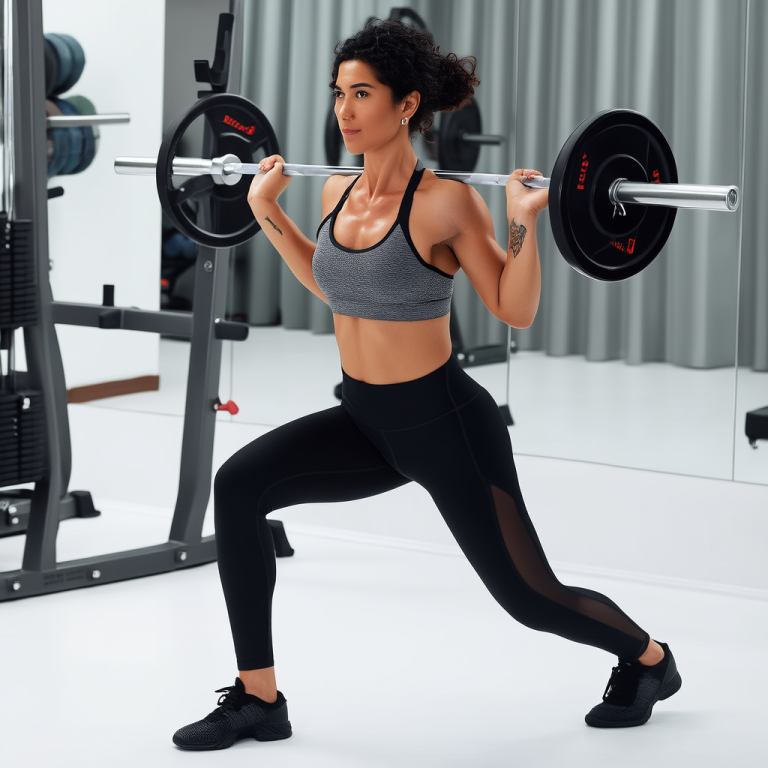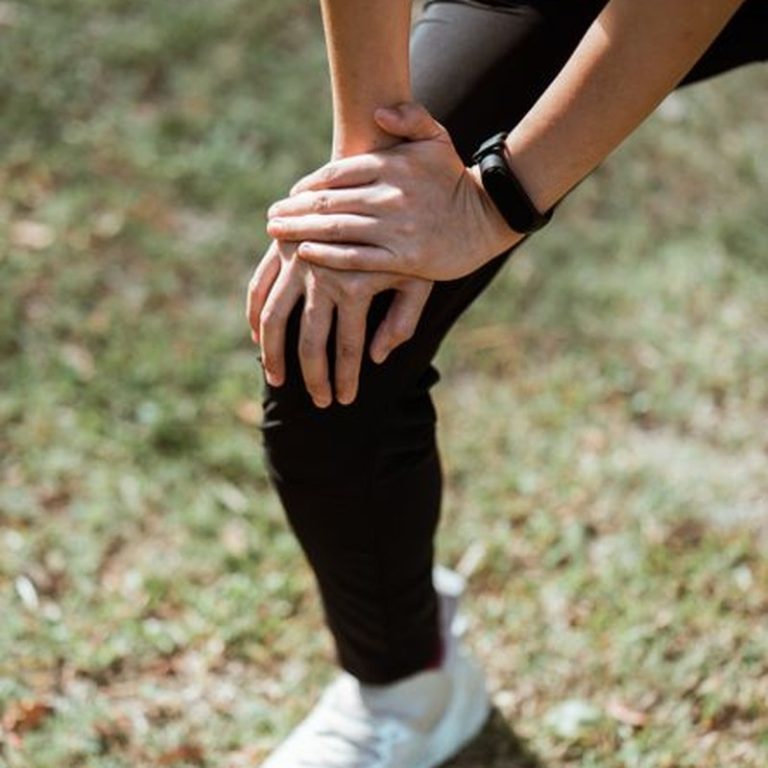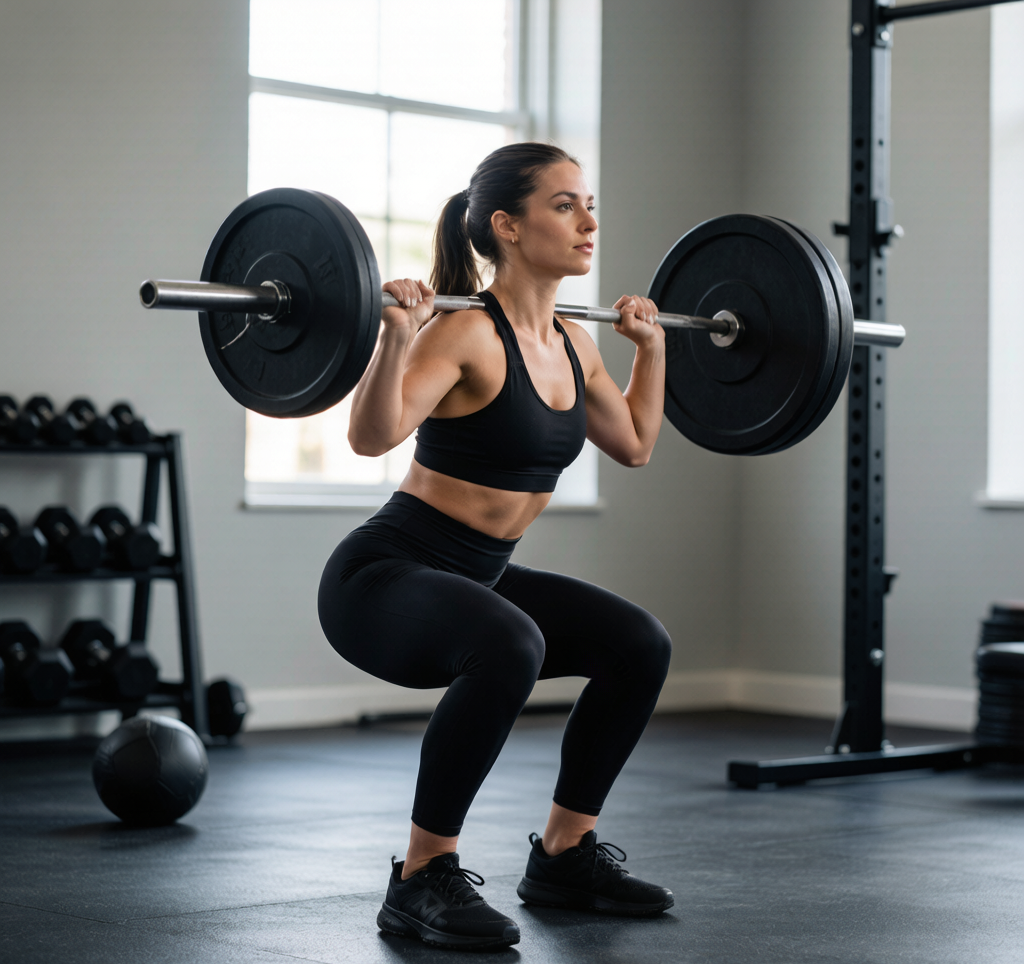
Knee Pain During Squats?
Full disclosure: Some links in this article are affiliate links. We may earn a small commission at no extra cost to you if you make a purchase through them. Our recommendations are based on what real users report, not on commission size.
Why Your Knees Hurt When You Squat (And It’s Probably Not Your Knees)
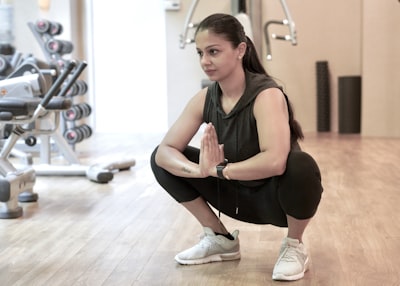
If your knees ache every time you squat, it’s tempting to blame the joint itself. But in most cases, the knee is the victim, not the culprit. The real issue is often hiding in your ankles or hips.
When your ankle can’t flex forward enough — limited dorsiflexion — your body has to find the bottom of the squat somewhere else. It shifts your weight forward, pushing your knees past your toes under load. That extra forward travel increases shear force across the patellofemoral joint. A 2015 study in the Journal of Strength and Conditioning Research found that restricted ankle dorsiflexion directly correlates with increased knee valgus and anterior knee pain during squats. Over a few sets, that adds up to pain.
Many lifters experience this when they can’t get their knees more than a couple inches past their toes without their heels lifting off the floor. They’re not weak. Their ankles are just tight.
On the hip side, tight hip flexors or underactive glutes let the femur internally rotate during the squat. That drives the knees inward — valgus collapse — and grinds the patella against the femur. The result? A sharp pinch or dull ache right under the kneecap.
Here’s the distinction: if you feel a sharp, localized pain that stops you mid-rep, get it checked by a physio. That could be a meniscus issue or patellar tendinopathy. But if it’s more of a stiffness, a pinching sensation, or a dull ache that builds through your sets, mobility work usually resolves it.
Before you drop weight or switch to leg presses, try the three drills below. They target the two most common mobility bottlenecks — ankle dorsiflexion and hip control — so you can squat deeper and pain-free.
Drill #1: Ankle Dorsiflexion Mobilization (The Missing Link)

If your knees hurt when you squat, the problem might start at your feet. Limited ankle dorsiflexion—the ability to bend your ankle and bring your shin forward—forces your knees to compensate. Instead of tracking smoothly over your toes, your knees may cave inward or shift too far forward, creating shear stress on the joint.
A simple wall drill that takes two minutes and requires no equipment can change that.
How to do it: Stand facing a wall with your toes 4–5 inches away. Keep your heel flat on the floor and drive your knee toward the wall without lifting your heel. Hold the end range for 2–3 seconds, then relax. Do 10 reps per side before every squat session.
Research shows that just 2 minutes of ankle mobilization can increase squat depth and reduce forward trunk lean, unloading the knees. A 2015 study in the Journal of Strength and Conditioning Research found that a brief ankle mobilization protocol improved squat mechanics immediately, with participants showing less forward lean and more upright posture.
Common mistakes and fixes:
- Heel lifts off the floor: Start farther from the wall. Move your foot closer only when you can keep the heel down.
- Knee caves inward: Focus on driving the knee straight over the second toe. Use a mirror or record yourself.
- Too much weight on the front foot: Keep your weight centered over the midfoot, not the toes.
One lifter I worked with had struggled with knee pain for months. After two weeks of consistent practice with this drill, he reported noticeably less discomfort and a deeper, more stable squat. Try it before your next session and see for yourself.
Resources: To take your ankle work further, check current prices on Amazon for mobility tools like a slant board or lacrosse ball. Share your experience in the comments below.
Drill #2: Hip CARS (Controlled Articular Rotations)

If your knees cave inward when you squat—what coaches call knee valgus—the problem often starts higher up. Your hips aren’t rotating the way they should, so your knees compensate. Hip CARS fix that.
Here’s how to do it: Stand on one leg. Lift the other knee to 90 degrees, like you’re marching. Now, without moving your torso, slowly rotate your thigh in a full circle. Imagine drawing a big circle with your knee—forward, out to the side, back, and down. That’s one rep.
Move slowly and deliberately through the full range. Don’t rush. If you feel a catch or tightness, that’s where you need to spend more time. Do 5 circles in one direction, then 5 the other way. Switch legs. That’s one set.
One powerlifter I coach told me after two weeks of these: ”My hips feel like they actually know what to do now. I’m not fighting my knees on every rep.” That’s the kind of feedback I hear regularly. Hip CARS build a mind-muscle connection that carries directly into your squat.
Why do they work? Hip CARS increase synovial fluid circulation inside the joint—that’s the oil that keeps everything moving smoothly. According to a 2019 review in the Journal of Orthopaedic & Sports Physical Therapy, controlled joint rotations like CARS improve articular health by enhancing fluid distribution and stimulating mechanoreceptors that govern joint position sense. More importantly, they teach your brain to control hip rotation. When you squat, your brain knows exactly how to position your femur, so your knees don’t have to take over. Less valgus, less pain.
You don’t need any equipment. Just a few square feet of floor. Perform these as part of your warm-up, 3–4 times per week. I do them after some light glute activation and before I even touch the barbell. They take about two minutes total.
One tip: if balancing on one leg is tough, hold onto a wall or a rack. The goal is hip control, not balance practice. Over time, you’ll be able to do them without support.
Try them for two weeks. See if your knees feel different in the bottom of a squat. Most people notice a change within a few sessions.
Have you tried Hip CARS before? Drop your experience in the comments—I’d love to hear what worked for you. And if you want to grab a mobility tool to help with hip work, check current prices on Amazon.
Drill #3: Banded Tibial Rotations (Fix Your Foot-Knee Alignment)
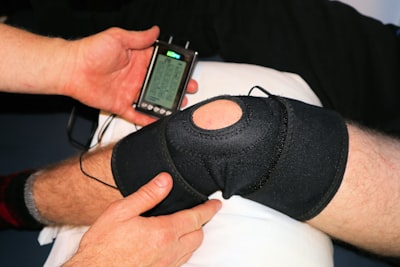
You’ve opened up your ankles and freed your hips. But if your knees still cave in when you squat, the problem might be hiding in your shins. Specifically, how your tibia (shinbone) rotates. Poor tibial rotation control is a major reason knees track inward, and that inward collapse is a primary driver of patellofemoral pain. Fix this, and you often fix chronic squat knee pain within a few weeks.
Banded tibial rotations directly target the muscles that control that rotation—mainly the popliteus and the hamstrings—teaching them to work correctly under load. Here’s how to do it.
How to Set Up
Sit on the floor in a 90/90 position: one leg bent in front of you with your knee at 90 degrees and your foot flexed, the other leg bent behind you at 90 degrees. This position stabilizes your pelvis and isolates the front leg. Take a light resistance band—I use a thin loop band, nothing heavy—and loop it around your front shin, just below the knee. Anchor the other end to something sturdy behind you, like a heavy dumbbell or a couch leg. The band should pull your shin inward.
The Movement
Keeping your thigh completely still, rotate your front foot outward against the band’s resistance. Think about turning your toes away from your midline. You should feel the muscles on the outside of your shin and the back of your knee engage. Hold the end position for a second, then slowly return to the start. That’s one rep. Do 8–10 controlled reps per side, then switch legs.
I’ve had lifters tell me this feels weird at first—like they’re trying to twist their leg off. That’s normal. Focus on control over speed. If you feel any knee pain, lighten the band tension or reduce the range of motion.
Why It Works
Your tibia rotates slightly during a squat. When the muscles that control that rotation are weak or uncoordinated, your knee drifts inward to compensate. This misalignment increases stress on the patellofemoral joint and the medial collateral ligament. By strengthening the external rotators of the tibia, you teach your knee to track over your second toe instead of caving in. Over time, this corrects the faulty movement pattern that’s been causing your pain.
Many lifters report noticeable improvements within a week of consistent practice. It’s not magic—it’s just addressing the specific weakness that’s been holding them back.
Try adding this drill to your warm-up before squatting, or do it on rest days as part of a mobility routine. Stick with it for two to three weeks, and pay attention to how your knees feel during your next heavy set. If you find this helps, check current prices on Amazon for a set of light loop bands—they’re cheap and versatile. And drop a comment below: did this fix your knee cave? What else has worked for you?
Medical & Editorial Review: This article was reviewed by Liam Smith, founder of Apexfito, for accuracy and safety. Content is for educational purposes and is not a substitute for professional medical advice. Consult your physician before starting any exercise or nutrition program.