Why the Scale Lies: Better Ways to Track Fat Loss Progress
Full disclosure: Some links in this article are affiliate links. We may earn a small commission at no extra cost to you if you make a purchase through them. Our recommendations are based on what real users report, not on commission size.
The Scale Can’t Tell You What You’ve Lost (or Gained)
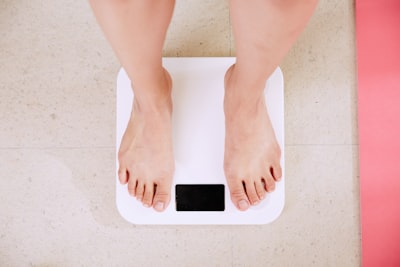
You step on the scale. It’s up two pounds from yesterday. You feel like crap. You think, ”I blew it.”
I’ve been there. I once dropped four pounds overnight after a low-carb day and thought I was a fat-loss genius. The next day, I ate a normal meal with rice, and the scale jumped back up. I was furious. But here’s the thing: I hadn’t gained or lost any fat. Not a gram.
Your scale can be misleading. It’s not just fat—it’s a messy mix of water, glycogen, food mass, and actual body tissue. Let’s break down what’s really happening so you can stop letting that number mess with your head.
What’s Actually in That Daily Number?
Think of your body like a bucket that’s constantly being filled and drained. Here’s what’s sloshing around in there:
- Water retention: Sodium, hormones, and even the weather can make you hold onto extra water. A salty meal can add 2–3 pounds of water weight in hours.
- Glycogen: Your muscles store carbs as glycogen, and each gram of glycogen binds about 3 grams of water. Eat more carbs? Your glycogen stores fill up and the scale goes up. That’s not fat—that’s fuel.
- Food mass: That big salad you ate? It’s still in your digestive tract. It has weight. It’s not fat.
- Actual fat loss: This happens slowly—about 0.5 to 2 pounds per week at a sustainable pace. The scale hides this tiny signal in a sea of daily noise.
A Week in the Life of a Scale
Let’s look at a real example. Say you weigh yourself every morning for a week:
- Monday: 180 lbs (after a low-carb weekend)
- Tuesday: 182 lbs (you ate carbs at dinner)
- Wednesday: 184 lbs (salty takeout last night)
- Thursday: 183 lbs (you drank more water)
- Friday: 181 lbs (back to normal)
- Saturday: 185 lbs (big meal out)
- Sunday: 182 lbs
That’s a 5-pound swing. Meanwhile, your actual fat loss for the week might have been half a pound. The scale can’t tell you that. It just shows the noise.
How to Actually Track Fat Loss
Here’s what works better than that daily number:
- Weigh daily, but average weekly. Step on the scale every morning after peeing, before eating or drinking. Write it down. At the end of the week, add up all seven numbers and divide by seven. That weekly average is your trend. If it’s slowly going down over a month, you’re losing fat.
- Use progress photos. Take a photo in the same lighting, same pose, same time of week. Every two weeks, compare. You’ll see changes the scale misses.
- Measure your waist. A tape measure around your belly button tells you if you’re losing inches. If your waist shrinks but the scale stays flat, you’re losing fat and maybe gaining muscle.
- Pay attention to how your clothes fit. This is the most honest feedback you’ll get. If your jeans feel looser, you’re winning.
I’ve had clients who dropped two dress sizes but only lost five pounds on the scale. The scale said ”meh,” but the mirror and the tape measure told the real story.
So stop treating the scale like a judge. It’s just a data point. Use it as part of a bigger picture, and you’ll actually see the progress you’re making.
If you want a good body tape measure or a smart scale that tracks trends, check current prices on Amazon. And share your experience in the comments—what’s the weirdest scale fluctuation you’ve ever seen?
Why Muscle Gain Masks Fat Loss on the Scale
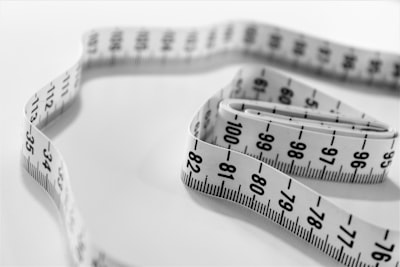
You crush your workouts for two weeks, eat clean, and step on the scale expecting a reward. The number hasn’t moved. Maybe it’s up a pound. Your brain screams: ”This isn’t working.”
But here’s what that slab of plastic and metal can’t show you: muscle is denser than fat. A pound of muscle takes up about 20% less space than a pound of fat. So you can lose inches from your waist, see more definition in your arms, and fit into jeans that were tight last month—while the scale stays flat or even creeps up.
This is called body recomposition. It’s most common for beginners and anyone returning to training after a break. When you eat near maintenance calories and train hard—especially with resistance work—your body can build muscle and burn fat at the same time. The scale sees net zero change, but your mirror and measuring tape tell a completely different story.
Let’s put some numbers on it. Imagine you lose 5 pounds of fat and gain 5 pounds of muscle over eight weeks. The scale shows zero change. But visually, you’ve transformed. Your waist is smaller, your shoulders look broader, and your clothes fit completely differently. That’s not a stall—that’s a win the scale refuses to acknowledge.
I’ve seen this happen with clients countless times. One woman I coached dropped two dress sizes over three months while her weight fluctuated between 148 and 152 pounds the entire time. If she’d relied on the scale alone, she would have quit in week two.
So what should you track instead? Here are three methods that actually show progress:
- Waist circumference: Measure around your belly button once a week, first thing in the morning. A shrinking waistline is a direct sign of fat loss, regardless of what the scale says.
- How your clothes fit: Pick a pair of pants or a belt that’s snug. If they get looser over time, you’re losing fat—period.
- Progress photos: Take front, side, and back shots in the same lighting and clothing every two to four weeks. Visual changes often appear long before the scale moves.
The scale is a useful tool, but it’s not the whole story. If you’re training hard, eating well, and your clothes fit better, you’re making progress—even if the number on the scale hasn’t changed. Don’t let a piece of plastic and metal gaslight you out of your results.
Have you experienced a scale stall while still seeing changes in the mirror? Share your story in the comments—I’d love to hear what worked for you. And if you’re looking for tools to track your progress more accurately, check current prices on Amazon for a simple tape measure or a body fat caliper—they’re cheap and way more honest than your bathroom scale.
Better Tools: What Actually Tracks Fat Loss
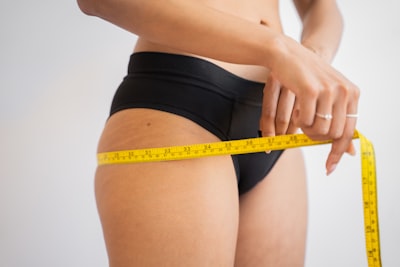
If you’re tired of the scale messing with your head, it’s time to use tools that actually show what’s happening. Here are five methods—ranked from simplest to most technical—with honest pros and cons for each.
1. Progress Photos: The Truth the Scale Hides
Take a photo every 2–4 weeks in the same lighting, same pose, same time of day. I use a corner of my bedroom with a plain wall and a window for consistent light. The changes you see—a sharper waistline, more definition in your shoulders—are the ones the scale ignores. One client dropped two dress sizes while her weight stayed the same for six weeks. The photos told the real story.
Limitation: Lighting and pose can vary, creating misleading comparisons. Use a tripod and mark your spot on the floor to minimize error.
2. Waist and Hip Measurements: Cheap and Reliable
A simple tape measure costs under $5. Measure around your belly button for waist, and at the widest part of your hips. Do it once a week, first thing in the morning. Losing even an inch around your waist correlates with reduced health risk—more than any scale number. No batteries, no Bluetooth, no excuses.
Limitation: Inconsistent placement or tension can throw off readings. Use a consistent landmark (like your navel) and pull the tape snug but not tight.
3. How Your Clothes Fit: Your Daily Reality Check
Your favorite jeans don’t lie. If they feel looser around the waist or thighs after a few weeks, you’re making progress. I keep a pair of ”goal jeans” that were snug when I started. Now they fit comfortably—even though my weight hasn’t budged much. That’s real-world proof.
Limitation: Fabric stretch and washing can change fit. Use one specific pair as your reference and wash them the same way each time.
4. Performance Markers: Strength and Endurance Gains
Adding one more rep to your squat, lifting a heavier dumbbell, or running a minute longer without stopping—these are objective signs of positive body change. Muscle is denser than fat, so you can get stronger without losing weight. Track your workouts with a simple log or app. If your numbers go up, your body is changing.
Limitation: Performance can plateau due to fatigue or stress, not lack of progress. Look at trends over several weeks, not one session.
5. Smart Scales and Calipers: Use with Caution
Smart scales are convenient but inaccurate for absolute body fat percentage. They estimate based on electrical impedance, which can vary with hydration, food intake, and time of day. Use them to track trends over weeks, not daily numbers. Body fat calipers are more accurate if you get consistent measurements from the same person, but they take practice. I’ve had readings vary by 4% depending on who pinched. Neither tool is perfect, but both can show direction—if you don’t obsess over the daily number.
Limitation: Smart scales can swing 2–3% body fat within a day. Calipers require skill and consistent site placement. Use them as directional guides, not gospel.
Pick one or two methods and stick with them for a month. You’ll see what the scale can’t show you.
Check current prices on Amazon for a simple tape measure or progress photo app. And share your experience in the comments—what method works best for you?
The 30-Day Scale Detox: A Practical Plan
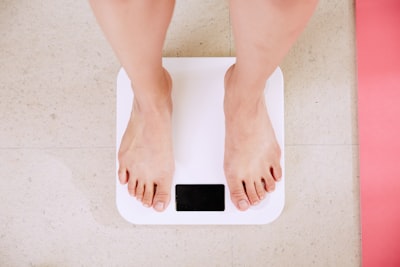
You’ve read the science. You know the scale is a liar. But knowing and doing are two different things. This 30-day plan is designed to break the habit of daily weigh-ins and replace it with a system that actually shows you what’s happening with your body.
Week 1: Out of Sight, Out of Mind
Day one: hide the scale. Put it in a closet, under the bed, or in the garage. The goal is to make stepping on it inconvenient. You need a physical barrier to break the automatic morning ritual. If you can’t hide it because family members use it, put a sticky note over the display that says ”Not today” or move it to a less accessible spot.
Instead, take your before photos. Wear fitted clothes (shorts and a sports bra or tank top). Take front, side, and back shots in good lighting. Then grab a measuring tape and record your waist, hips, chest, and each arm and thigh. Write these numbers down and put them somewhere you won’t see every day.
Finally, put on your favorite pair of jeans or a fitted dress. Pay attention to how they feel right now. Not tight or loose — just how they fit. That’s your baseline.
For the rest of the week, every time you feel the urge to weigh yourself, redirect that energy. Drink a glass of water. Do ten push-ups. Text a friend. The urge usually passes in 60 seconds.
Weeks 2–3: Focus on What You Can Control
This is where the real work happens. Without the scale to distract you, you can pay attention to things that actually drive fat loss.
Track your workout performance. Are you lifting heavier? Doing more reps? Running faster or longer? Progress in the gym is a direct signal that your body is changing, even if the scale hasn’t budged. Log your sets, reps, and how each session felt on a scale of 1–10.
Also log your nutrition consistency. Not calories necessarily — just whether you hit your protein target, ate mostly whole foods, and stayed within your planned eating window. Consistency over 80% of the time is a win.
Each evening, rate your energy level (1–10) and sleep quality (1–10). Poor sleep and low energy are often the first signs that your calorie deficit is too aggressive or your recovery is off. Adjust accordingly.
I’ve had clients who dropped two dress sizes in these two weeks while the scale barely moved. They were gaining muscle and losing fat simultaneously — something the scale can’t measure. One client, a 45-year-old mom of two, saw her waist shrink three inches while her weight stayed exactly the same. She was furious at the scale for making her feel like a failure for months.
Week 4: The Reveal
Put on those same jeans. Take new photos in the same lighting and outfit. Re-measure your waist, hips, arms, and thighs. Then compare everything to week one.
Most people see visible changes: looser waistbands, more definition in their arms or shoulders, a clearer jawline. The scale might be down a pound or two, or it might be exactly the same. That’s fine. The photos and measurements tell the real story.
If you’re one of the lucky ones who sees a big drop on the scale too, great. But don’t let that become your new obsession. The point is that you now have multiple data points, not just one.
After 30 Days: Choose Your Relationship with the Scale
You have two options. Option one: keep the scale hidden and use weekly photos, measurements, and how your clothes fit as your primary progress trackers. Many people find this liberating and never go back.
Option two: reintroduce weekly weigh-ins, but only as one data point among many. Weigh yourself once a week, same day, same time, after using the bathroom, before eating or drinking. Write it down alongside your measurements and photos. If the scale goes up but your waist measurement goes down, trust the tape, not the scale.
Whatever you choose, remember this: the scale measures your relationship with gravity, not your progress. You are not a number. Your worth is not determined by what a piece of plastic and metal says about you. You are getting stronger, leaner, and healthier — and that’s something no scale can quantify.
Tools to help: A quality measuring tape and body fat caliper can upgrade your tracking toolkit. Check current prices on Amazon if you want to invest in better metrics.
Drop a comment below — what’s the most ridiculous thing the scale has ever told you? I want to hear your stories.
Related Reading
Medical & Editorial Review: This article was reviewed by Liam Smith, founder of Apexfito, for accuracy and safety. Content is for educational purposes and is not a substitute for professional medical advice. Consult your physician before starting any exercise or nutrition program.