Diet Quality vs. Cutting Calories: Why Both Matter for Weight Loss
Why the Calorie-Only View Misses the Bigger Picture
A calorie deficit is required for fat loss. That part is settled. But if the only thing that mattered were the number on the plate, you could eat a deficit of candy and feel great. Most people don’t. They feel hungry, tired, and ready to quit by day three. The missing piece is food quality.
Calories from different foods affect your appetite, your hormones, and how your body manages energy. A doughnut, for example, is digested fast. For many people, that causes a quick blood sugar rise and then a dip, which can make hunger arrive early. A meal with protein and vegetables digests slowly, keeps blood sugar steadier, and keeps fullness signals going for hours. Same calorie count, different experience.
This doesn’t mean your blood sugar response is predictable or that everyone reacts identically. Bodies vary. But the general pattern is consistent enough to matter for weight loss.
Protein and fiber make a deficit feel doable
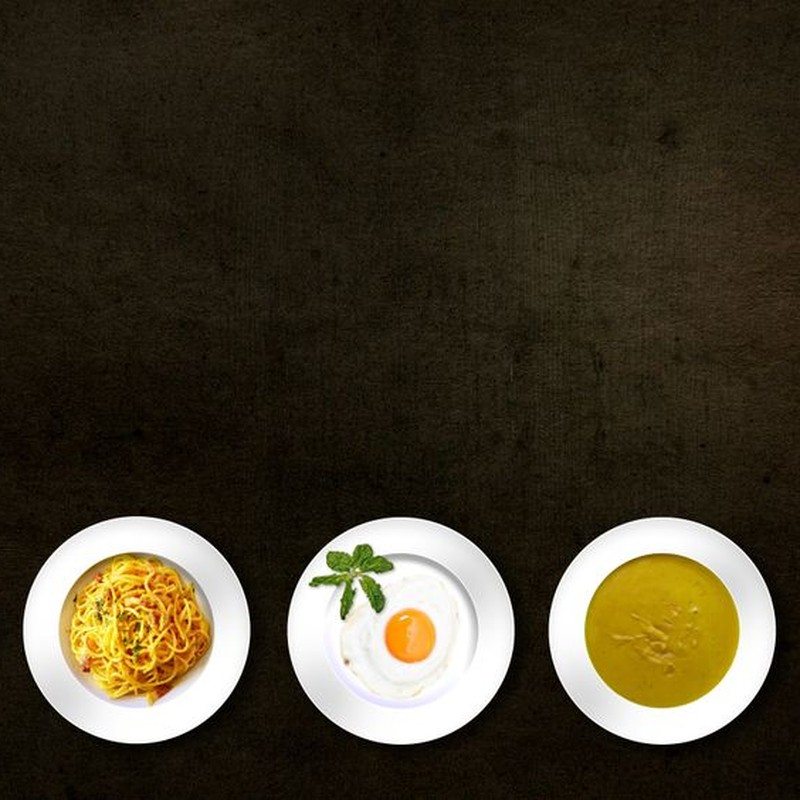
Protein is the most filling nutrient. It also costs your body more energy to digest, so a portion of the calories is lost as heat. Fiber adds bulk without many digestible calories, slows stomach emptying, and helps you feel satisfied after the plate is clean. Put them together and you have a meal that practically holds hunger at bay.
I’ve tested this pattern more times than I can count. A breakfast of eggs and oats keeps me fine until lunch. A low-protein cereal with the same number of calories has me hunting for a snack by mid-morning. The deficit is the same. The food is not.
Highly processed foods make overeating easier
Highly processed foods tend to be low in protein and fiber and high in refined carbs and fat. They are also easy to eat quickly, before your body has time to register fullness. By the time the fullness signals arrive, you’ve already taken in extra calories. That’s not a character flaw. It’s a normal human tendency when food is engineered to go down fast.
None of this means you need to become a calorie-counting drone. The practical version is simpler: prioritize protein, fiber, and minimally processed foods. When your meals are built around those, your hunger stays quieter and your deficit becomes something you barely have to think about.
One action you can take today
At your next meal, do this:
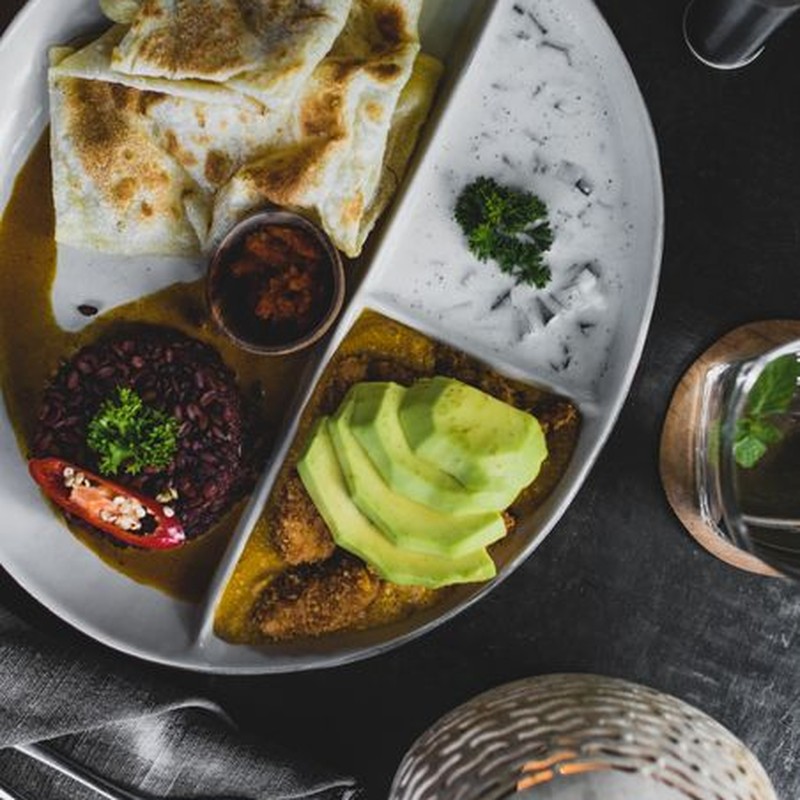
- Fill half your plate with vegetables.
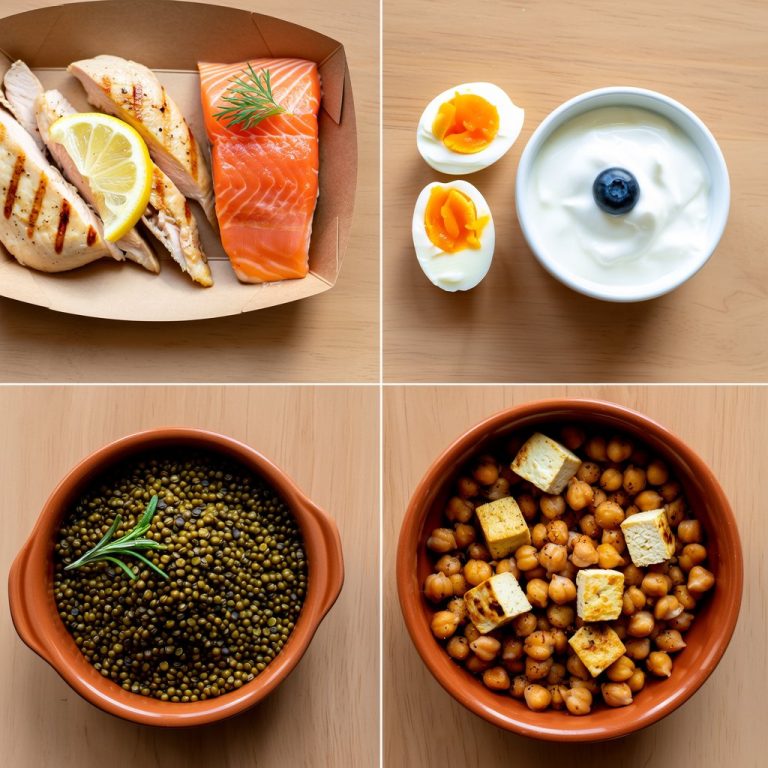
- Add a palm-sized portion of protein in the center. Chicken, fish, tofu, beans, or eggs.
- Eat the protein and vegetables first, then the rest of the meal.
That one small change helps you eat fewer calories without counting. It also gives you immediate proof that food quality changes how you feel during a diet. Try it today and notice whether your hunger behaves differently.
What the Research Says About Diet Quality and Body Composition
In 2019, researchers at the National Institutes of Health put diet quality to a strict test. Volunteers lived in a metabolic ward for a month while study staff prepared every meal. For two weeks, the menu was built mainly from ultra-processed foods. For the other two weeks, it was built from minimally processed whole foods. The two diets were matched for calories, protein, fat, carbohydrates, sugar, and fiber.
Even with calories matched on paper, participants ate about 500 more calories per day during the ultra-processed phase. They also lost body fat during the whole foods phase and gained body fat during the ultra-processed phase. Same calories on paper, different outcome in practice. This is one controlled trial, not the final word on nutrition, but it lines up with a much larger body of research linking heavily processed diets to more hunger, poorer diet quality, and worse body composition.
Blood samples help explain why. The ultra-processed diet raised ghrelin, a hunger hormone, and lowered peptide YY, a fullness hormone. Participants felt hungrier and less satisfied after the processed meals, even when calories and macronutrients were identical. That is food quality changing appetite signals, and it is why a diet built on low-satiety foods can make a calorie deficit feel like a losing battle.
Protein Preserves Muscle and Makes a Deficit More Tolerable
Protein is the nutrient that protects lean mass when calories drop. If you cut protein too low, your body can pull from muscle tissue for amino acids. In my own coaching, I have seen people lose weight quickly on low-protein plans, then feel weak in the gym and regain the weight once normal eating resumes. The scale moved, but too much of what they lost was muscle.
A practical target is 0.7 to 1 gram of protein per pound of body weight per day. For a 180-pound person, that comes out to about 125 to 180 grams. Spread across four meals, that is roughly 30 to 45 grams per meal. Real-world servings look like a palm-sized chicken breast at dinner, plain Greek yogurt at breakfast, a scoop of whey protein after a workout, or a can of tuna mixed into a lunch salad. Protein also triggers fullness hormones like GLP-1 and peptide YY, so you stay satisfied with fewer calories.
Fiber Steadies Blood Sugar and Keeps You Full
Fiber is the second dietary lever that makes cutting easier. Vegetables, fruits, beans, lentils, and whole grains slow digestion, keep food in your stomach longer, and soften the blood sugar spike after meals. When blood sugar stays steadier, energy crashes are less common and the urge to snack out of boredom or fatigue loses some of its pull.
Most North American adults sit around 15 grams of fiber per day. Research supports aiming for 25 to 35 grams. If you are not close to that yet, build up gradually so your gut can adjust. Add a cup of berries to breakfast, use beans as the base of a lunch bowl, and swap white rice for quinoa or barley at dinner. Drink extra water as you increase your fiber.
What to Do With This Information
- Build each meal around protein and a vegetable first, then choose whole food carbs like potatoes, rice, or oats to fill out the plate.
- Replace one ultra-processed meal a day with a whole foods version, such as eggs and fruit instead of a drive-thru breakfast sandwich.
- Track your fiber for two or three days just to see where you actually land. Most people guess higher than their real number.
- When in doubt, prioritize protein. It protects muscle and helps with the hunger that kills most diets.
You do not need to eat perfectly to lose weight. A calorie deficit is still the engine of fat loss, no matter which foods you choose. But shifting toward minimally processed foods makes that deficit easier to sustain, protects your muscle, and keeps your energy steady. Those factors determine whether you can stick with the process long enough to see real results.
Practical Steps to Upgrade Your Diet Without Going to Extremes
I have done the whole “eat 1,200 calories and hate life” routine. It worked for about two weeks, and then I binged on peanut butter straight from the jar. Most people I know have a similar story. The fix isn’t another strict meal plan. It’s a set of small decisions that make you eat less without feeling deprived.
These steps won’t turn you into a meal-prep robot. They build on what you already eat. Choose one or two to start, and let the habit do the heavy lifting.
1. Start Each Meal with Protein
Protein is the most satiating macronutrient. When you eat it at the beginning of a meal, it takes the edge off hunger before you get to the less filling stuff. That makes it easier to stop when you’re full rather than when the plate is empty.
Try eggs at breakfast, Greek yogurt for lunch, or chicken, fish, tofu, or beans as your first bite at dinner. I personally keep a carton of eggs on the stove and a can of beans in the pantry. On busy evenings, I cook the meat or beans first, then start the vegetables and carbs. The meal feels more composed, and I eat less bread afterward.
You don’t need a massive serving. A palm-sized portion of protein at each meal is enough. The goal is to make it automatic.
Once you’re used to leading with protein, you’ll probably notice your portions of other foods get smaller on their own. That’s the first natural calorie cut.
2. Add Vegetables or Fruit to at Least Two Meals
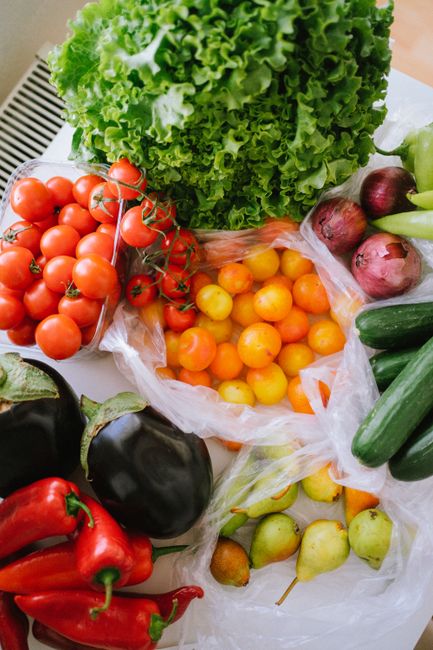
Vegetables and fruit contain fiber and water, but not many calories. They take up space in your stomach and slow down eating. That alone improves portion control.
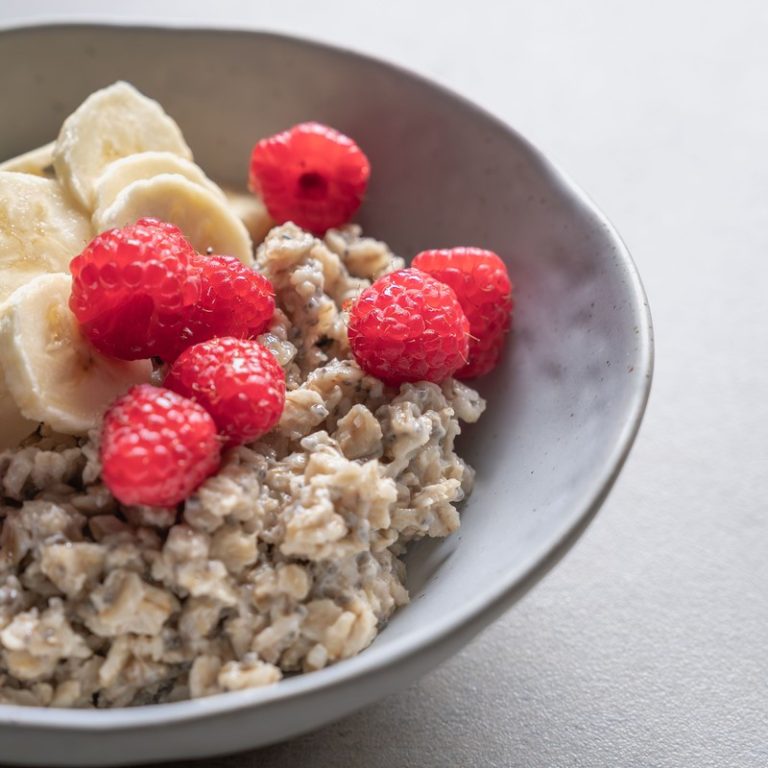
This doesn’t mean salads every day. It could be a handful of spinach thrown into pasta sauce, berries on oatmeal, or a bag of frozen mixed vegetables microwaved with dinner. I do the frozen bag thing a lot. It’s cheap, it takes four minutes, and it almost always gets eaten rather than thrown out.
If you currently eat zero vegetables at a meal, adding one scoop or one handful is a real change. Aim for two meals where that happens. Once that feels normal, you can add a third.
With fiber in the picture, your meals become more filling and your snack cravings usually back off. That’s another chunk of calories you won’t have to count.
3. Cut the Liquid Calories That Hide in Your Day
A can of soda, a sweetened latte, or a bottle of iced tea can add 150-250 calories. Those calories do almost nothing for fullness. Drinking them feels like a minor treat, but they add up to a couple of pounds per month if you have one daily.
Swapping to water, sparkling water, or unsweetened tea is one of the easiest changes I know. You keep the ritual without the sugar hit. If you love coffee, try drinking it black for a week. If that’s too bitter, add a splash of milk instead of three packets of sugar.
I made this swap about four years ago and still miss the iced tea from a local shop. But I stay with it because I get to eat the same food at meals and still see my weight move in the right direction.
Once beverages are sorted, the only remaining trap is the moment when hunger hits and nothing is ready. That’s where go-to meals come in.
4. Keep Two or Three Go-To Meals Ready
Hunger is a bad advisor. When it hits after a long day, your brain reaches for the convenience first. That’s usually fast food, a frozen pizza, or something from the vending machine. Nothing about your willpower is broken. You just didn’t have a better option in reach.
Change that by designing two go-to meals you can make in under 15 minutes. They don’t have to be fancy. For me, it’s a turkey and cheese wrap with baby carrots, or a bowl of instant rice with canned salmon and frozen peas. I write these on a sticky note on the fridge. When I’m tired, I don’t think. I grab the ingredients and cook.
Go-to meals work best if they include a protein, a low-carb vegetable, and a small portion of a carb you enjoy. That structure gives you a complete meal without overthinking it.
Tie It Together Without Perfect Discipline
You don’t need to do all four well at once. Pick one step that feels easiest. Do it for a week. Then add another. The magic is in repetition, not perfection.
Because these steps lower your calorie intake naturally, you often don’t need to count anything. You just eat better food at the right times. That’s more sustainable than any extreme diet.
Making It Work for the Long Run: Habits, Not Perfection
Most people don’t need a stricter diet. They need a routine they can repeat without renegotiating every meal. I know this from experience: I could eat clean for eleven days, then plow through a container of trail mix and call myself a failure. The calorie math wasn’t the problem. My all-or-nothing thinking was.
Temporary diets run on willpower, and willpower runs out. Stress, late nights, and long meetings drain it. Reusable habits run on autopilot. Cooking more meals at home, eating slowly, and planning treats do the heavy lifting for you.
Here are the habits that changed my eating more than any meal plan did.
- Cook more meals at home.
- Eat slowly enough to feel full.
- Plan your treats so they stay treats.
- Track food for three days, then adjust.
1. Cook More Meals at Home
Restaurant portions are often double what you’d plate in your own kitchen, and you can’t see how much oil or butter goes into the pan. At home, you control the food. That alone can cut several hundred calories without you feeling hungry.
Start with three nights this week. Cook a palm-size portion of chicken or beans, a fist-sized portion of potatoes, and a pile of vegetables. Then pack the leftovers into containers so Thursday’s dinner is still your dinner, not a delivery bag. I began with Sunday lunch meal prep. Forty-five minutes of chopping and roasting saved me from five mediocre takeout lunches.
2. Eat Slowly Enough to Feel Full
Your brain needs about twenty minutes to register that your stomach has had enough. If you eat in six minutes, you’re playing catch-up, and the last few bites always overshoot.
Put your fork down after every bite. Chew, swallow, breathe. This felt ridiculous to me at first, but after a few meals, I noticed I was satisfied with smaller portions. The weight loss followed without each meal feeling like a punishment. You don’t need to make every meal last an hour. Just stretch your normal meal from six minutes to fifteen.
3. Put Your Treats on the Calendar
Forbidden foods tend to turn into a reason to binge. If you tell yourself you don’t eat dessert anymore, the next birthday cake can shut down all your progress. Instead, plan the treats.
Write one small treat into your week. Friday night gets a single scoop of ice cream. Saturday breakfast gets a real croissant. When you know the treat is coming, you don’t need to panic-eat it later. A planned treat keeps a normal craving from snowballing into a full-blown overeating episode.
4. Track for Three Days, Then Adjust
You don’t need to track every meal for the rest of your life. A 72-hour audit is enough to reveal where the extra calories are hiding.
Write down everything you eat and drink for three normal days. Use a food scale for anything hard to estimate, like peanut butter, cereal, and salad dressing. Do not judge yourself. Do not label foods as good or bad. You’re collecting data, not defending a grade. When I did this, I discovered my harmless evening snack was around 400 calories. Cutting that snack to a normal serving instantly got me into a small deficit. The scale was a cheap eye-opener.
Habits Beat Perfection
The perfect diet is not a thing. The diet that lasts is the one you can repeat. Habits aren’t about being perfect every day. They’re about making the good choice the default. If you can cook one more meal at home, eat one meal more slowly, plan one treat, and do a short food audit, you’ve built more than a diet. You’ve built a setup you can live with.
Pair these habits with a couple of strength sessions each week and enough protein, and you’ll lose weight while holding onto the muscle you want to keep. That combination is what makes fat loss last.
Affiliate disclosure: Some links below are affiliate links, which means I may earn a small commission if you buy through them, at no extra cost to you.
If you want to make these habits easier, check current prices on Amazon for a food scale or meal prep containers. Then share your experience in the comments and tell us which habit you’re starting tonight. I would love to hear how it goes.