The Science of Post-Workout Cravings:
Full disclosure: Some links in this article are affiliate links. We may earn a small commission at no extra cost to you if you make a purchase through them. Our recommendations are based on what real users report, not on commission size.
The Post-Workout Munchies Are Real
You crush a sweat session, feel accomplished, and then within an hour you’re staring down a bag of chips or scrolling DoorDash for a burger. I’ve been there—finished a solid leg day only to demolish a large pizza and call it ”refueling.” It’s frustrating, especially when you started the workout intending to eat clean. But here’s the thing: it’s not a willpower failure. It’s a predictable biological and psychological response baked into your system.
Exercise triggers a cascade of hormonal changes. Ghrelin, the hunger hormone, often spikes after intense effort. At the same time, your brain’s reward centers light up in anticipation of quick energy—sugar, fat, salt. Primitive survival instincts kick in: you just burned calories, so your body wants to replace them fast. That drive is ancient, but your fridge is modern.
There’s also a psychological paradox. After you ”earn” a workout, you feel entitled to a treat. That mental accounting—”I burned 400 calories, so this 500-calorie shake is fine”—is common but can derail fat loss. The science shows that people often overestimate exercise calories burned and underestimate food calories consumed. A study from the Journal of Sports Sciences found that participants consistently ate more after exercise when they believed they had worked out hard, even when calorie expenditure was matched.
So how do you break the cycle without feeling deprived? Start by planning your post-workout meal ahead of time. Have a protein-rich snack ready—Greek yogurt, a shake, turkey roll-ups—something that satisfies hunger without triggering a binge. Recognize the difference between true hunger (gnawing stomach, low energy) and craving (intense desire for a specific food). When a craving hits, wait 10 minutes. Drink water. Often it passes. That pause is where science meets self-control—once you understand why your brain is screaming for fries, you can choose a smarter refuel without fighting yourself.
Hormones and Energy Debt: What’s Happening Inside Your Body
You crush a set of deadlifts, your heart is pounding, and the last thing you want is food. That’s not willpower — it’s biology. Intense exercise temporarily dials down hunger by releasing peptide YY (PYY) and glucagon-like peptide-1 (GLP-1). These hormones tell your brain, ”I’m good, no need to eat right now.” It’s the reason you can finish a hard workout without thinking about a slice of pizza.
But that effect doesn’t last. Within an hour, PYY and GLP-1 levels drop back to baseline, and ghrelin — the hormone that screams ”feed me” — can surge, especially if you’ve been running a calorie deficit. One 2017 study in the Journal of the International Society of Sports Nutrition tracked ghrelin after resistance training and found that levels jumped by about 40% within 45 minutes in participants who were in a calorie deficit. Your stomach literally starts growling because it senses the energy gap.
At the same time, your body is calculating the energy debt. It knows you just burned through glycogen and broke down muscle tissue. To refuel quickly, it craves simple carbohydrates and fats — the fastest sources of energy. That’s why a post-workout burger and fries feels so irresistible. It’s not weakness; it’s your primitive survival system trying to protect you.
Practical takeaway: Instead of fighting the craving, plan for it. Have a balanced post-workout meal ready — something with protein, carbs, and a little fat. A shake with a banana and peanut butter works. So does Greek yogurt with berries and granola. By giving your body what it actually needs, you can satisfy the hormonal drive without derailing your fat loss goals.
If you really want the burger, eat it — but make it a smarter version. Go for a lettuce wrap, ditch the fries, and add a side of veggies. The point is to understand the biological signals, not to shame yourself for having them.
The Mental Trap: Why You Feel You ‘Earned’ That Cheat Meal
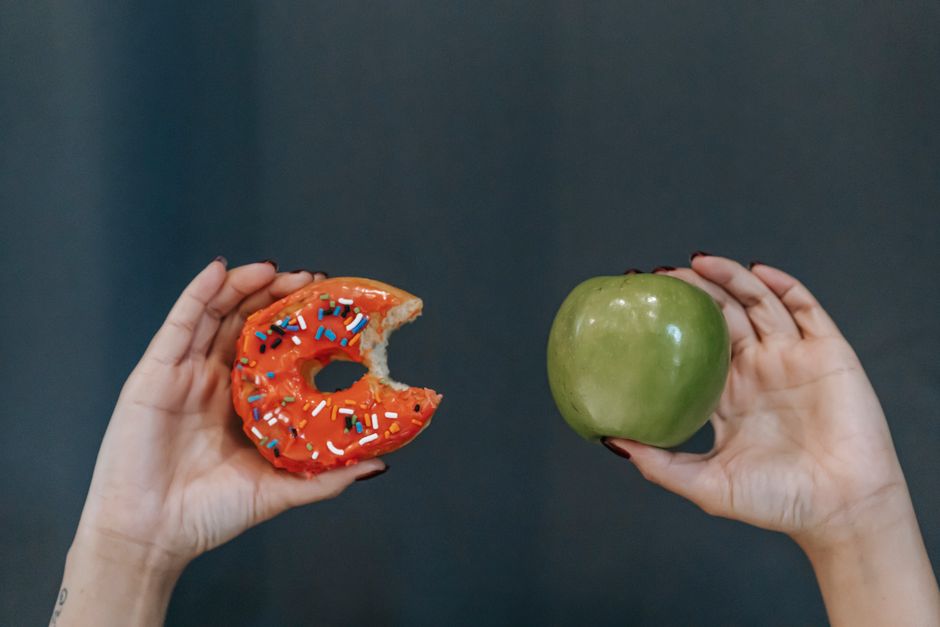
You just crushed leg day. Sweat dripping, muscles shaking, feeling like a champion. Then the thought creeps in: ”I earned this.” And suddenly you’re pulling into the drive-thru for a double cheeseburger and fries. Sound familiar? There’s real science behind that impulse, and it’s not just about hunger.
This is the licensing effect in action. Your brain grants you a ”license” to indulge because you performed a virtuous behavior (exercising). Studies show that people who exercise regularly often overestimate the calories they burned and then overcompensate with food. In one 2014 study from the Journal of Marketing Research, participants who walked 2 miles ate significantly more candy afterward than those who didn’t walk, because they felt they ”deserved” it.
But here’s the kicker: once you take that first bite of a ”cheat” meal, the what-the-hell effect often kicks in. You think, ”Well, I already blew it, might as well go all out.” That one burger turns into a milkshake, then some fries, and maybe a cookie for the road. The result? You’ve just consumed 1,500 calories more than you need—easily wiping out the caloric deficit your workout created.
I’ve been there. After my first half-marathon training run, I rewarded myself with a massive pizza and beer. I felt proud in the moment, but hours later I was bloated, sluggish, and disappointed. That’s the mental trap: you celebrate the effort, but the celebration itself sabotages the progress you’re trying to make.
Decision Fatigue: Why Your Willpower Is on Empty
Another factor is decision fatigue. Your workout demands mental energy—pushing through fatigue, counting reps, deciding when to rest. By the time you’re done, your brain’s decision-making resources are depleted. So when you face the choice between a healthy post-workout meal and a convenient fast-food option, the easy path wins.
Think about it: after a long workday and a tough gym session, do you have the mental bandwidth to cook chicken and chop vegetables? Probably not. That’s why having a plan is crucial.
Social Cues and Habits Automate Bad Choices
Your environment also plays a role. Maybe it’s a post-gym tradition with friends to grab ”smoothies” that are really milkshakes. Or the habit of hitting the drive-thru on the way home because it’s always been the routine. These social cues and automated behaviors bypass conscious decision-making entirely. You’re on autopilot.
In one study from the Annals of Behavioral Medicine, participants who exercised in groups were more likely to eat unhealthy foods post-workout if the group norm was to ”treat yourself” afterward. The social environment overrode their individual goals.
How to Break Free: Practical Steps
But you can outsmart these traps without feeling deprived.
- Plan your post-workout meal before you start. Decide exactly what you’ll eat—ideally a protein-rich meal with vegetables—and prepare it in advance. That way, decision fatigue has no power.
- Delay the reward by 15 minutes. When you feel the urge to ”treat yourself,” wait a quarter of an hour. Often the craving fades, and you can make a more rational choice.
- Reframe the reward. Instead of food, reward yourself with something non-edible: a hot shower, a new playlist, or even a short nap. Training your brain to celebrate effort without junk food takes practice, but it works.
- Choose a controlled indulgence. If you truly want a treat, build it into your macros. For example, have a small portion of dark chocolate or a single scoop of protein ice cream. That satisfies the reward system without the blowout.
Personally, I found that prepping a quick post-workout shake with protein powder, spinach, and a scoop of peanut butter entirely removed the temptation to stop for fast food. It took 5 minutes, cost less, and actually helped my recovery.
Practical Ways to Outsmart Post-Workout Cravings
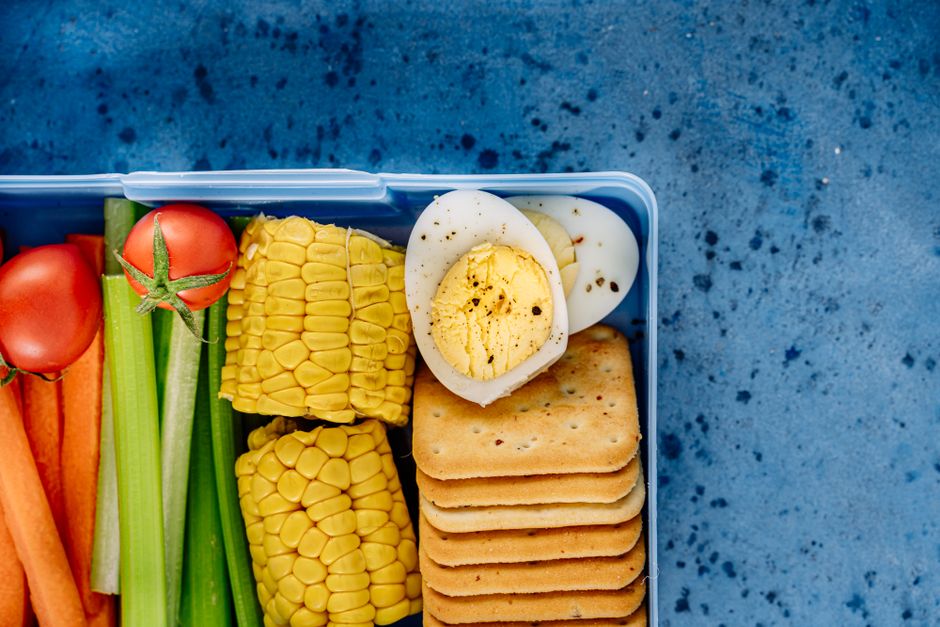
You’ve pushed through a tough workout. Your muscles are screaming. And suddenly, a burger sounds like the greatest idea ever. It’s not just willpower – it’s biology. But here’s the thing: you can work with your biology instead of fighting it. Here are four science-backed strategies that have helped me and countless clients stay on track.
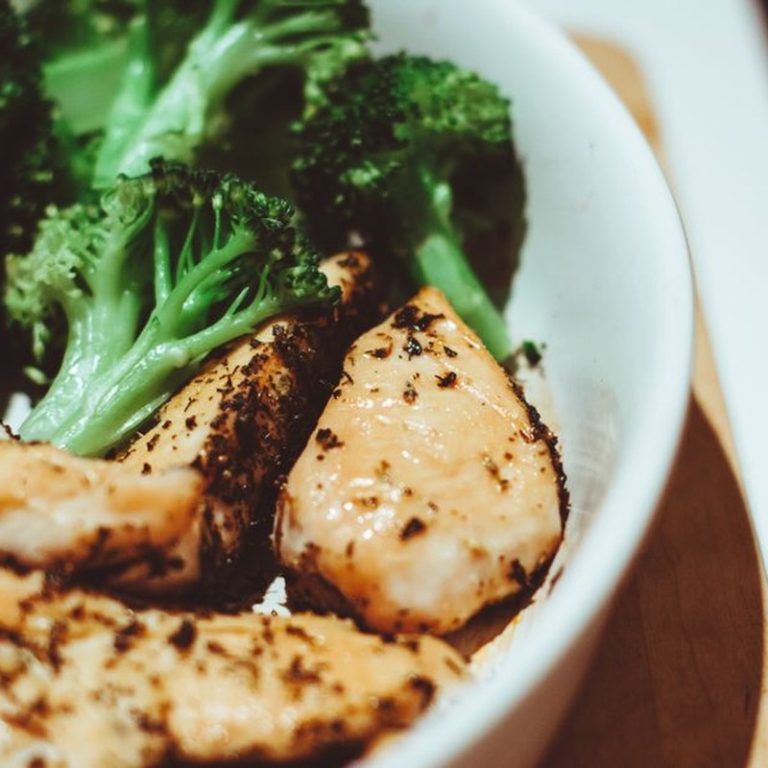
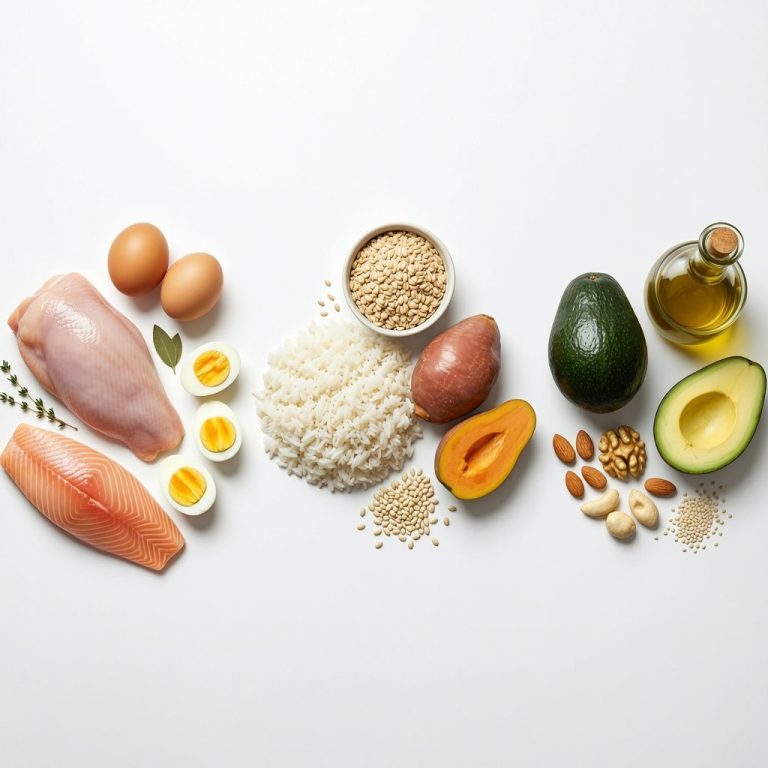
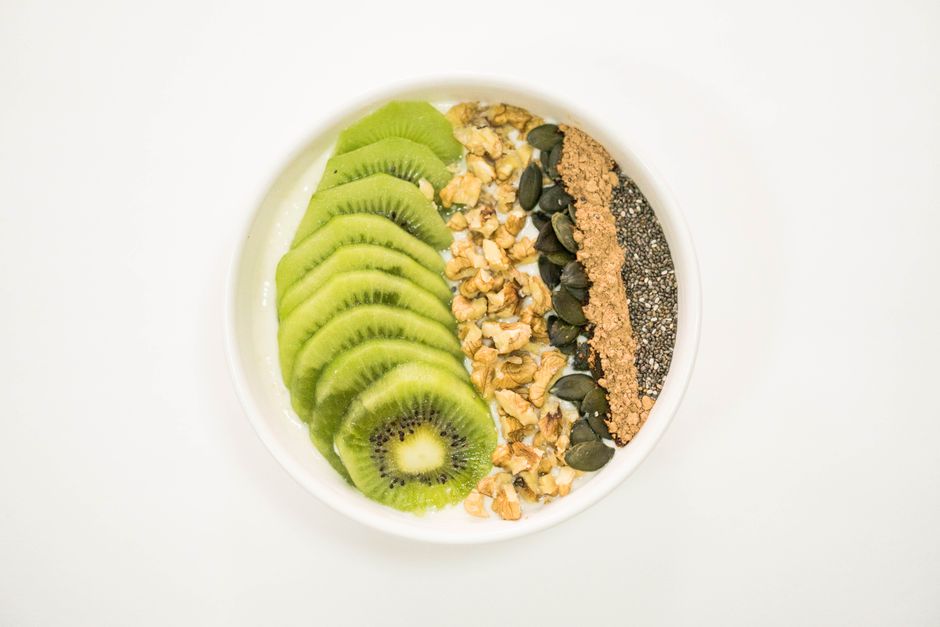
1. Time your meals strategically. Eat a balanced snack 1-2 hours before training – something with carbs and protein, like Greek yogurt with berries or a banana with peanut butter. This stabilizes your blood sugar so you’re not ravenous afterward. After your workout, have a protein-rich meal within two hours. I aim for chicken, fish, tofu, or eggs with vegetables. That planned meal kills the craving before it starts.
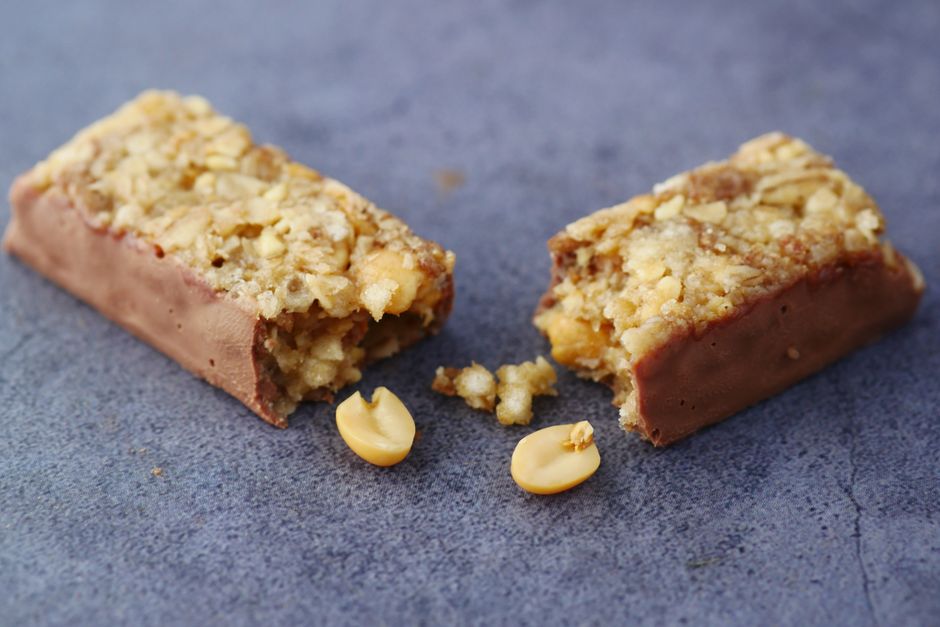
2. Load up on protein and fiber. Protein triggers satiety hormones like PYY and GLP-1. Fiber slows digestion and keeps you full. A grilled chicken breast with a big salad and quinoa works far better than a protein bar alone. I’ve found that adding a handful of spinach to my smoothies makes a huge difference in how long I feel satisfied.
3. Control your environment. If you keep chips and cookies in your pantry, you’ll eat them especially when your willpower is low after a workout. Don’t test yourself. Remove trigger foods from your home, or at least keep them out of sight. Instead, prep healthy options that are as convenient as fast food. I batch-cook grilled chicken, hard-boil eggs, and wash and cut vegetables so I can grab them in minutes. That way, when hunger hits, the healthy choice is the easiest choice.
4. Eat mindfully. Before you eat anything, rate your hunger on a scale of 1 to 10 where 1 is starving and 10 is stuffed. Aim to start eating at a 3 or 4. Then eat slowly, and stop when you’re at a 7 – comfortably full, not stuffed. This takes practice, but it rewires your brain to listen to your body’s actual signals. I keep a small notepad in my kitchen to jot down my numbers for the first week. It sounds nerdy, but it works.
Outsmarting post-workout cravings isn’t about sheer willpower. It’s about setting yourself up with the right timing, the right foods, the right environment, and the right mindset. Try these strategies one at a time. You’ll be surprised how much easier it becomes to stick with your goals.
If you’re looking for tools to help – like meal prep containers or a good food scale – check current prices on Amazon. And let me know in the comments: which of these tips did you try, and how did it go?
Medical & Editorial Review: This article was reviewed by Liam Smith, founder of Apexfito, for accuracy and safety. Content is for educational purposes and is not a substitute for professional medical advice. Consult your physician before starting any exercise or nutrition program.