Electrolytes: Do You Actually Need Them (and When)?
Full disclosure: Some links in this article are affiliate links. We may earn a small commission at no extra cost to you if you make a purchase through them. Our recommendations are based on what real users report, not on commission size.

What Electrolytes Do in Your Body (and What They Can’t Fix)
Electrolytes are minerals that carry an electrical charge once they dissolve in water. The four that matter most for hydration and training are sodium, potassium, magnesium, and calcium. Your body keeps them in a tight range because they move fluid between cells, carry nerve signals, and trigger muscle contractions.
Sodium and potassium do most of the heavy lifting. Sodium sits mainly outside your cells; potassium stays mostly inside. That separation creates the electrical voltage that lets your brain tell your muscles to fire and your heart keep its rhythm. Magnesium and calcium help too: calcium supports muscle contraction and nerve signaling, while magnesium helps muscles relax and supports energy metabolism. But you lose very little magnesium and calcium in sweat compared with sodium.
Here is the quick breakdown:
- Sodium: The main electrolyte you lose in sweat. It holds water in the right places, supports nerve signals, and helps muscles contract. Sweat sodium concentration varies wildly from person to person.
- Potassium: Works inside cells and is critical for heart and muscle function. Most people get plenty from food, and sweat losses are small.
- Magnesium: Needed for muscle relaxation and energy production. It is not a major sweat electrolyte, and true deficiency is uncommon in healthy people eating a varied diet.
- Calcium: Important for muscle contraction, nerve signaling, and bone health. Sweat losses are tiny compared with what your body stores and regulates.
Your kidneys are the control room. If sodium drifts high, they dump extra into urine; if it drifts low, they hold onto it. For everyday activities and short workouts, a normal diet usually gives you more than enough electrolytes. If you eat mixed meals with some salt, produce, dairy or alternatives, beans, and nuts, you are likely covered. You do not need a powder to walk the dog or do a 30-minute spin class.
There is one clear exception: the salty sweater. If your sweat stings your eyes, tastes salty, or leaves white streaks on dark clothing, you lose more sodium than average. I found this out during a humid summer run. My face felt gritty afterward, and my usual water bottle did not cut it. Adding a sodium-containing drink before and after those sweaty sessions made a bigger difference than any fancy recovery powder I tried. If that sounds like you, extra electrolytes may help even on moderate workouts.
What electrolytes will not do is fix poor sleep, under-fueling, or a training plan that is too aggressive. If you are running on five hours of sleep and a small breakfast before a hard session, an electrolyte drink is not going to rescue you. It is one small piece of hydration, not a replacement for eating enough, sleeping enough, and building your workload at a sensible pace.
You can also overdo it. More sodium is not automatically better, especially if you have high blood pressure, kidney issues, or a doctor who has told you to watch salt. For most healthy beginners, match your intake to your actual sweat loss instead of sipping electrolyte drinks all day out of habit.
A few practical ways to figure out what you need:
- Check your sweat clues. Stinging eyes, salty taste, white streaks, and craving salty foods after training are signs you are a saltier sweater. Those are the days to consider an electrolyte drink or tablet.
- Match the drink to the session. For easy workouts under an hour in mild weather, water plus normal meals is usually fine. For hot, long, or very sweaty sessions, a drink with sodium can help you feel better and replace what you lose.
- Use food first when you can. A meal with table salt, potatoes, bananas, beans, yogurt, leafy greens, and nuts covers sodium, potassium, magnesium, and calcium. That is cheaper than most powders and comes with other nutrients.
- Read the label. Some products are mostly sugar and flavoring with a pinch of salt. Others are serious sodium replacements. Compare sodium, potassium, magnesium, and carbohydrate content so you know what you are paying for.
A recent Women’s Health roundup from October 8, 2026, tested powders, tablets, and drinks, and Google Trends shows searches for electrolytes are up over the past year. That explains why the shelf at your local store keeps growing. It does not mean every athlete needs a scoop or that electrolytes are a magic performance boost for everyone. Popularity and actual need are two different things.
If you do decide to try one, check current prices on Amazon and share your experience in the comments. What works for a salty sweater on a hot run may be overkill for someone doing yoga in an air-conditioned studio.
When Water Is Enough and When You Need More
There’s a tub of electrolyte powder in my kitchen cabinet, and I go weeks without opening it. Not because it’s useless, but because most of my training doesn’t call for it. The question was never whether electrolytes matter. It’s whether a given session pushed out enough sodium to make replacing it worth the money and the scoop.
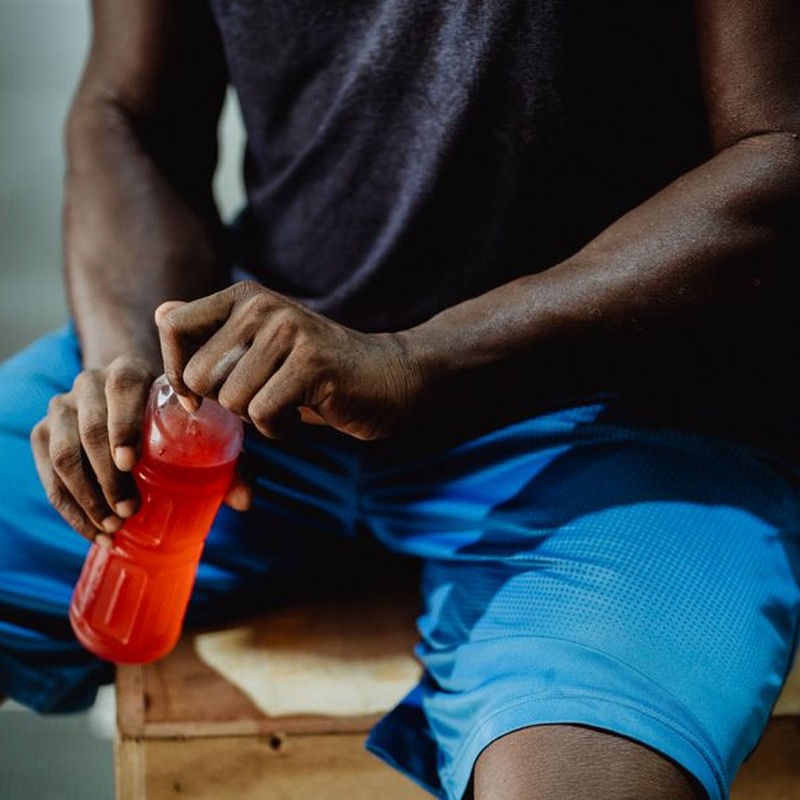
Here’s how I decide, session by session.
Under an hour and not that sweaty? Drink water
A walk, a light gym session, an easy 30-minute jog in mild weather. Plain water covers it, and your next meal handles the rest. You carry sodium reserves, and food is dense with the stuff. The salt in your lunch does more for your electrolyte balance than a packet would.
That’s an unsatisfying answer if you just bought a tub of lemon-lime. Sixty minutes at moderate effort in 65-degree weather still doesn’t drain you enough to justify it.
Practical cutoff: done inside 45 to 60 minutes without soaking through your shirt? Water.
Hard sweating for an hour or more changes the math
Once you’re sweating heavily for an hour-plus, or training in heat and humidity, replacing sodium starts to matter. Sweat isn’t just water. It carries sodium with it, and over a long session those losses stack up. When sodium drops far enough, you can feel flat, headachy, mildly nauseated, or vaguely off. Some of you will recognize the sloshy, unsettled stomach that comes from drinking plain water your body isn’t absorbing well.
Ever finished a summer long run feeling worse than the effort deserved? That’s the scenario where an electrolyte drink tends to earn its price. Not a performance hack, just topping up something you actually depleted.
Heat and humidity are their own problem
Hot, humid conditions can push sweat rates up sharply compared to a cool gym. Sweat drips instead of evaporating, so you feel wetter and lose more of it. Google Trends data for the US shows searches for electrolytes running above their 12-month average, and that pattern tracks with the calendar more than any sudden leap in human biology.
Training outdoors in July? Plan on electrolytes past the hour. In January, in a climate-controlled gym, probably not.
Two-a-days, physical jobs, and back-to-back sessions
Total daily losses matter more than any single workout. Lift in the morning and run after work, or spend eight hours on your feet moving boxes before you even reach the gym, and sodium loss accumulates all day long. Sipping an electrolyte drink between sessions rather than chugging one during often works better, because it keeps you from starting round two already behind.
Low-carb and keto: expect a sodium flush
Cut carbs sharply and your body dumps water and sodium along with it, especially in the first week or two. People on keto or a strict low-carb plan often need electrolytes even for lighter activity. The usual symptoms, headache, fatigue, feeling weak on a short easy run, trace back to that flush. If that’s you, a daily serving isn’t overkill. It’s closer to maintenance. A pinch of salt in your water works too if you’d rather not buy powder.
Sick days are a different category
Vomiting, diarrhea, or a fever isn’t a training problem. It’s a fluid and electrolyte loss problem. Oral rehydration solutions and electrolyte drinks can genuinely help here. If symptoms are severe, won’t stop, or you’re unsure, especially with a child, an older adult, or anyone on medication, call a doctor instead of guessing.
Find your own number in 30 seconds
Weigh yourself naked before and after a hard session, then note how much you drank. Every pound lost is roughly 16 ounces of fluid you didn’t replace. Drop two or three pounds on a normal workout and you’re a heavy sweater who’ll want electrolytes more often than your training partner. Check your hat or shirt, too. White, crusty salt stains mean salty sweat, and that means sodium replacement matters more for you than for someone whose sweat dries clear.
Quick decision checklist
- Under 60 minutes, mild weather, moderate effort: water.
- 60+ minutes of hard sweating, or hot and humid conditions: electrolyte drink.
- Two sessions in a day, or a physically demanding job: sip between sessions.
- Low-carb or keto: daily electrolytes, even on easy days.
- Vomiting, diarrhea, or fever: rehydrate, and get medical advice if it’s severe.
Electrolyte products are easy to overbuy. If you’re shopping, the Women’s Health roundup from October 8, 2026, titled “The 10 best electrolytes to keep you hydrated – expert-tested powders, tablets and drinks,” is a reasonable starting point for comparing powders, tablets, and ready-made drinks. Then check current prices on Amazon against how often you’d realistically use a tub, because a bargain on something you open twice a year isn’t a bargain. If you already have one that works for your long sessions, drop it in the comments and tell the rest of us how it went.
How to Pick an Electrolyte Product Without Wasting Money
Walk down the sports nutrition aisle and you’ll see forty tubs, all with a sweaty athlete on the front and words like “hydrate,” “replenish,” and “performance” in bold. Most are fine. A few are flavored sugar water with a pinch of salt. The difference is on the back label, and it takes about ninety seconds to spot it.
Start with sodium, because that’s the one that matters
Sodium is what you lose in the largest amounts through sweat, and it drives most of the benefit in a sports drink or powder. General sports nutrition guidance lands around 300 to 600 milligrams of sodium per serving for a product meant to replace meaningful sweat losses. If a powder lists 50 mg, that’s a sprinkle. A banana has more sodium than that, and you’d need a lot of servings for it to matter on a long run in July.
Then check the first ingredient. If sugar, dextrose, cane sugar, or glucose comes before the salt, you’re mostly buying a sports drink in powder form. That’s not automatically bad. On long endurance efforts, some carbohydrate alongside sodium helps absorption and keeps you fueled. But during a 40-minute strength session or a casual bike ride, you’re paying a premium for sugar you didn’t need. Want electrolytes without the calories? Look for sodium citrate, sodium chloride, or a salt blend near the top of the list.
Potassium and magnesium: read the numbers, not the front of the tub
Almost every powder mentions potassium and magnesium on the packaging, often in bigger type than the sodium. Flip to the supplement facts panel and see what’s actually inside.
- Potassium. You lose some in sweat, but far less than sodium, and your daily requirement is measured in thousands of milligrams. A product with 40 or 60 mg per serving is a rounding error. Not useless, just not the reason to buy it. Potatoes, beans, yogurt, bananas, and leafy greens handle this over the course of a day.
- Magnesium. Many powders include a small dose, often in a poorly absorbed form. Magnesium matters for plenty of things in the body, but it isn’t what makes you feel better twenty minutes into a run. If a company leads with magnesium on the front and shows 15 mg inside, that’s marketing, not formulation.
One more check: serving size. Some tubs count a scoop as half a serving, so the sodium number you see isn’t what you’d actually mix. Read the scoop-to-water instructions before deciding a product is weak or strong.
Do the cost-per-serving math before you buy
Ready-to-drink bottles are convenient, and convenience has a price. A powder tub that costs $30 and holds 60 servings works out to about 50 cents a serving. A bottled electrolyte drink at $2.50 each, used daily, is roughly $75 a month. Same job, very different bill.
Powders and tablets also let you control strength. On a cool morning, mix half a scoop. On a 90-degree long run, go full strength or double up. Bottles are locked in at whatever the manufacturer decided. That flexibility matters if your training changes with the seasons, which for most of us it does.
Bottles still make sense in specific spots: you’re traveling, you forgot to pack anything, or you want one cold drink at the end of a race and don’t care about the markup. Just don’t build daily hydration around them unless the cost genuinely doesn’t matter to you.
Use a shortlist, then compare current prices
Hundreds of options exist and reading every label gets old fast. A reasonable shortcut is to start from a testing roundup, then verify the numbers yourself. Women’s Health published one in October 2026, “The 10 best electrolytes to keep you hydrated – expert-tested powders, tablets and drinks,” covering all three formats. It gives you names worth shortlisting. Treat it as a starting point rather than a final answer, since formulas and prices change and your needs aren’t identical to the testers’.
Once you have five or six candidates, pull them up on Amazon, check the supplement facts panel image in each listing, and compare sodium per serving and cost per serving side by side. Prices shift constantly, so what’s expensive this month may not be next month. Reviews are useful mainly for flagging mixability and taste, which matter more than people expect. A powder you dread drinking sits in the cupboard until it expires.
The judgment call you’ll develop
I keep a tub of electrolyte powder in the kitchen for long runs, hot afternoons, and any workout that leaves salt streaks on my shirt. For a 30-minute easy jog in mild weather, I drink water and skip it. That’s not a rule I read somewhere, it’s a pattern I noticed after about a year of tracking when I actually felt a difference and when I didn’t.
You’ll build the same sense. Start by noticing how much you sweat, how salty your skin tastes afterward, and how long your sessions run. Sweat rate and sweat sodium concentration vary enormously between people. Someone who finishes a hard hour drenched and salty needs more than someone who glows lightly through the same workout.
If you take one thing from this section: read the back of the label, put sodium first, ignore the front-label promises about potassium and magnesium until you see the numbers, and compare cost per serving before you commit to a tub. Then check current prices on Amazon and tell me in the comments what you landed on and how it worked out. Reports from real training are more useful than any roundup, including this one.
DIY Electrolyte Drinks, Timing, and Mistakes to Avoid
You don’t need a $40 tub of powder to stay hydrated. A homemade mix covers most training sessions for pennies, and I started making my own after noticing I was spending more on electrolytes than on groceries. Here’s the version I use, plus the timing and mistakes that matter more than the label.
The basic DIY mix
Fill a bottle with:
- 16 to 24 ounces of water
- A pinch of salt — start with 1/8 teaspoon
- A squeeze of lemon or a splash of juice for flavor
This isn’t a precise prescription, so taste it and adjust to how salty you sweat. Finish a workout with white streaks on your shirt? You probably need a little more salt. Does it taste like ocean water? Dial it back.
I keep a small container of salt in my gym bag and add a pinch to my bottle before a long run. Nothing fancy, but it works. A banana or a handful of pretzels alongside it covers the potassium and the craving for something salty.
Timing: drink to thirst, sip steadily
Timing matters less than total intake. For most workouts under an hour, drink to thirst — your body is decent at telling you what it needs. If you’re going long or hard, say a 90-minute run or a two-hour ride, sip every 15 to 20 minutes instead of chugging a large amount at once. Chugging leaves you sloshy and nauseated.
I used to down half a bottle right before a run and then feel it bouncing around my stomach. Now I take a few sips every mile or so. Big improvement. You can also start hydrating a couple of hours before you exercise if you sweat heavily, but don’t force it. Overdrinking before a workout just means extra bathroom trips.
Mistakes that trip up beginners
Drinking huge amounts of plain water during hours of sweating. That can dilute your blood sodium — a condition called hyponatremia. It’s rare, but it is a real risk for endurance athletes. A woman I run with ended up in the medical tent after a marathon because she drank only water for four hours. Mixing in electrolytes is a smart guardrail. If you’re sweating for more than two hours, plain water alone isn’t enough.
Assuming more electrolytes is better. Too much sodium or magnesium can cause stomach cramps, nausea, or diarrhea. I learned that one the hard way after doubling up on a magnesium powder before a long ride. If you’re new to a product, start with half a serving. You can always add more next time.
Ignoring the numbers on the label. Some drinks carry a lot of sugar and very little sodium. Others have a decent sodium-to-potassium ratio and a price tag to match. For a basic electrolyte drink, a general range of 300 to 600 milligrams of sodium per serving works for most people, depending on how much you sweat and how long you’re out there. That’s a range, not a rule.
What to buy (or skip)
Interest in electrolytes is up. Google Trends shows US search volume for the term over the past year running above its 12-month average, and a Women’s Health roundup from October 2026 tested ten powders, tablets, and drinks if you want a starting point. Useful, but you don’t have to chase the fanciest option on that list.
Check current prices on Amazon for anything you’re considering, then compare sodium per serving. Sometimes the store brand is nearly identical for half the price. For everyday training, my DIY mix plus a salty snack handles it. I’ve done 10-mile runs on homemade mix and pretzels and felt fine the whole way. Very long events might justify a commercial product with a precise ratio — that’s the exception, not the default.
What’s in your bottle? Share your experience in the comments — what you use, what you’d skip, and what actually helped you feel better during training. And before you buy anything, check current prices on Amazon so you don’t overpay. Your wallet will notice.