Healthy High-Protein Snacks That Actually Taste Great
Full disclosure: Some links in this article are affiliate links. We may earn a small commission at no extra cost to you if you make a purchase through them. Our recommendations are based on what real users report, not on commission size.
Why High-Protein Snacks Matter for Muscle and Metabolism
I used to grab an apple or pretzels in the afternoon, but that left my protein intake uneven across the day.
Research shows that muscle protein synthesis (MPS) — the process that repairs and builds muscle after training — responds best when you spread high-quality protein across 4 to 5 feedings (Schoenfeld et al., 2018). If you load all your protein at dinner, your body gets one big burst of MPS, then it tapers off. Adding a mid-morning or afternoon snack with 20–30 grams of protein keeps MPS elevated longer, which supports better hypertrophy — especially if you train regularly.
That same snack also works wonders for hunger. Protein triggers the release of hormones like GLP-1 and PYY, which send “I’m full” signals to your brain. A 25-gram Greek yogurt bowl or a handful of cottage cheese with berries can keep me satisfied for a solid 3 to 4 hours. That means fewer impulsive trips to the vending machine and less total calorie intake later in the day.
But the most practical reason to embrace high-protein snacks is closing the daily gap. Surveys consistently show that the average active person falls short by 30 to 50 grams of protein per day. That deficit adds up — you’re leaving muscle gains on the table. Rather than force-feeding yourself a giant chicken breast at dinner, strategic snacks like a hard-boiled egg and beef jerky, or a scoop of protein in overnight oats, tidy up that shortfall without making meals feel like a chore.
For beginners especially, focusing on snacks is the easiest way to get more protein without overhauling your cooking routine. Once you realize that a simple snack can boost MPS, curb hunger, and close your daily protein gap, the choice becomes obvious. It’s not about perfection; it’s about consistency across the day.
For easy high-protein snack ideas you can prep in minutes, check current prices on Amazon and let us know in the comments which ones you’ve tried.
What to Look For in a Healthy High-Protein Snack
I’ve wasted money on more “healthy” protein bars than I’d like to admit — the ones with bright packaging promising “natural” and “high protein” but delivering mostly sugar. After a few too many energy crashes, I started flipping packages over. Now I check three things before buying any packaged snack: protein, sugar, and ingredients. It takes ten seconds.
The 10-Second Label Check
Shoot for at least 15 grams of protein per serving. That number guarantees you get a real dose for muscle repair and satiety, not just a dusting of pea powder. Keep added sugar under 8 grams — ideally 4 or 5 grams. Anything above 8 is essentially a candy bar with protein powder. Then scan the ingredient list. If it has more than five items and includes words like maltitol, soy lecithin, or “natural flavors,” that’s a red flag. Put it back. The best packaged snacks have a short list: nuts, dates, egg whites, chocolate. Brands like RXBAR and Quest usually pass this test with the right flavors. They keep ingredients minimal and protein high — no chemistry experiments.
Real Food, Real Protein: Why Greek Yogurt Still Leads
You can’t beat whole foods. A single serving of Greek yogurt delivers 15–20 grams of protein plus calcium for bone health. Cottage cheese provides casein protein, which digests slowly — ideal for an evening bite. Eggs give you choline for brain function, and I always keep hard-boiled eggs in my fridge. Edamame is a plant-based powerhouse with both protein and fiber. These options have no ingredient list because they are the ingredient. They work every time.
The Protein-to-Calorie Ratio: Your New Shopping Tool
Ignore buzzwords like “fit” or “natural” on the front. Flip the package and do one calculation: divide grams of protein by total calories. You want at least 1 gram of protein per 25–30 calories. For example, a bar with 15 grams of protein and 200 calories gives you 1 gram per 13.3 calories — excellent. The same bar at 300 calories gives you 1 gram per 20 calories — still decent but check the sugar. If the ratio drops below 1 gram per 30 calories, you’re mostly eating filler and fat. I’ve seen bars with 12 grams of protein and 18 grams of sugar marketed as healthy. Don’t fall for it. Pick snacks that actually deliver protein without the junk, and you’ll hit your goals without hating every bite.
Next time you’re at the store, grab three different “high-protein” snacks and run through this checklist. You’ll be surprised how many fail. Want a head start? A few brands like RXBAR (Peanut Butter Chocolate) and Quest (Chocolate Chip Cookie Dough) consistently meet the criteria. Check prices on Amazon if you want to stock up without the store markup.
Five High-Protein Snacks That Prove Healthy Doesn’t Mean Boring
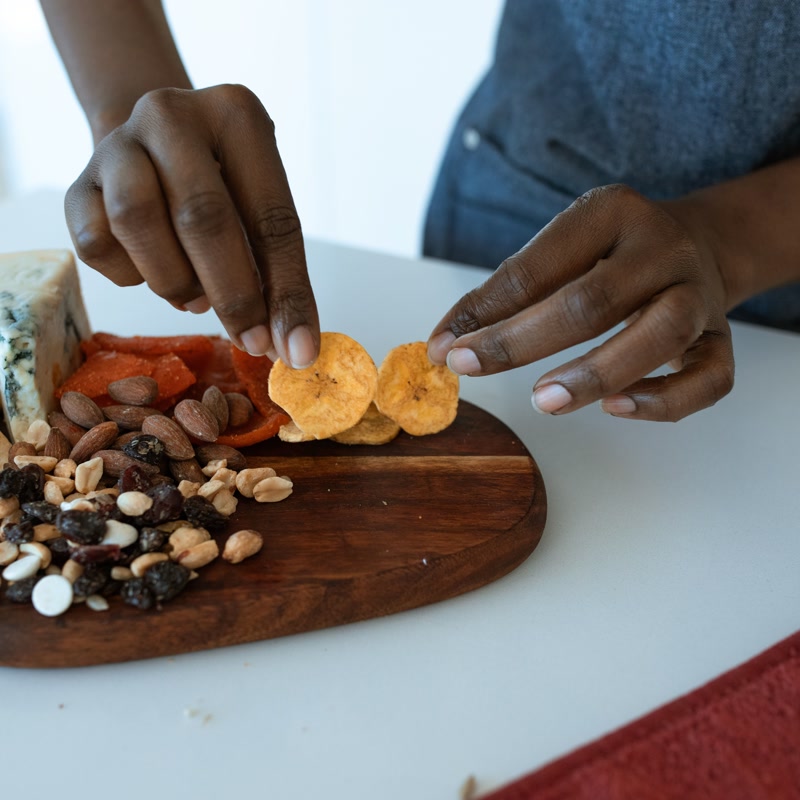
You don’t need a kitchen degree to get 20–30 grams of protein in minutes. These five snacks taste good enough that you’ll look forward to them, and they all come with prep tricks I’ve tested at home. I’ve also added a vegan option and included portion notes to keep calories in check if that’s your focus.
- Greek yogurt + vanilla protein powder + frozen berries (~30g protein). Stir one scoop of vanilla protein into a cup of plain Greek yogurt, then top with frozen mixed berries and a handful of chopped almonds. The berries thaw into a syrupy sauce, the protein blends smooth if you whisk first. Tastes like a dessert bowl. Portion note: Stick to one cup of yogurt and one scoop of powder to keep calories around 300–350.
- Cottage cheese scrambled eggs (~28g protein). Whisk two eggs with half a cup of cottage cheese (low-fat works fine). Pour into a hot pan and scramble gently. The curds melt into creamy pockets that make the eggs fluffy and rich. Ready in five minutes. Portion note: Use 1% cottage cheese to save about 60 calories compared to full-fat.
- Edamame in the shell with sea salt and smoked paprika (~18g protein per cup, shelled). Buy frozen edamame, microwave per package, then toss with olive oil, flaky salt, and smoked paprika. The shelling forces you to eat slower, so you feel satisfied with less. Portion note: One cup of shelled edamame is about 200 calories; if you use in-shell, the weight is higher but the eating experience makes it a great low-cal snack.
- Beef or turkey jerky + an apple (~15–20g protein). Look for jerky with no added sugar and moderate sodium (ideally under 400mg per serving). Pair with a small apple for fiber that keeps blood sugar stable. I keep a bag in my desk drawer. Portion note: A 1-ounce portion of jerky is about 70–100 calories; the apple adds 95 calories. Great for weight control if you don’t overdo the jerky.
- Tuna packets with mustard and relish over cucumber slices (~20g protein). Mix a pouch of tuna (in water, no oil) with a generous squirt of yellow mustard and a spoonful of sweet relish. Scoop onto thick cucumber rounds. No fridge needed, tastes like a light summer salad. Portion note: One pouch is about 90 calories; add as many cucumber slices as you want for volume.
- Smoked tofu or tempeh strips with spicy mustard (~20g protein per 3oz). Slice extra-firm tofu thinly, marinate in tamari and liquid smoke, then bake at 375°F for 20 minutes until chewy. Tastes like jerky, no animal products, and easy to portion. Portion note: Half a block of tofu gives 20g protein and about 200 calories. Perfect for plant-based readers who want a grab-and-go snack.
All of these snacks can be adjusted for different calorie needs. If you’re cutting, stick to single servings and watch for added sugars or oils. If you’re bulking, double the portions or add a tablespoon of nut butter. The edamame and tofu options are great for vegan readers, and everyone else gets plenty of variety. Try a couple this week, and check current prices on Amazon for protein powder, jerky, and tuna packets. Drop a comment below with your favorite – I’d love to hear how these fit into your routine.
Making Protein Snacks Work in Your Real Life

Life gets busy. You rush from work to the gym, and your next meal is a gas station hot dog if you don’t plan ahead. That’s where these snacks shine—but only if you actually have them on hand when hunger hits.
I’ve found that a simple Sunday evening session makes the whole week easier. Twenty minutes after you get home from the grocery store: pre-portion those Greek yogurt cups into small containers, slice cheese into sticks, and divide almonds into ziplock bags. Do it while you’re listening to a podcast. That small habit stops you from grabbing a bag of chips when your energy dips on Wednesday afternoon.
You should also stash shelf-stable options everywhere you spend time. Beef jerky, tuna packets, and protein bars with clean labels (no weird sugar alcohols or fillers) keep for months. I keep one in my gym bag, one in my desk drawer, and a backup in my car console. When a meeting runs long or traffic snarls, you’ve got a 20-gram protein rescue waiting for you.
Here’s a trick that helped me see where I was falling short: track what you eat for three days using MyFitnessPal or a similar app. Don’t change your eating—just log it. Most people discover a protein gap around 2 p.m. or after dinner. Once you know your weak spots, you can plug them with one of the snacks above. For me, it was that 15-minute lull before lunch where I’d eat an apple and not much else. Now I add a cheese stick or hard-boiled egg and hit my protein goal more consistently.
Now for your next move: head over to Amazon and check the current prices on your favorites from this list. Prices change week to week, so grab them when they’re low. And after you’ve tried a few, come back and drop a comment answering this: which snack surprised you the most? Was it the cottage cheese that actually tasted good, or the beef sticks that became your new desk staple? I read every reply and want to know what worked for you.
Medical & Editorial Review: This article was reviewed by Liam Smith, founder of Apexfito, for accuracy and safety. Content is for educational purposes and is not a substitute for professional medical advice. Consult your physician before starting any exercise or nutrition program.