Stop Doing These 5 Common Ab Exercises That Hurt Your Neck
By Liam Smith — Fitness enthusiast and founder of Apexfito. I test gear at home and share what actually works.
Why Your Neck Hurts During Ab Workouts
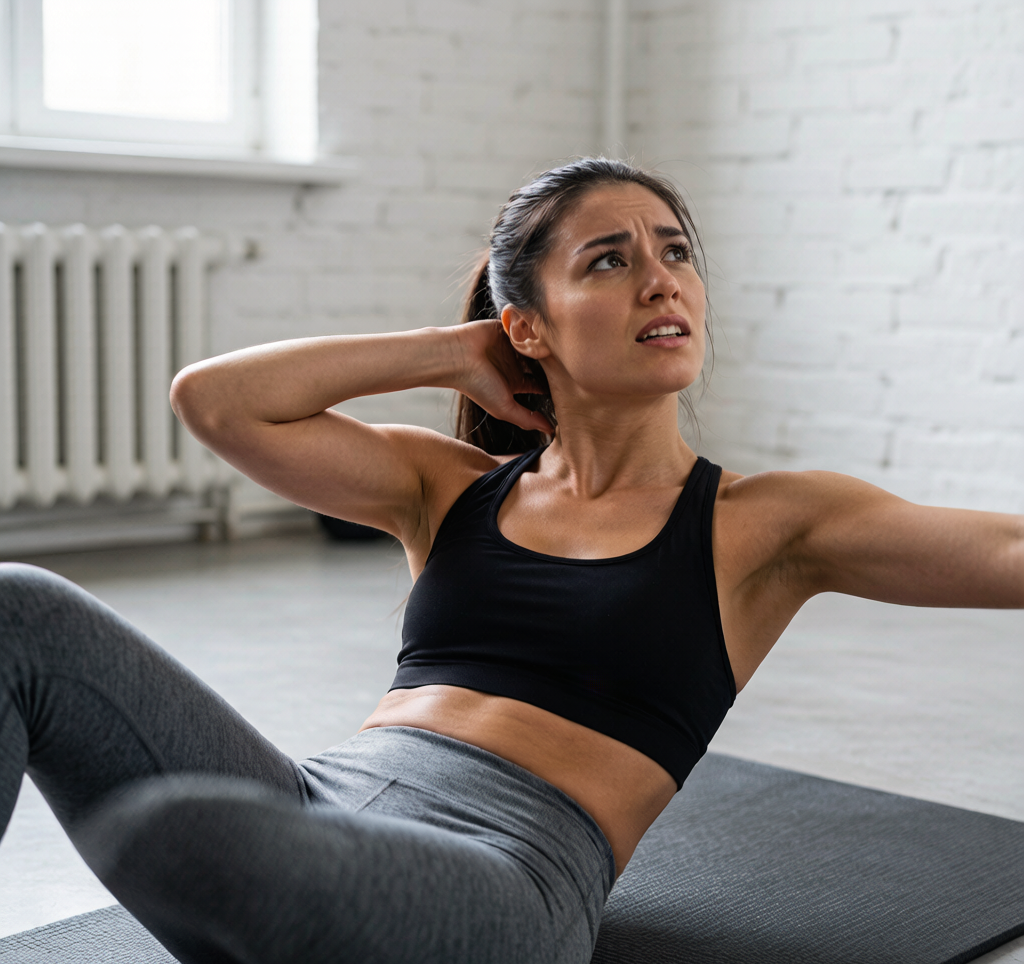
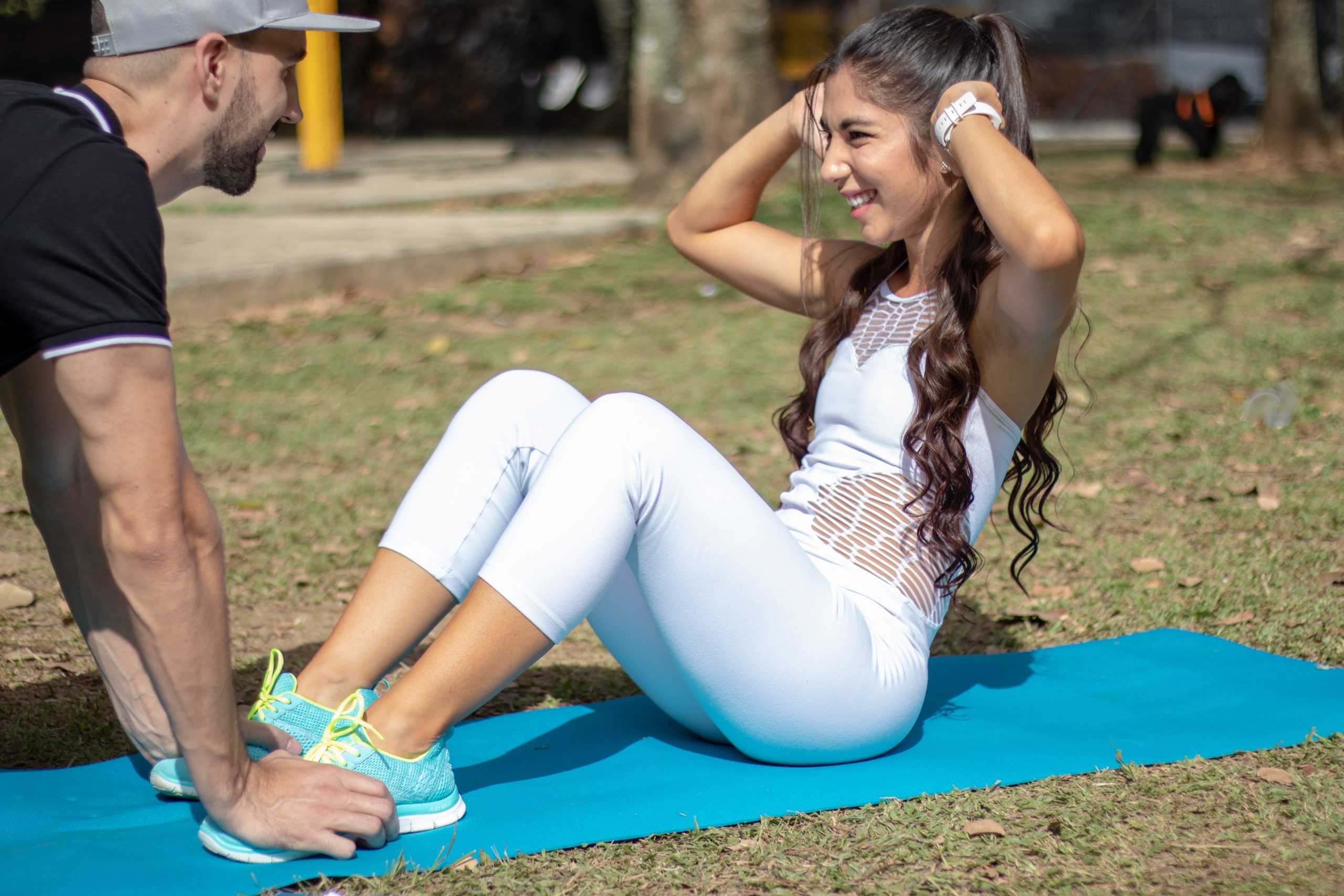
You lie down, hands behind your head, and crunch up. Instead of feeling your abs work, you feel a sharp pull in your neck. You’re not alone — this is the most common complaint I hear from people trying to strengthen their core. Harvard Health notes that strengthening core muscles and maintaining proper posture are key to preventing back pain.
The problem isn’t that your abs are weak. It’s that your body is choosing the wrong muscles to do the job.
Here’s what’s happening biomechanically: When you crunch, your rectus abdominis contracts to curl your ribcage toward your pelvis. But if your deep neck flexors are weak and your chest muscles are tight, your head drifts forward. This puts your cervical spine in a compromised position — essentially loading it like a lever.
Now add your hands. Most people interlace their fingers behind their head and pull. Hard. That yanking compresses the vertebrae and irritates the facet joints. I’ve seen clients who thought they were “working through the burn” when they were actually grinding their neck bones together.
Your brain is wired to get you upright by any means necessary. If your abs can’t lift your torso alone, your brain recruits your neck flexors, hip flexors, even your shoulders. The rectus abdominis is often stronger than these neck muscles, so the neck gets overloaded fast.
This isn’t a sign of weakness. It’s a sign of poor movement patterns and muscle imbalance. The fix isn’t to stop training your core — it’s to change how you train it.
Here’s what to do instead:
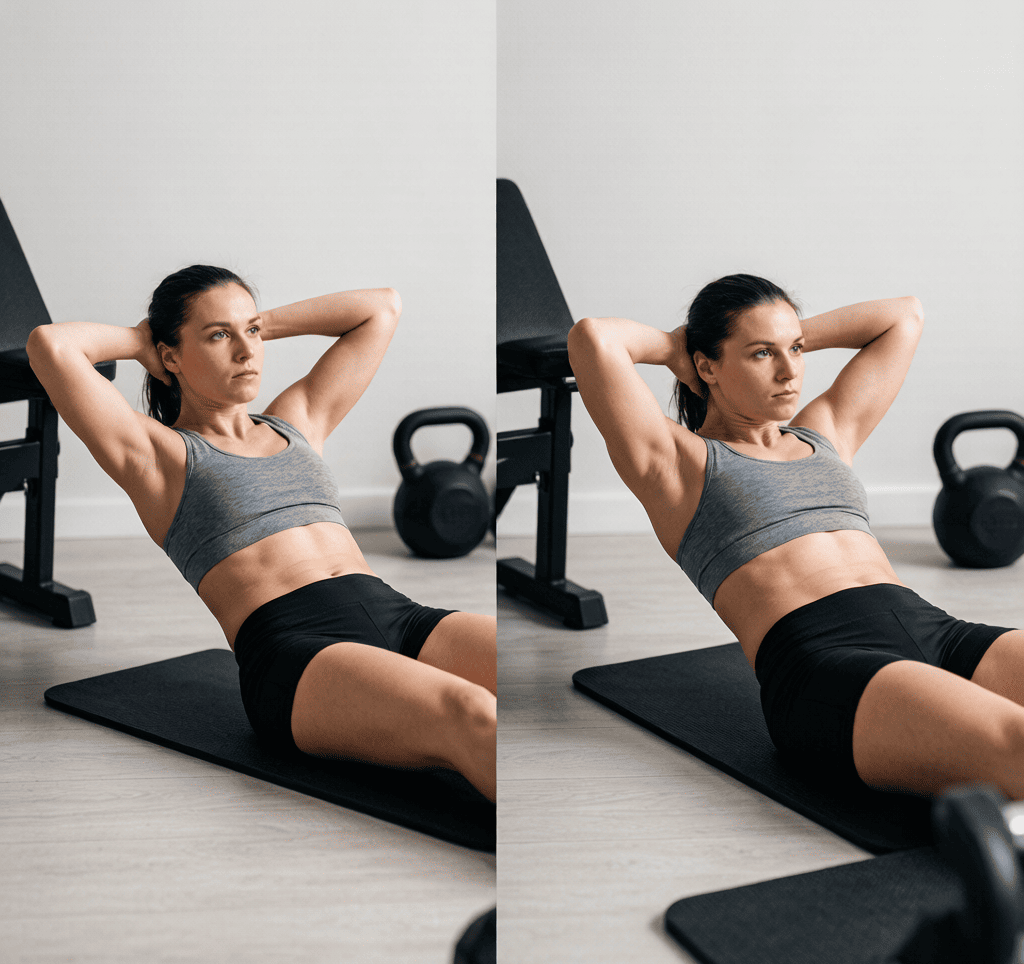
- Keep a fist-width gap between your chin and chest throughout any crunch or sit-up. This keeps your cervical spine neutral.
- Place your hands on your chest or beside your ears — not behind your head. If you must use your hands, keep them light, just resting there.
- Exhale as you curl up and imagine pulling your ribs down toward your hips. This engages your deep core before you move.
Try this on your next workout: Do 10 crunches with hands behind your head, then 10 with hands on your chest. The difference in neck tension is immediate. Most people feel their abs working harder in the second set — because their neck isn’t stealing the job.
Have you dealt with neck pain during ab exercises? What helped you fix it? Drop your experience in the comments — and if you’re looking for gear to make floor work more comfortable, check current prices on Amazon for a good exercise mat or neck-support cushion.
5 Ab Exercises That Commonly Cause Neck Strain (and What to Do Instead)
If you’ve ever finished a set of crunches and felt a sharp twinge in your neck, you’re not alone. I’ve seen it in the gym countless times — someone gritting through sit-ups, hands locked behind their head, face scrunched, neck craning forward. That’s not core work; that’s a neck injury waiting to happen. Here are five common culprits and the swaps that actually build your abs without the pain.
1. Full Sit-Ups
Full sit-ups require your hip flexors to do most of the lifting, especially if your abs aren’t strong enough to curl your torso. To get your shoulders past your hips, most people yank their head forward with their hands. That puts your cervical spine in a vulnerable position. I’ve had clients tell me, “I can do 50 sit-ups, but my neck hurts afterward.” That’s a red flag.
Swap it for: Dead bugs or hollow holds. Lie on your back with arms and legs in the air. Press your lower back into the floor. For dead bugs, slowly extend opposite arm and leg, then return. For hollow holds, hold that position for 20–40 seconds. Both keep your neck neutral and force your abs to work.
2. Crunches With Hands Clasped Behind the Head
This is the classic setup for neck strain. When your hands are behind your head, it’s almost irresistible to pull forward as you crunch. I’ve done it myself. The problem is that your neck flexors aren’t meant to handle that load, and you end up with a stiff neck the next day.
Swap it for: Crunches where your hands slide along your thighs. Lie on your back, knees bent, feet flat. Place your hands on your thighs, palms down. As you curl up, slide your hands toward your knees. Keep your chin tucked — imagine holding an apple under your chin. If you still feel neck tension, put a small rolled towel under your head to support it. This keeps the work in your abs.
3. Toe Touches (Lying on Back, Reaching for Toes)
This move looks impressive, but it’s a neck trap. Lying flat, you lift your legs and reach for your toes. To get your hands anywhere near your feet, you have to hyperflex your neck — craning your head off the floor. That’s a recipe for strain, especially if your hamstrings are tight.
Swap it for: Supine leg raises with your head on the floor. Lie flat, arms by your sides, and keep your head down. Lift your legs to 90 degrees, then lower them slowly. If your lower back arches, bend your knees slightly. Your neck stays relaxed, and your lower abs do the work.
4. Bicycle Crunches
Bicycle crunches are often touted as the best ab exercise, but they’re notorious for neck issues. The twisting motion encourages you to rotate your head and neck along with your torso, which can strain the cervical spine. I’ve seen people practically wrenching their neck to get their elbow to the opposite knee.
Swap it for: Standing oblique twists or side planks. For standing twists, stand with feet hip-width apart, hands behind your head (elbows wide), and rotate your torso without moving your hips. Keep your neck in line with your spine. For side planks, lie on your side, stack your feet, and lift your hips. Hold for 20–40 seconds per side. Both target your obliques without neck involvement.
5. V-Ups
V-ups demand simultaneous hip and trunk flexion — a lot of coordination and strength. Most beginners can’t do them without compensating by jerking their neck forward. I’ve tried teaching them to new lifters, and it almost always ends with them complaining of neck pain.
Swap it for: Reverse crunches or knee tucks. Lie on your back, arms by your sides, palms down. Lift your knees toward your chest, then curl your hips off the floor. For knee tucks, start in a plank position and draw your knees toward your chest. Both keep your neck neutral and hit your lower abs effectively.
If you’re dealing with neck pain from ab work, try these swaps for two weeks. I’ve seen people go from dreading core day to actually enjoying it — and their abs get stronger without the ache. Check current prices on Amazon for a good exercise mat or a neck-support towel, and share your experience in the comments below. What ab exercise gave you neck pain, and what did you replace it with?
How to Set Up Any Ab Exercise to Protect Your Neck
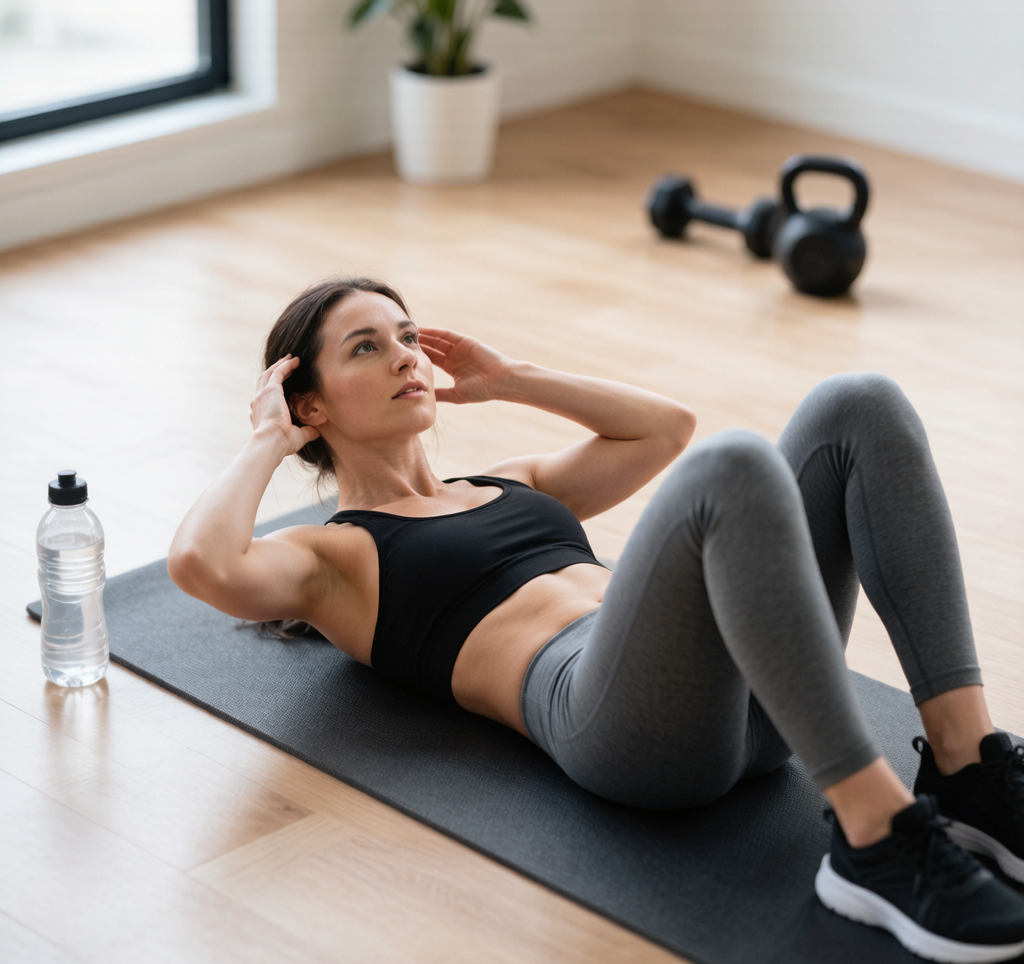
If you’ve finished a set of crunches with a stiff, aching neck, you know the frustration. You don’t have to give up ab work. With a few simple setup adjustments, you can protect your neck and still build a strong core. Here’s a universal checklist you can apply to any core movement to keep your neck safe.
1. Keep a Fist-Sized Gap Between Your Chin and Chest
This is the single most important rule. During any floor exercise—crunches, sit-ups, leg raises—imagine holding a tennis ball between your chin and your chest. Never tuck your chin down toward your chest, and never let your head fall back. That neutral position keeps your cervical spine aligned and prevents you from yanking on your neck with your hands.
I’ve seen people tuck their chin so hard they actually lift their head off the floor with their neck muscles. That’s a recipe for strain. Instead, keep that fist-sized gap throughout the entire movement. If you feel your neck working, stop and reset.
2. Press Your Tongue to the Roof of Your Mouth
This sounds weird, but it works. Pressing the tip of your tongue against the roof of your mouth, just behind your front teeth, reflexively activates your deep neck flexors. These small muscles stabilize your head and neck, so your abs do the work instead.
Try it right now: press your tongue up and feel how your jaw relaxes and your neck feels more stable. That’s the feeling you want during crunches. It’s a subtle cue, but it makes a big difference.
3. Lower Your Shoulders and Relax Your Jaw
When people feel their neck straining, they often tense up their shoulders and clench their jaw. That tension travels straight into the neck. Before each rep, consciously drop your shoulders away from your ears and let your jaw go slack. Think of your neck as a passive cable—it should not be doing the lifting.
If you catch yourself gritting your teeth or shrugging your shoulders, take a breath and reset. This is especially important during exercises like planks or mountain climbers, where it’s easy to let tension creep in.
4. Use a Folded Towel or Small Cushion Under Your Head
For floor exercises, a small support under your head can make a world of difference. A folded towel or a thin cushion fills the gap between your head and the floor, supporting the natural curve of your cervical spine. This prevents your head from dropping back and straining your neck.
I keep a small yoga bolster near my mat for this exact purpose. If you don’t have one, a rolled-up sweatshirt works just as well. The key is to keep your head in line with your spine, not tilted forward or back.
5. If You Feel Your Neck Working, Stop and Reset
This is the golden rule: your neck should never be the prime mover. If you feel your neck muscles burning or pulling, stop the exercise immediately. Take a breath, check your setup, and try again with lighter effort or a different variation.
Sometimes the fix is as simple as moving your hands from behind your head to crossed over your chest, or reducing your range of motion. Don’t push through neck pain—it’s a sign that something is off.
Try these adjustments on your next ab workout. I’ve used them myself and with clients, and they work. If you want to check out some of the best ab exercise equipment that supports proper form, check current prices on Amazon. And let me know in the comments: which ab exercise gives you the most trouble with neck pain?
The 3 Best Neck-Safe Ab Exercises for a Stronger Core
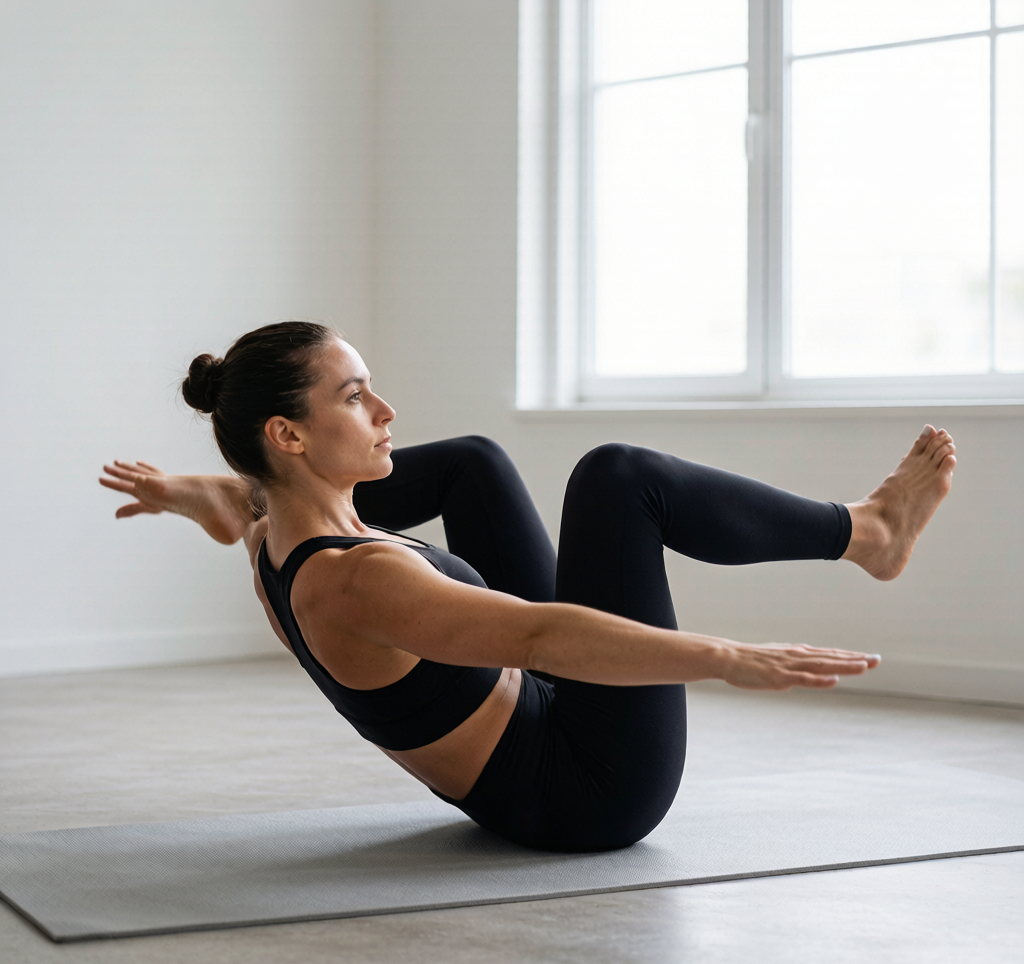
If crunches leave you with a stiff neck, you’re not alone. I’ve been there—lying on the mat, hands behind my head, yanking my neck forward to squeeze out one more rep. It doesn’t work, and it hurts. The good news is you don’t need crunches to build a strong core. Here are three exercises that target your abs without any neck strain.
1. Dead Bug
The dead bug is my go-to for teaching core bracing without any neck involvement. Lie on your back with your arms extended straight up toward the ceiling and your legs raised with knees bent at 90 degrees. Keep your lower back pressed into the floor—if it lifts, you’re going too far.
Slowly extend your right arm overhead and your left leg straight out, lowering them toward the floor without touching it. Pause, then return to start. Repeat on the opposite side. That’s one rep.
I’ve had clients who couldn’t do a single crunch without neck pain nail three sets of 10 dead bugs on their first try. The key is keeping that lower back glued down. If you feel your back arch, shorten the range of motion. Do 2–3 sets of 8–12 reps per side.
2. Pallof Press
The Pallof press is an anti-rotation exercise that builds serious core stability with zero neck load. You’ll need a resistance band or cable machine. Anchor the band at chest height, then stand sideways to the anchor point. Hold the band with both hands at your chest.
Press your hands straight out in front of you, resisting the pull of the band that wants to rotate your torso. Hold for 2–3 seconds, then bring your hands back to your chest. That’s one rep.
I tried this at home with a door anchor and a light band, and it felt like my obliques were on fire after just a few reps. Start with a light band—you don’t need heavy resistance to feel this work. Do 2–3 sets of 10–12 reps per side.
3. Farmer’s Carry
The farmer’s carry is one of the safest and most functional ab exercises you can do. Grab a heavy dumbbell or kettlebell in one hand, stand up tall, and walk. That’s it. Your core has to work overtime to keep your spine upright and prevent you from leaning to the side.
I like to do these for 30–60 seconds per side, focusing on keeping my shoulders level and my ribcage down. If you don’t have weights at home, grab a heavy grocery bag or a water jug. Walk in a straight line, turn around, and come back. Do 3–4 carries per side.
These three exercises will build a stronger core without the neck pain. Give them a try for a few weeks, and you’ll notice the difference. Check current prices on Amazon for resistance bands or a kettlebell, and share your experience in the comments below.
Medical & Editorial Review: This article was reviewed by Liam Smith, founder of Apexfito, for accuracy and safety. Content is for educational purposes and is not a substitute for professional medical advice. Consult your physician before starting any exercise or nutrition program.